










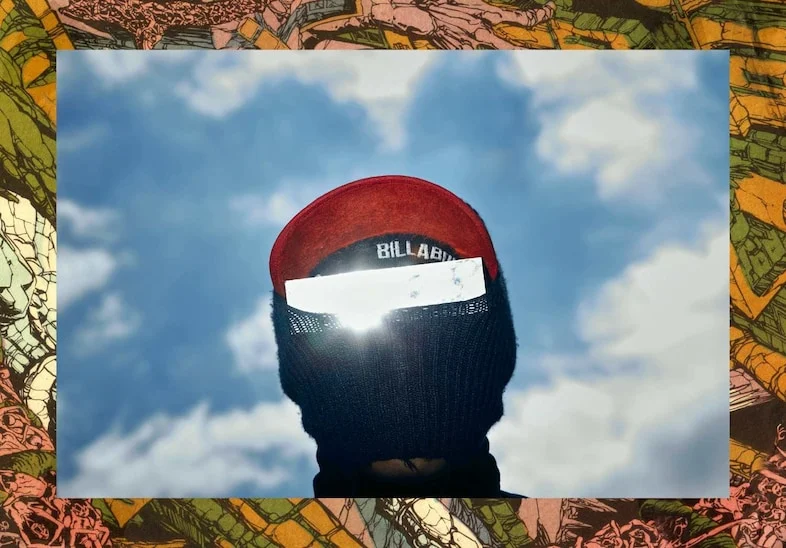
Each day as dawn breaks in the Bolivian cities of La Paz and El Alto, roughly 3,000 individuals of all ages take to the streets wearing masks to hide their faces, secretly earning money by shining shoes. This widespread yet clandestine practice highlights a profound societal challenge, where the stigma attached to this particular labour is so severe that many feel compelled to conceal their faces and work anonymously. Operating on the margins, beyond the conventional protections of the state, these "lustrabotas" (shoe shiners) navigate a dual existence, their true identities hidden behind ski masks, their labor a source of both survival and shame. Uruguayan photographer and activist Federico Estol, upon learning of this unique social phenomenon, embarked on a profound investigative and artistic journey, culminating in his acclaimed "Shine Heroes" project, a collaborative effort designed not merely to document, but to dignify and empower this overlooked community.
The Invisible Workforce: Context of Bolivian Informal Labor
Bolivia, like many developing nations, has a significant informal economy, which provides livelihoods for a large segment of its population. The informal sector, characterized by unregistered businesses, unregulated employment, and often precarious working conditions, is a complex tapestry woven from necessity, lack of formal opportunities, and entrepreneurial spirit. Within this landscape, street vendors, artisans, domestic workers, and service providers like shoe shiners operate, often without social security, health benefits, or legal protections. For the shoe shiners of La Paz and El Alto, their work is particularly fraught with social judgment. The act of cleaning shoes, while essential for many urban dwellers, has become associated with poverty, low social status, and a perceived lack of professional dignity.
The decision to wear masks, as Estol extensively documented, is a direct response to this deep-seated societal discrimination. It is not a gesture of criminality, but rather a shield against judgment from acquaintances, neighbors, and even family members who might not approve or understand their profession. "This urban tribe is distinguished by wearing ski masks so they cannot be identified by acquaintances," Estol explains. "The discrimination they face is fought with these masks; no one in their neighbourhood knows what their job is. They hide it at school, and even their own families think they have a different job when they go from El Alto to the city centre. They leave home as ordinary workers and store their tools and shoe polish at the associations where they have lunch and clean their hands before heading back home." This elaborate charade underscores the profound psychological and social toll of the stigma, forcing individuals to lead double lives to preserve their social standing and protect their families from perceived shame.
Economic factors play a crucial role in perpetuating this system. Many shoe shiners are young people, some still attending school, who contribute to their family’s income. Others are adults for whom formal employment is unattainable due to lack of education, skills, or systemic barriers. The daily earnings, though modest, are often vital for survival, covering basic necessities like food, housing, and education for their children. According to data from the Bolivian National Institute of Statistics (INE), a substantial portion of the urban workforce operates in the informal sector, highlighting the widespread reliance on such livelihoods. While specific figures for shoe shiners are scarce due to their clandestine nature, their estimated number of 3,000 in La Paz and El Alto alone speaks to the scale of this particular niche within the informal economy.
Federico Estol’s Vision: From Documentation to Empowerment
Federico Estol, a Uruguayan photographer and activist with a history of engaging with marginalized communities through his art, first encountered the phenomenon of the masked shoe shiners through anecdotal reports. Intrigued by what he described as an "amazing story" of hidden unity and resilience, he felt compelled to delve deeper. His initial objective was not merely to capture images, but to foster genuine collaboration, aiming to dignify their labour, raise public awareness about their struggles, and ultimately provide tangible material assistance. Estol’s approach aligns with a growing movement in photojournalism and documentary photography that seeks to move beyond passive observation, embracing co-creation and active intervention.
His initial attempts to connect with this elusive community led him to Hormigón Armado (Reinforced Concrete), a social organization that had already established a crucial support network for the shoe shiners. Hormigón Armado provided a safe space for them, offering meals, a place to clean up, and, significantly, producing a monthly newspaper. This newspaper served as a vital communication channel for the community, offering a platform for their voices and generating additional income. Recognizing Hormigón Armado‘s established trust and infrastructure, Estol saw an opportunity for a powerful partnership. He proposed a collaboration: to create a special edition of the newspaper and a flyer, utilizing his photographic skills to transform the public perception of the shoe shiners. This marked the genesis of "Shine Heroes."
The Creative Transformation: Reimagining Identity
A core challenge Estol identified was the negative connotation often associated with the ski masks. While serving as a protective shield for the shoe shiners, the masks could also evoke imagery of crime or anonymity in a less sympathetic light for the broader public. Estol’s ingenious solution drew inspiration from a universal archetype: the superhero. Superheroes, with their double identities and alter egos, offered a powerful narrative framework to reimagine the masked figures. They embody courage, hidden strength, and a fight against injustice – qualities that, in Estol’s view, resonated deeply with the shoe shiners’ daily struggles and resilience.
Working closely with a group of 60 shoe shiners, Estol initiated a collaborative artistic process. This was not a top-down artistic imposition but a participatory endeavor. "We built a collage storyboard on the everyday life of Los Heroes del Brillo – the Shine Heroes. This inspired the narrative for the final photobook," Estol recounted. This co-creation process was crucial for fostering a sense of ownership and empowerment among the participants. The shoe shiners were not just subjects; they were co-authors of their transformed narrative.
The photographic techniques employed were equally inventive and symbolic. To imbue the shoe shiners with "superpowers," Estol and the participants devised a clever, homemade solution. "To pretend the shoe shiners had superpowers, we thought it would be a good idea to use the camera flash from inside the sleeves of their jackets," he told Dazed. "They would have loved to use a laser, but it was pretty difficult to get one. We used what we already had in a very home-made way: a camera flash with small mirrors." This guerrilla-style approach not only added a striking visual effect but also reinforced the idea of harnessing everyday elements for extraordinary purposes. The flashes of light, combined with plumes of colored smoke, created arresting portraits that transcended their mundane reality. The smoke effects, for instance, were ingeniously achieved by placing sparklers on the arms of the participant playing the "villain," adding a dramatic, cinematic quality.
Furthermore, the project subtly addressed another point of stigma: the ink stains on their fingers, often seen as a sign of their "shabby" profession. "Using the camera flash to pretend they had superpowers hid the ink on their fingers – something people used to see as shabby and denigrating," Estol noted. The participants also wore suits donated to Hormigón Armado, further elevating their appearance and challenging conventional perceptions of their social status. This meticulous attention to detail transformed the subjects, not just visually, but also psychologically. The artistic process itself became a source of pride and dignity. "Making the project was very enjoyable; the group felt proud throughout the artistic process," Estol affirmed, underscoring the intrinsic value of the collaboration.
Broader Impact and Sustainable Transformation: Beyond the Lens
The "Shine Heroes" project rapidly evolved beyond a mere photo series, becoming a catalyst for significant social and economic transformation for the involved shoe shiners. Estol’s practice as a storyteller, activist, and artist is deeply rooted in the principle of addressing and changing injustices or inequalities through visual narratives. The project’s success is a testament to this philosophy.
One of the most immediate and profound impacts was the shift in public perception. By presenting the shoe shiners as "Shine Heroes" – courageous, resilient figures fighting daily battles – the project challenged the prevailing societal stigma. The special edition newspaper and flyers, widely circulated, introduced a new, dignified narrative to the citizens of La Paz and El Alto. "Now the social transformation is happening with these 60 workers not only in the new visibility shared with the citizens, but also in their daily income," Estol highlighted. This newfound visibility began to erode the shame associated with their work, fostering a sense of pride and community among the shoe shiners themselves.
Crucially, the "Shine Heroes" project was designed with a sustainable economic model in mind. The art itself became a vehicle for income generation, demonstrating how cultural initiatives can yield tangible material benefits. The project expanded into various merchandise: a rap CD featuring the shoe shiners, toys, calendars, and postcards. These products not only disseminated the "Shine Heroes" message further but also provided direct revenue streams for the participating individuals and Hormigón Armado.
The most ambitious and perhaps most successful economic venture to date is the establishment of "Lustra Gourmet," a restaurant opened last year. This initiative represents a radical departure from the traditional image of shoe shining, offering a formal, dignified, and entrepreneurial path for the community. The restaurant provides stable employment, fair wages, and a platform for the shoe shiners to utilize their skills in a different, respected service industry. The concept itself is a direct outgrowth of the project’s core ethos: to transform perception and create new opportunities. "All these actions are financed by the circulation of the project in the global photo industry ecosystem," Estol explained, highlighting the innovative funding mechanism where success in the art world directly fuels community development.
A Model for Art Activism and Social Change
The "Shine Heroes" project stands as a powerful example of how art, when coupled with activist intent and collaborative execution, can serve as a potent tool for social change. It addresses multiple layers of injustice: the economic precariousness of informal labor, the psychological burden of social stigma, and the lack of recognition for essential community services. By transforming the narrative, Estol and the "Shine Heroes" have not only elevated the status of shoe shiners in Bolivia but also provided them with concrete avenues for economic empowerment and personal dignity.
The project’s international recognition, exemplified by Federico Estol’s "Shine Heroes" being featured as the KG⁺SELECT Award 2025 Winner and displayed at Kyotographie 2026, further amplifies its message on a global stage. This exposure not only validates the artistic merit of the work but also brings international attention to the plight of informal workers and the innovative solutions being developed to support them. It encourages a re-evaluation of how societies perceive and treat marginalized labor forces, suggesting that creative interventions can bridge gaps where traditional social welfare programs might fall short.
In conclusion, Federico Estol’s "Shine Heroes" is more than a photography project; it is a movement. It is a testament to the power of human connection, artistic imagination, and collaborative action to dismantle stigma and build new futures. From the streets of La Paz and El Alto, where masked figures once toiled in anonymity, a new breed of heroes has emerged, shining not just shoes, but a light on the inherent dignity of all labor, proving that true heroism often resides in the most unexpected places.