











The white dress shirt, an undisputed cornerstone of any discerning wardrobe, is being re-evaluated through the lens of sustainability, with leading ethical fashion platform Good On You curating highly-rated brands that are setting new benchmarks for responsible production. This initiative highlights not only the timeless appeal and versatility of this essential garment but also the critical need for consumers to understand what constitutes a truly sustainable choice in an industry often plagued by opaque practices and environmental concerns. As consumer awareness grows, the focus shifts from mere aesthetics to the intricate details of a garment’s journey, from fiber to final stitch, demanding transparency and ethical stewardship from brands.
For decades, the white shirt has transcended transient trends, cementing its status as a foundational piece in both business attire and casual ensembles. Its adaptability is unparalleled: effortlessly paired with a bespoke suit for formal occasions, or artfully styled with distressed denim, sleeves rolled, and a vibrant neck scarf for a relaxed yet chic look. It can peek out from beneath a cozy sweatshirt, serve as a breezy cover-up over a tank top in warmer months, or be elegantly tucked into a flowing skirt. This inherent versatility underscores its value as a true "investment piece," a descriptor often overused but genuinely applicable to a garment that offers myriad styling possibilities and endures across seasons and evolving fashion landscapes. The longevity of such a staple, however, depends intrinsically on its quality and the integrity of its production.
The traditional fashion industry, particularly the fast fashion sector, has long been criticized for its detrimental impact on the environment and its exploitative labor practices. The relentless cycle of churning out inexpensive garments, often made from poor-quality synthetic fabrics, contributes significantly to global pollution, textile waste, and the depletion of natural resources. According to reports from the Ellen MacArthur Foundation, less than 1% of clothing is recycled into new garments, leading to an estimated $500 billion loss in value annually due to clothing that is barely worn and rarely recycled. Furthermore, textile production is a major consumer of water, with cotton cultivation alone requiring vast quantities – an estimated 2,700 liters of water to produce just one cotton shirt. The carbon footprint is equally staggering, with the fashion industry responsible for around 10% of global greenhouse gas emissions. Beyond environmental concerns, the human cost is profound, with workers in garment factories, predominantly in developing nations, frequently subjected to unsafe conditions, long hours, and wages far below a living standard. Brands that prioritize rapid production and low costs often drive down purchasing prices, directly impacting the ability of suppliers to pay fair wages and maintain safe working environments.
In this context, the demand for more sustainable and ethical alternatives has surged. Consumers are increasingly seeking out brands that demonstrate a genuine commitment to people, the planet, and animal welfare. Good On You, through its robust and world-leading methodology, plays a pivotal role in guiding these conscious choices. Their analysts meticulously assess brands across comprehensive criteria, including environmental impact, labor practices, and animal welfare, assigning ratings of "Good" or "Great" to those that meet stringent sustainability standards. This independent evaluation empowers consumers to make informed decisions, ensuring that their purchases align with their values and contribute to a more responsible fashion ecosystem. The platform’s editorial mission, as detailed on its website, emphasizes curating highly-rated brands that have undergone this rigorous assessment, creating a trusted resource for ethical shopping.
Identifying a truly sustainable white shirt goes beyond superficial appearance; it delves into the fundamental aspects of material science and manufacturing excellence. The markers of a superior, ethical white shirt are multifaceted. Foremost among these is fabric quality and responsible sourcing. The best materials for a lower-impact white shirt include organic cotton, organic linen, and TENCEL™ Lyocell. These fibers are chosen for their reduced environmental footprint compared to conventional alternatives. Organic cotton, for instance, is grown without harmful synthetic pesticides and fertilizers, protecting soil health and water quality. Organic linen, derived from the flax plant, is renowned for its durability and requires less water and fewer pesticides than conventional cotton. TENCEL™ Lyocell, a regenerated cellulosic fiber, is produced in a closed-loop system that recycles water and solvents, making it a highly resource-efficient option known for its soft drape and breathability.
Beyond raw materials, the construction quality of the garment is paramount for longevity. A truly good shirt will feature a sharp cut and details that enhance its durability, such as a high stitch-per-inch count in the seams. This meticulous stitching ensures the garment can withstand repeated wear and washing without fraying or coming apart. Ideally, look for French seams, where the raw edge of the fabric is enclosed within the seam itself, creating a clean finish and significantly improving the seam’s strength and resilience. These details might seem minor, but they are indicative of a brand’s commitment to quality and durability, directly combating the throwaway culture of fast fashion.
Button choice also reflects a brand’s ethical stance. While many high-end brands traditionally use mother-of-pearl buttons for their lustrous appearance, ethical considerations arise, particularly for vegan consumers. In such cases, Corozo buttons, made from the nuts of the Tagua palm tree, offer a beautiful, natural, and sustainable alternative. If plastic buttons are used, they should ideally be made from recycled plastic, minimizing the demand for virgin plastics and contributing to a circular economy.
The choice of fabric weave also dictates the shirt’s aesthetic and suitability for various occasions. Organic cotton-poplin, exemplified by brands like Citizen Wolf, Asket, and Another Tomorrow, offers a light, crisp handle, making it ideal for formal settings or as a breezy option for warmer climates. Its smooth finish projects a refined elegance. In contrast, organic cotton-Oxford (found in offerings from Yes Friends and Carpasus) features a denser weave, giving it a slightly more textured and informal appearance. This makes it perfectly suited for smart-casual styles, pairing well with chinos or relaxed trousers. Meanwhile, TENCEL™ Lyocell, as seen in shirts from Wilda.Eco and Akyn, provides a luxurious, drapey fabric that hangs softly, offering a fluid silhouette that can be dressed up or down. Understanding these material nuances allows consumers to select a shirt that not only aligns with their ethical principles but also perfectly suits their desired style and level of formality.
Good On You’s latest curation showcases 17 smart white shirts from brands that exemplify these responsible practices, offering a diverse range of styles and price points. This selection demonstrates that sustainable fashion is accessible and encompasses a spectrum of design preferences. For those seeking more affordable entry points into ethical fashion, brands like Yes Friends, Armedangels, and No Nasties offer excellent choices. Yes Friends, a UK-based brand, has pioneered an affordable model by leveraging large-scale production and direct-to-consumer margins, making ethically produced clothing accessible at competitive prices, with inclusive sizing (2XS-4XL). No Nasties, based in India, champions Fairtrade organic cotton, actively fostering the ethical consumer market in its region, with styles available in sizes 2XS-3XL.
The curation also highlights innovative takes on the classic white shirt, perfect for those who desire to inject personality into their attire or work in creative environments. No Nasties offers an asymmetric cut, while The Summer House features elegant embroidered plackets. Sukkhacitta presents subtle handwoven jacquard fabrics, and Akyn distinguishes itself with signature oversized gold cuff fastenings. These details elevate the standard white shirt, transforming it into a statement piece. For adherents of classic, minimalist styles, brands like Neem and ASKET provide impeccably tailored options. ASKET, known for its timeless wardrobe essentials and revolutionary sizing, focuses on building a single permanent collection, eschewing seasonal trends and cutting out middlemen to offer fair pricing. Their shirts also come in different lengths, ensuring a perfect fit. For warm weather, Organication offers a comfortable and breathable cotton and linen-blend shirt.
Other notable brands in the collection include:
- Colorful Standard: A Danish brand that prioritizes timeless, long-lasting products made from organic materials, aiming to combat over-consumption. Most items are available in sizes XS-2XL.
- TWOTHIRDS: A brand deeply connected to ocean conservation, manufacturing all products locally to reduce its carbon footprint and ensuring audits of its final production stages. Clothes are available in sizes XS-L.
- The Summer House: An Indian brand creating women’s wear using locally-made, lower-impact fabrics and partnering with local artisans and NGOs. Their range is available in sizes XS-XL.
- WILDA.ECO: Specializing in vegan fashion, WILDA.ECO focuses on minimalism, timeless design, and inclusive sizing, with clothes customizable for different heights.
- WE-AR4: A US-based brand founded by fashion industry veterans, which rescues high-quality leathers and luxury textiles leftover from other brands, giving them new life, alongside using certified lower-impact materials. Available in sizes XS-L.
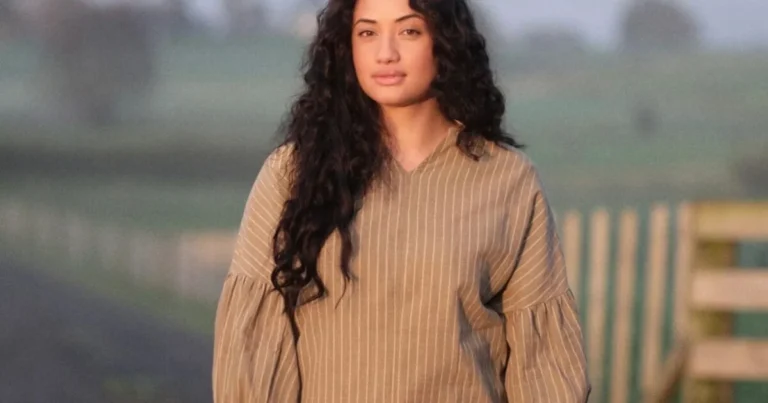
- Beaumont Organic: A UK-based slow fashion brand blending simple style with responsible production and supporting a charitable foundation in Fiji. Sizes XS-L.
- CARPASUS: A Swiss menswear brand producing fine shirts with GOTS certified cotton, local manufacturing, and a commitment to living wages for workers. Products in EU sizes 36-46.
- G-Star RAW: Known for its raw denim, G-Star RAW integrates innovation and sustainability into its core mission, continuously striving to improve its impact on people and the planet.
The shift towards sustainable white shirts, and indeed sustainable fashion as a whole, carries significant implications. For consumers, it means investing in garments that offer superior quality, longevity, and ethical assurance, ultimately reducing their fashion footprint and promoting mindful consumption. For the industry, it signals a growing imperative for transparency, innovation in material science, and a fundamental restructuring of supply chains to prioritize human rights and environmental protection. This curated selection by Good On You not only highlights specific responsible brands but also serves as a powerful testament to the fact that style, quality, and ethical production can, and must, coexist. As organizations like Good On You continue to champion transparency and consumer education, the future of fashion promises to be more accountable, equitable, and environmentally sound.
Editor’s Note: Feature image via Beaumont Organic, all other images via brands mentioned. Good On You publishes the world’s most comprehensive ratings of fashion and beauty brands’ impact on people, the planet, and animals. Use our directory to search thousands of rated brands.
We updated this article on 3 June 2026. Our editors frequently make updates to articles to ensure they’re up to date. We updated the copy, our round-up of brands, and product picks.