










The delicate skin on the lips is structurally distinct from the epidermis found elsewhere on the human body, a biological reality that leaves the mouth uniquely susceptible to environmental stressors and rapid moisture loss. Unlike the skin on the rest of the face, the vermilion—the red part of the lips—lacks oil glands and sweat glands, which are the body’s primary mechanisms for maintaining a natural lipid barrier. Because of this physiological limitation, the lips are prone to chronic dehydration, leading to the common condition of chapping. As seasonal changes intensify and indoor heating systems reduce ambient humidity, dermatological experts are increasingly emphasizing the necessity of targeted lip care routines that differentiate between daily maintenance and intensive overnight recovery.
Biological Mechanisms and Common Triggers
The absence of a robust sebaceous layer means that the lips cannot self-lubricate. According to Dr. Anna Karp, a board-certified dermatologist in New York City, the lips rely almost entirely on external moisture and the surrounding environment to remain supple. When these conditions are compromised, the lips become the first area of the face to show signs of distress.
Clinical observations have identified a consistent list of environmental and lifestyle triggers that exacerbate lip dryness. Meteorological factors, specifically cold air and high-velocity winds, strip moisture from the stratum corneum of the lips. Simultaneously, excessive ultraviolet (UV) radiation from sun exposure can cause structural damage to the collagen fibers within the lip tissue. Beyond environmental elements, behavioral habits play a significant role; the common reflex of licking one’s lips—often done in an attempt to provide temporary relief—actually accelerates dehydration as saliva evaporates, drawing additional moisture out of the skin. Furthermore, pharmacological interventions, such as the use of isotretinoin for acne treatment, are well-documented to cause significant lip desiccation, necessitating aggressive moisture management.
The Evolution of Lip Care: Balms vs. Masks
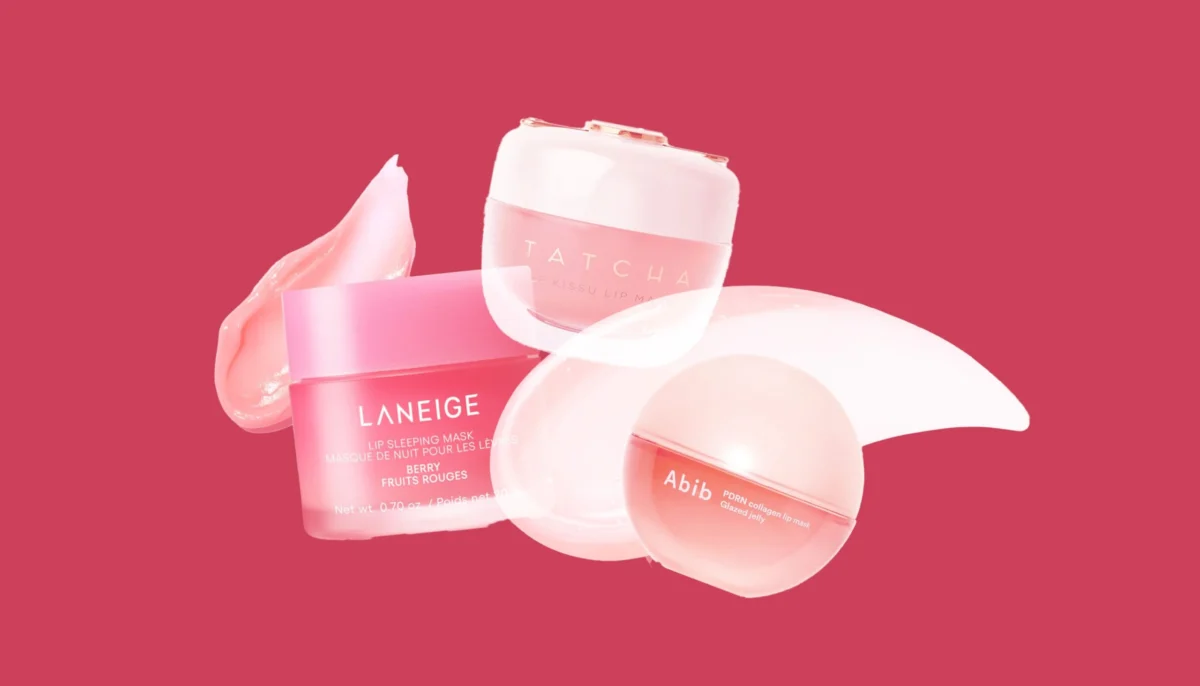
The cosmetic market has evolved to address these specific needs, resulting in a bifurcated category of products: lip balms and lip masks. While both are designed to prevent transepidermal water loss, their chemical formulations serve distinct purposes.
Lip balms are generally engineered for portability and consistent, all-day application. They typically consist of lighter occlusives and emollients that provide a protective film against friction and wind. In contrast, lip masks function as intensive, therapeutic treatments. These products are often formulated with higher concentrations of heavy occlusives, such as petrolatum, lanolin, or beeswax, designed to create a long-lasting, semi-occlusive barrier that locks in hydration during the body’s overnight repair cycle. Dr. Hallie McDonald, a board-certified dermatologist and co-founder of ERLY, notes that while the two categories serve different roles—daytime maintenance versus nighttime recovery—there is overlap in utility. If a patient utilizes a high-viscosity, nutrient-dense balm, it can effectively mimic the performance of a formal lip mask.
Clinical Perspective on Routine and Maintenance
The transition from casual lip care to a structured routine often occurs when seasonal dryness or chronic chapping becomes resistant to basic balms. Dermatologists suggest that when lips exhibit flaking, the skin’s barrier function has been compromised, requiring more than surface-level hydration.
The role of exfoliation in this process remains a subject of nuanced clinical advice. While the removal of dead skin cells is essential for allowing moisturizing agents to penetrate effectively, over-exfoliation can cause micro-tears in the delicate lip tissue. Professionals recommend a conservative approach: use a gentle mechanical or chemical exfoliant only when visible flakes are present. If the lips are actively inflamed, cracked, or bleeding, experts advise suspending all exfoliation in favor of a strictly restorative protocol focused on barrier repair using ceramide-rich or fatty-acid-based formulas.
Ingredients and Targeted Efficacy
Modern lip care formulations have moved beyond simple wax-based sticks to incorporate active ingredients typically reserved for facial serums. Ceramides and fatty acids remain the gold standard for restoring the lipid barrier. However, newer iterations of lip masks now feature collagen-stimulating peptides and humectants like hyaluronic acid.
These ingredients work in tandem to achieve two goals: immediate smoothing of the lip surface and long-term improvement of the skin’s elasticity. By applying these treatments during periods of low activity, such as sleep or a sedentary commute, the user allows the product sufficient dwell time to facilitate repair. Data suggests that consistent application of these concentrated formulas can significantly reduce the prevalence of fine lines around the mouth, which are often exacerbated by chronic dryness.
The Methodology Behind Product Evaluation
The demand for high-performance lip care has prompted rigorous testing standards among beauty editorial teams. When evaluating these products, the criteria go beyond subjective texture or scent. Professional review processes now incorporate an assessment of the ingredient list against dermatological standards, ensuring that claims—such as "plumping" or "hydrating"—are supported by the chemistry of the formula.
This evaluative process generally focuses on five core metrics:
- Ingredient Efficacy: Analyzing the percentage and quality of active ingredients like petrolatum, shea butter, or peptides.
- Packaging Integrity: Assessing whether the container prevents product contamination and ensures the stability of the formula.
- Fragrance Profile: Ensuring that essential oils or synthetic fragrances do not act as irritants for sensitive individuals.
- Texture and Sensory Experience: The ease of application and the product’s ability to remain on the lips without feeling overly tacky or greasy.
- Wear Duration: Measuring the time required before reapplication is necessary.
Broader Implications and Industry Standards
The shift toward evidence-based beauty has forced manufacturers to be more transparent regarding their testing populations. There is a growing consensus that efficacy cannot be determined by a monolithic group of testers. To deem a product "effective," it must be tested across a spectrum of ages, skin tones, and sensitivity levels.
For instance, a product that performs well on younger, oily skin may provide insufficient moisture for a mature demographic with thinning skin and diminished lipid production. By utilizing diverse test groups, organizations can provide more accurate recommendations. This inclusive approach is particularly vital in the context of lip care, where physiological differences—such as the natural pigmentation of the lips or the prevalence of sun-induced hyperpigmentation—can influence how a product is perceived and how it interacts with the skin.
Future Directions in Lip Hydration
As the intersection of dermatology and cosmetics continues to expand, the future of lip care likely lies in personalized formulas. Researchers are looking into how individual skin microbiomes and varying levels of atmospheric pollution affect the lip barrier.
In the immediate term, the industry is moving away from the "one-size-fits-all" approach. Consumers are increasingly encouraged to treat their lips with the same level of diagnostic care they apply to their facial skin. This includes recognizing that lip health is a reflection of overall systemic hydration and environmental protection. By maintaining a balance between mechanical protection, chemical hydration, and restorative exfoliation, users can manage the unique vulnerabilities of the vermilion tissue.
Ultimately, while the market is saturated with options ranging from budget-friendly balms to luxury masks, the fundamental requirement remains the same: the replenishment of moisture in a zone that lacks the natural capacity to do so itself. Whether through the application of a basic occlusive or a complex, peptide-infused mask, the goal remains the preservation of the skin’s integrity. As scientific understanding of the skin barrier improves, the integration of professional dermatological insights into daily routines will remain the most effective strategy for mitigating the discomfort of dry and chapped lips.