










The global textile industry has reached a critical juncture where the transition from voluntary sustainability commitments to mandatory regulatory compliance requires a foundation of rigorous, science-based data. In response to this demand, Cotton Incorporated has officially released its 2026 Life Cycle Assessment (LCA) of U.S. Cotton Fiber Production, a comprehensive study designed to provide brands, retailers, and stakeholders with a transparent and verified accounting of the environmental footprint of cotton grown in the United States. As global regulators move to curb "greenwashing" and demand greater transparency in supply chains, this LCA serves as a vital tool for companies looking to align their material sourcing strategies with international decarbonization goals and Scope 3 emissions reporting requirements.
The 2026 study represents one of the most robust data-collection efforts in the history of the U.S. cotton industry. By examining the environmental impacts of cotton production through a "cradle-to-gate" lens—covering every stage from the manufacturing of agricultural inputs to the point where the fiber leaves the gin—the report offers a granular look at the drivers of environmental impact. This update is particularly timely as the apparel and footwear sectors face increasing pressure from the European Union’s Green Claims Directive and the United States’ Securities and Exchange Commission (SEC) regarding climate-related disclosures.
Methodological Rigor and the Scope of the Study
The 2026 LCA was conducted in strict adherence to the International Organization for Standardization (ISO) 14040 and 14044 standards, which govern the principles and framework for life cycle assessments. To ensure the highest level of credibility and objectivity, the study underwent a critical review by an independent three-person panel of experts. This level of oversight is essential for data that is intended to be used in public-facing sustainability reports and regulatory filings.
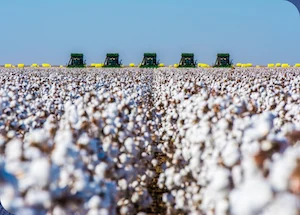
The data foundation for the study is uniquely broad, drawing on primary inputs from 753 growers across 17 cotton-producing states. This diverse geographic range—spanning from the humid Southeast and the Mississippi Delta to the arid West and the Texas High Plains—allows the study to capture the nuances of different regional climates, soil types, and farming practices. By utilizing real-world grower data rather than theoretical models, the LCA provides a realistic representation of the current state of U.S. cotton production.
The "cradle-to-gate" system boundary used in the study is a standard metric in environmental accounting. It includes the production and transport of fertilizers, pesticides, and seeds; on-farm energy use for machinery and irrigation; and the industrial process of ginning, where the cotton fiber is separated from the seed. By focusing on this specific segment of the value chain, the LCA provides a clear benchmark for the raw material phase, which is often the most carbon-intensive portion of a textile product’s life cycle.
Key Findings: Carbon Footprint and Biogenic Carbon Flows
One of the most significant metrics revealed in the 2026 LCA is the carbon intensity of U.S. cotton fiber. According to the study, the production of 1 kilogram (kg) of U.S. cotton fiber generates 1.45 kg of fossil carbon dioxide equivalent (CO2e) emissions. This figure accounts for the greenhouse gases emitted during the manufacturing of inputs and the operation of farm equipment.
However, the study also highlights the complex role of cotton as a biological product. When accounting for biogenic carbon flows—the carbon that is naturally sequestered from the atmosphere by the cotton plant during growth and stored in the soil and the fiber itself—the net result shifts significantly. Under the specific modeling parameters of the study, the net result for the cradle-to-gate stage is -0.264 kg CO2e per kilogram of fiber.
This net-negative figure underscores the potential for agricultural products to act as carbon sinks, provided that soil health and regenerative practices are maintained. The report notes that the way carbon is accounted for—specifically the distinction between fossil emissions and biogenic sequestration—is a critical methodological choice that influences how brands interpret their environmental impact. For companies aiming for "Net Zero" targets, understanding these biogenic flows is essential for accurate carbon accounting in their Scope 3, Category 1 (Purchased Goods and Services) reporting.
Drivers of Environmental Impact and Opportunities for Improvement
Beyond carbon emissions, the LCA identifies the primary drivers of environmental impact within the cotton production cycle. These insights are intended to guide both growers and brands toward more effective intervention strategies.
- Fertilizer Production and Application: The manufacturing of nitrogen-based fertilizers remains a significant source of fossil CO2e emissions due to the energy-intensive nature of the Haber-Bosch process. Additionally, the application of these fertilizers can lead to nitrous oxide emissions from the soil, a potent greenhouse gas. The study suggests that precision agriculture and optimized nutrient management are key levers for reducing this impact.
- Irrigation and Water Use: In regions where rainfall is insufficient, irrigation is a major contributor to the environmental footprint, both in terms of water consumption and the energy required to pump water. The transition to highly efficient irrigation systems, such as drip or micro-irrigation, has been a major focus for U.S. growers over the last decade.
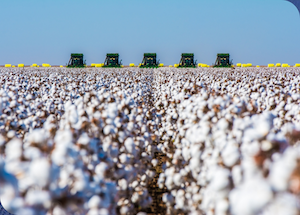
- On-Farm Energy Consumption: The use of diesel for tractors and electricity for ginning operations contributes to the overall fossil fuel footprint. The 2026 data shows a continued trend toward more fuel-efficient machinery and the adoption of renewable energy sources at the ginning level.
Historical Context and the Evolution of U.S. Cotton Sustainability
The 2026 LCA does not exist in a vacuum; it is part of a decades-long trajectory of environmental improvement within the U.S. cotton industry. Historically, the industry has set ambitious 10-year goals to reduce land use, soil loss, water use, and energy consumption while increasing soil carbon.
Compared to previous assessments conducted in the early 2010s and 2020, the 2026 data reflects the cumulative impact of adopting "Climate-Smart" agricultural practices. These include the widespread use of cover crops, which prevent erosion and sequester carbon; reduced-tillage or no-till farming, which preserves soil structure; and the use of GPS-guided precision technology that ensures inputs are applied only where and when they are needed.
The chronology of these assessments shows a clear trend: while the global demand for fiber has increased, the environmental intensity per bale of U.S. cotton has generally trended downward. This historical context provides brands with the confidence that the data they are using for current reporting is part of a verified, long-term improvement process.
Strategic Implications for Brands and Retailers
The release of this LCA comes at a time when the "Scope 3" emissions of apparel companies—those that occur in the supply chain rather than in the company’s own facilities—are under intense scrutiny. For most fashion brands, the raw material stage represents the largest portion of their carbon footprint.
By providing a clear, independently reviewed reference for U.S. cotton, the 2026 LCA allows sustainability officers to move away from "industry average" data, which can often be outdated or based on regions with less stringent environmental regulations. Instead, they can use specific data that reflects the actual conditions of U.S. production. This is particularly important for brands participating in the Science Based Targets initiative (SBTi) or those reporting under the Task Force on Climate-related Financial Disclosures (TCFD).
Furthermore, the study aids in material selection. As brands evaluate the trade-offs between natural fibers like cotton and synthetic fibers like polyester, having access to verified LCA data is crucial. While synthetic fibers are derived from fossil fuels and do not sequester carbon, natural fibers like cotton offer a different profile that includes biogenic carbon storage and biodegradability at the end of life.
Industry Response and Future Outlook
Early reactions from textile industry analysts suggest that the 2026 LCA will be welcomed as a necessary update to the industry’s toolkit. Sustainability consultants have noted that the inclusion of biogenic carbon data is a sophisticated addition that reflects the growing maturity of carbon accounting standards.
"The 2026 LCA provides the level of transparency that the modern market demands," noted one industry analyst. "It isn’t just about showing a low number; it’s about showing the methodology and the primary data that back up that number. This is what regulators and savvy consumers are looking for."
Cotton Incorporated has made the full LCA report and an executive summary available through its CottonWorks platform, ensuring that the data is accessible to designers, supply chain managers, and sustainability professionals. The organization emphasizes that while the 2026 data shows significant progress, the journey toward sustainable production is ongoing. The insights gained from this study will inform future research and development efforts, focusing on further reducing the carbon intensity of fertilizers and expanding the adoption of regenerative practices across all 17 cotton-producing states.
As the textile industry moves toward a more regulated and transparent future, the 2026 Life Cycle Assessment of U.S. Cotton Fiber Production stands as a benchmark for how agricultural industries can provide the data necessary to support global climate goals. By grounding sustainability claims in the reality of the field and the gin, the U.S. cotton industry is positioning itself as a reliable partner for brands navigating the complex landscape of 21st-century environmental reporting.