






The contemporary menswear landscape has undergone a significant paradigm shift, moving away from rigid, mandatory corporate office dress codes toward a more intentional appreciation of sartorial versatility. While building a comprehensive wardrobe filled with an array of specialized tailoring remains a long-term aspiration for many, others view the suit merely as an insurance policy for professional obligations and formal social gatherings. Navigating the complex world of men’s tailoring requires understanding fundamental design elements—ranging from jacket construction and lapel styles to vent placements, pocket variations, and trouser breaks. Whether assembling a foundational wardrobe from scratch or expanding an existing collection, modern consumers must evaluate specific technical criteria to make informed investments that balance longevity, comfort, and style.
The Evolution of Men’s Tailoring and Contemporary Market Dynamics
The history of the modern men’s suit traces its roots back to the Great Renunciation of the late 18th century, when men abandoned elaborate, brightly colored court dress in favor of subdued, tailored garments that emphasized practicality and social mobility. Over the succeeding centuries, tailoring evolved through distinct eras, from the heavily padded, boxy silhouettes of the mid-20th century to the hyper-slim cuts popularized in the early 2000s.
Today, the market reflects a balanced synthesis of these historical movements. Contemporary designers emphasize fluidity, comfort, and multi-season utility, responding directly to post-pandemic shifts in professional environments where hybrid work models have redefined workplace dress codes. Rather than purchasing garments for a single rigid function, modern buyers increasingly look for versatile separates and adaptable silhouettes that transition seamlessly from corporate boardrooms to evening social engagements. Industry analysts note that consumer spending on menswear has polarized: shoppers either invest in premium, high-durability heritage pieces or seek budget-friendly synthetic blends, making expert guidance on fabric weights, construction methods, and fit profiles more critical than ever.
Foundational Suit Silhouettes: Fit and Form

When curating a tailored wardrobe, the overall silhouette serves as the primary architectural framework. Selecting the correct fit ensures both physical comfort and visual harmony across diverse body types.
-
The Slim Fit Suit
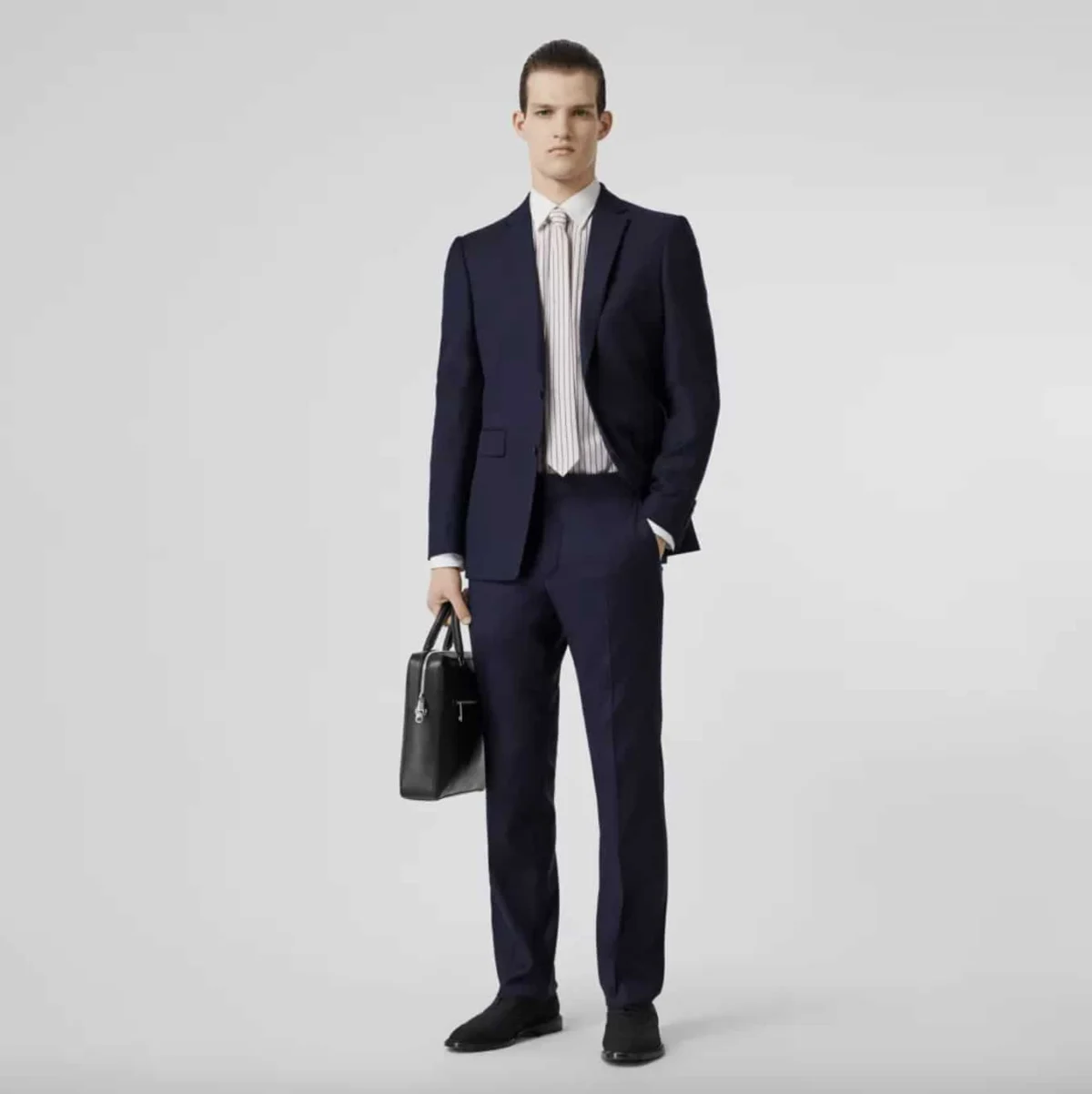
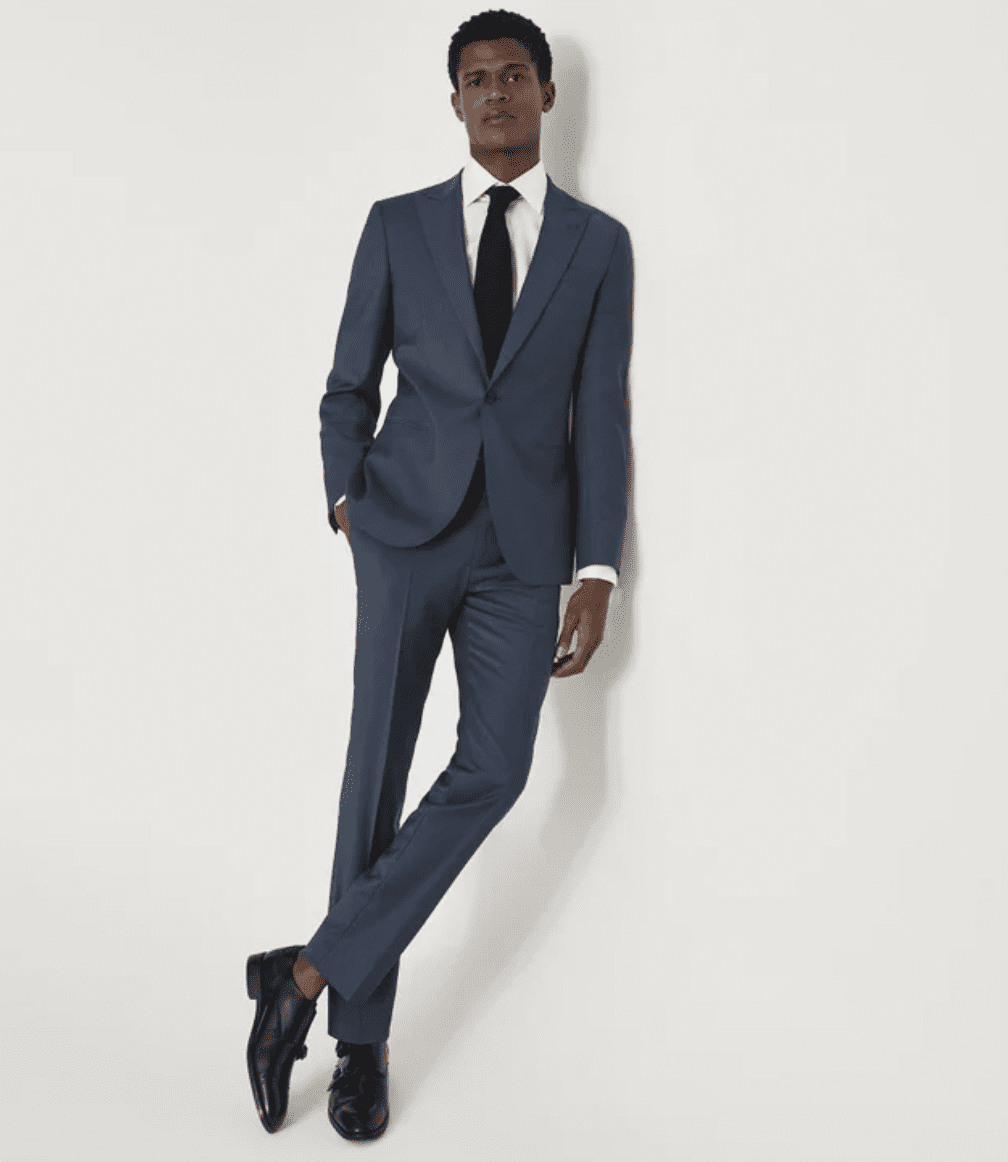
Regarded by contemporary stylists as the tailoring equivalent of the essential little black dress, the slim-fit suit in a versatile plain navy fabric stands as the single most critical investment for any wardrobe. Characterized by a structured yet close-fitting cut, a two-button closure, and a traditional notch lapel, this silhouette adapts effortlessly to weddings, professional job interviews, and formal evening events. For optimal year-round utility, experts recommend mid-weight fabrics ranging between 11 and 12 ounces. Unlike ultra-skinny cuts that accentuate physical proportions unfavorably, a well-executed slim fit offers clean lines and subtle definition suitable for a wide range of body types.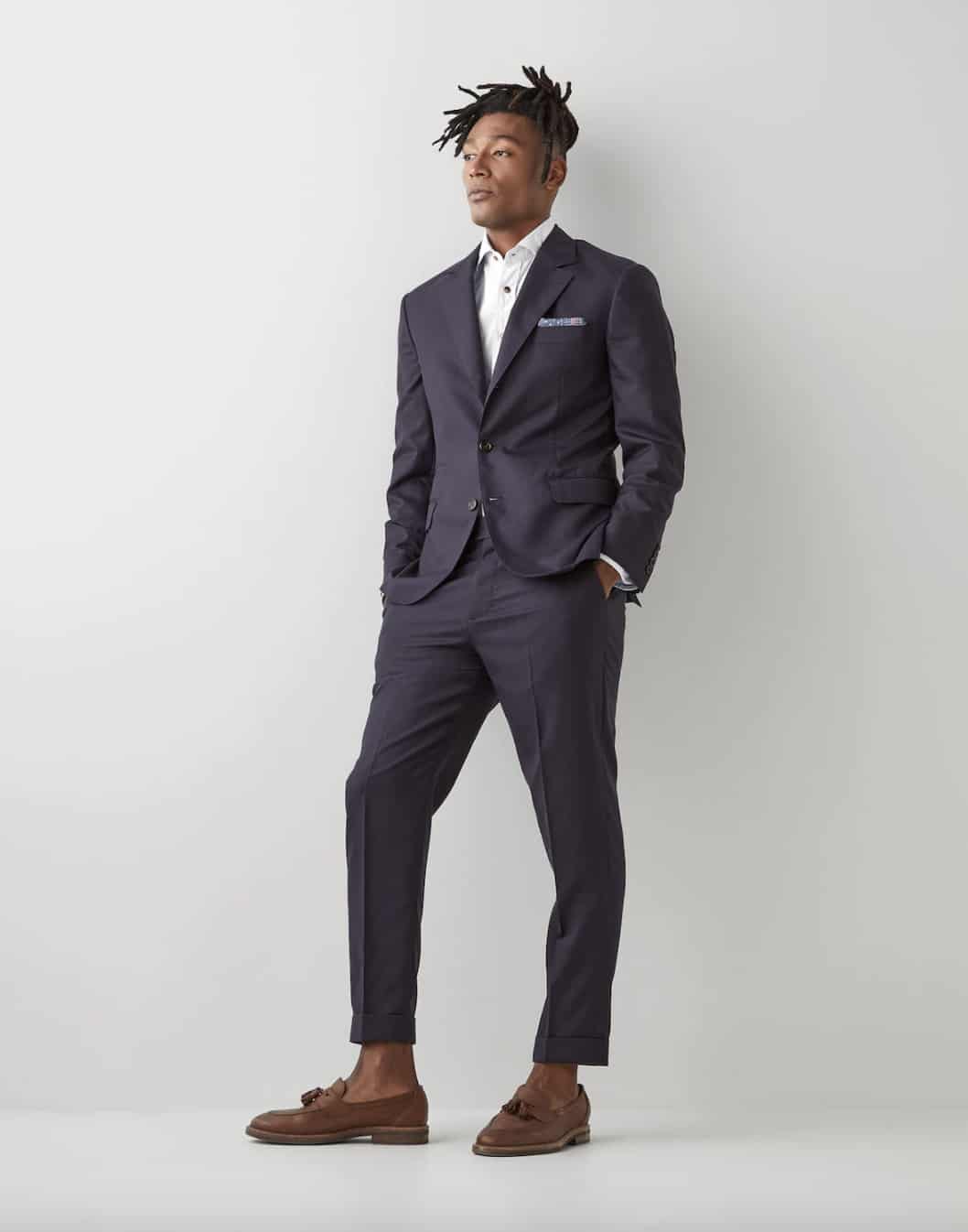
-
The Classic Fit Suit
Embodying timeless, "old money" aesthetics, the classic fit suit provides a generous, structured cut that remains impervious to fleeting micro-trends. While black remains strictly formal and light grey skews casual and summery, navy blue offers the greatest mileage for daily professional wear. Sartorial advisors strongly recommend avoiding aggressive patterns, such as Prince of Wales checks or loud windowpanes, until foundational solid-colored suits in navy and charcoal are firmly established in the rotation. -
The Modern Fit Suit
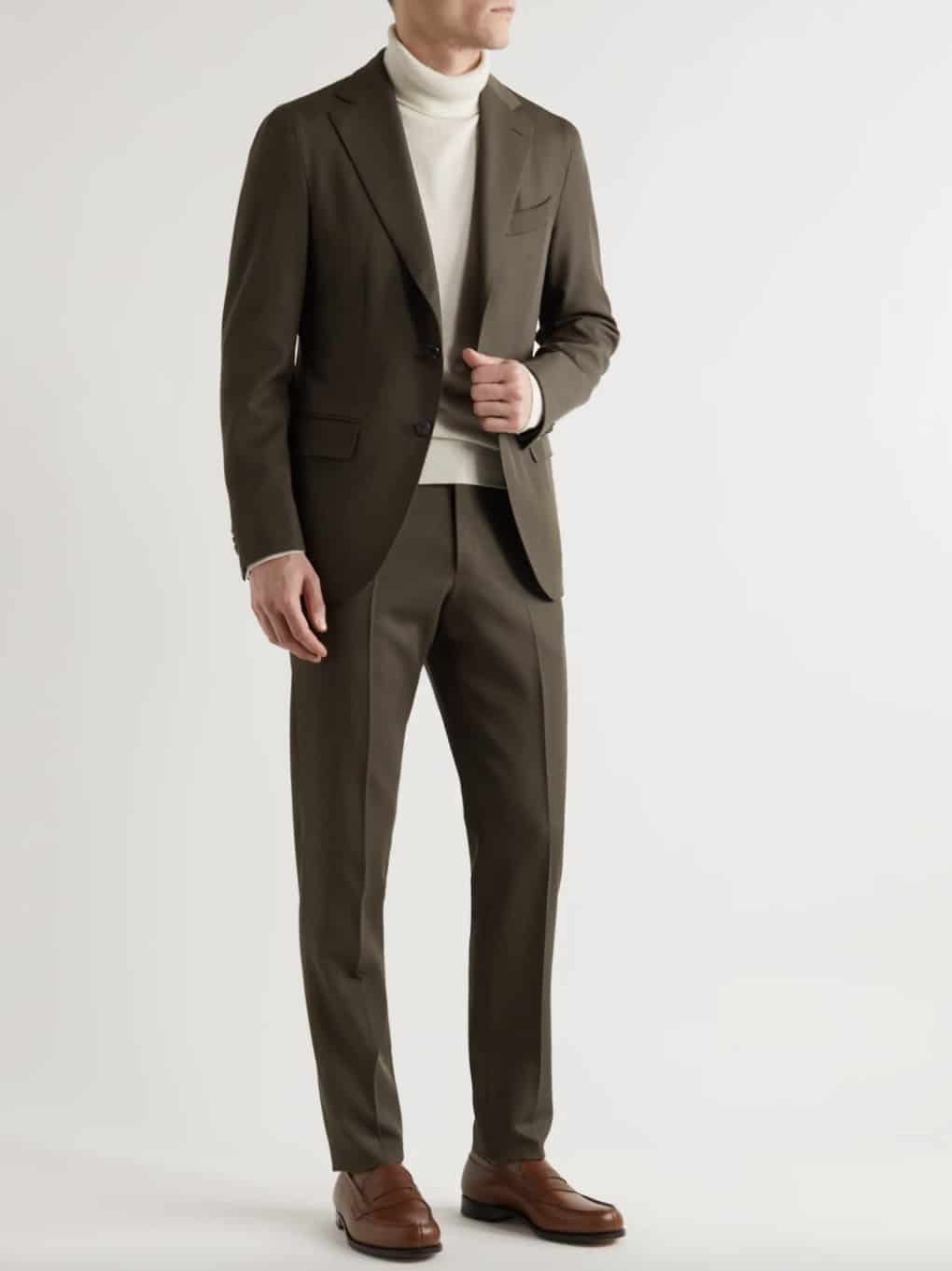
Occupying the middle ground between restrictive slim cuts and traditional classic silhouettes, the modern fit offers a balanced profile prized for its comfort and refined appearance. Ideal as an entry-level garment for those transitioning away from casual wear, this style provides sharp lines without sacrificing ease of movement. When purchasing a modern-fit suit, buyers are advised to exercise caution regarding extremely high "Super" wool numbers. While higher numbers denote finer, softer fibers, they also correlate with increased wrinkling and reduced durability, making a Super 100s fabric a superior choice for everyday wear.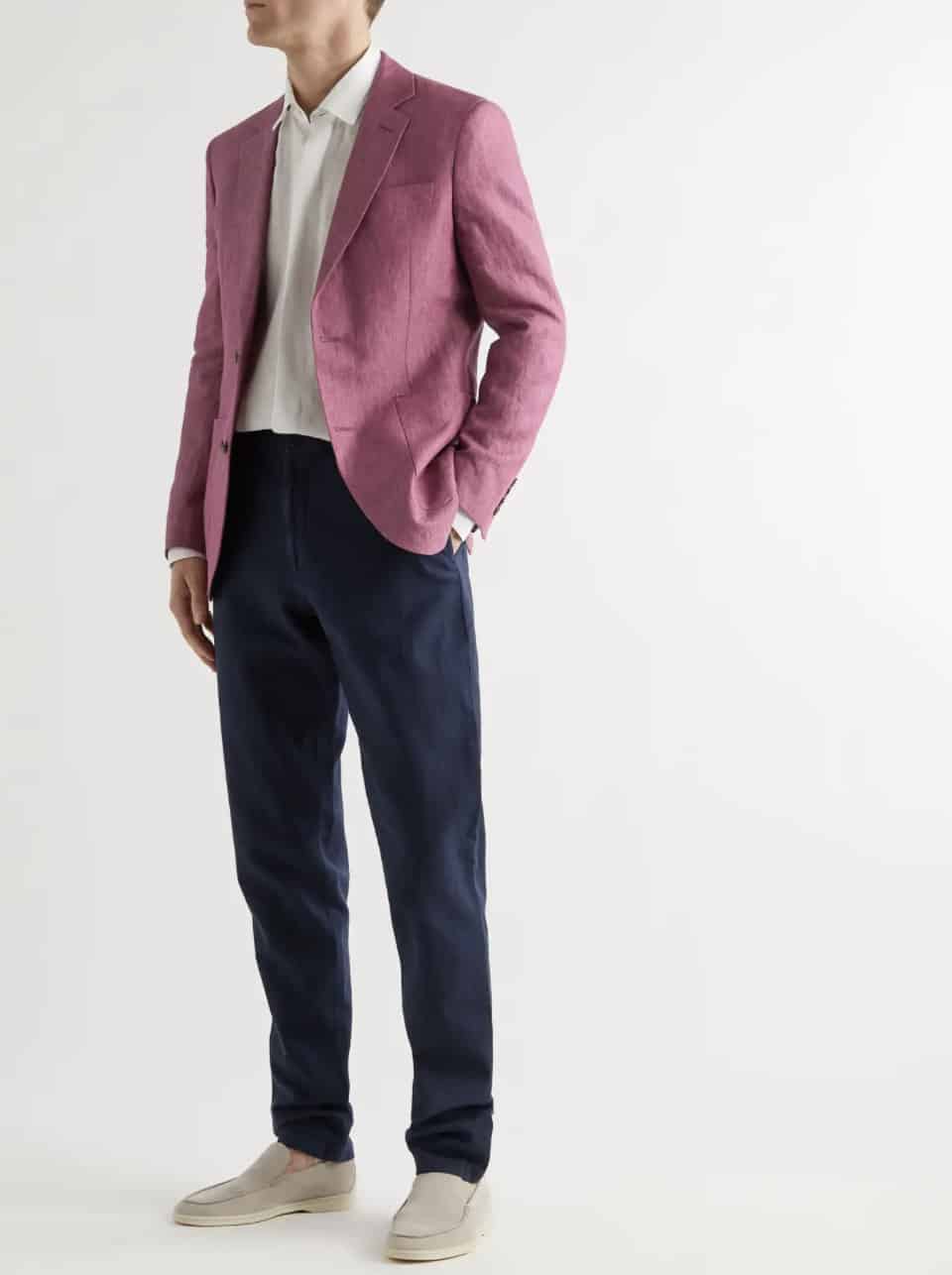
Jacket Construction and Breathability: Unstructured Blazers
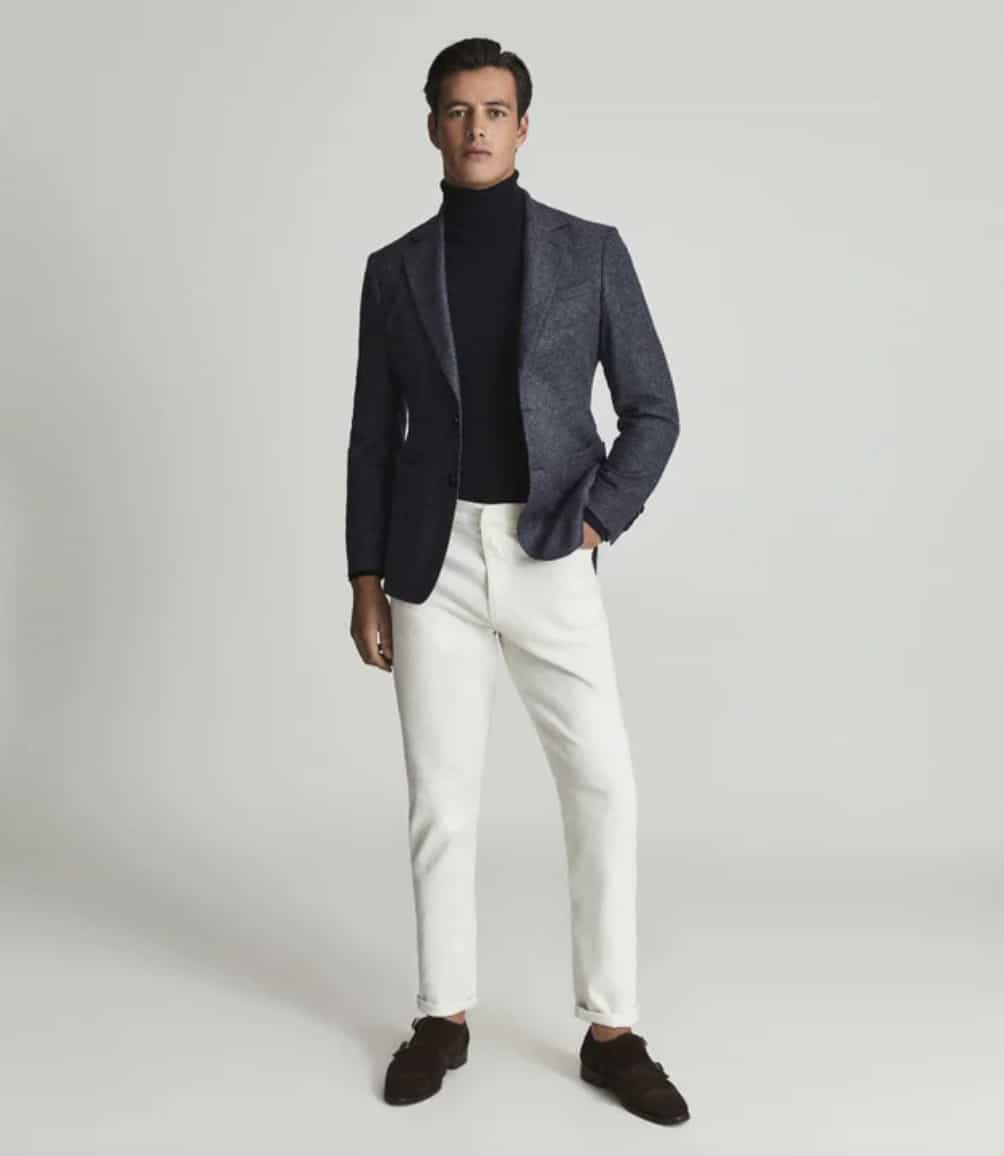
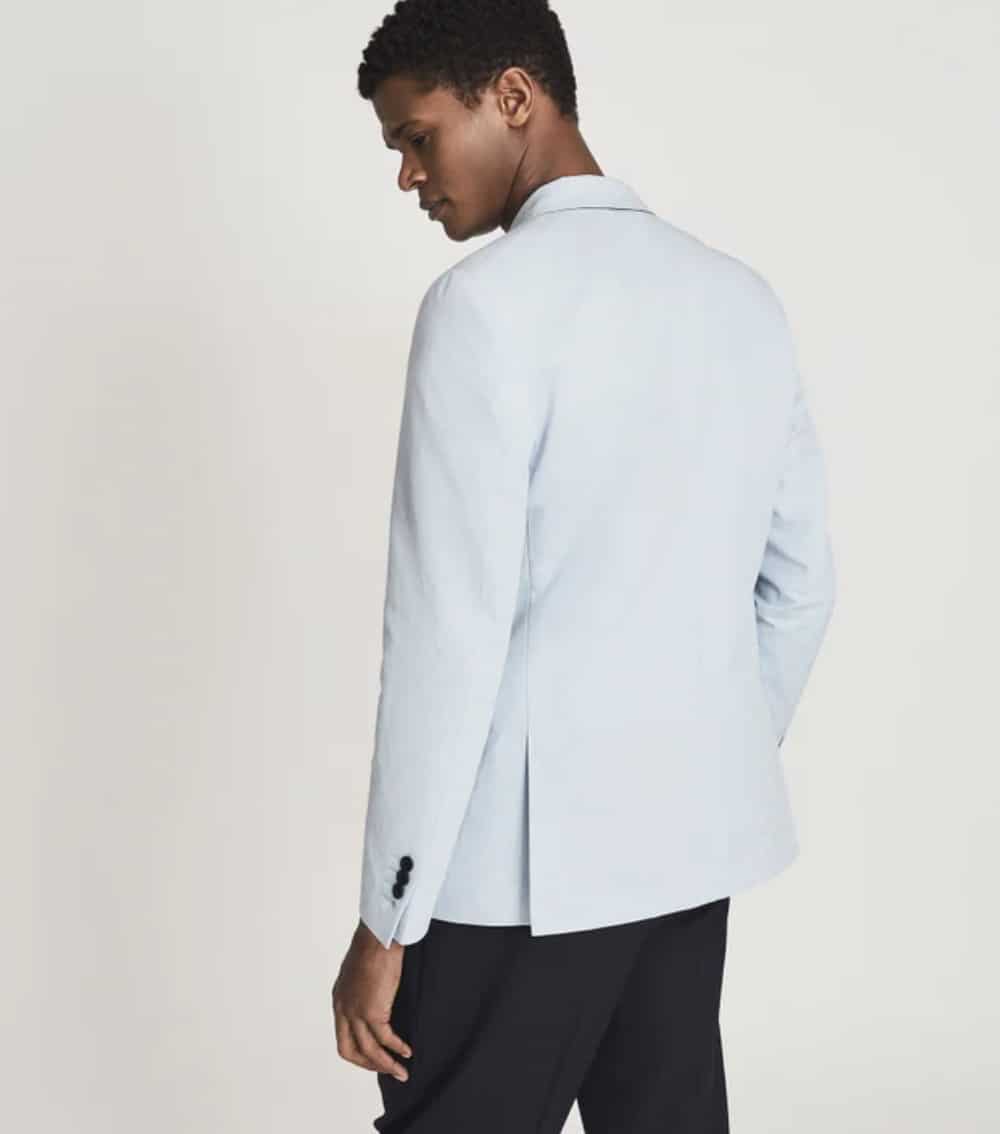
Beyond the overall silhouette, internal construction plays a decisive role in a garment’s comfort and seasonal appropriateness. Unstructured blazers eliminate traditional canvas padding and heavy interior linings, creating a relaxed drape inspired by classic Mediterranean and Riviera tailoring. These lightweight jackets pair naturally with earth tones and pastels, complementing warm-weather wardrobes. To maximize airflow during elevated temperatures, manufacturers utilize open-weave textiles such as hopsack, seersucker, and linen, bypassing tightly woven twills and synthetic fibers that trap heat and restrict ventilation.
Anatomy of Elegance: Lapel Variations
The lapel acts as the focal point of a suit jacket, communicating the garment’s intended level of formality.
Notch Lapels
Defined by a visible triangular indentation where the collar meets the lapel, the notch lapel is predominantly found on single-breasted jackets. It represents the most common and versatile lapel style, functioning reliably across business and social settings.
Shawl Lapels
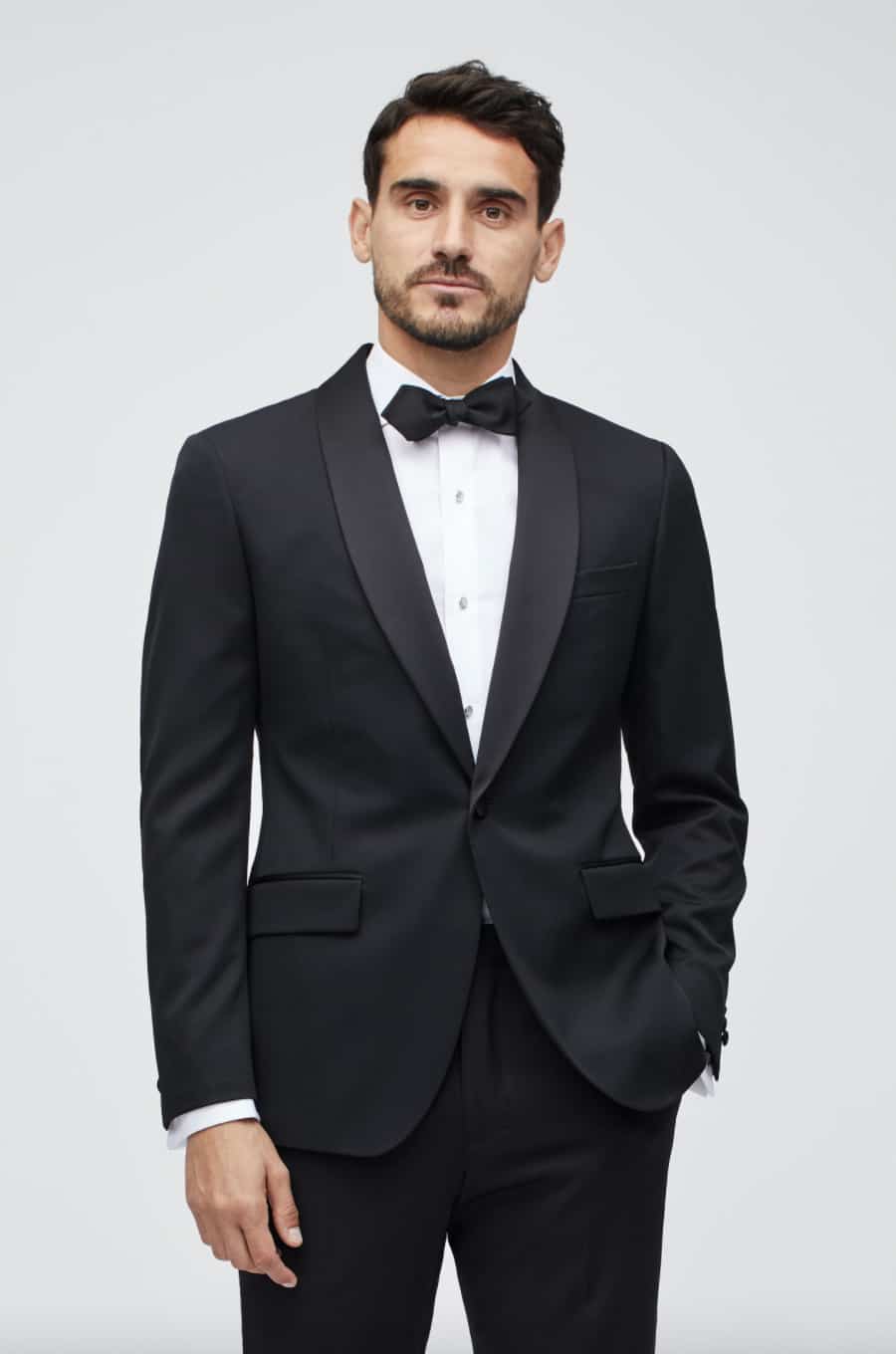
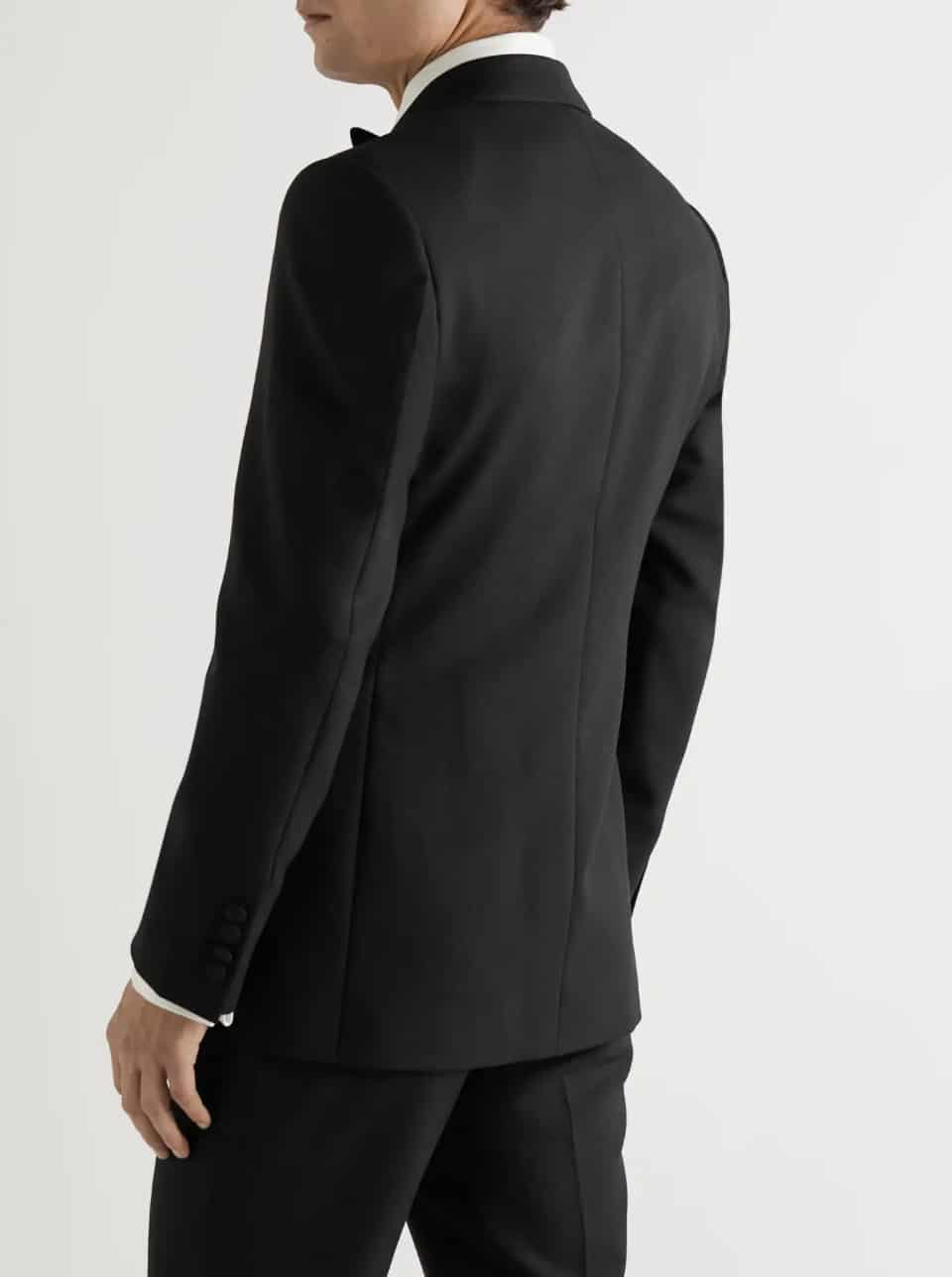
Exclusively reserved for peak formalwear, the shawl lapel features a continuous, rounded curve without notches or peaks. It is the hallmark of traditional black-tie tuxedos, making it the definitive choice for galas, high-profile evening events, and formal wedding receptions.

Peak Lapels
Characterized by sharp upward-pointing edges that extend toward the shoulders, peak lapels sit just beneath shawl lapels on the formality scale. While traditionally associated with double-breasted suits and formal evening wear, contemporary styling permits slim-cut peak lapel jackets to be dressed down for creative evening events.
Front Fastenings: Single-Breasted vs. Double-Breasted
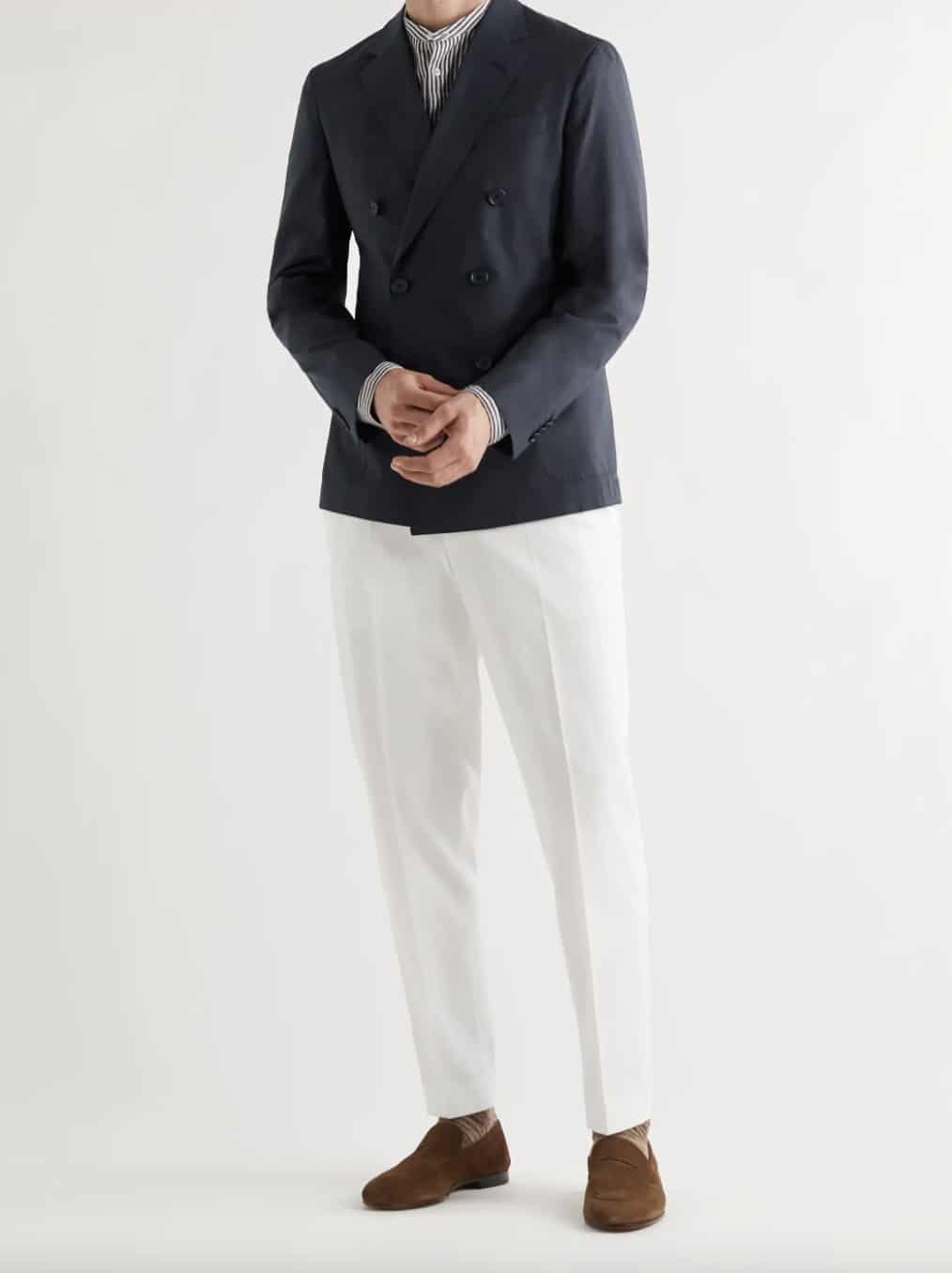
The method by which a jacket fastens defines its structural geometry. The single-breasted suit utilizes a single vertical column of one to three buttons, presenting a clean, streamlined aesthetic that anchors modern menswear. Conversely, the double-breasted suit features a wide overlap of fabric and two parallel columns of buttons. Although historically viewed as strictly formal, a dark grey or midnight blue double-breasted suit crafted from a subtle mohair-blend fabric offers unmatched swagger and versatility, transitioning smoothly from corporate settings to cocktail attire when tailored with a trim, shortened jacket length.
Vents and Mobility: Managing the Slits
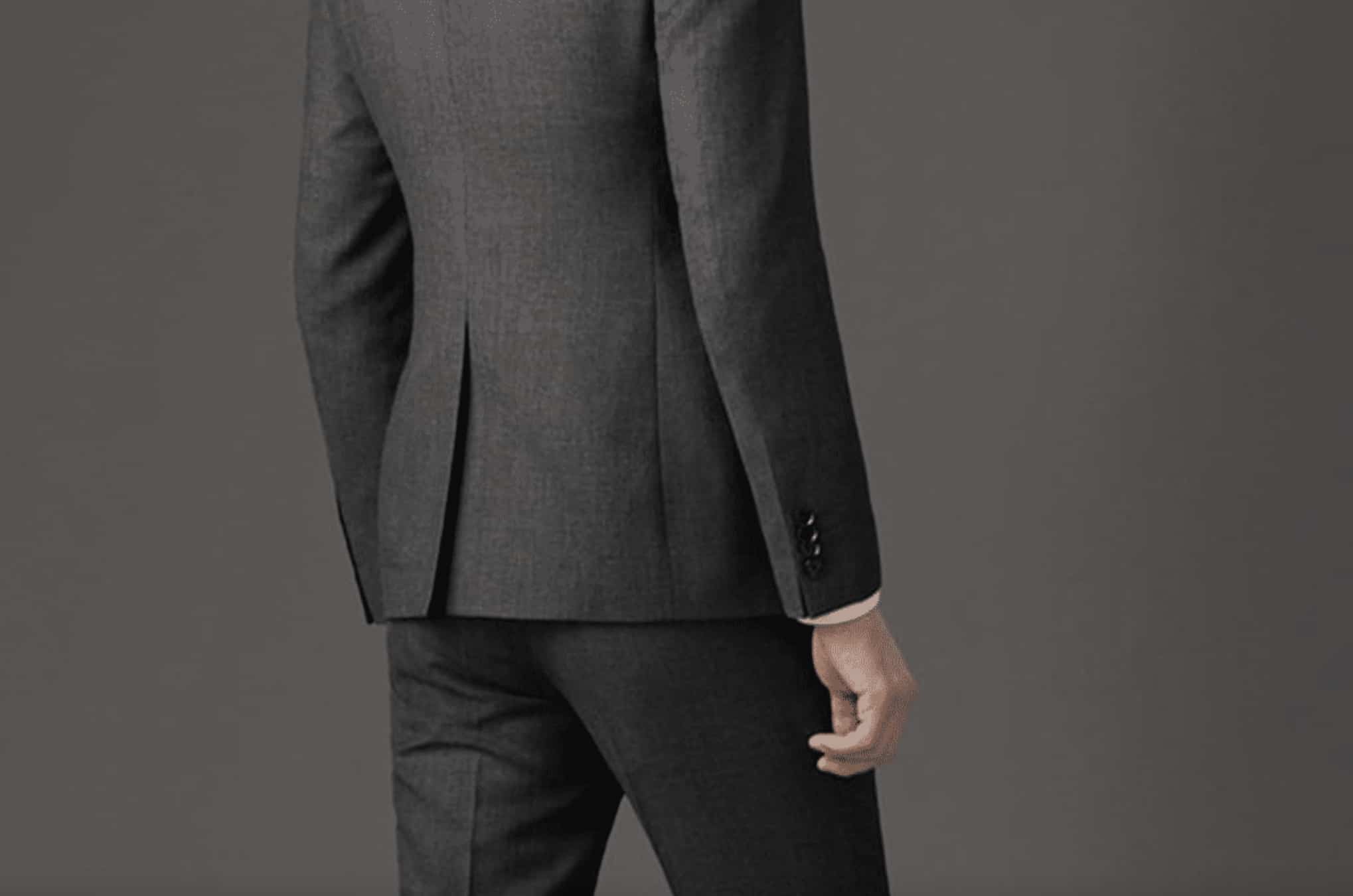
The vent—the vertical slit located at the lower back of a suit jacket—is a functional feature designed to enhance mobility and prevent the fabric from bunching when sitting or moving.
- Single Vent Suits: Featuring a single slit in the center of the back, this traditional design offers a clean profile but can expose the seat when the wearer’s hands are in their pockets.
- Double Vent Suits: Featuring dual slits on either side of the back seam, this style has become the modern standard across high-end tailoring. It provides superior movement and ensures the jacket maintains its drape over the trousers.
- No-Vent Suits: Popularized by traditional Italian tailoring and often utilized on sleek tuxedo jackets, no-vent styles offer an ultra-clean aesthetic but restrict movement and require meticulous maintenance to avoid unsightly creasing.
Trouser Design: Flat Front vs. Pleated
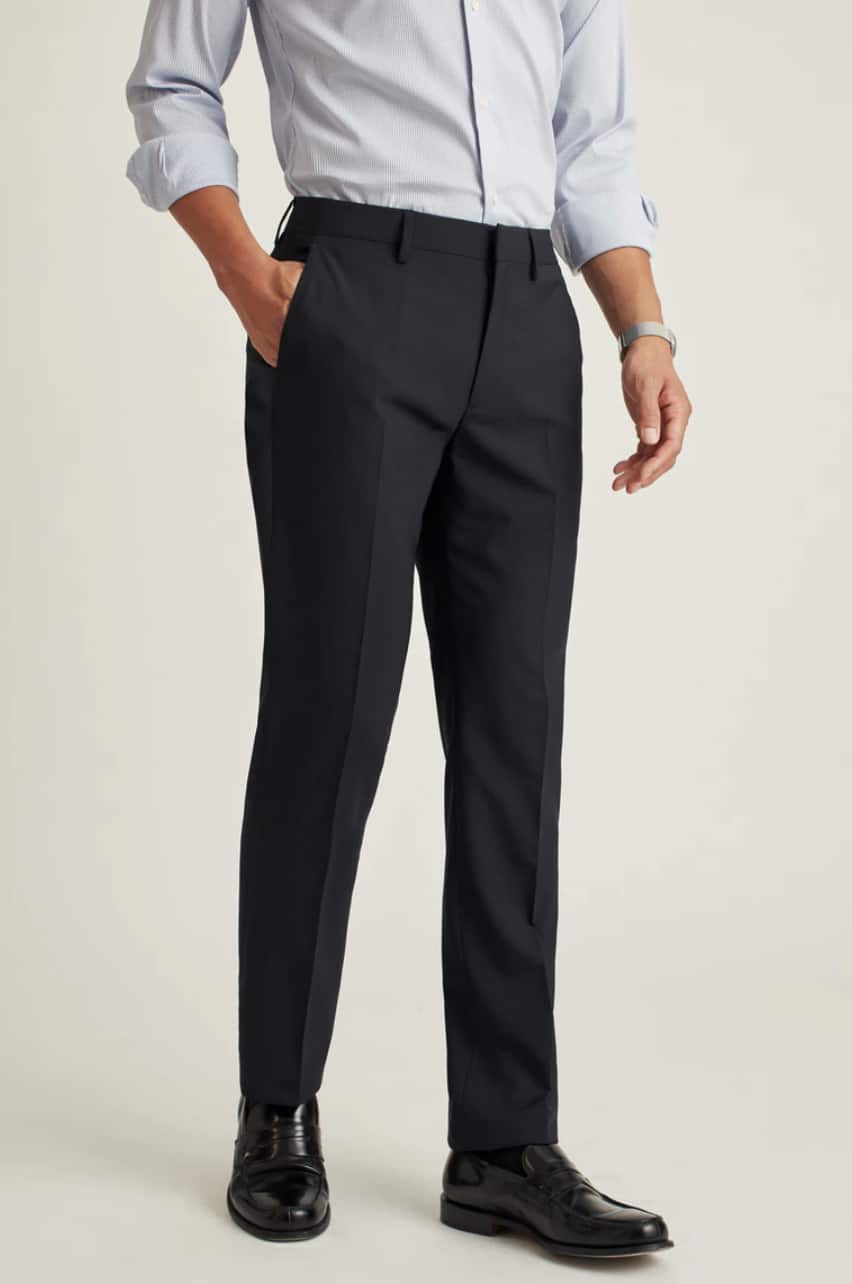
Trouser construction dictates both the comfort and the silhouette of the lower half of a suit. Flat-front trousers provide a sleek, streamlined appearance with no fabric folds at the waistband, making them the prevailing choice in contemporary tailoring. However, they are less forgiving on various body shapes. In contrast, pleated trousers—featuring fabric folds gathered at the waistband—have experienced a major resurgence driven by retro style revivals. Pleats offer enhanced comfort and superior room across the hips and abdomen, making them an excellent choice for individuals prioritizing relaxed wearability.
Pocket Detailing and Versatility
The choice of pocket construction directly influences whether a jacket reads as strictly formal or smart-casual.
- Patch Pockets: Stitched onto the exterior of the jacket, patch pockets instantly dress down a garment, making them ideal for unlined summer blazers, separates, and tie-free weekend outfits.
- Flap Pockets: Featuring an exterior fabric flap covering the pocket opening, this is the most common and versatile design, bridging the gap between formal boardrooms and evening social settings.
- Jetted Pockets: Cut entirely into the lining of the jacket with a clean, welted opening, jetted pockets offer the highest level of formality and are standard on tuxedo jackets and formal evening wear.
Frequently Asked Questions
What are the main different types of suits?
The three primary fit categories are the slim fit, modern fit, and classic fit. Beyond silhouette, differentiating factors include lapel style, button configuration, vent placement, trouser pleats, and pocket construction.
What is the best suit for a wedding?
Wedding attire depends entirely on the stated dress code. Black-tie events require a black tuxedo with a shawl or peak lapel, whereas standard daytime or evening receptions call for a dark navy or charcoal grey two-piece suit.
What is the best suit for a funeral?
A solid black suit remains the traditional standard for funerals, though dark charcoal grey and deep navy suits are widely accepted alternatives depending on the season and personal preference.
What is a 5-piece suit?
A 5-piece suit represents the pinnacle of formal menswear, encompassing a matching jacket, trousers, waistcoat (vest), dress shirt, and coordinated tie or bow tie.