










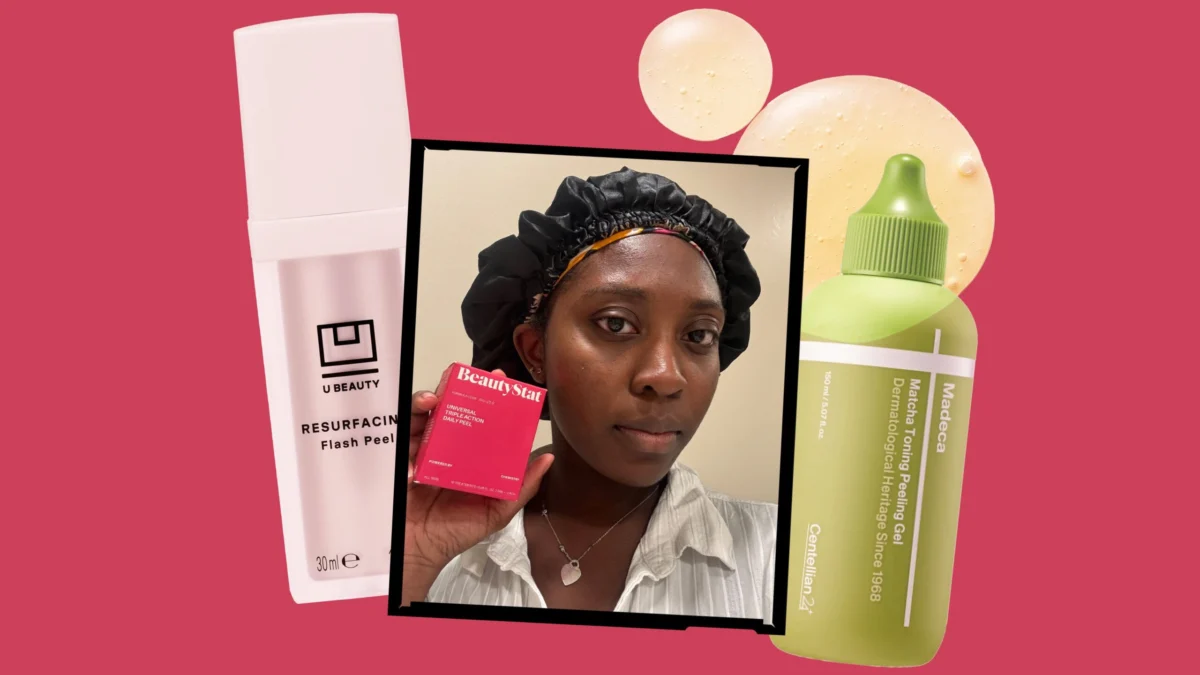
Chemical face peels, often referred to as exfoliating acid masks, represent a sophisticated approach to skin rejuvenation. These treatments operate by penetrating the superficial layers of the skin, effectively dissolving the intercellular bonds that hold dead skin cells together. This process not only sloughs away accumulated dead skin but also crucially stimulates the skin’s natural regenerative processes, including the production of collagen and elastin – the vital proteins responsible for skin’s firmness, elasticity, and youthful appearance. Dr. Shereene Idriss, a board-certified dermatologist based in New York City, explains, "Chemical face peels, a.k.a. exfoliating acid masks, work by penetrating the outer layers of the skin, breaking down the bonds between dead skin cells and stimulating the production of collagen and elastin." The majority of chemical peels available for at-home use are designed as superficial treatments. This means they are generally safe and appropriate for individuals to use without the direct supervision of a dermatologist or licensed esthetician, offering a accessible method for enhancing skin texture and tone.
The efficacy of at-home chemical peels largely hinges on the types of exfoliating acids they contain. Dermatologists commonly recommend products formulated with alpha hydroxy acids (AHAs) and beta hydroxy acids (BHAs). Glycolic acid and lactic acid are prominent examples of AHAs, known for their ability to exfoliate the skin’s surface and improve hydration. Salicylic acid, a BHA, possesses the unique ability to penetrate pores, making it particularly effective for managing acne and congestion. "At-home chemical peels typically rely on AHAs (alpha hydroxy acids) like glycolic and lactic acid or a BHA (beta hydroxy acid) like salicylic acid to exfoliate the skin," states Dr. Mamina Turegano, a board-certified dermatologist in New Orleans. For individuals seeking a gentler approach, formulations incorporating fruit enzymes offer a milder yet still effective exfoliating experience. "More gentle peels will include fruit enzymes," Dr. Turegano adds. However, it is imperative to exercise caution regarding more potent chemical agents. Dr. Turegano strongly advises against the use of phenol peels in a home setting. Phenol peels are considered very intense and are strictly reserved for in-office treatments administered by trained medical professionals due to the significant risks associated with improper application, including potential for scarring and adverse pigmentary changes.
Tailoring Your Chemical Peel: Ingredient Selection for Specific Skin Concerns
The effectiveness and suitability of a chemical peel are intrinsically linked to its active ingredients, which must be carefully selected to address individual skin types and concerns. "Not all exfoliating acids are created equal. After all, who among us has the same skin concerns? When looking for an exfoliating acid product, it’s important to find the right one(s) for your skin type and needs," emphasizes Dr. Idriss. Understanding the properties of different exfoliating acids allows consumers to make informed choices.
Alpha Hydroxy Acids (AHAs):
- Glycolic Acid: Derived from sugarcane, glycolic acid has the smallest molecular size among AHAs, allowing it to penetrate deeply into the skin. It is highly effective at exfoliating dead skin cells, improving skin texture, reducing the appearance of fine lines and wrinkles, and brightening the complexion. It is often recommended for those seeking to address signs of aging and hyperpigmentation.
- Lactic Acid: Derived from milk, lactic acid is a larger molecule than glycolic acid, making it a gentler exfoliant. It not only exfoliates but also possesses hydrating properties, as it can help attract and retain moisture in the skin. Lactic acid is an excellent choice for individuals with dry or sensitive skin who want to improve texture and radiance without significant irritation.
- Mandelic Acid: Derived from bitter almonds, mandelic acid is another AHA with a larger molecular size, making it particularly gentle. It is often recommended for individuals with sensitive skin, rosacea, or acne, as it has anti-inflammatory and antibacterial properties.
Beta Hydroxy Acids (BHAs):
- Salicylic Acid: This is the most common BHA used in skincare. Unlike AHAs, which are water-soluble, salicylic acid is oil-soluble. This unique property allows it to penetrate into the pores, dissolving sebum and dead skin cells that can lead to acne breakouts. It is a cornerstone ingredient for treating blackheads, whiteheads, and inflammatory acne. Its anti-inflammatory properties also help to calm redness associated with blemishes.
Enzymatic Exfoliants:
- Papain (from papaya) and Bromelain (from pineapple): These fruit-derived enzymes offer a very mild form of exfoliation by breaking down the keratin protein in dead skin cells. They are an excellent alternative for individuals with extremely sensitive skin or those who experience irritation from acid-based peels.
When selecting an at-home chemical peel, consumers should consider their primary skin concerns. For concerns like dullness, uneven tone, and fine lines, AHAs like glycolic or lactic acid might be the most suitable. For those battling acne, clogged pores, and oily skin, salicylic acid is often the preferred choice. For individuals with highly sensitive skin or conditions like rosacea, gentler AHAs like mandelic acid or enzymatic exfoliants are generally recommended. It is also advisable to start with lower concentrations of active ingredients and gradually increase as the skin builds tolerance.
The Crucial Post-Peel Protocol: Aftercare for Optimal Healing and Results
Proper aftercare following a chemical peel is paramount to ensuring effective healing, minimizing the risk of complications, and maximizing the desired results. Dermatologists emphasize a multi-faceted approach that begins even before the peel is applied.
Pre-Peel Preparation:
Dr. Turegano suggests preparing the skin in the week leading up to a chemical peel. "For a week leading up to a chemical peel, Dr. Turegano finds it helpful to use a gentle exfoliant so that your skin can better absorb the ingredients during the chemical peel," she advises. This pre-conditioning can enhance the penetration of the peel’s active ingredients, leading to a more uniform and effective treatment. Furthermore, incorporating ingredients that bolster the skin’s overall health can create a more resilient canvas for the peel. "I would also use ingredients to improve your skin’s health, like vitamin C serums and peptide serums," Dr. Turegano recommends. Vitamin C is a potent antioxidant that can help protect the skin from environmental damage and support collagen synthesis, while peptide serums can aid in skin repair and firming.
Post-Peel Essentials:
The most critical aspect of post-peel care is rigorous sun protection. The skin becomes more vulnerable to UV damage after a peel, as the outermost protective layer has been exfoliated. "After a peel, protecting your skin with a broad-spectrum SPF 30 (or higher) is essential," states Dr. Kim. He further elaborates on the importance of consistent sun protection: "It’s important to use sunscreen every day when you’re going to use acids regularly, so your skin doesn’t feel more sensitive to the sun." Limiting direct sun exposure is also highly recommended. "It’s best to avoid the sun as much as possible the next day, and you should probably skip a peel before heading to the beach or on a sunny vacation." This cautionary advice highlights the potential for increased photosensitivity and the risk of sunburn or post-inflammatory hyperpigmentation if the skin is exposed to intense sunlight immediately after treatment.
Regarding moisturization, while specialized barrier creams are often marketed for post-peel use, dermatologists generally agree that a good quality regular moisturizer is sufficient for most individuals. "And while they’re all the rage right now, he says you don’t necessarily need specific barrier cream after your peel and that a regular moisturizer suffices," Dr. Kim notes. For those with drier skin, a slightly thicker moisturizer can provide enhanced comfort and hydration. "Dr. Turegano recommends a thicker moisturizer if you have one on hand," she says. Additionally, reintroducing reparative serums can support the skin’s recovery process. "and also encourages the use of peptide or growth factor serums," Dr. Turegano suggests. However, it is crucial to ensure compatibility: "but it’s important to check your peel’s box or label to make sure these serums won’t interact with the peel you used."
What to Avoid:
To prevent over-exfoliation and excessive irritation, a period of abstinence from other active skincare ingredients is necessary. "All of our experts generally advise avoiding retinol, AHAs, BHAs, and physical exfoliants for a few days following the use of a chemical peel to avoid excess irritation," the article states. The duration of this avoidance period can vary. "This timeline can vary from person to person and is also dependent on the type of peel," Dr. Turegano clarifies, underscoring the need for personalized assessment and adherence to product-specific instructions.
Expert Insights and Methodologies: Ensuring Quality and Trust
The insights provided in this comprehensive guide are drawn from the expertise of leading dermatologists and a rigorous testing and review process conducted by Allure.
Meet the Experts:
The dermatologists contributing to this article are recognized authorities in their fields, bringing a wealth of knowledge and clinical experience to the discussion of chemical peels. Their professional backgrounds and affiliations lend significant credibility to the advice and recommendations offered.
Allure’s Testing and Review Process:
Allure employs a meticulous methodology for testing and reviewing beauty products, aiming to provide consumers with reliable and actionable information. This process involves a multi-pronged approach:
- Ingredient Scrutiny: A thorough examination of product ingredients is conducted to assess their efficacy, safety, and suitability for intended use. This often involves consulting scientific and medical literature.
- Brand Claim Verification: Cosmetic claims made by brands are critically evaluated against scientific evidence and product performance.
- Expert Consultation: Board-certified dermatologists, cosmetic chemists, and other medical professionals play a vital role in vetting ingredients and formulations, ensuring that the recommendations are grounded in scientific understanding and clinical practice.
- In-Depth Product Testing: Every product included in a review undergoes hands-on testing by Allure’s editorial team and external testers. Performance is evaluated across key categories such as product ingredients and efficacy, packaging, fragrance, texture, and overall wear experience.
This rigorous testing framework, combined with the input of medical experts, ensures that the information presented is not only informative but also trustworthy and relevant to consumer needs.
Diversity in Testing and Staff:
Recognizing that beauty is personal and diverse, Allure prioritizes a comprehensive testing approach that reflects a wide range of consumer demographics and concerns. The editorial team and external testers represent a broad spectrum of ages, skin tones, hair textures, genders, and backgrounds. This commitment to diversity ensures that product recommendations are equitable and can be fairly assessed for their effectiveness across different individuals. For instance, evaluating a skincare product for mature skin necessitates input from individuals within that age group, just as assessing a haircare product for curls requires testing by individuals with that specific hair texture. This inclusive approach is fundamental to Allure’s mission of helping consumers find products they will genuinely love and that meet their unique needs.
The principles and practices outlined by these experts and the rigorous testing methodologies employed by publications like Allure underscore the importance of informed decision-making when incorporating chemical peels into a skincare regimen. By understanding how these treatments work, selecting appropriate ingredients, and diligently following aftercare instructions, individuals can safely and effectively leverage chemical peels for enhanced skin health and appearance.