





The modern wedding, a deeply personal celebration of love and commitment, is increasingly becoming a reflection of broader societal values, particularly those concerning environmental stewardship and social responsibility. As couples meticulously plan their momentous day, a growing number are extending their ethical considerations beyond the guest list and catering to the very garments they wear, seeking wedding attire that aligns with their morals regarding people, the planet, and animal welfare. This shift represents a significant evolution in the bridal industry, moving away from conventional, often resource-intensive practices towards a more sustainable and equitable future. The challenge, often daunting, lies in identifying genuinely ethical options amidst a complex global supply chain, a task made simpler by dedicated platforms like Good On You, which rigorously assesses brands for their transparency and impact.
The Ethical Imperative: Why Sustainable Weddings Matter
The fashion industry, particularly fast fashion, is notorious for its significant environmental footprint and often questionable labor practices. It contributes substantially to global pollution, textile waste, and carbon emissions, while workers in its supply chains frequently face exploitative conditions. When translated to the wedding industry, these concerns are amplified by the often "single-use" nature of bridal garments and accessories. A wedding dress, typically worn once, can embody a substantial resource investment, from raw material cultivation (e.g., silk, cotton, synthetic fibers) and manufacturing processes to transportation and eventual disposal.
According to various environmental reports, the global fashion industry is responsible for an estimated 8-10% of global greenhouse gas emissions, more than all international flights and maritime shipping combined. Textile waste is a colossal problem, with millions of tons ending up in landfills annually, where synthetic fibers can take hundreds of years to decompose, releasing microplastics into the environment. Natural fibers, when treated with dyes and chemicals, can also contaminate soil and water. Beyond environmental concerns, the human cost is equally pressing. Many garment workers, predominantly women in developing countries, are paid below living wages, work in unsafe conditions, and lack basic rights.
Weddings, while joyful occasions, can inadvertently contribute to these issues through choices like plastic confetti, single-use decorations, and, critically, clothing produced without ethical oversight. For couples whose daily lives are guided by principles of sustainability and fairness, the prospect of their most significant celebration contradicting these values can be deeply unsettling. Choosing an ethical wedding outfit, therefore, becomes a powerful statement, transforming a personal decision into an act of conscious consumption that champions a more responsible industry.
Evolution of Conscious Bridal Fashion: A Timeline of Trends
The journey towards sustainable wedding fashion has been a gradual but accelerating one, mirroring the broader rise of environmental consciousness in the consumer market. Historically, wedding attire was often a significant family heirloom, passed down through generations or meticulously crafted by local artisans, embodying a form of inherent circularity. The industrial revolution and subsequent globalization, however, ushered in an era of mass production, making new, affordable garments readily available and fostering a culture of disposability.
Early 2000s: The nascent stages of the sustainability movement saw "eco-friendly" weddings emerge as a niche concept, often characterized by DIY aesthetics, locally sourced elements, and a focus on reducing waste through choices like potted plant favors instead of cut flowers. Bridal attire, however, remained largely conventional, with sustainable options limited to a handful of independent designers using organic cotton or recycled materials. The emphasis was more on minimalist aesthetics than certified ethical production.
2010s: As awareness of fast fashion’s impact grew, driven by documentaries and activist movements, the demand for ethical clothing began to expand. This decade saw the rise of specialized online marketplaces for vintage and pre-owned wedding dresses, making circular options more accessible. Designers started experimenting with innovative, lower-impact materials like bamboo silk, Tencel, and recycled synthetics. Brands began to communicate their sourcing and production methods, albeit often without independent verification. The term "ethical fashion" gained traction, encompassing fair labor practices alongside environmental concerns.
2020s and Beyond: The current era is marked by a significant acceleration in mainstream interest and the proliferation of genuinely sustainable options. Platforms like Good On You provide comprehensive, independent ratings, empowering consumers with transparent information. Major bridal brands are now incorporating sustainability into their collections, and a new generation of designers is building their entire business model around ethical principles. Innovations like made-to-order production, custom sizing to reduce waste, and advanced material science are becoming more common. The concept of "circularity" is now central, with an increased focus on designing for longevity, repairability, and end-of-life solutions. This period also sees a greater integration of social justice within sustainability, ensuring fair wages, safe working conditions, and community empowerment are integral to the production process.
The Secondhand Solution: A Timeless and Sustainable Choice
In the hierarchy of sustainable fashion choices, opting for pre-existing garments consistently ranks as the most environmentally beneficial. By choosing vintage or secondhand wedding attire, couples drastically reduce the demand for new production, conserving resources, minimizing waste, and avoiding the carbon emissions associated with manufacturing. This approach is not merely about environmental impact; it also offers distinct aesthetic and financial advantages.
Vintage gowns and suits often boast unique designs, intricate detailing, and superior craftsmanship that are rare in contemporary mass-produced garments. They carry a history, imbuing the wedding day with a sense of timelessness and individuality. For budget-conscious couples, secondhand options can represent significant savings, allowing resources to be reallocated to other aspects of the wedding or even post-nuptial life.
The market for pre-owned wedding attire has flourished, offering diverse avenues for discovery:
- In-person Boutiques: Charity shops, thrift stores, and dedicated vintage bridal boutiques provide the invaluable opportunity to physically inspect fabrics, try on garments, and experience the unique charm of older pieces. Many such boutiques also contribute to charitable causes, adding another layer of ethical benefit.
- Online Marketplaces: Platforms like Stillwhite, Nearly Newlywed, and pre-loved sections on designer websites have revolutionized access to secondhand bridal wear. These sites connect sellers and buyers globally, offering an extensive selection of styles, sizes, and price points, from designer gowns to more casual dresses.
- Rental Services: For those who prefer a temporary commitment, wedding attire rental services are gaining popularity. This option provides access to high-end designer garments for a fraction of the purchase price, ensuring the garment is reused multiple times and reducing individual consumption.
"Choosing secondhand isn’t just an eco-conscious decision; it’s a creative one," states Dr. Eleanor Vance, a leading expert in circular fashion economics. "It allows for a unique expression of style while actively participating in the circular economy, reducing landfill waste, and valuing the craftsmanship of existing pieces. It’s a powerful statement that a wedding doesn’t have to come at the planet’s expense."
Curating Conscious Choices: Leading Sustainable Brands
When a pre-existing garment isn’t the desired option, or a specific style necessitates a new purchase, discerning couples can turn to a growing number of brands committed to ethical and sustainable production. These brands, meticulously vetted by independent rating systems like Good On You, offer transparency regarding their impact on people, the planet, and animals, allowing couples to make informed choices. Good On You’s rigorous methodology assesses brands across various criteria, including labor practices, environmental policies, and animal welfare, providing an objective framework for ethical consumerism.
More Sustainable Wedding Dresses
The market for ethical bridal gowns has expanded significantly, offering diverse styles from minimalist chic to bohemian elegance, all crafted with a conscience.
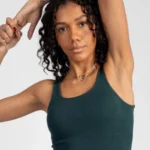
- Christy Dawn: This US-based brand earns a "Great" rating for its commitment to sustainability. Specializing in vintage-inspired women’s clothing, Christy Dawn predominantly uses surplus (deadstock) fabrics, materials that would otherwise be discarded by larger fashion houses. This practice significantly reduces waste and the demand for new textile production. Their garments are locally made, further minimizing transportation footprints and supporting local economies. Available in standard sizes XS-XL, with extended and petite collections, Christy Dawn offers accessible sustainable luxury.
- Reformation: An LA-based pioneer in sustainable fashion, Reformation is celebrated for its "killer clothes that don’t kill the environment." The brand prioritizes fair labor, ensuring a proportion of its suppliers pay a living wage and providing training to improve working conditions across its supply chain. Reformation is transparent about its environmental impact, using lower-impact materials and investing in sustainable manufacturing processes. Their range, available in sizes XS-3XL, offers stylish, contemporary designs for the eco-conscious bride.
- Whimsy + Row: Born from a love for quality goods and responsible practices, Whimsy + Row, a US-based lifestyle brand, exemplifies sustainable production. They utilize deadstock fabrics and employ short production runs to minimize waste. The brand also focuses on reducing packaging waste and carefully managing water resources throughout its operations. With most products available in XS-XL and an extended sizing range up to 3XL, Whimsy + Row merges style with a strong environmental ethos.
- OMNES: A UK-based brand, OMNES offers high-quality, responsible, and affordable womenswear. Their mission is to transform consumer habits and encourage broader industry change. By focusing on durable, timeless designs and ethical production, OMNES provides brides with elegant options that stand the test of time, proving that sustainability doesn’t have to come at a premium. Most items are available in sizes 6-20.
- SeamsFriendly: This brand takes customization to the next level, creating tailored pieces for all body types while focusing on function and utility. SeamsFriendly uses lower-impact materials such as organic cotton and linen. Uniquely, customers can customize designs to their exact preferences – altering neck style, depth, sleeve length, garment length, fabric, and more. This made-to-order approach significantly reduces waste associated with mass production and ensures a perfect fit. Their extensive custom sizing (bust 26"-70", waist 19"-63" for womenswear; chest 34"-76" for menswear; and a kids’ range) champions inclusivity and sustainability.
- Dressarte Paris: Specializing in custom clothes, Dressarte Paris utilizes luxurious, lower-impact materials, frequently sourced from surplus supplies. Their made-to-order model ensures that each garment is created specifically for the customer, eliminating excess inventory and textile waste. Brides can choose from existing sizes or provide their own measurements, guaranteeing a flawless fit and a truly personalized, sustainable wedding dress. Dressarte Paris also offers styling experiences, further promoting thoughtful consumption.
More Ethical Wedding Suits
For grooms, groomsmen, or anyone opting for a suit, ethical choices are also abundant, combining sharp tailoring with a clear conscience.
- Facettes Studio: This Parisian brand focuses on "wardrobe essentials for the multifaceted woman," but its suit-centric collections offer excellent options. Facettes Studio uses upcycled materials and has banned polyester and polyamide from its lines, demonstrating a commitment to reducing synthetic fiber dependence. Their provision of a repairs and alterations service extends the lifespan of their garments, aligning with circular fashion principles. Find clothes in sizes FR 34-44.
- HERTH: An Italian lifestyle brand, HERTH combines sustainability and ethics with timeless aesthetics. Their design philosophy promotes slow fashion, creating contemporary pieces with clean silhouettes and meticulous attention to detail. Crafted by local Italian artisans using lower-impact materials, HERTH embodies effortless luxury that respects both people and the planet. The range is available in XS to 2XL.
- WILDA.ECO: Specializing in vegan fashion, WILDA.ECO champions minimalism, timeless design, and inclusive sizing. Their commitment to vegan materials means no animal products are used, addressing significant ethical concerns related to animal agriculture and its environmental impact. Personalizable for different heights, WILDA.ECO offers elegant, conscious choices for wedding suits.
- Neem: Hailing from the UK, Neem focuses on men’s clothing with a strong emphasis on a transparent supply chain and environmental safeguarding. They prioritize sustainable materials and ethical production processes, ensuring that their stylish suits and separates are made with minimal impact. Most items are available in sizes S-2XL.
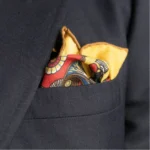
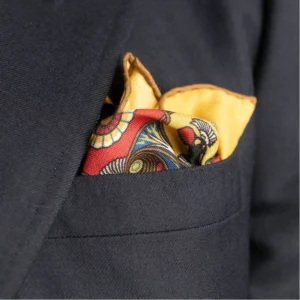
- CARPASUS: This Swiss menswear brand offers fine shirts, ties, socks, and pocket squares, all produced with a strong ethical foundation. CARPASUS uses GOTS (Global Organic Textile Standard) certified cotton, guaranteeing that the cotton is organic and processed in an environmentally and socially responsible manner. They manufacture locally to reduce their carbon footprint, trace their supply chain, and ensure workers are paid a living wage. Find most products in EU sizes 36-46.
More Sustainable Wedding Shoes, Bags, and Jewellery
The finishing touches to a wedding ensemble also present opportunities for ethical choices, from footwear to sparkling accessories.
- ESSÄN: Founded in response to fashion’s overproduction and trend-chasing, ESSÄN is a shoes and accessories brand that eschews the traditional fashion calendar. It limits its production runs and employs low-waste cutting techniques, focusing instead on a single, permanent collection of carefully crafted pieces. This approach prioritizes quality, longevity, and reduced environmental impact.
- Nisolo: This American brand is dedicated to prioritizing living wages throughout its supply chains, ensuring fair compensation for artisans. Beyond social responsibility, Nisolo actively works to combat climate change through its operations and materials sourcing. Their collection of shoes, available in EU sizes 35-42, offers stylish and ethically produced options for the wedding day.
- Mashu: A British vegan accessories label, Mashu specializes in handbags crafted with a strong environmental conscience. Its "Good" environmental rating reflects its use of vegan leather alternatives for exteriors and vegan suede made from recycled polyester for interiors. This ensures that style does not come at the cost of animal welfare or environmental degradation.
- HYER GOODS: Based in NY, HYER GOODS creates handmade leather goods, including handbags, wallets, and accessories, by upcycling "trash." By repurposing discarded materials, the brand eliminates the massive energy footprint typically required for cultivating land, livestock, crops, and fertilizers. This innovative approach simultaneously reduces waste sent to landfills, leading to less energy consumption, less pollution, and fewer greenhouse gases.
- FUTURA Jewelry: This New York-based brand stands out for its commitment to responsible jewellery. Each piece is handcrafted with mercury-free 18kt Certified Fairmined Ecological gold. This gold originates from the world’s only three certified Fairmined mines that extract gold without the use of toxic chemicals like mercury and cyanide, ensuring both environmental protection and fair labor practices for miners.
- Bario Neal: As a custom jewellery designer, Bario Neal creates handmade rings and fine jewellery with conflict-free diamonds and other gemstones. They prioritize lower-impact materials, including reclaimed precious metals, Fairmined gold, and ethically sourced stones. This dedication ensures that each uniquely designed piece not only sparkles beautifully but also tells a story of responsible sourcing and ethical craftsmanship.
- ARTICLE22: Every piece of ARTICLE22 jewellery is locally handcrafted in Laos using recycled materials from Vietnam War bombs, plane parts, military hardware, and other aluminum scraps. This brand embodies innovation by transforming remnants of conflict into beautiful, globally marketable products. It empowers local artisans with new skill sets and provides a sustainable source of income, while also contributing to clearing unexploded bombs in Laos and supporting community development. The range is available in sizes S-XL, offering a truly unique and impactful choice.
Beyond the Ceremony: Extending the Life of Wedding Attire
Even when purchasing new ethical attire, the spirit of sustainability encourages extending the garment’s life beyond the wedding day. This approach combats the "wear once" mentality prevalent in bridal fashion and aligns with circular economy principles.
- Re-styling and Re-purposing: A wedding dress can be altered into a cocktail dress, a skirt, or even a top. Dyeing a white dress a new color can completely transform its appearance, making it suitable for other formal occasions. Suits can be worn as separates, integrating jackets and trousers into a regular wardrobe.
- Donation and Resale: Many charities accept wedding dresses, which can then be sold to fund their programs or provide affordable options for other brides. Online marketplaces offer a platform for reselling, allowing the garment to find a second life and recoup some of the original investment.
- Gifting and Heirloom Creation: Passing down a dress or suit to a family member or friend for their wedding continues its story and sentimental value, fostering a tradition of reuse.
- Professional Cleaning and Preservation: Investing in professional cleaning and preservation ensures the garment remains in excellent condition, ready for future use or as a cherished keepsake.
- Rental Programs: If a brand offers a rental service, participating in it ensures the garment is utilized by multiple individuals, maximizing its lifespan and reducing its per-wear environmental impact.
These strategies not only minimize waste but also embed the values of sustainability into the very fabric of post-wedding life, proving that ethical choices can be both practical and profound.
Challenges and the Road Ahead
Despite the growth in sustainable wedding attire options, challenges remain. The initial cost of ethically produced garments can sometimes be higher than fast-fashion alternatives, reflecting fair labor wages and higher-quality, often innovative materials. Availability, while improving, may still require more dedicated research compared to conventional bridal shopping. Furthermore, consumer perception and ingrained traditions can sometimes favor new, mass-produced items over vintage or consciously crafted pieces.
However, the trajectory is clear. The demand for ethical and sustainable products is steadily increasing, driving innovation and expanding choices within the bridal industry. Continued consumer education, transparent brand communication, and the tireless work of organizations like Good On You will be crucial in further mainstreaming sustainable wedding attire. The ultimate implication is a paradigm shift: weddings are no longer just about celebrating love between two people, but also about celebrating a shared commitment to a healthier planet and a more equitable society. By choosing their attire consciously, couples are not only dressing for their special day but also investing in a more sustainable future for all.