










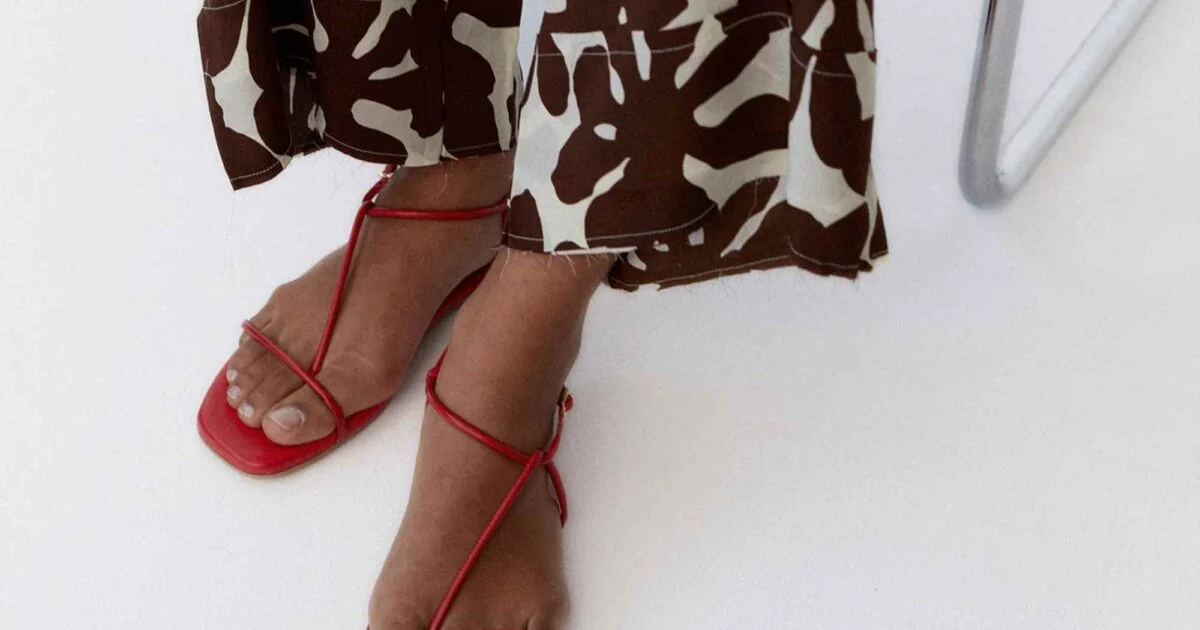
As the seasons shift and temperatures rise, the quest for the perfect summer sandal becomes a central theme in many wardrobes. However, for an increasingly conscious consumer base, the criteria extend far beyond aesthetics and comfort. The modern imperative is to find footwear that not only looks good and feels great but also demonstrably reduces its impact on people, the planet, and animals. This pursuit, while noble, presents a significant challenge in a fast-fashion dominated industry where transparency and genuine sustainability can be elusive. Our editors rigorously curate highly-rated brands, first assessed by our comprehensive ratings system, to help navigate this complex landscape. Purchases made through our links may earn us a commission, directly supporting the work we do to bring these insights to light.
The Imperative of Sustainable Footwear: A Global Perspective
The fashion industry, particularly footwear, carries a substantial environmental and social footprint. Annually, over 20 billion pairs of shoes are produced globally, with a significant portion ending up in landfills within a year. This rapid consumption cycle contributes to vast amounts of waste, greenhouse gas emissions, and resource depletion. Traditional shoe manufacturing often relies on resource-intensive materials like conventional leather, which is linked to deforestation, extensive water use, and the release of harmful chemicals during tanning. Synthetic materials, predominantly plastics like polyurethane (PU) and polyvinyl chloride (PVC), pose their own set of problems, derived from fossil fuels and persisting in the environment for centuries.
Beyond environmental concerns, the human cost of footwear production is equally critical. The global supply chain for shoes is often opaque, with labor practices in manufacturing hubs frequently falling short of international standards. Issues such as low wages, unsafe working conditions, child labor, and restricted freedom of association are unfortunately prevalent. A 2017 report by the Business & Human Rights Resource Centre, for instance, highlighted numerous allegations of human rights abuses in the footwear sector, underscoring the urgent need for greater transparency and ethical accountability.
However, a significant shift is underway. Consumer awareness regarding these issues has grown exponentially over the past decade. A 2020 study by NielsenIQ revealed that 73% of global consumers are willing to change their consumption habits to reduce their environmental impact. This burgeoning demand for ethical and sustainable products has spurred innovation and commitment from brands willing to challenge conventional production models. The global sustainable fashion market was valued at approximately USD 6.35 billion in 2022 and is projected to grow substantially, indicating a robust trend towards more responsible consumption.
Defining Sustainable and Ethical Sandals: Key Criteria for Conscious Choices
Identifying a truly sustainable or ethical sandal requires a holistic understanding of its lifecycle, from material sourcing to manufacturing and end-of-life. It’s a multi-faceted assessment that considers environmental impact, social responsibility, and animal welfare.
Materials Innovation:
The foundation of a sustainable sandal lies in its constituent materials. Brands committed to lower impact actively seek alternatives to conventional options:
- Lower-Impact Natural Materials:
- Cork: Harvested from the bark of cork oak trees without harming the tree, cork is a renewable, biodegradable, and lightweight material known for its comfort and natural cushioning. Its production also supports biodiversity.
- Responsibly Sourced Natural Rubber: Unlike synthetic rubbers derived from petroleum, natural rubber, when sourced responsibly (e.g., FSC-certified plantations), is a renewable resource. It offers excellent flexibility and durability.
- Organic Cotton and Hemp: These fibers require significantly less water and pesticides than conventional cotton and are known for their strength and breathability, often used for straps and linings.
- Recycled Materials: Embracing circular economy principles, many brands now incorporate recycled content.
- Recycled PET (rPET): Made from recycled plastic bottles, rPET is transformed into durable fabrics for straps and uppers, diverting plastic from landfills and oceans.
- Recycled Rubber and EVA: Repurposing post-industrial or post-consumer rubber and ethylene-vinyl acetate (EVA) foam for soles and footbeds reduces demand for virgin materials and minimizes waste.
- Innovative Vegan Alternatives: For consumers prioritizing animal welfare, the landscape of vegan leathers has evolved dramatically beyond petroleum-based synthetics.
- Plant-Based Leathers: Materials like grape leather (derived from wine industry waste), apple skin leather (from apple juice production waste), and pineapple leaf fiber (Piñatex) offer compelling alternatives with a significantly lower environmental footprint than traditional leather or many synthetic leathers. They are biodegradable and renewable.
- Mindful Synthetics: While some synthetic leathers still rely on plastics, brands are increasingly choosing bio-based polyurethanes (PU) or those free from harmful chemicals like PVC, phthalates, and azo-dyes, reducing their toxicity profile.
Ethical Manufacturing Processes:
Beyond materials, the manufacturing stage is critical. Sustainable brands prioritize:
- Energy Efficiency: Utilizing renewable energy sources (solar, wind) in factories to power production, significantly reducing carbon emissions.
- Water Conservation: Implementing closed-loop water systems and efficient dyeing techniques to minimize water consumption and prevent pollution.
- Chemical Management: Strict adherence to standards that prohibit the use of hazardous chemicals (e.g., aromatic amines, PCP, formaldehyde, chrome), safeguarding workers and the environment.
- Waste Reduction: Adopting practices like low-waste cutting techniques, made-to-order production models (which eliminate overproduction), and comprehensive recycling programs for manufacturing scraps.
Fair Labor and Transparency:
Ethical footwear production champions the well-being of workers throughout the supply chain. This includes:
- Living Wages: Ensuring that all employees, from raw material cultivators to factory workers, receive wages that cover their basic needs and provide a decent standard of living, going beyond minimum wage requirements.
- Safe Working Conditions: Providing healthy and secure environments, free from hazardous conditions, with appropriate safety training and equipment.
- Transparency: Openly disclosing supply chain information, from material origins to manufacturing facilities, allowing consumers and auditors to verify ethical claims. Certifications from organizations like Fair Trade further validate these commitments.
Circular Economy Principles and Longevity:
A truly sustainable product is designed for durability and its end-of-life.
- Durability and Repairability: High-quality construction and design ensure sandals last longer, reducing the need for frequent replacements. Brands that offer repair services or guidance further extend product life.
- End-of-Life Solutions: Exploring initiatives like take-back programs for recycling or repurposing old footwear, preventing them from ending up in landfills.
- Pre-loved Options: Actively promoting the second-hand market via resale platforms or local charity shops is one of the most impactful ways to reduce the environmental footprint of fashion consumption.
For consumers, navigating these criteria is made simpler by platforms like the Good On You directory, which rates brands based on their impact across People, Planet, and Animals. This allows individuals to quickly identify brands aligning with their specific values, whether it’s fair wages, vegan certification, or reduced environmental impact.
A Curated Selection: Leading Brands in Ethical Summer Sandals
To equip consumers for the warmer months, our editors have rounded up a selection of comfortable, trendy, and responsibly-made sandals. These brands exemplify a commitment to sustainability, offering diverse options from practical flip-flops to chic heeled styles and versatile slip-on flats.
ESSÄN
Founded in 2016 by Marre Muijs, ESSÄN stands as a poignant response to an industry often characterized by overproduction and fleeting trends. Muijs articulated her vision: "I founded ESSÄN in 2016 as a response to a fashion cycle that overproduces more than it carefully crafts, chases trends more than it determines classics, and wastes more than it sustains." The brand embodies a ‘slow fashion’ philosophy, consciously limiting its production runs and employing low-waste cutting techniques. By eschewing the traditional fashion calendar in favor of a single, permanent collection, ESSÄN promotes timeless design and encourages mindful consumption, offering elegant, minimalist sandals crafted for longevity.
See the rating. Shop ESSÄN.
Agazi
Hailing from Poland, Agazi is a dedicated vegan footwear brand that offers a diverse range of shoes, including sneakers, heels, flats, and, crucially, stylish sandals. Their commitment to animal welfare is unwavering, utilizing only non-animal-derived materials. Agazi is at the forefront of material innovation, incorporating sustainable options like hemp and sophisticated alternative leathers made from apple skin and grape waste. These plant-based materials significantly reduce the environmental impact typically associated with traditional leather production, while still delivering on quality and aesthetic appeal for their contemporary sandal designs.
See the rating. Shop Agazi.
Spell
Inspired by a blend of far-off destinations, vintage aesthetics, and nostalgic childhood memories, Spell is an Australian fashion brand renowned for its bohemian-luxe style. While widely known for apparel, their footwear collections, including sandals, reflect the same ethos. Proudly designed and sampled in Byron Bay, Spell ensures that its production processes in factories globally adhere to responsible practices. Their sandals often feature natural materials and artisanal details, aligning with their free-spirited yet conscious brand identity. Spell also demonstrates a commitment to inclusivity, with most garments, and often footwear, available in an extended size range from 2XS-2XL.
See the rating. Shop Spell.
Bhava
BHAVA is an innovative vegan women’s footwear brand established by designer Francisca Pineda, setting a high bar for ethical and environmentally friendly practices. Pineda’s vision focuses on creating beautiful shoes without compromise. The brand ingeniously integrates environmentally friendly materials such as organic cotton and recycled components into its sandal designs. A hallmark of BHAVA’s commitment is its meticulous material selection, specifically avoiding a litany of harmful chemicals commonly found in conventional vegan leathers, including aromatic amines, PCP, formaldehyde, PVC, phthalates, azo-dyes, and chrome. This rigorous approach ensures their stylish sandals are not only cruelty-free but also significantly safer for both consumers and the planet.
See the rating. Shop Bhava.
Nisolo
Nisolo, an American brand, distinguishes itself through a profound commitment to social equity and environmental stewardship within its supply chains. At the core of their mission is the prioritization of living wages for all workers involved in crafting their leather goods, including their elegant range of sandals. This commitment goes beyond minimum wage, ensuring workers can meet their basic needs and live with dignity. Furthermore, Nisolo actively works to combat climate change, integrating sustainable practices throughout its operations. Their shoes, known for their quality and timeless design, are available in EU sizes 35-42, reflecting a dedication to both ethical production and accessible sizing.
See the rating. Shop Nisolo.
Up-Fuse
Based in Cairo, Egypt, Up-Fuse is a compelling social enterprise that champions an eco-conscious lifestyle through creative upcycling. Operating on the principle that "one’s trash is another’s fabric," the brand transforms discarded materials, particularly plastic waste, into unique and functional products. Beyond its environmental mission, Up-Fuse boasts a powerful social impact initiative: it collaborates with Syrian, Ethiopian, and Sudanese female refugees in Egypt, providing them with meaningful employment opportunities and fair wages. Their distinctive sandals often feature woven straps or elements crafted from recycled plastic, embodying a fusion of sustainable innovation and humanitarian support.
See the rating. Shop Up-Fuse.
Etiko
As a pioneering Australian designer of organic fair trade clothing and shoes, Etiko has consistently raised the bar for ethical standards in the industry since its inception. The brand is a staunch advocate for upholding and campaigning for the human rights of individuals working within traditionally exploitative industry supply chains. Etiko’s commitment to fair trade principles ensures that its workers are treated equitably, receive fair wages, and operate in safe conditions. Their sandals, like their apparel, are crafted with a focus on sustainable materials and ethical production, embodying their core mission. Etiko’s comprehensive sizing includes clothes in AU sizes 8-20 and shoes in UK sizes 3-13, ensuring broad accessibility to their responsibly made products.
See the rating. Shop Etiko.
Vesica Piscis
Vesica Piscis is a vegan footwear brand headquartered in Spain, deeply committed to sustainable practices. The brand places a high emphasis on incorporating a significant proportion of lower-impact materials in its production, actively seeking out innovative and environmentally sound options for its sandals. A key aspect of their sustainability strategy is the use of renewable energy in their manufacturing processes, drastically reducing their carbon footprint. Furthermore, Vesica Piscis operates on a made-to-order basis, a crucial model for reducing textile waste by producing only what is needed, thereby avoiding excess inventory and associated environmental costs. Most of their stylish and comfortable vegan shoes are available in sizes 36-46.
See the rating. Shop Vesica Piscis.
The Broader Implications and Future Outlook
The increasing availability and visibility of brands committed to sustainable and ethical practices signify a pivotal moment for the fashion industry. The collective efforts of brands like those highlighted, coupled with the growing awareness and purchasing power of conscious consumers, are catalyzing a profound transformation. This shift empowers consumers to make choices that align with their values, fostering a market where responsibility is rewarded.
However, challenges remain. Scaling sustainable production to meet mainstream demand, continuously innovating with truly eco-friendly materials, and combating greenwashing (where brands make misleading sustainability claims) are ongoing hurdles. Ensuring genuine transparency across complex global supply chains requires persistent vigilance from oversight bodies and consumer groups.
The future of footwear, and indeed fashion, lies in a collaborative approach. Brands must continue to innovate and commit to higher ethical standards. Consumers must remain informed and demand transparency. Policymakers have a crucial role in establishing regulations that promote sustainable practices and hold companies accountable. By collectively embracing durability, thoughtful consumption, and ethical production, we can move towards an industry that not only adorns our feet but also treads lightly on the planet and upholds human dignity. Investing in a pair of responsibly-made sandals is more than a fashion choice; it is a step towards a more sustainable and equitable future.
Editor’s note: Feature image via ESSEN. Good On You publishes the world’s most comprehensive ratings of fashion and beauty brands’ impact on people, the planet, and animals. Use our directory to search thousands of rated brands. We updated this article on 5 May 2026. Our editors frequently make updates to articles to ensure they are current, and we refreshed our selection of products to include brands with recent ratings.