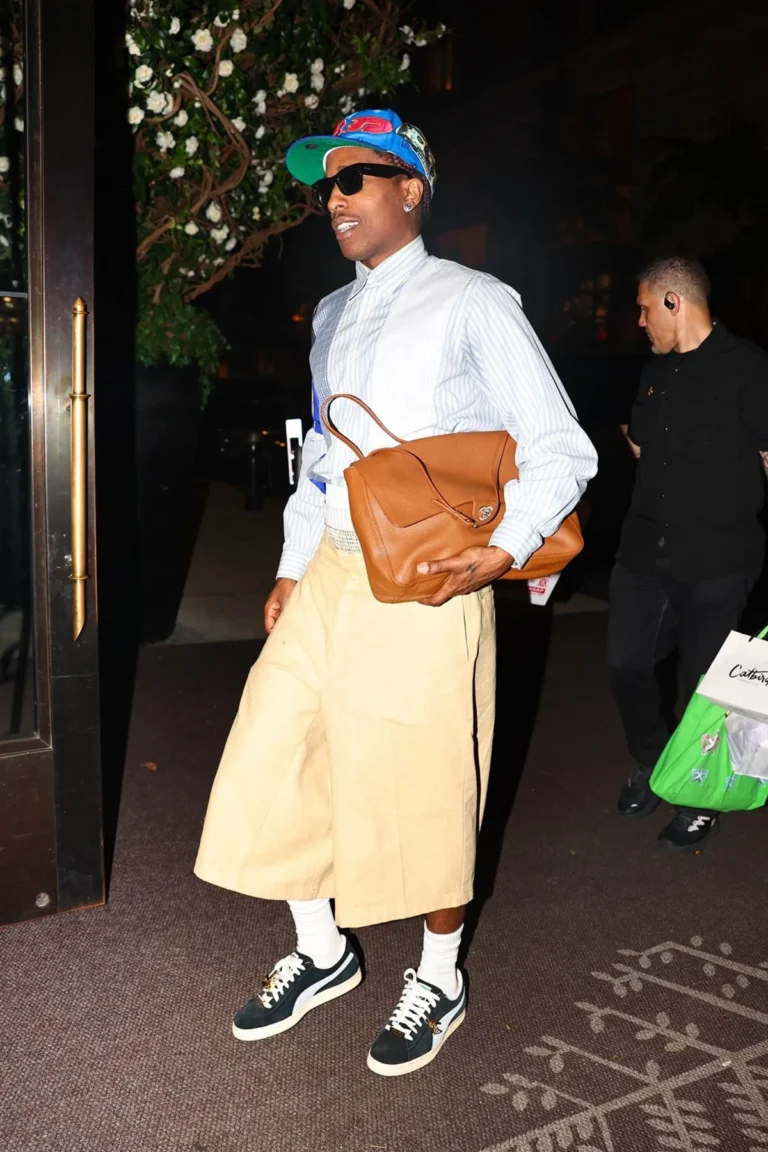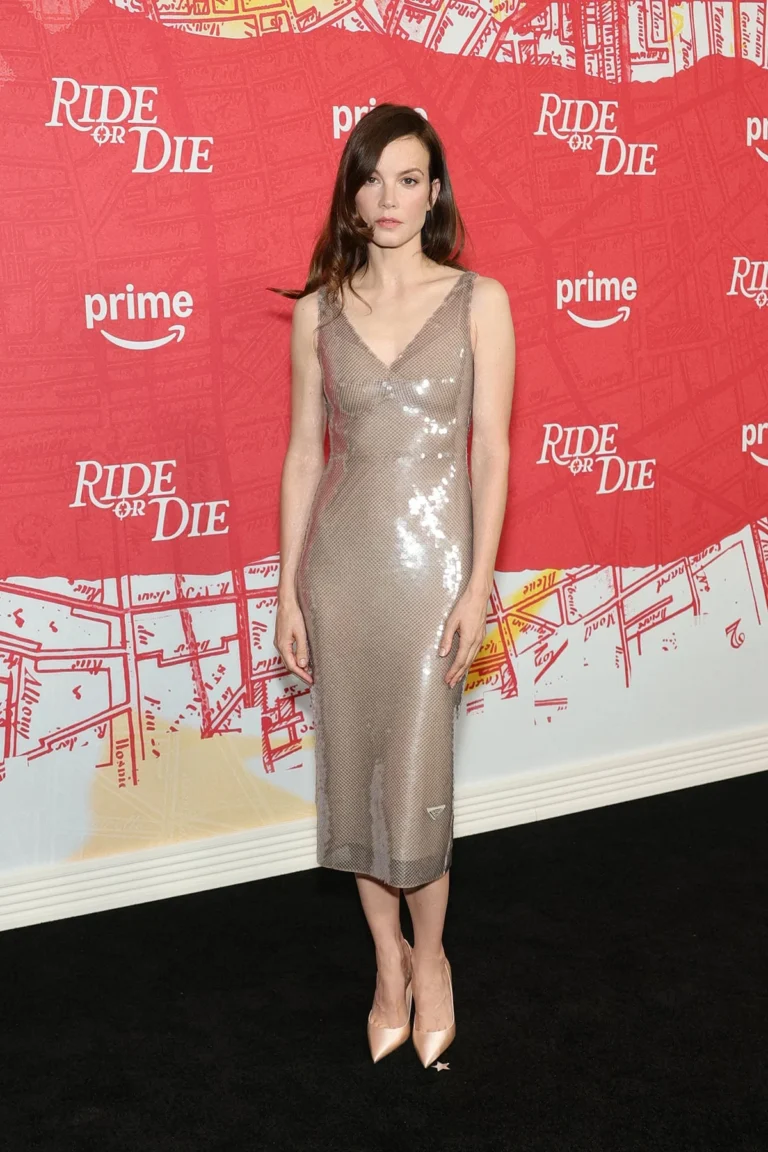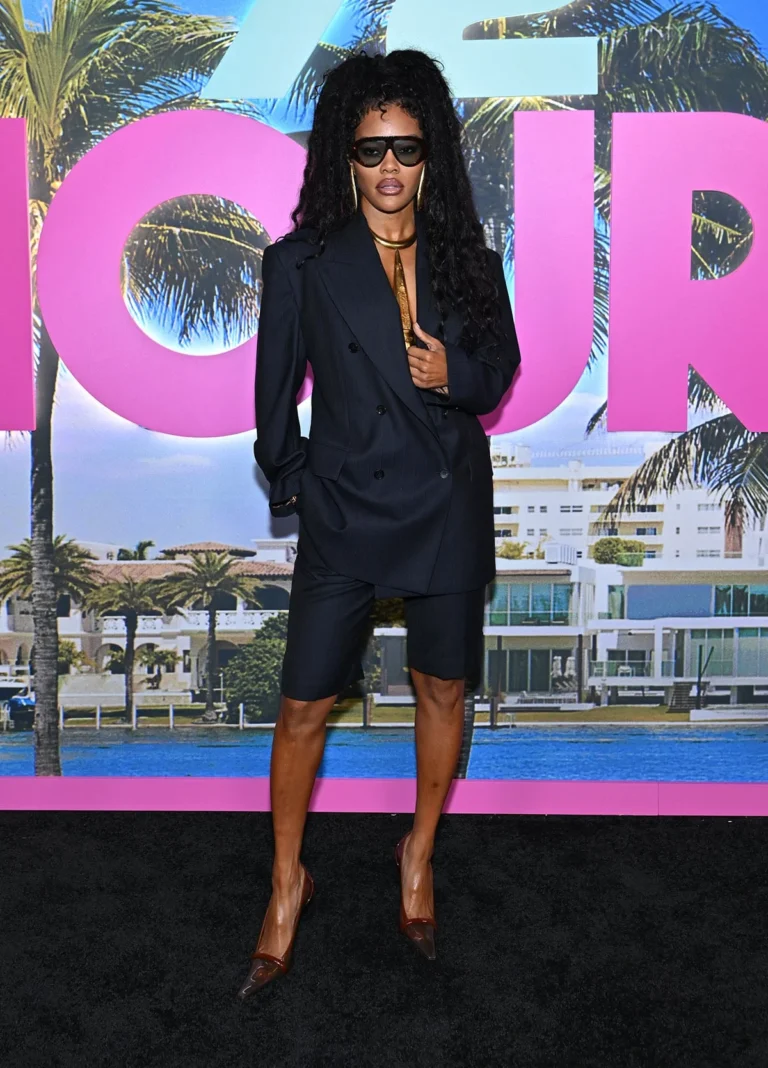







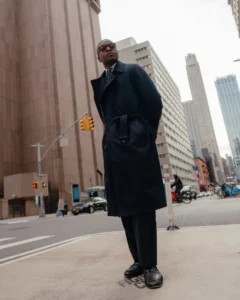
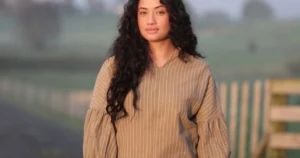
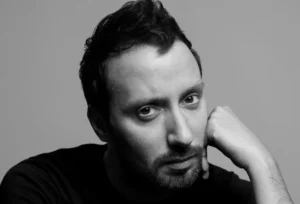
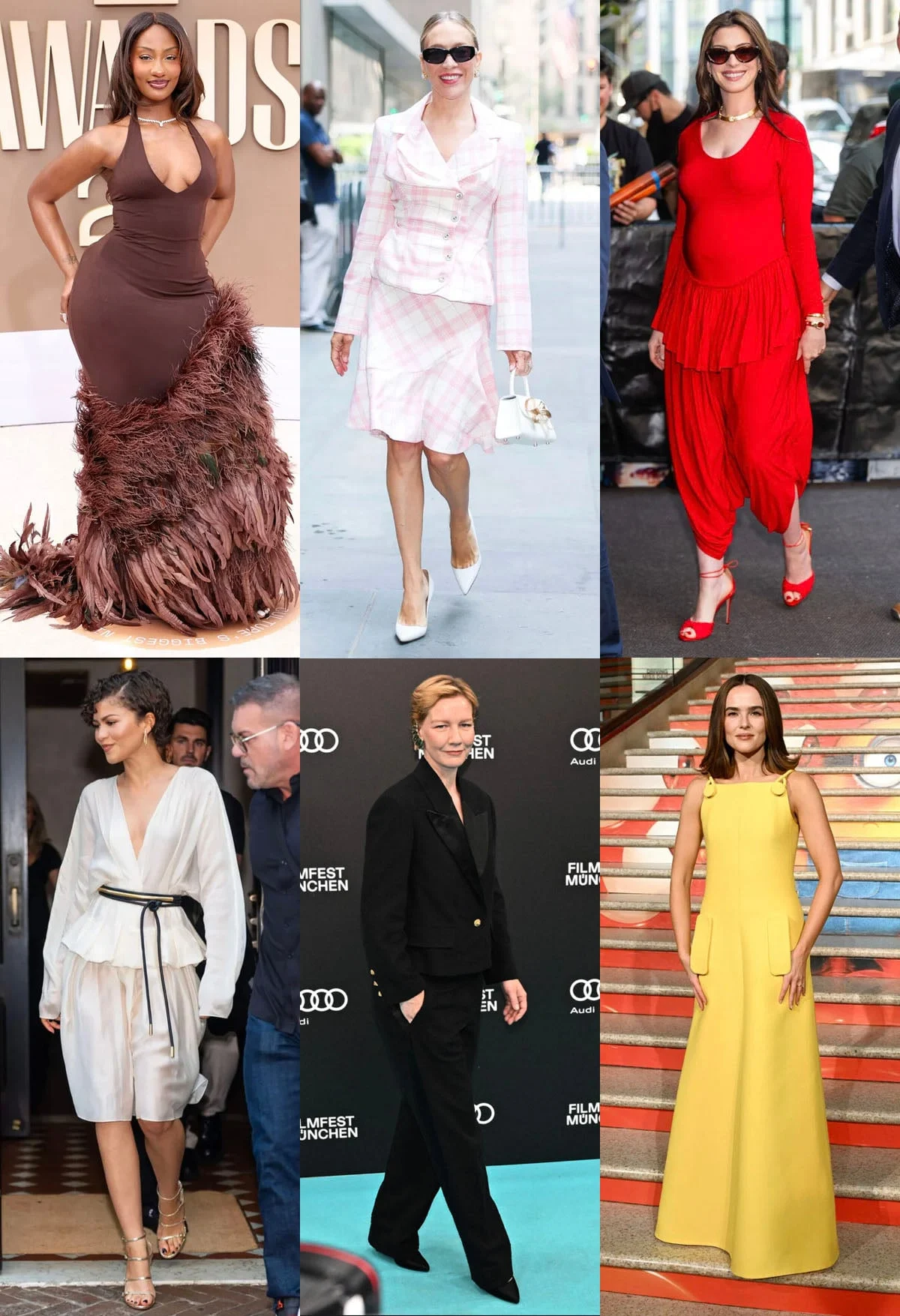
The intersection of high fashion and celebrity influence continues to serve as a primary driver for brand valuation and global media engagement, as evidenced by a series of high-profile appearances across international film premieres, award ceremonies, and fashion summits. In an era where "earned media value" (EMV) often outweighs traditional advertising spend, the strategic alignment between talent and designers has become a sophisticated tool for narrative building. Recent appearances by industry stalwarts and rising stars—ranging from the architectural precision of Tony Ward Couture to the avant-garde sensibilities of Luis De Javier—underscore a shifting landscape where personal branding and sartorial craftsmanship converge to influence global retail trends and consumer sentiment.
The Economic and Cultural Significance of Red Carpet Appearances
The global luxury fashion market, valued at approximately $350 billion, relies heavily on the visibility provided by high-profile personalities. According to industry analysts, a single viral red carpet moment can generate millions of dollars in media impact for a brand within 48 hours. This phenomenon is not merely about aesthetics; it is an economic engine. When Tems appeared in a custom Luis De Javier ensemble, or Fan Bingbing showcased Tony Ward Couture, the digital footprint of these designers expanded exponentially across diverse markets, particularly in Africa and Asia, respectively.
This synergy is increasingly characterized by "method dressing"—the practice of tailoring a celebrity’s wardrobe to reflect the themes of their current project. This trend was notably observed during the press tours for major cinematic releases such as Twisters and the live-action Moana sequel, where actors like Daisy Edgar-Jones and Auli’i Cravalho utilized their fashion choices to provide a visual extension of their onscreen characters.
High-Profile Red Carpet Analysis: From Couture to Contemporary
The recent cycle of public appearances highlights a diverse array of design philosophies, from the traditional craftsmanship of European houses to the emerging influence of independent labels.
Avant-Garde and High-Fashion Icons
Tems, the Nigerian singer-songwriter, made a significant statement in a creation by Luis De Javier. The designer, known for his provocative and sculptural approach to leather and form, provided Tems with a silhouette that reinforced her status as a global fashion disruptor. Similarly, Fan Bingbing’s appearance in Tony Ward Couture signaled the continued dominance of Lebanese designers in the high-fashion sphere. Ward’s intricate beadwork and structural elegance remain a staple for international icons looking to command the spotlight at events like the Cannes Film Festival.
Sandra Hüller, following her critically acclaimed performance in Anatomy of a Fall, continued her partnership with Chanel. The house of Chanel, under the stewardship of its creative leadership, has focused on maintaining its legacy of "quiet luxury" while adapting to the modern needs of the film industry’s elite. This contrast was further emphasized by Ayo Edebiri, who opted for Edward Cuming. Edebiri’s choice highlights a growing trend among younger actors to support independent, niche designers who prioritize experimental tailoring over mass-market appeal.
The Strategy of the Press Tour: Auli’i Cravalho and Daisy Edgar-Jones
The promotional cycles for major studio films have become de facto fashion weeks. Catherine Laga’aia and Auli’i Cravalho, representing the Moana franchise, utilized brands like LoveShackFancy and PatBo to evoke a sense of youthful, tropical-inspired elegance. PatBo, a Brazilian label known for its hand-embroidery, aligns with the cultural vibrancy of the Pacific-themed production.
Daisy Edgar-Jones, during the promotion of Twisters, showcased the new direction of Alexander McQueen under Seán McGirr. The choice of McQueen, a brand synonymous with British heritage and rebellious edge, served to elevate Edgar-Jones’s profile from a breakout star to a formidable fashion icon. This "press tour fashion" serves as a crucial marketing tool, keeping the film in the public consciousness through social media engagement and style blogs.
Modern Minimalism and the Renaissance of Hollywood Glamour
The resurgence of classic Hollywood glamour, redefined through a minimalist lens, was evident in the choices of Anne Hathaway and Zendaya. Hathaway, experiencing a career renaissance, appeared in Ashlyn and Lela Rose, two brands that emphasize clean lines and sophisticated femininity. Her shift toward these labels reflects a broader industry move away from maximalism toward "investment dressing."
Zendaya, often cited as the most influential fashion figure of her generation, appeared in Khaite. Founded by Catherine Holstein, Khaite has become the definitive label for modern New York cool. Zendaya’s ability to pivot from the theatricality of couture to the refined minimalism of Khaite demonstrates a versatile branding strategy managed by her longtime stylist, Law Roach. This versatility is mirrored by Zoey Deutch in Prada, a brand that remains the gold standard for intellectual fashion, and Chloe Sevigny in Vivienne Westwood, which pays homage to the late designer’s punk-rock legacy.
Institutional Influence and the "Kate Effect"
The appearance of Catherine, Princess of Wales, in Gabriela Hearst represents the pinnacle of institutional fashion influence. The "Kate Effect"—the phenomenon where items worn by the Princess sell out instantly—remains a potent force in the retail sector. By choosing Gabriela Hearst, a designer renowned for her commitment to sustainability and "honest luxury," the Princess of Wales aligns the British monarchy with contemporary values of environmental responsibility. This choice is a calculated move that transcends aesthetics, signaling a commitment to ethical consumption that resonates with a global audience.
Industry Data and the Shift in Luxury Marketing
Data from fashion technology companies like Launchmetrics indicates that the "Celebrity" voice is the most significant driver of Media Impact Value (MIV) for luxury brands. In the first half of 2024, celebrity-driven content accounted for nearly 45% of the total MIV in the luxury sector, surpassing both influencer and traditional media voices.
| Celebrity | Brand | Estimated Reach (Social Media) |
|---|---|---|
| Zendaya | Khaite | 150M+ |
| Catherine, Princess of Wales | Gabriela Hearst | 200M+ (Global News) |
| Fan Bingbing | Tony Ward Couture | 80M+ (Asia-Pacific Focus) |
| Anne Hathaway | Ashlyn/Lela Rose | 60M+ |
Furthermore, the inclusion of labels like Stella McCartney (worn by Lexi Minetree) and Marine Serre (worn by Suki Waterhouse) highlights the industry’s focus on circularity and upcycled materials. Stella McCartney remains the vanguard of vegan luxury, while Marine Serre’s "regenerated" garments appeal to a Gen Z demographic that demands transparency and activism from the brands they support.
Chronology of Recent Major Fashion Events
The sequence of these appearances follows a rigorous international calendar that dictates the flow of fashion capital:
- May 2024: The Cannes Film Festival served as the primary stage for Fan Bingbing and Sandra Hüller, where the focus remained on high-octane couture and heritage houses.
- June 2024: The commencement of the summer blockbuster press tours, including Twisters (Daisy Edgar-Jones) and Moana 2 (Catherine Laga’aia, Auli’i Cravalho). This period saw a shift toward wearable luxury and "themed" dressing.
- July 2024: High-profile charity events and regional film festivals provided a platform for stars like Sophia Bush (in Antonio Marras and Monse) and Lupita Nyong’o (in LaPointe) to experiment with bold color palettes and contemporary silhouettes.
- August 2024: Pre-fall collection previews and early autumn film festivals began to introduce heavier textures and structured tailoring, as seen in the choices of Suki Waterhouse and Misse Beqiri.
Implications for Global Retail and Brand Loyalty
The diversity of brands represented—from the established power of Prada and Chanel to the rising influence of Odd Muse and PatBo—suggests a fragmented but healthy luxury market. Consumers are no longer loyal to a single aesthetic; instead, they are following "curated identities" presented by their favorite public figures.
For designers, the goal is no longer just to "dress a celebrity" but to create a moment that survives the 24-hour news cycle. When Sophia Bush wears Antonio Marras, she is not just wearing a dress; she is introducing her audience to the narrative of Sardinian heritage and artisanal craft that Marras champions. When Madisin Rian wears Le Thanh Hoa, she is highlighting the growing prominence of Vietnamese designers on the global stage.
As the industry moves toward the final quarter of the year, the focus will shift to the major fashion weeks in New York, London, Milan, and Paris. However, the precedents set by these recent appearances will continue to inform the collections and the marketing strategies of the world’s leading fashion houses. The integration of sustainability, the rise of independent designers, and the strategic use of "method dressing" are no longer outliers; they are the new standard for the global fashion industry.