




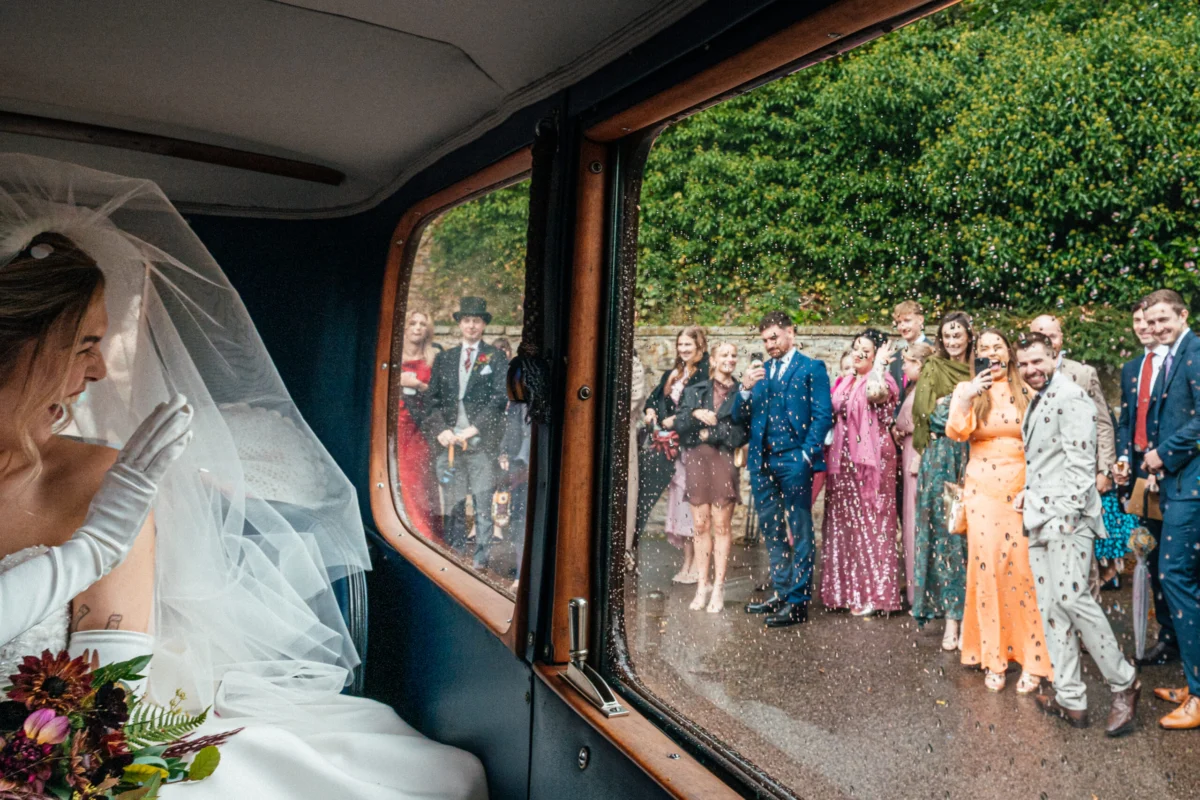
In the contemporary wedding industry, a prevailing archetype of the professional photographer has long dominated the market: an individual characterized by high-energy, assertive direction, and a commanding presence. However, a significant shift in consumer preference and professional philosophy is highlighting the rise of the "quiet photographer," a practitioner who utilizes introversion as a specialized tool for documentary-style storytelling. Simon Dewey, a Derby-based wedding photographer and member of the Love My Dress wedding directory, has emerged as a leading proponent of this approach, arguing that the ability to remain on the periphery is not a professional deficit but a foundational "operating system" for capturing authentic, unguarded moments.
This evolution in the wedding sector reflects broader sociological shifts regarding the "Extrovert Ideal," a term coined by author Susan Cain. As the industry moves away from highly staged, editorial-style productions toward candid documentation, the role of the observer has gained unprecedented value. By prioritizing observation over intervention, introverted professionals are redefining the success metrics of event photography, shifting the focus from the photographer’s performance to the organic unfolding of the client’s experience.
The Evolution of the Documentary Approach in Wedding Photography
The professional trajectory of documentary wedding photographers often begins with a confrontation with traditional industry expectations. Early in his career, Dewey noted that while clients expressed high levels of satisfaction with the final photographic output, feedback occasionally highlighted his quiet demeanor and tendency to remain in the background as "unexpected." This discrepancy between the high-quality results and the perceived lack of "performer energy" underscores a cultural bias that equates professional competence with extroversion.
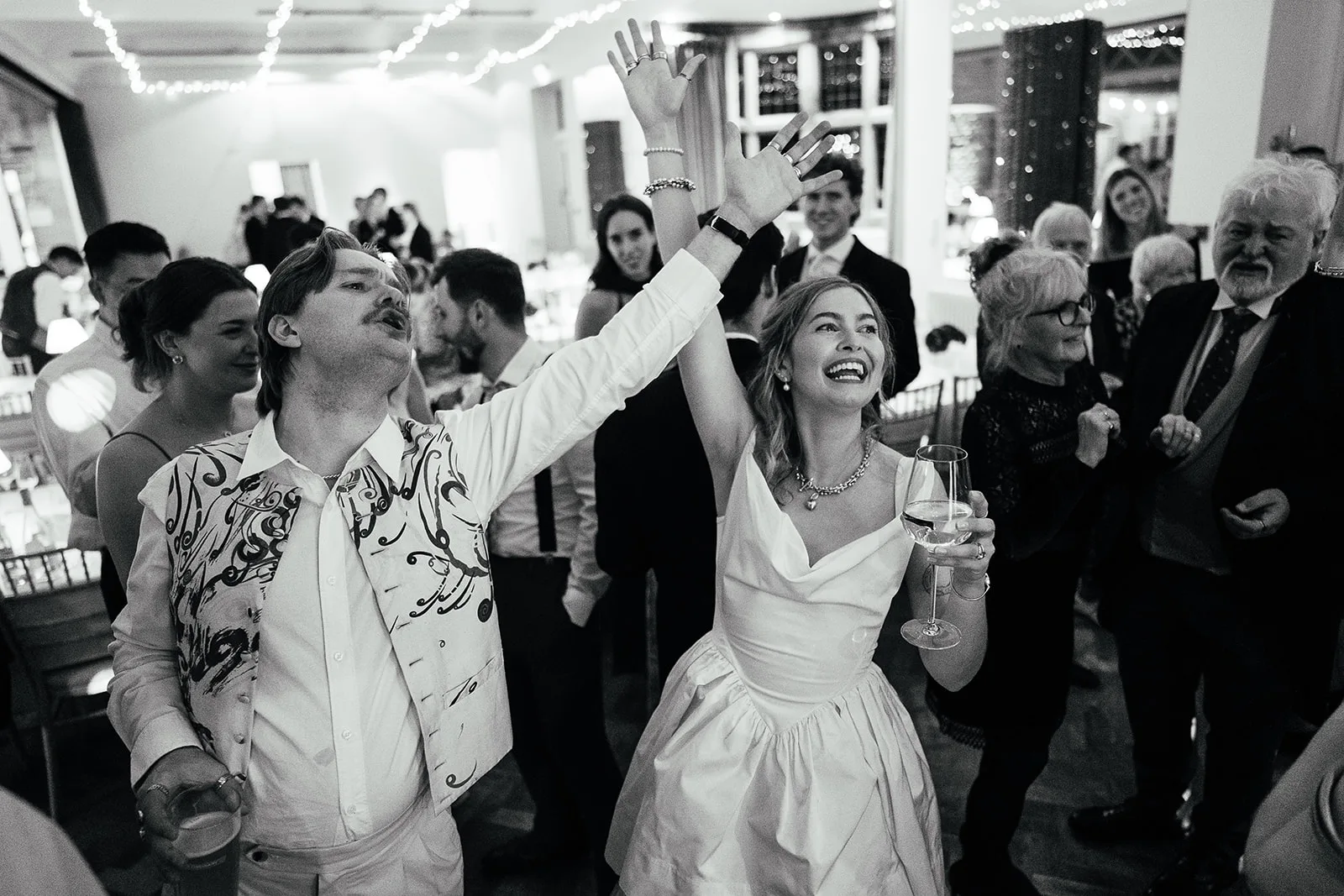
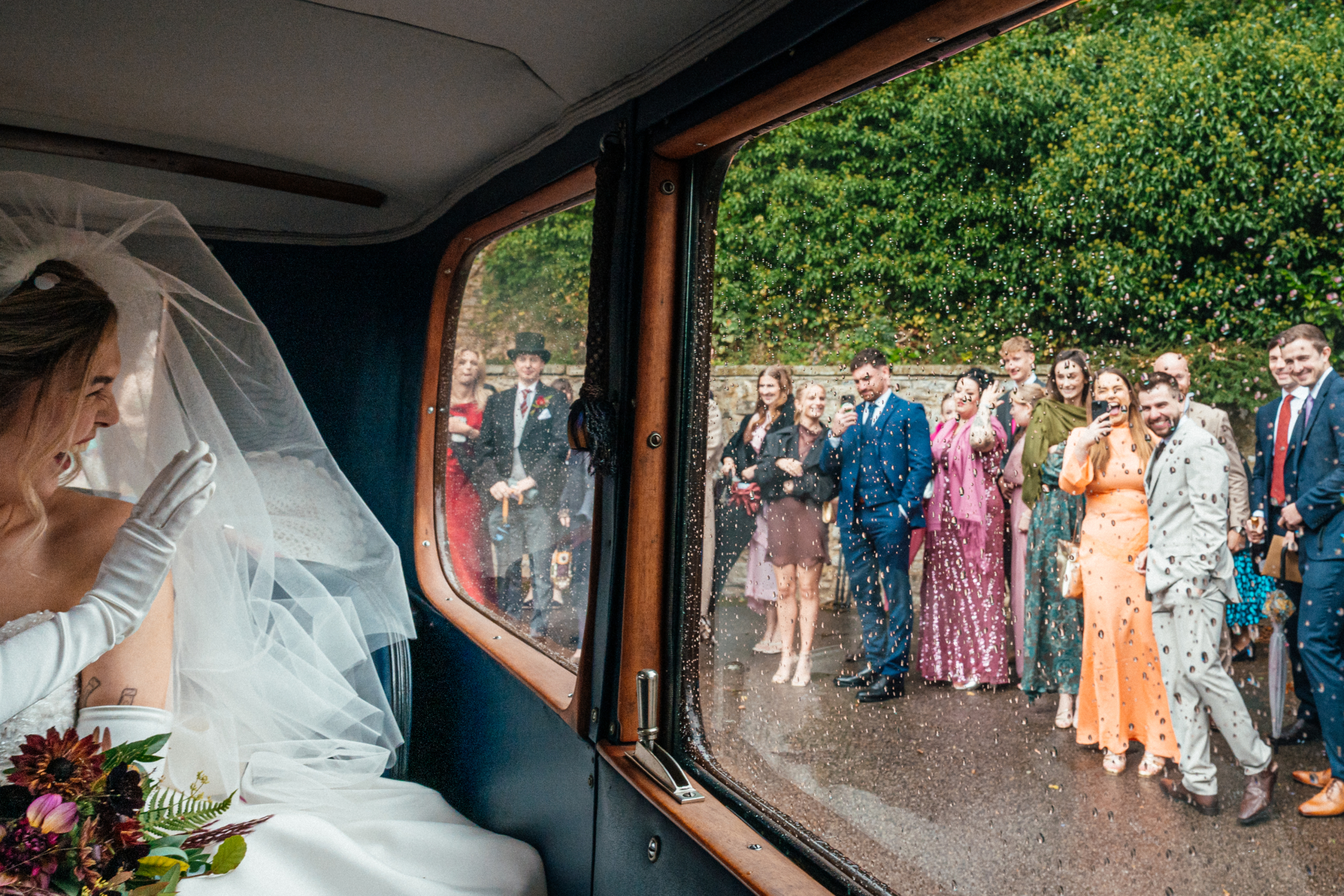
The transition from viewing introversion as a hurdle to embracing it as a "superpower" involves a fundamental re-evaluation of the photographer’s role. In a documentary context, the photographer’s objective is to remain as unobtrusive as possible. This methodology allows for the capture of "the decisive moment"—a concept pioneered by Henri Cartier-Bresson—where the visual elements of a scene align to tell a story without the artificiality of a posed setup. For practitioners like Dewey, the quietness that was once criticized is the very mechanism that enables them to pick up on environmental nuances and emotional subtleties that more assertive personalities might overlook.
Theoretical Framework: The Science of the Introverted Observer
The professional advantages of the introverted photographer are supported by psychological research into personality types. In her seminal work, Quiet: The Power of Introverts in a World That Can’t Stop Talking, Susan Cain explores the biological and psychological differences between introverts and extroverts. Cain posits that introverts often possess a more sensitive nervous system, making them more attuned to their surroundings.
This heightened sensitivity translates into several key professional assets in a high-stakes environment like a wedding:
- Environmental Awareness: Introverts are statistically more likely to notice peripheral details—the tear of a distant relative, the subtle glance between a couple, or the intricate details of a venue that go unnoticed during the "noise" of the event.
- Listening and Observation: By speaking less, these professionals gather more data. They are able to "read the room" and anticipate movements before they happen, allowing them to be in the right place at the right time without needing to direct the action.
- Calm Presence: High-energy environments can often become chaotic. An introverted professional acts as a stabilizing force, providing a sense of calm that can lower the stress levels of the subjects being photographed.
Cain’s research suggests that the "Extrovert Ideal"—the belief that the ideal self is gregarious, alpha, and comfortable in the spotlight—has led to an undervaluation of the "Quiet Revolution." In the wedding industry, this revolution is manifesting as a demand for photographers who can provide "art from noise" rather than adding to the clamor.
Strategic Management of High-Energy Tasks
One of the primary challenges for the introverted photographer is the management of group portraits, which require "wrangling" large numbers of guests who are often distracted. Traditionally, this task required a loud, commanding voice. To maintain the integrity of their quiet approach while still fulfilling the requirements of the wedding day, introverted photographers have developed strategic delegation methods.
Dewey’s methodology involves identifying a "nominated wrangler"—typically a naturally assertive friend or family member, such as a teacher or a professional with a commanding presence—to handle the logistical gathering of guests. This strategy serves two purposes: it ensures the efficiency of the group shots and maintains the photographer’s role as a neutral observer. By being transparent with the couple about this approach, photographers build a relationship based on authenticity. The couple understands that they are hiring an artist to document the day, not a coordinator to manage the crowd.
Historical Context: The Legacy of Invisible Photographers
The philosophy of the quiet photographer is rooted in a rich history of street and documentary photography. Several iconic figures in the medium’s history serve as the ideological ancestors of today’s documentary wedding photographers:
- Vivian Maier: A career nanny who took more than 150,000 photographs, Maier was intensely private and never sought recognition during her lifetime. Her work, discovered posthumously, is celebrated for its raw, unfiltered look at mid-century American life. Her ability to move through the world unnoticed is a primary reason her subjects appear so natural.
- Henri Cartier-Bresson: A co-founder of Magnum Photos, Cartier-Bresson famously covered the chrome parts of his Leica camera with black tape to make it less conspicuous. He believed that the photographer should be "invisible," acting as a silent witness to history.
- Saul Leiter: Known for his painterly, abstract street photography in New York, Leiter often shot through windows or from behind objects, embracing a sense of detachment that allowed him to capture the city’s quiet beauty.
These photographers demonstrated that the most profound images are often those where the presence of the camera is least felt. For the modern wedding photographer, adopting this "invisible" stance allows the wedding day to belong entirely to the couple, rather than being shaped by the photographer’s ego or direction.
The "Quiet Professional" Ecosystem in the Wedding Industry
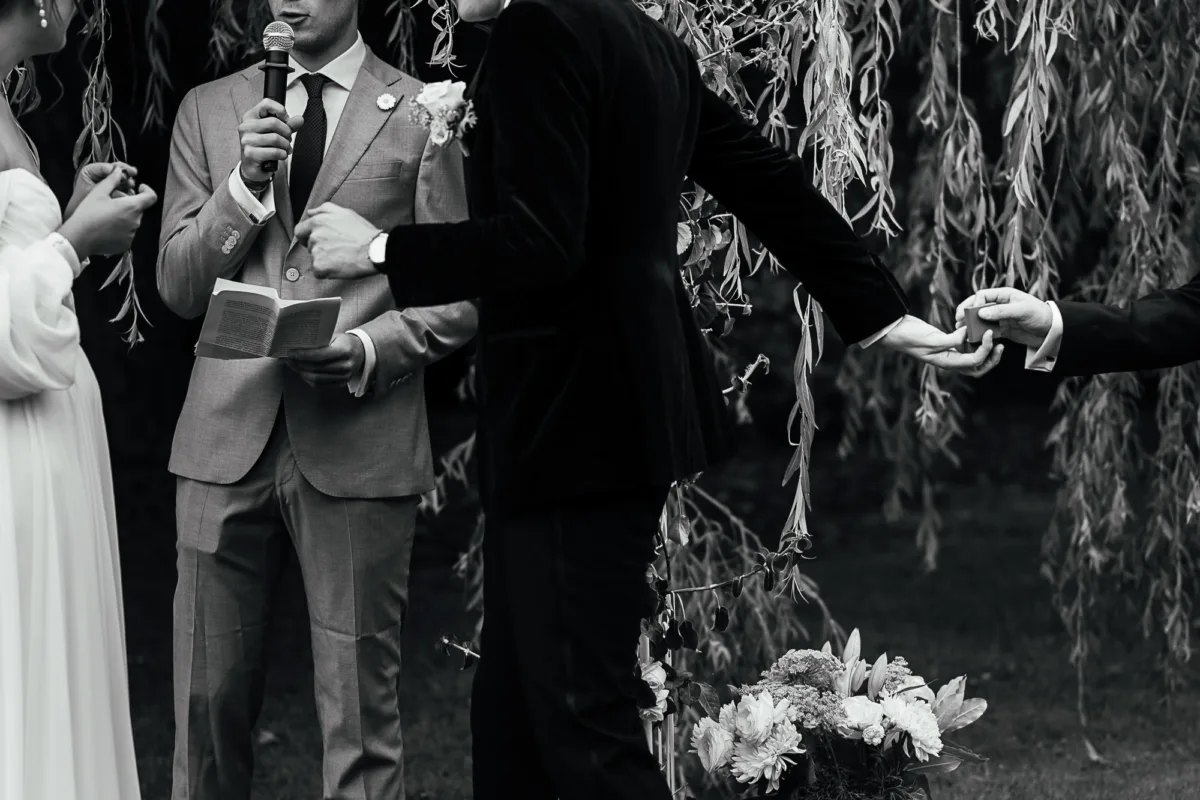
The value of the introverted approach extends beyond photography to other key wedding suppliers. A growing segment of the industry is recognizing the importance of "quiet professionals" who prioritize the client’s emotional space over their own professional performance.
Hair and Makeup Artists (HMUAs): The wedding morning is often a period of high anxiety. A "quiet" HMUA who can read the room and provide a calm environment is increasingly seen as a premium service. These professionals understand that their role is to facilitate a peaceful preparation period, avoiding unnecessary chatter and allowing the client to exist in the moment.
Venue Coordinators: Effective coordinators often operate as "invisible problem solvers." They absorb logistical issues—vendor delays, weather changes, or technical glitches—before the couple is even aware of them. This "calm at the center of the storm" is a hallmark of the introverted professional who excels in background management.
Broader Implications and Industry Trends
The shift toward valuing introverted wedding professionals reflects a broader cultural trend toward "quiet luxury" and authenticity. In an era dominated by social media performance, many couples are seeking a reprieve from the "on-camera" lifestyle. They are looking for images that reflect the truth of their experience rather than a curated, high-energy version of it.

Industry data suggests that the "Documentary" or "Reportage" style of photography is now one of the most sought-after categories in the UK wedding market. This trend is driving a change in how wedding businesses market themselves. Instead of showcasing the photographer’s personality as a "life of the party" figure, marketing materials are increasingly focusing on the artist’s ability to be a "silent observer" and a "calm presence."
The professional impact of this shift is twofold. First, it allows introverted creatives to thrive in an industry that previously felt exclusionary. Second, it provides couples with a more diverse range of service styles, ensuring that those who are themselves introverted or camera-shy can find a professional who respects their temperament.
Conclusion: The Artistic Value of the Quiet Observer
The emergence of the "quiet photographer" marks a maturation of the wedding industry. By recognizing that introversion is a specialized skill set rather than a personality flaw, the industry is elevating the quality of documentary storytelling. As Simon Dewey and his contemporaries demonstrate, the ability to disappear into a room is the ultimate tool for capturing the human condition.
For the modern couple, the choice of a photographer is no longer just about the style of the images, but about the energy the professional brings to the day. The feedback most cherished by the introverted photographer—"we forgot you were even there"—is the highest form of professional praise. It signifies that the day was lived authentically, and that the resulting art is a true reflection of reality, unburdened by the noise of the production. In the end, the quiet photographer provides something far more valuable than a directed photoshoot: they provide a witness.