





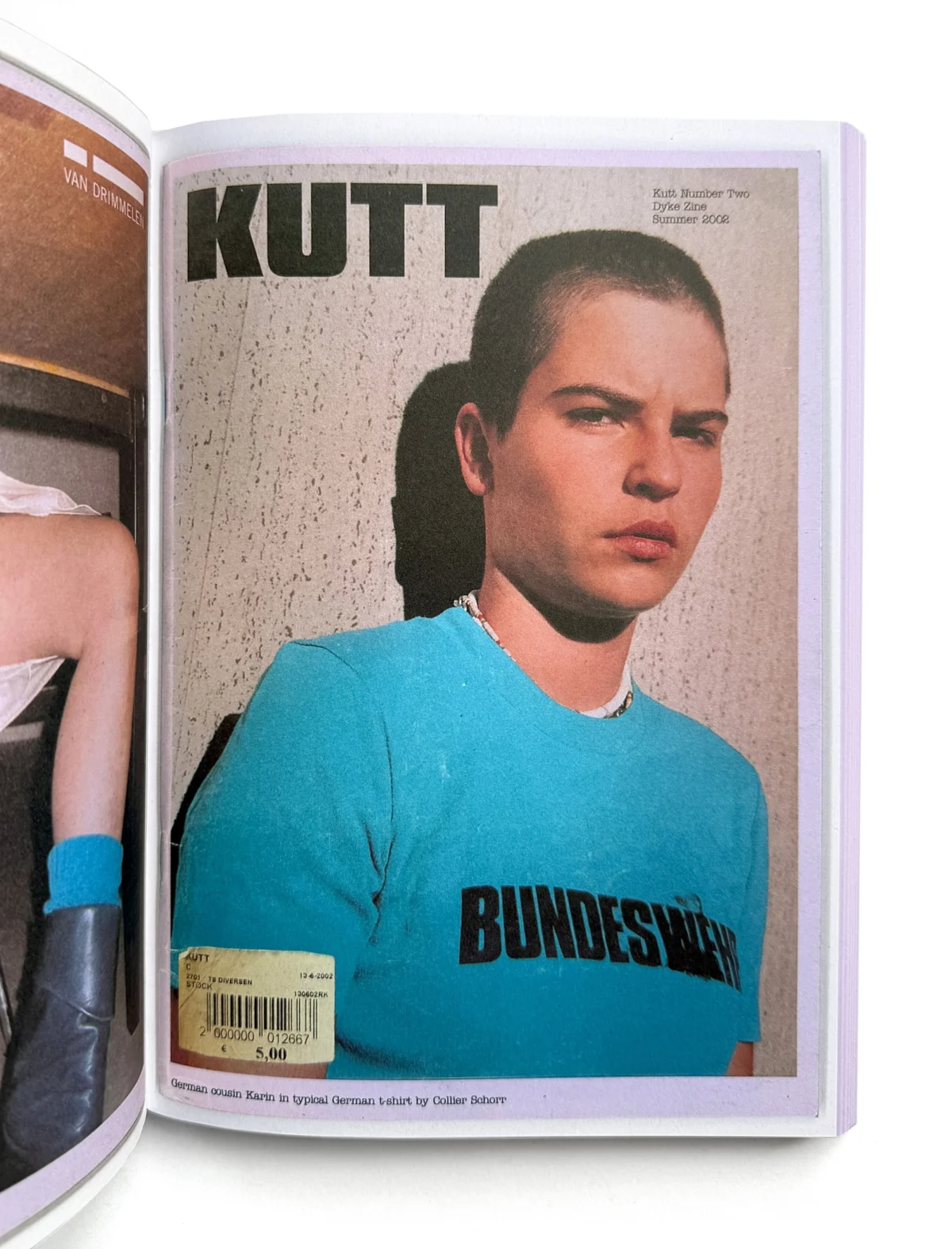
What began as a playful jab and a daring challenge in a bar in 2002 has culminated 24 years later in the highly anticipated facsimile reproduction of KUTT magazine by IDEA. This iconic, albeit short-lived, lesbian zine, once a rare gem for collectors, is now accessible to a new generation, offering a vital historical document of queer identity and artistic expression from the early 2000s.
The Spontaneous Genesis of a Dyke Zine
The inception of KUTT traces back to a late-night conversation in a bar, a moment of drunken camaraderie between Jessica Gysel and Jop van Bennekom and Gert Jonkers, the pioneering editors behind the then-newly launched BUTT magazine. BUTT had quickly garnered a cult following for its frank, humorous, and sexually direct portrayal of gay male life, characterized by its signature pink pages and unvarnished aesthetic. "It was really this drunk bar moment where you’re making plans, and are like: oh my god, let’s make a lesbian version of this, more as a joke," Gysel recounted from her Brussels office. Yet, the jest quickly materialized into a concrete project, driven by a simple, yet profound, question: "Why isn’t [there] all that also for lesbians?"
At the turn of the millennium, authentic and unfiltered representations of lesbian life in mainstream media were scarce. While queer communities thrived underground and in specific cultural niches, visible, accessible platforms that genuinely reflected the diversity, humor, and sensuality of lesbian experiences were few and far between. BUTT had carved out a space for gay men to see themselves reflected with honesty and irreverence, and Gysel recognized the urgent need for a parallel publication for lesbians. The media landscape of the early 2000s, still largely pre-social media, meant that independent print publications, or zines, served as crucial conduits for subcultures to communicate, connect, and self-define, free from commercial pressures and mainstream editorial control. KUTT emerged precisely from this fertile ground, ready to challenge the prevailing invisibility and often sanitized portrayals of lesbian identity.
A Comet’s Trajectory: KUTT‘s Brief but Brilliant Run (2002-2003)

Despite its ambitious premise, KUTT‘s original run was remarkably brief, publishing just three issues between 2002 and 2003. Yet, within this short window, it made an indelible mark, capturing the burgeoning queer scene with an authenticity that resonated deeply. The magazine’s distinctive lilac pages became a canvas for an eclectic mix of talent, featuring it-girl actor Chloë Sevigny, acclaimed writer and activist Eileen Myles, experimental filmmaker K8 Hardy, and feminist queer icon Merrill Nisker, better known as Peaches. These figures, already influential in their respective fields, lent KUTT an immediate cultural weight and artistic credibility.
Beyond its celebrated subjects, KUTT was also a showcase for groundbreaking photography. The pages were adorned with the work of now-renowned photographers such as Ryan McGinley, Collier Schorr, Viviane Sassen, and Martien Mulder, among many others. These artists contributed to an aesthetic that felt revolutionary for its time, eschewing the glossy perfection of mainstream fashion magazines for something more raw, intimate, and real. Eileen Myles aptly summarized KUTT‘s impact, describing it as "evidence of how cool the new generation of lesbians who were around at that time were." It was a testament to a vibrant, unapologetic community eager to define itself on its own terms.
The Aesthetic and Ethos: Unvarnished Reality Through the Lens
Central to KUTT‘s unique appeal was its visual language. Jessica Gysel sought photographers who "photographed real things," drawing inspiration from the direct, unvarnished styles of artists like Nan Goldin and Corinne Day, whose work often blurred the lines between documentary and art, offering intimate glimpses into subcultures and personal lives. Gysel expressed a preference for this approach over "high-end, highly produced and elaborate" photography. The resulting images in KUTT were "unstaged and very reportage-driven," focused on "not making it look like anything other than itself."
This commitment to authenticity was not merely an artistic choice but also a practical one for many of the contributing photographers. Martien Mulder, reflecting on her early career, admitted, "I was at the very beginning of my career… I didn’t know how to do it differently. I didn’t even know how big shoots worked… So, that was just me and a camera, meeting people." This organic, unpretentious approach fostered a sense of genuine connection between photographer and subject, often facilitated by existing relationships within the queer community. As Mulder noted, subjects "already had a relationship with a photographer," meaning shoots often emerged "in the family, or inside the friend circle."
This intimate network yielded some of KUTT‘s most memorable series. Ryan McGinley’s Lizzy the Lezzy, featuring singer and model Lissy Trullie, exemplified this looseness and confidence. McGinley described Trullie, "one of the most angelic gay girls downtown," as part of a tight-knit queer nightlife scene from their college days. He vividly recalled their shared experiences: "We were the artsy, fashionable queer kids who loved New York nightlife. At the time, we had a gay bar crawl down Avenue A in the East Village. The Cock was our favourite bar because our friends who wrote graffiti bartended and our queer girlfriends DJ-ed. The bar felt like our clubhouse and we could drink for free." A particularly iconic shoot involved setting up a mini trampoline in The Cock’s bathroom, where Trullie jumped for an hour under fluorescent lights, her image eventually landing in KUTT and, according to McGinley, garnering her "lesbian worldwide fame in the before-internet-times."
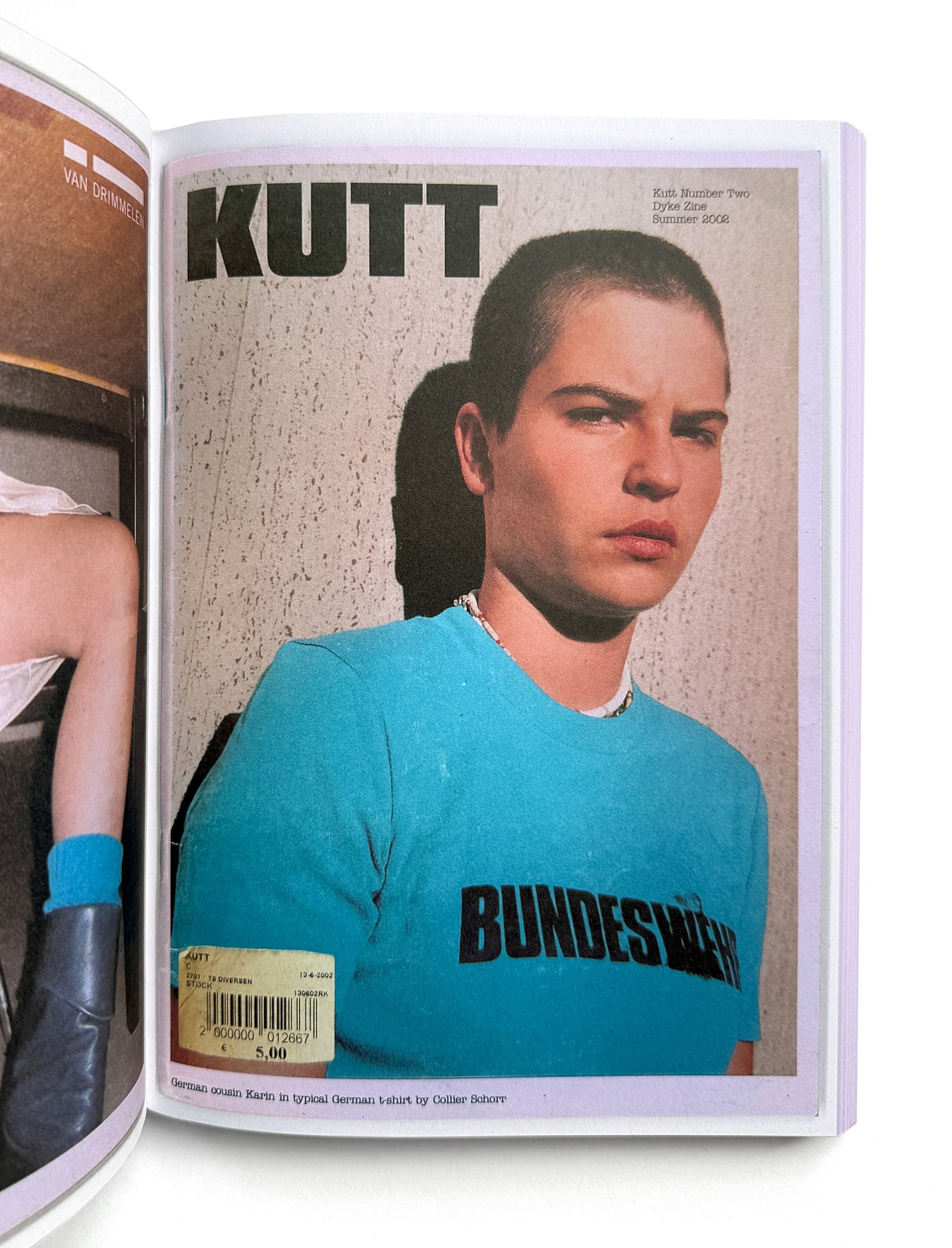
Similarly, Collier Schorr’s series My Girlfriend’s Cousin Karin, despite its title, actually featured her girlfriend’s niece. These portraits were captured "over time, maybe a whole summer" while Schorr lived with her girlfriend’s family in Germany. Schorr remembered the beauty of documenting the niece’s relationship with a girl from across the street, acknowledging the complex interplay of art and life: "Photography is a strange brew… Years later, family pressures created rifts. The pictures are a treasure, but maybe also led to some stress."
Martien Mulder’s own Mattress Series further embodied KUTT‘s intimate yet non-exploitative aesthetic. Erotic rather than pornographic, these images, including the first two of Mulder and her then-girlfriend taking Polaroids of each other on holiday, exuded a tender impishness reminiscent of an adolescent sleepover. The knowledge that these were shot through the "lens of lovers" reframed the headless bodies, freeing them from the objectification often associated with the male gaze and infusing them with a palpable sense of lived intimacy.
A Voice for the Unseen: Addressing the "Lived Experience"
Beyond its visual artistry, KUTT filled a critical void in lesbian visibility by prioritizing "talking from a lived experience," as Gysel articulated. The magazine tackled questions central to lesbian identity: "how do you deal with your exes? How do you build relationships? How do you come out?" Gysel was particularly keen on spotlighting lives "outside of the spotlight," recognizing the immense, often unacknowledged, contributions of queer women. She highlighted, for instance, the vital, yet frequently overlooked, work done by lesbians during the AIDS crisis. By focusing on "regular women" who "love, work, hang out, write, play and have sex," KUTT presented a fuller, more nuanced representation of lesbian life, demonstrating its ordinary and varied nature, thereby normalizing and celebrating its existence.
This commitment to honesty and specificity was a cornerstone of the publication. "KUTT was really curious about the peculiar and the specific of each person," Martien Mulder affirmed. Gysel found a kindred spirit in Eileen Myles’s writing, which she admired for its unflinching honesty about personal struggles, including "alcohol, drug problems." Gysel admitted her own struggles with sobriety during that period, explaining, "I was also not very sober in those days, so I could click." The enduring power of this honesty was underscored by Myles themselves, who, when contacted for comment, offered a succinct and powerful observation: "honesty is the most attractive quality in a living thing." Like Myles’s prose, KUTT refused to "beat around the bush."
The Farewell and Future Considerations
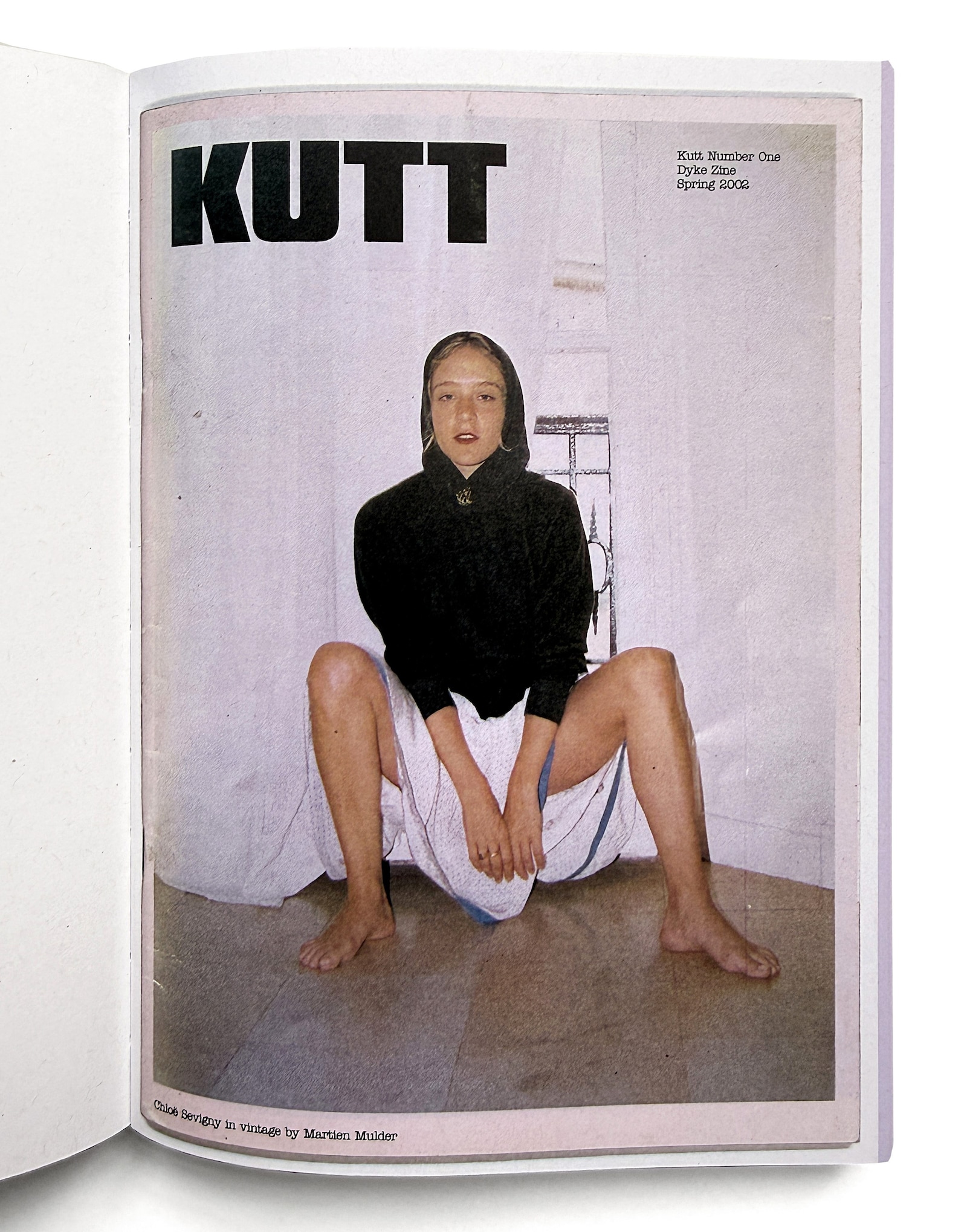
KUTT‘s closure in 2003 was not a sudden demise but a considered decision. Those involved felt the magazine had reached the limits of its own format and purpose. Jop van Bennekom suggested that KUTT felt "too much like a derivative" of BUTT, a sentiment Gysel shared. She reflected, "KUTT didn’t fully represent lesbian culture as it was at that moment… I felt we first had to make something that had more visibility, that was a bit more uplifting." The "straight-shooting sexual aspect" so central to BUTT proved "quite hard to translate to a lesbian context," Gysel noted. Van Bennekom concurred, observing that "lots of lesbian culture was left a little bit in the shadows," and suggesting that "the format of the magazine was sort of invented for the gay male identity. And maybe less so for the lesbian woman." This candid self-assessment highlights the challenges of creating a platform for a community whose experiences and expressions may not always fit neatly into pre-existing molds.
Jessica Gysel, reflecting on the return of KUTT, expressed "mixed feelings." While cherishing "fond memories of the time making it," she harbored reservations about "the aftermath," lamenting, "the fact that we were women, we didn’t have all the chances that BUTT had." This statement subtly points to the broader systemic inequalities and gender disparities that often affect women-led projects, particularly within queer spaces, in terms of funding, visibility, and commercial success.
The Resurgence: IDEA’s Facsimile and Contemporary Resonance
Twenty-four years after its initial run, a compendium of KUTT is being reproduced in facsimile by IDEA, bringing all three issues together in a single volume. This re-release is driven by overwhelming demand, as IDEA co-founder David Owen explained: "Most people who want them cannot afford them. Of all the rare and out-of-print books and magazines IDEA has written about, KUTT is the most popular." The original issues had become highly sought-after collector’s items, their rarity amplifying their mystique and desirability. IDEA’s initiative not only preserves this vital piece of queer cultural history but also democratizes its access, allowing a new generation to engage with its pioneering content.
The timing of KUTT‘s re-release is particularly poignant. Jop van Bennekom posited that society might be "more ready and willing to engage with something as honestly queer as KUTT." He observed a significant cultural shift: "We’re living in a much more feminine moment than 25 years ago… I think that’s a big shift. Also, the cis gay male world is 200% more feminine than it was, because there was always a bit of a stigma around femininity. And now femininity, it’s very much embraced." This embrace of diverse gender expressions and a broader understanding of queer identity could mean KUTT‘s "in-your-face visibility" resonates even more powerfully today.
Chloë Sevigny’s concise assessment — "It is a nice object, and it is important" — perfectly encapsulates KUTT‘s enduring appeal. Its sparse, coolly understated photography and design are inherently captivating, but the magazine as a whole transcends mere aesthetics. It seamlessly weaves together themes of sex and love, daily life and cult celebrity, eroticism and candid commentary. It is a testament to the complex, multifaceted nature of lesbian identity, presented without apology or embellishment. As Jessica Gysel penned in the reprint, a statement that rings with both triumph and a touch of hard-won patience: "It took 25 years to get here! Long live the lesbians!"
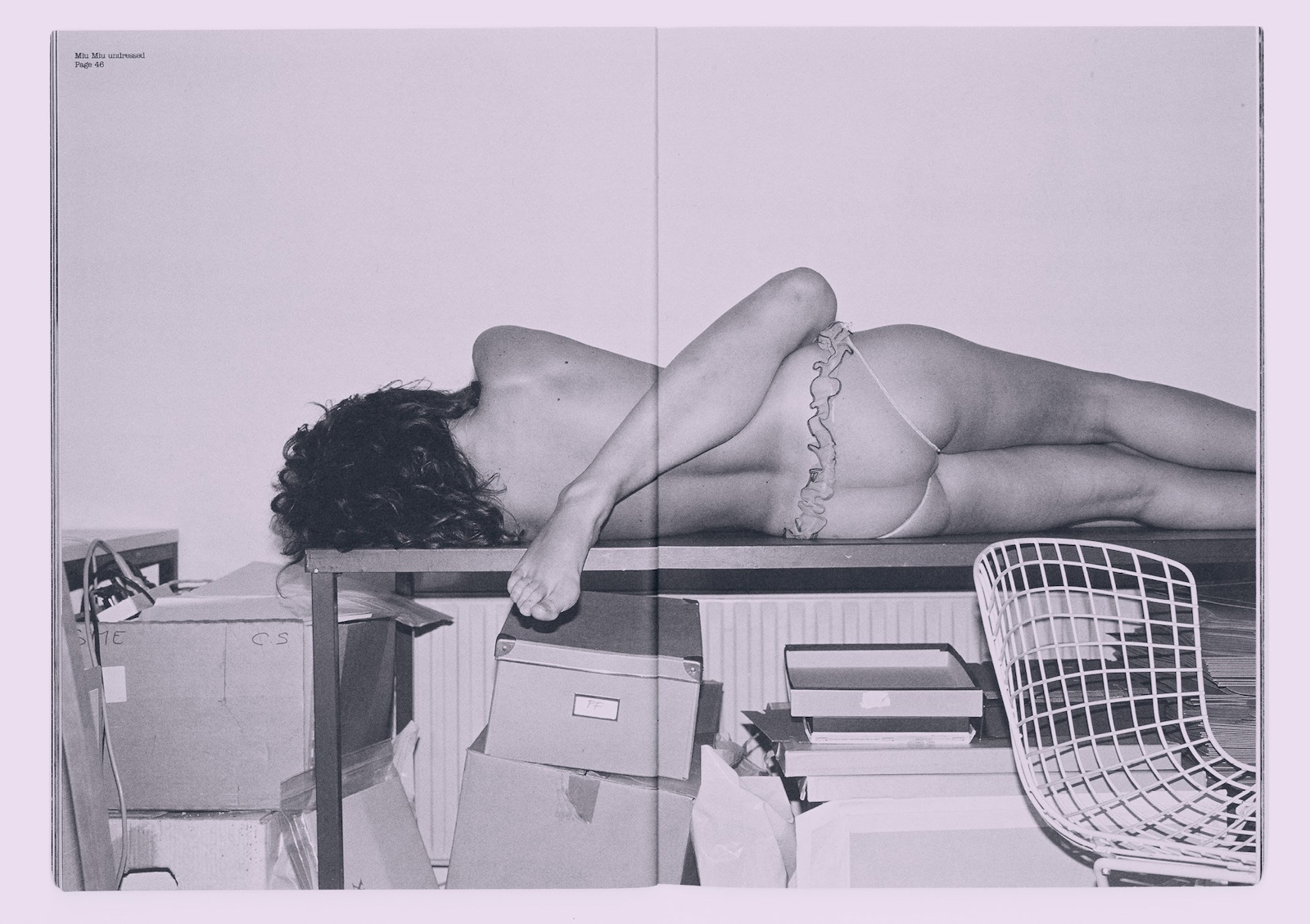
The re-publication of KUTT is more than just a historical artifact; it is a cultural touchstone. It serves as a reminder of the power of independent media to shape narratives, build communities, and provide authentic representation when mainstream channels fall short. For those who remember its initial impact and for those discovering it for the first time, KUTT remains a vibrant, honest, and indispensable document of queer life.
KUTT is published by IDEA and is available now.