










The intricate connection between our sense of smell and the onset of headaches is a phenomenon that has long intrigued both the scientific community and individuals who experience these debilitating episodes. While often dismissed as a simple sensitivity, the neurological pathways involved reveal a complex interplay between olfactory stimuli and the brain’s pain response systems. Understanding this link can offer crucial insights for those seeking relief and for the development of more targeted therapeutic strategies.
The Neurological Basis of Scent-Triggered Headaches
At the heart of this phenomenon lies the direct wiring of the olfactory system to key areas of the brain that govern pain perception and alertness. When a potent scent encounters the delicate tissues of the nose, sinuses, or airways, it can initiate a cascade of neural signals. According to Dr. Halene, a leading neurologist specializing in headache disorders, this irritation can trigger inflammation and pain. For individuals with heightened sensitivity, the brain may interpret certain smells as a threat, a response that activates cranial and facial nerves. This neural activation can lead to changes in blood vessel diameter and the release of neurochemicals associated with pain, such as prostaglandins and substance P. The resulting symptoms can range from a dull pressure sensation to intense throbbing pain, often accompanied by nausea, photophobia (sensitivity to light), and dizziness.
Dr. Halene further notes a general principle for those susceptible to fragrance-induced headaches: "The stronger and more artificial the scent, the more likely it is to trigger a headache." This suggests that synthetic fragrances, often containing a complex blend of volatile organic compounds (VOCs), may present a greater challenge to the olfactory system’s processing mechanisms compared to natural scents. Research into the chemical composition of popular perfumes and air fresheners has identified numerous compounds, such as phthalates, aldehydes, and limonene, which have been implicated in respiratory irritation and neurological effects in sensitive individuals.
The Impact of Pharmaceutical Interventions on Scent Perception
Beyond environmental triggers, recent observations have highlighted a fascinating, albeit still under investigation, connection between certain pharmaceutical interventions and shifts in scent perception, potentially influencing headache susceptibility. Specifically, the use of GLP-1 receptor agonists, such as semaglutide, commonly prescribed for type 2 diabetes and weight management, has been associated with altered responses to fragrances. Many patients report that perfumes they once enjoyed now smell overwhelmingly strong, excessively sweet, or even nauseating. This phenomenon underscores the profound and often unpredictable ways in which systemic medications can interact with sensory processing centers in the brain. While the exact mechanisms are still being elucidated by scientists, it is hypothesized that these medications might influence neurotransmitter levels or alter the sensitivity of olfactory receptors, leading to a recalibration of scent appreciation. This can, in turn, indirectly impact headache triggers, as a previously tolerated scent might now elicit a negative physiological response.
Deciphering the Desire for "Fresh" and "Clean" Scents
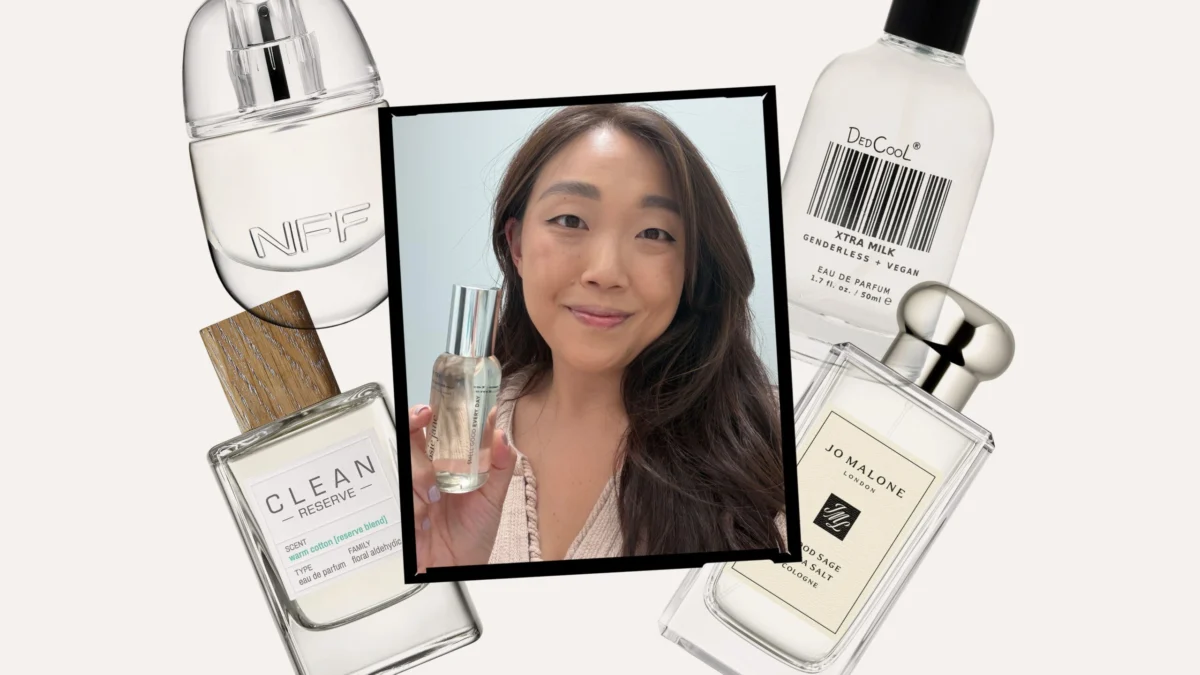
The common request for fragrances that smell "fresh" or "clean" goes beyond a mere preference for a particular aroma; it reflects a deeper desire for a sensory experience that evokes feelings of purity, lightness, and well-being. Perfumers and scent experts explain that these descriptors are often associated with specific scent families and molecular profiles that avoid heaviness or overpowering notes.
According to scent consultant Trizzino, "Citrus notes provide a bright, uplifting quality, while aldehydes contribute a crisp, almost soapy effervescence. White and skin musks lend a soft, intimate feel, creating a scent that is close to the body without being cloying." This olfactory palette is further enriched by delicate floral notes like muguet (lily of the valley), peony, freesia, neroli, and orange blossom. Watery accords, green notes reminiscent of freshly cut grass or leaves, and sheer woods also play a crucial role in crafting these desired clean and fresh profiles. These elements combine to create an impression of airy sophistication, avoiding the dense, syrupy, or overly sweet characteristics that can be perceived as heavy or cloying.
Trizzino elaborates on what consumers are actively seeking to avoid when they request fresh or clean scents: "They are often trying to steer clear of anything too sweet, too syrupy, too smoky, too powdery, too sexy, or too loud." This indicates a preference for fragrances that are versatile and unobtrusive, suitable for a wide range of everyday situations, from the workplace to casual errands and travel. The avoidance of specific scent profiles such as heavy vanilla, dense amber, pronounced patchouli, candied fruits, smoky woods, or intense white florals further defines this olfactory preference for understated elegance and a sensation of effortless purity. This desire for a "clean" scent can be seen as a form of olfactory decluttering, seeking a fragrance that enhances rather than overwhelms, promoting a sense of personal hygiene and refined simplicity.
Rigorous Evaluation: Allure’s Approach to Product Testing
The process by which publications like Allure evaluate beauty products, including fragrances, is a meticulous and multi-faceted undertaking designed to provide consumers with reliable and insightful recommendations. Their editorial team employs a comprehensive testing methodology that scrutinizes products from every conceivable angle. This includes a detailed examination of ingredient lists to identify efficacy and potential allergens, a critical evaluation of brand claims against scientific evidence, and, when necessary, a review of peer-reviewed scientific and medical studies to support or refute product performance assertions.
When compiling lists of recommended products, such as the "best fresh perfumes," Allure‘s editors assess each item across five primary categories: ingredient quality and efficacy, packaging design and functionality, the fragrance profile itself, the product’s texture and sensory experience, and its overall wear performance. Every product included in their reviews is deemed to have excelled in these areas, as determined by their in-house writing and editorial staff, as well as a network of freelance contributors and industry professionals, including makeup artists. This rigorous approach ensures that recommendations are grounded in both expert opinion and practical, real-world testing, providing consumers with a high degree of confidence in the featured products. The publication emphasizes its commitment to transparency by making its detailed reporting and testing processes publicly available on its methodology page, allowing consumers to understand the basis for their recommendations.
A Diverse Team for Comprehensive Assessment
The philosophy underpinning Allure‘s product testing extends to the composition of its evaluation team. Recognizing that beauty is a deeply personal endeavor, the publication stresses the importance of a diverse range of testers and reviewers to ensure that their recommendations are relevant and accurate for a broad spectrum of consumers. Whether an individual is seeking a solution for persistent dryness, exploring new self-care routines, or simply interested in the latest product launches, Allure aims to provide guidance that resonates with unique needs and concerns.
The publication proudly highlights its commitment to inclusivity, stating that its staff comprises individuals of varying ages, skin tones, hair textures, genders, and backgrounds. This diversity is considered essential for fairly assessing the efficacy and suitability of any beauty product. For instance, the magazine questions the validity of labeling a skincare product as "best for people over 50" if the testing pool consists solely of individuals under 30, or deeming a high-end diffuser "worthy of investment" without testing it on diverse hair types. This commitment to a wide-ranging testing panel ensures that Allure‘s recommendations are not only scientifically sound but also practically applicable and relatable to its diverse readership, fostering trust and empowering informed purchasing decisions within the beauty market.
Broader Implications and Future Research
The ongoing exploration of the scent-headache connection has significant implications for public health and the fragrance industry. As awareness grows regarding the potential for certain scents to trigger migraines and other headache disorders, there may be increased demand for fragrance-free or low-fragrance product alternatives. This could spur innovation in the development of hypoallergenic and scent-neutral formulations across a wide range of consumer goods, from personal care products to household cleaners and air fresheners.
Furthermore, the insights gained from understanding the neurological pathways involved in scent-triggered pain could pave the way for novel therapeutic interventions for headache sufferers. Future research may focus on identifying specific olfactory receptors or neural pathways that are disproportionately involved in triggering headaches, potentially leading to the development of targeted treatments that modulate these pathways without compromising the overall sense of smell. The evolving understanding of scent perception, influenced by factors ranging from genetics to medication, also suggests a future where personalized scent recommendations and avoidance strategies could become more prevalent, enhancing the well-being and quality of life for a significant portion of the population. The continuous dialogue between consumers, scientific researchers, and industry professionals will undoubtedly shape a more nuanced and health-conscious approach to the world of fragrance.