










The phenomenon of fast fashion, characterized by cheap, trendy clothing produced at breakneck speed, has emerged as a significant driver of environmental degradation, worker exploitation, and animal suffering globally. This in-depth analysis delves into the mechanisms, history, and profound implications of this industrial model, offering a comprehensive overview of why it has become imperative to reconsider our consumption habits.
A Rapid Ascent and a Tragic Reality Check
The contemporary fashion industry, now a pervasive force in global commerce, was not always defined by its current destructive pace. Historically, clothing acquisition was a deliberate and infrequent event, tied to seasonal changes or necessity. However, a profound transformation began in the 1980s, marked by declining clothing prices, accelerating trend cycles, and the popularization of shopping as a leisure activity. This shift paved the way for the dominance of fast fashion, with global retail chains rapidly expanding their physical footprints on high streets and their digital presence online. By the early 2000s, fast fashion was in full swing, offering consumers an unprecedented array of affordable, celebrity-inspired styles straight from the catwalk. This seemingly innocuous convenience, however, concealed a complex web of detrimental impacts.
The true cost of this accelerated consumption was brutally exposed on April 24, 2013, when the Rana Plaza garment factory complex in Savar, Bangladesh, collapsed. The disaster claimed the lives of over 1,134 workers and injured more than 2,500, making it the deadliest garment factory accident in history. This catastrophe served as a stark, global reality check, forcing consumers and policymakers alike to confront the hidden human price behind inexpensive clothing. Investigations revealed widespread structural failures, illegal building practices, and a culture of prioritizing speed and cost-cutting over worker safety. The incident ignited widespread public outrage and catalyzed movements like Fashion Revolution Week, prompting critical questions about the ethics of global supply chains and the true value of a five-dollar T-shirt. While many consumers are now acutely aware of fast fashion’s dark underbelly, understanding its historical trajectory and systemic issues is crucial for fostering meaningful change.
Defining the Engine of Disposable Trends
Fast fashion can be precisely defined as the mass production of inexpensive, high-volume clothing that rapidly translates current catwalk trends and celebrity styles into garments for public consumption. The core objective is to minimize the time between a design concept and its availability in retail outlets, allowing shoppers to purchase the latest looks at their peak popularity. This model actively cultivates a culture of disposability, where garments are often worn only a handful of times before being discarded, fueled by the implicit notion that "outfit repeating" is a social faux pas. It is a cornerstone of a larger, toxic system of overproduction and overconsumption, cementing the fashion industry’s position as one of the world’s most significant polluters.
Key characteristics that define a fast fashion brand include:
- Rapid Trend Replication: An ability to quickly copy high-fashion designs and introduce them to the mass market within weeks, sometimes days.
- Frequent New Collections: Instead of traditional seasonal collections, fast fashion brands often release new items multiple times a week, creating up to 52 "micro-seasons" a year.
- Low Prices: Garments are sold at exceptionally low price points, making them accessible to a broad consumer base and encouraging impulse buying.
- Poor Quality and Durability: To achieve low prices and quick production, cheaper materials and manufacturing processes are used, resulting in garments with a short lifespan.
- Aggressive Marketing: Heavy reliance on social media, influencer collaborations, and constant promotions to drive demand and perpetuate the cycle of newness.
- Opaque Supply Chains: Often characterized by complex, globalized manufacturing networks that make transparency and accountability challenging.
A Historical Trajectory: From Craft to Crisis
To comprehend the genesis of fast fashion, one must trace the evolution of clothing production. Before the 1800s, fashion operated at an inherently "slow" pace. Garments were typically handmade, requiring significant time and effort to source raw materials like wool, linen, or leather, process them, weave fabric, and construct clothing. This meant wardrobes were smaller, and items were cherished and repaired.
The advent of the Industrial Revolution in the late 18th and 19th centuries fundamentally altered this paradigm. Innovations such as the power loom and, crucially, the sewing machine, mechanized textile and garment production, making clothes significantly easier, quicker, and cheaper to manufacture. This period saw the rise of specialized dressmaking shops catering to the burgeoning middle classes. However, it also marked the emergence of the "sweatshop" system, characterized by poor working conditions, long hours, and low wages. A grim precursor to future tragedies, the Triangle Shirtwaist Factory fire in New York City in 1911 claimed 146 lives, predominantly young immigrant women, highlighting the inherent safety risks and exploitation embedded in early mass garment production.
By the 1960s and 1970s, societal changes fostered a greater emphasis on individual expression through fashion, leading to a desire for larger and more diverse wardrobes. The crucial acceleration into what we now recognize as fast fashion began in the 1980s. European retailers like Zara and H&M pioneered "quick response" manufacturing models. Initially, they outsourced garment sewing locally, but as labor and real estate costs rose, they increasingly shifted production to countries with lower wages, particularly in Asia. This strategic move drastically reduced production costs and accelerated delivery times.
The 1990s and 2000s witnessed the full-scale globalization of this model. Brands like H&M, Zara, and Topshop expanded their offshore manufacturing networks, becoming ubiquitous fixtures in shopping malls and high streets worldwide. Their strategy was simple yet revolutionary: swiftly appropriate design elements and trends from high fashion houses and reproduce them cheaply and en masse. This democratized access to trendy clothing, making it possible for virtually anyone to dress like their favorite celebrity, whenever they desired. The term "fast fashion" itself was reportedly coined by The New York Times in the early 1990s to describe Zara’s then-unprecedented ability to move a garment from design concept to store shelves in just 15 days.
The Multi-Faceted Impact: A Global Crisis
The seemingly endless stream of affordable new styles comes at an immense and often invisible cost, impacting the planet, its inhabitants, and even the consumers themselves.
1. Polluting Our Planet: An Environmental Catastrophe
Fast fashion’s environmental footprint is staggering. The relentless pressure to minimize costs and accelerate production often leads to significant corners being cut in environmental protection.
- Water Pollution: The industry is one of the largest polluters of clean water globally, second only to agriculture. This is largely due to the extensive use of cheap, toxic textile dyes and chemicals, particularly in countries with lax environmental regulations. The discharge of these untreated effluents into rivers contaminates ecosystems, harms aquatic life, and poses severe health risks to communities reliant on these water sources. Greenpeace’s "Detox Fashion" campaigns have long pressured brands to eliminate hazardous chemicals from their supply chains.
- Resource Depletion and Water Scarcity: Growing conventional cotton, a staple fiber in fast fashion, is incredibly water-intensive, requiring approximately 2,700 liters of water to produce just one cotton T-shirt. This demand, concentrated in regions like India and China, exacerbates drought risks, strains freshwater basins, and creates competition for resources between industries and local populations.
- Plastic Microfiber Contamination: Polyester, derived from fossil fuels, is one of the industry’s most popular synthetic fabrics. Its production contributes to global warming, and its use leads to a significant problem: microfibers. Every wash cycle of synthetic clothing releases thousands of tiny plastic fibers into waterways, which eventually make their way into oceans, contributing to alarming levels of plastic pollution. These microfibers are ingested by marine life and can enter the human food chain.
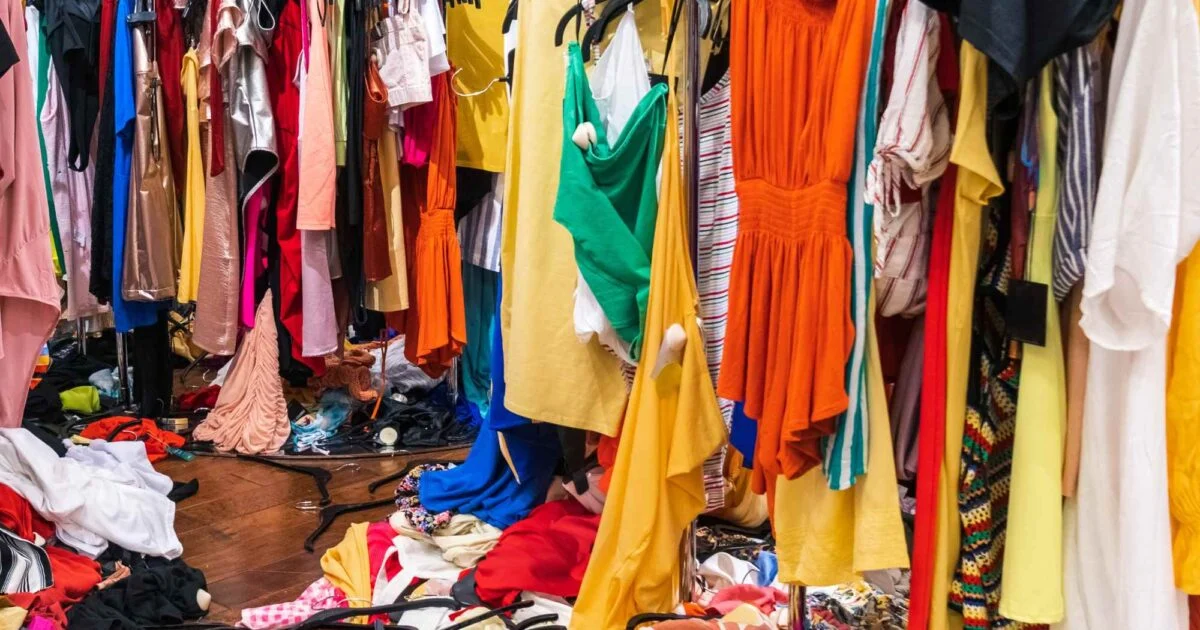
- Textile Waste Crisis: The rapid turnover of trends and the poor quality of fast fashion garments lead to an enormous volume of textile waste. While precise global figures are challenging to ascertain, estimates suggest that the equivalent of one garbage truck of textiles is landfilled or incinerated every second. Visual evidence of this crisis is stark, such as the illegal textile waste dumps in Chile’s Atacama Desert, where an estimated 39,000 tonnes of discarded clothing accumulate annually, forming a pile so vast it is visible from space.
- Deforestation and Biodiversity Loss: The high demand for raw materials contributes to land clearing for monoculture crops like cotton or for materials like viscose (rayon), which can be sourced from ancient and endangered forests. Leather production, in particular, is linked to deforestation for cattle ranching, contributing to habitat destruction and biodiversity loss, alongside the environmental burden of toxic chemicals used in tanning processes.
- Carbon Emissions: The fashion industry is responsible for an estimated 8-10% of global greenhouse gas emissions, surpassing the combined emissions of all international flights and maritime shipping. This includes emissions from material production, manufacturing, transportation, and waste disposal.
2. Exploiting Workers: A Human Toll
Beyond the environmental devastation, fast fashion carries a significant human cost, particularly for garment workers and farmers in global supply chains.
- Dangerous Working Conditions and Low Wages: Millions of garment workers, predominantly women, labor in dangerous environments, often for poverty wages that fall far below living wage standards. They frequently lack fundamental human rights, including the right to organize, safe working conditions, and fair compensation. Brands’ relentless pursuit of lower costs and faster production times exerts immense pressure on suppliers, which is then passed down to workers through suppressed wages and extended working hours.
- Instability and Lack of Investment: Fast fashion brands often avoid long-term commitments with their supplier factories, fostering instability. This prevents factories from making crucial investments in infrastructure improvements, worker welfare, or transitioning to cleaner energy sources.
- Chemical Exposure: Further down the supply chain, farmers cultivating cotton or other fibers may be exposed to highly toxic pesticides and chemicals, leading to severe physical and mental health issues, a plight powerfully documented in films like "The True Cost."
3. Harming Animals: Ethical Breaches
Animals are directly and indirectly impacted by the fast fashion model.
- Pollution in Ecosystems: The toxic dyes and microfibers released into waterways are ingested by both terrestrial and marine life, accumulating in the food chain with devastating health consequences.
- Animal-Derived Products: The use of animal-derived materials like leather, fur, and even wool often involves practices that compromise animal welfare. Numerous scandals have exposed instances where real fur, including that from cats and dogs, has been mislabeled and sold as "faux fur" to unsuspecting consumers. The demand for these materials drives intensive animal agriculture, which itself has significant environmental and ethical implications.
4. Coercing Consumers: A Culture of Dissatisfaction
Fast fashion’s influence extends to consumer behavior, fostering a throwaway culture driven by two primary factors: the inherent poor quality and built-in obsolescence of products, and the relentless speed at which new trends emerge. This creates a constant sense of need and ultimate dissatisfaction, as consumers are encouraged to perpetually chase the latest styles, often discarding items after only a few wears. This model has also faced significant criticism on intellectual property grounds, with numerous independent designers alleging that fast fashion retailers illegally mass-produce their unique designs without attribution or compensation.
The Big Players and the Rise of Ultra-Fast Fashion
Many of today’s fast fashion giants, such as H&M (founded in Sweden in 1947 as Hennes) and Zara (opened its first store in Spain in 1975), began as smaller retailers in Europe. H&M, expanding globally through the latter half of the 20th century, and Zara, which famously revolutionized speed in the 1990s, set the benchmark for this business model. Other prominent names include GAP, Primark, and Topshop.
However, the landscape has evolved further with the emergence of "ultra-fast fashion" brands like SHEIN, Temu, Missguided, and Fashion Nova. These digital-first entities have pushed the boundaries of overproduction and overconsumption to unprecedented levels, often introducing thousands of new products daily. Their highly optimized, data-driven supply chains, aggressive social media marketing, and even lower price points represent an intensified version of the fast fashion model, amplifying its negative impacts.
The Illusion of Green: Fast Fashion’s Greenwashing Tactics
As consumer awareness of fashion’s environmental and social toll grows, fast fashion retailers have increasingly responded with so-called "sustainable" initiatives. These often include in-store recycling schemes, where customers can drop off unwanted garments. However, the efficacy of such programs is often minimal; studies indicate that only about 0.1% of all clothing collected by charities and take-back programs is actually recycled into new textile fibers. The vast majority ends up in landfills, is incinerated, or is downcycled into lower-value products like insulation.
Similarly, "eco-collections" or "vegan clothing ranges" from fast fashion brands, while seemingly positive, typically represent a minuscule fraction of their overall production. Marketing claims highlighting the use of organic or recycled fibers can be misleading without transparency regarding the brand’s entire materials mix and overall environmental performance. These tactics often constitute "greenwashing," designed to create a perception of environmental responsibility that is disproportionate to the brand’s actual impact. The fundamental issue remains the inherent business model of fast fashion—its speed and volume—which is incompatible with true sustainability, regardless of individual product initiatives. Systemic change, not superficial adjustments, is required.
The Future of Fashion: A Collective Responsibility
While the fashion industry has seen some shifts towards greater awareness, progress often feels slow, hampered by governmental inaction and the powerful lobbying efforts of established brands. The annual observance of Fashion Revolution Week, marking the Rana Plaza anniversary, has become a global platform for demanding transparency and accountability, with consumers asking "Who made my clothes?" and "What’s in my clothes?". There is also a growing interest in adopting circular fashion models, emphasizing the reuse and recycling of materials to minimize waste.
However, a significant gap persists between consumer intention and actual behavior. While younger generations, particularly Millennials and Gen Z, express heightened concern for climate change, they paradoxically remain major drivers of the fast fashion economy. Ultra-fast fashion brands like SHEIN continue to thrive, with young shoppers constituting their primary market. Some analysts pin their hopes on Generation Alpha, suggesting they may be the generation to translate environmental awareness into decisive action. Yet, similar hopes were held for preceding generations, underscoring that waiting for future generations to solve present problems is an insufficient strategy.
The onus for change extends beyond individual consumers. In recent years, there has been a significant push for governmental and industry-wide regulations. Policies are emerging globally, such as the EU Strategy for Sustainable and Circular Textiles, which aim to hold brands responsible for the entire lifecycle of their garments, encouraging reuse, repair, and genuine recycling. California’s Garment Worker Protection Act also represents a critical step towards greater labor protection. These regulations, though often criticized for not going far enough, are vital steps towards systemic transformation. In the face of a looming climate catastrophe, regulating industries like fashion, which are responsible for alarming levels of waste and carbon emissions, is imperative to align with targets like the Paris Agreement’s goal of limiting global warming to 1.5°C.
Empowering Change: Shifting Consumption Habits
The path toward a more sustainable and ethical fashion future requires a collective effort, starting with a fundamental shift in consumption habits. British designer Vivienne Westwood’s timeless advice resonates profoundly: "Buy less, choose well, make it last."
- Buy Less: The initial and most impactful step is to reduce overall consumption. This can involve rediscovering and restyling existing wardrobe items, participating in clothing swaps with friends, or curating a versatile capsule wardrobe. For special occasions, renting outfits can provide novelty without the burden of ownership.
- Choose Well: When purchasing new items, prioritize high-quality garments made from lower-impact materials. Understanding the environmental and social implications of different textile types is crucial; resources like comprehensive material guides can inform better choices. This also means actively supporting brands committed to ethical and sustainable practices, or embracing second-hand shopping as a primary mode of acquisition.
- Make it Last: Extend the lifespan of clothing through proper care, adhering to laundry instructions, mending damaged items, and wearing them until they are truly worn out. At the very end of their life, garments should be responsibly recycled or disposed of through appropriate channels.
Educating for Impact and Embracing Slow Fashion
Becoming informed about the complexities of fast fashion and the transformative potential of sustainable alternatives is paramount. Documentaries like "The True Cost" and investigative reports offer invaluable insights. Exploring the principles of "slow fashion"—which champions quality, durability, ethical production, and timeless design—provides a responsible alternative to the fast fashion paradigm.
Several brands are actively embodying the principles of slow, circular, and sustainable fashion:
- Afends: Born in Byron Bay, Australia, Afends champions hemp fashion, drawing inspiration from the environment and surf culture. They cultivate their own hemp crops, demonstrating a commitment to sustainable material innovation.
- Q for Quinn: This brand offers sustainable, non-toxic, and eczema-friendly clothing for all ages, prioritizing organic and responsibly sourced materials in their essentials.
- ISTO.: A Portuguese brand dedicated to timeless, seasonless wardrobe staples. ISTO. emphasizes quality over quantity, using organic materials and maintaining transparency about the true cost of their garments.
- tentree: A Canadian brand with a profound commitment to reforestation, planting ten trees for every item purchased. Their Earth-first approach ensures fair labor and the use of lower-impact and recycled materials.
- Goodnap: Crafting linen and organic cotton restwear, Goodnap supports survivors rebuilding their lives through dignified work in Cambodia, highlighting a strong social mission.
- Artknit Studios: Specializing in timeless knitwear made from 100% lower-impact materials by Italian artisans, Artknit Studios adheres to a "buy less, buy better" philosophy and anti-waste practices.
- Outland Denim: This Australian brand produces premium denim jeans while offering employment and training opportunities for women rescued from human trafficking in Cambodia, demonstrating a powerful social impact.
- Harvest & Mill: Focused on basics, Harvest & Mill’s pieces are grown, milled, and sewn exclusively in the US, using undyed, unbleached organic cotton to reduce water and energy consumption and bolster biodiversity.
- Mashu: A British vegan accessories label creating stylish handbags with vegan leather alternatives and interiors from recycled polyester, proving that ethics and style can coexist.
- ARTICLE22: This brand creates unique jewelry handcrafted in Laos from recycled materials derived from Vietnam War bombs and other aluminum scraps, embodying radical innovation while supporting artisans and bomb clearance efforts.
These brands represent a growing movement towards a fashion industry that respects people, the planet, and animals, offering a tangible alternative to the destructive cycle of fast fashion. The transition will require continued pressure from consumers, robust regulatory frameworks, and innovative business models that prioritize genuine sustainability over fleeting trends and unsustainable profits.