







The September 1962 edition of Esquire magazine published a seminal feature titled The Basic College Wardrobe, which served as a foundational packing list for the burgeoning collegiate gentleman of the early 1960s. More than six decades later, this document remains a significant artifact in the history of menswear, offering a masterclass in the principles of a capsule wardrobe—a concept that has gained renewed traction in the era of sustainable fashion. By examining the utility, design, and adaptability of the 1962 recommendations, contemporary observers can identify the enduring logic of a curated collection where every garment is selected for its ability to integrate seamlessly with others.

Historical Context and the Evolution of the Capsule Wardrobe
The 1962 list emerged during a period of transition in American men’s fashion. Post-war prosperity had granted a new generation of university students unprecedented access to a variety of styles, yet there remained a firm commitment to the "Ivy League" aesthetic—a look characterized by button-down collars, Shetland wools, and tailored flannel. The Esquire list was not merely a collection of items but a strategic deployment of resources, designed to ensure that a student could navigate academic life, formal social functions, and leisure time with a limited number of pieces.
In modern fashion analysis, a capsule wardrobe is defined by high interchangeability. The 1962 list achieved this by prioritizing neutral palettes and versatile fabrics. While the original article specified quantities—such as four pairs of chinos or specific counts of Oxford shirts—modern stylists recognize that the true value lies in the template rather than the exact inventory. Today’s professionals often adapt this framework to meet contemporary lifestyle demands, reducing total quantities while maintaining the integrity of the original structure.
The Architecture of the Three-Suit System
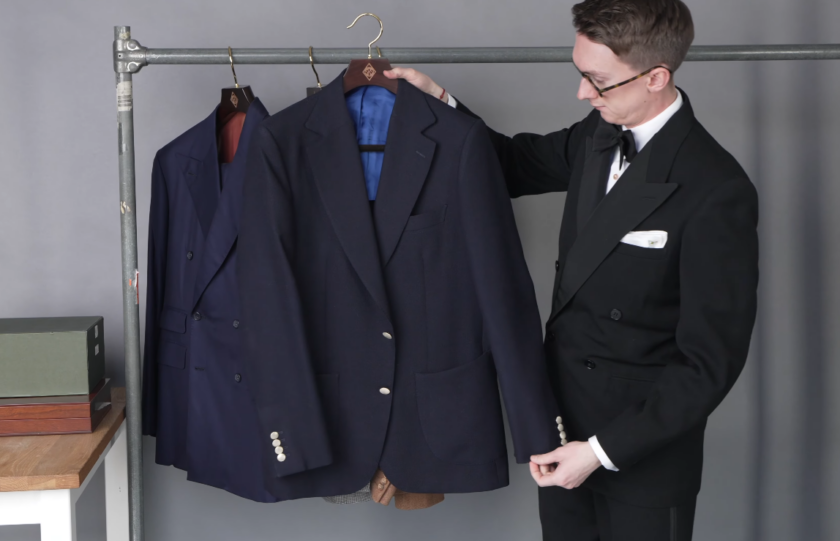
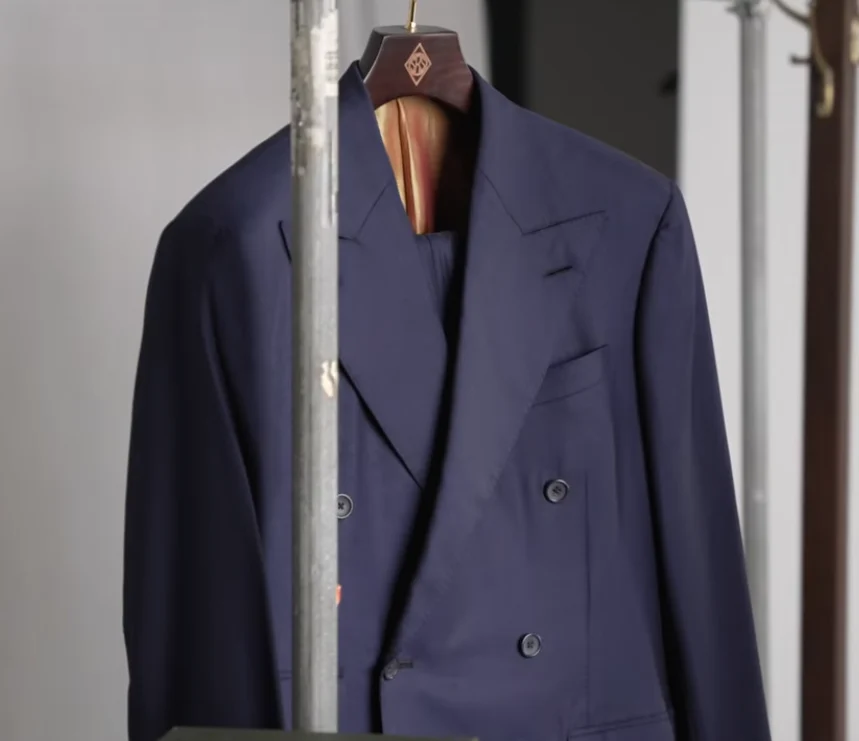
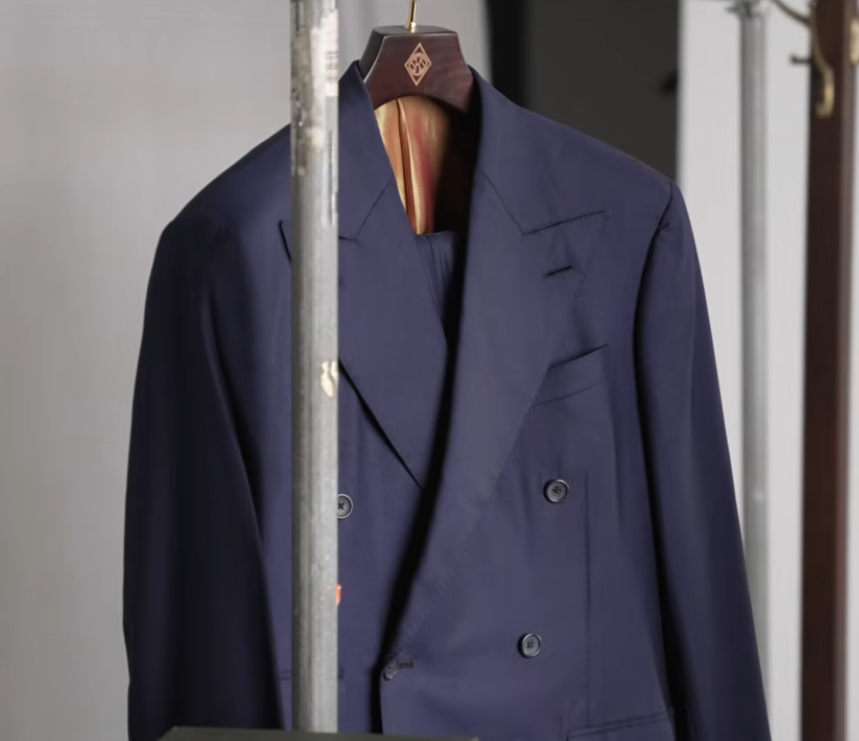
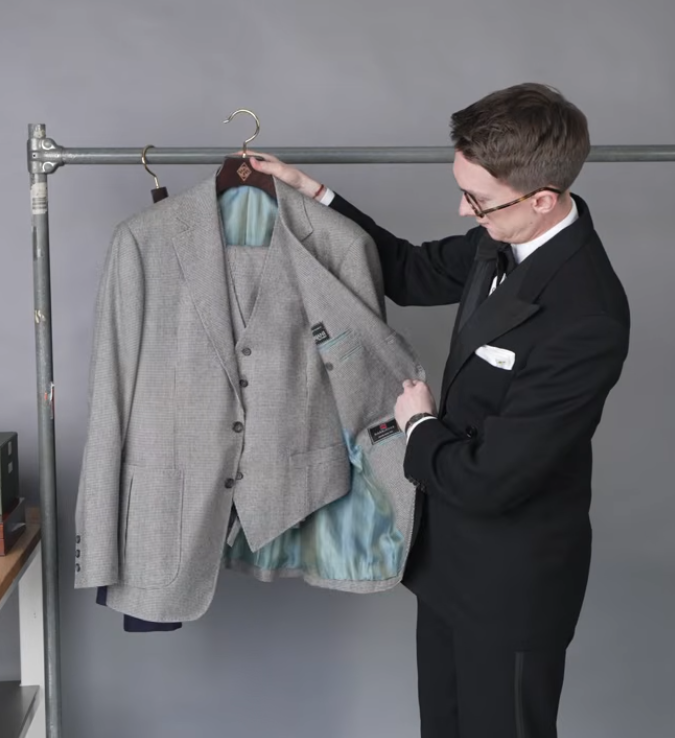
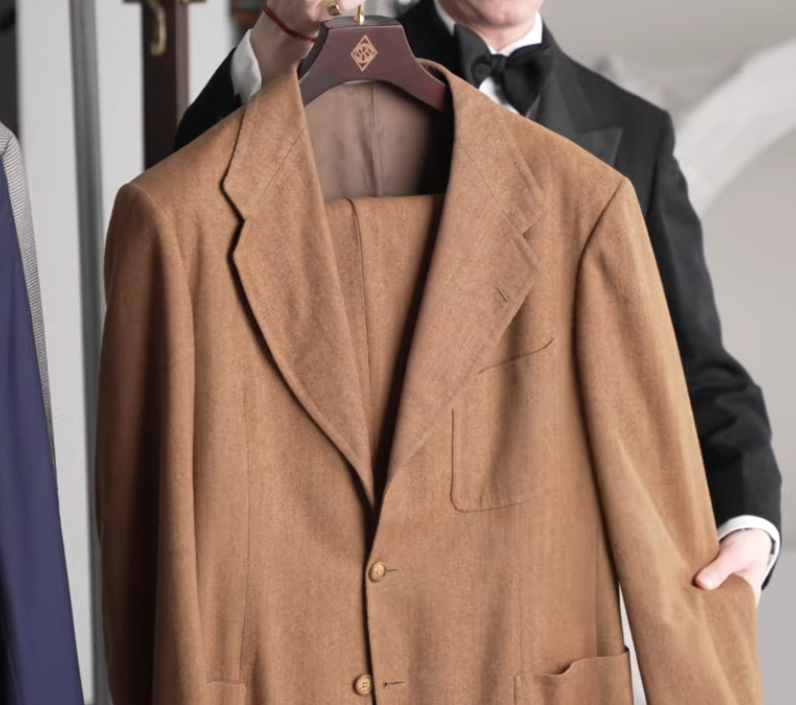
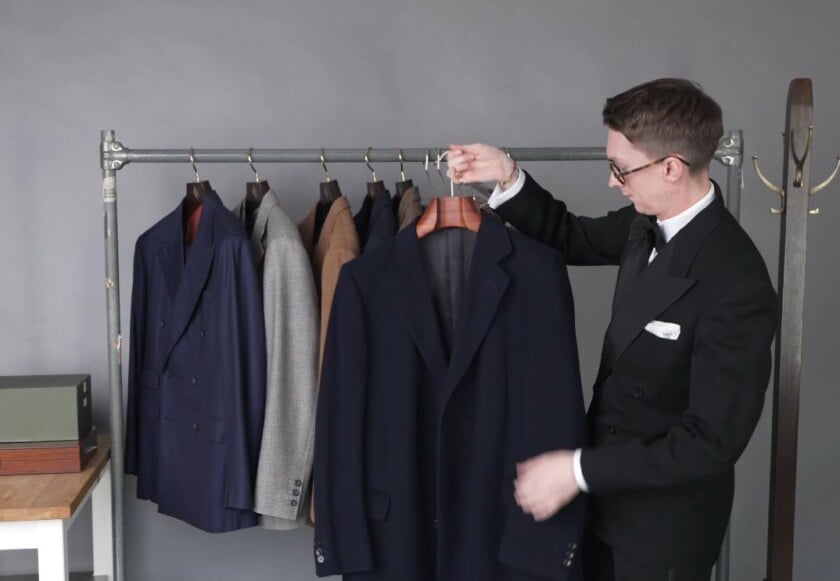
Central to the 1962 wardrobe strategy was the "Three-Suit Rule." The Esquire recommendation included a dark blue suit with a matching waistcoat, a medium gray flannel suit, and a textured tweed suit in a herringbone or neat pattern. This configuration remains the gold standard for versatility.
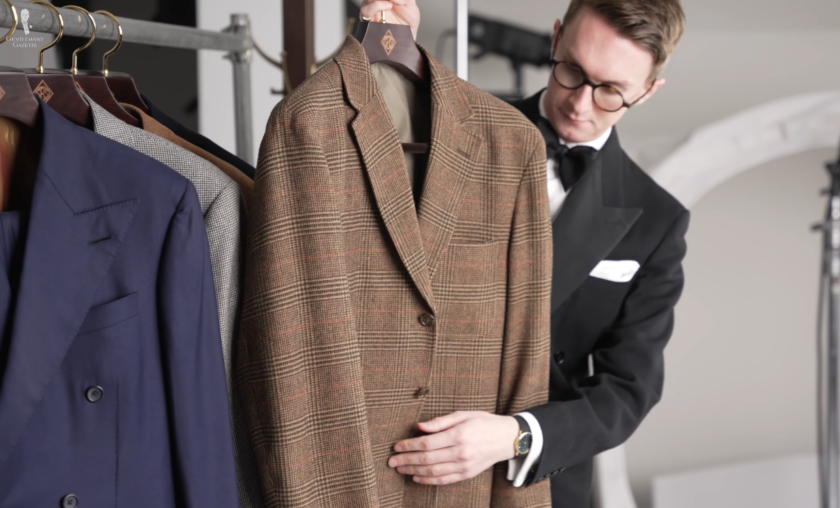
The contemporary interpretation of this system focuses on maximizing the utility of each component. For instance, replacing a standard single-breasted navy suit with a double-breasted model offers increased formality while allowing the jacket to function as a separate blazer. By opting for a mid-gray flannel suit with a puppytooth pattern and patch pockets, the jacket effectively loses its rigid formality, allowing it to be paired with odd trousers for a more relaxed, business-casual look. The third suit, ideally in a ginger or earth-toned herringbone tweed, provides the necessary texture to bridge the gap between formal and casual attire, ensuring that the wardrobe can function across a variety of settings.

Outerwear: Balancing Functionality and Aesthetic Tradition
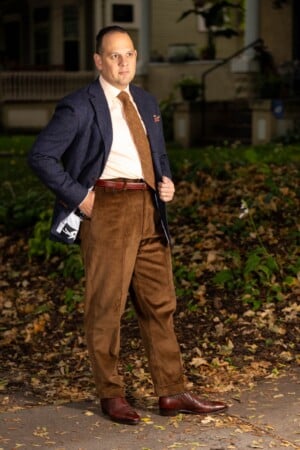
The original 1962 guidelines for outerwear were heavily influenced by the necessity of campus life in varying climates. A natural-color poplin raincoat—classically identified as the trench coat—was deemed essential. This garment has remained a permanent fixture in menswear due to its durability and timeless silhouette.
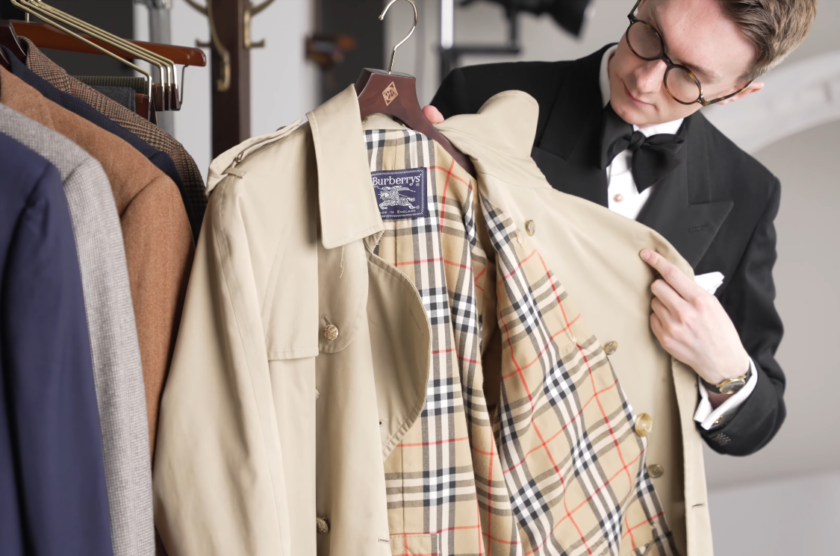
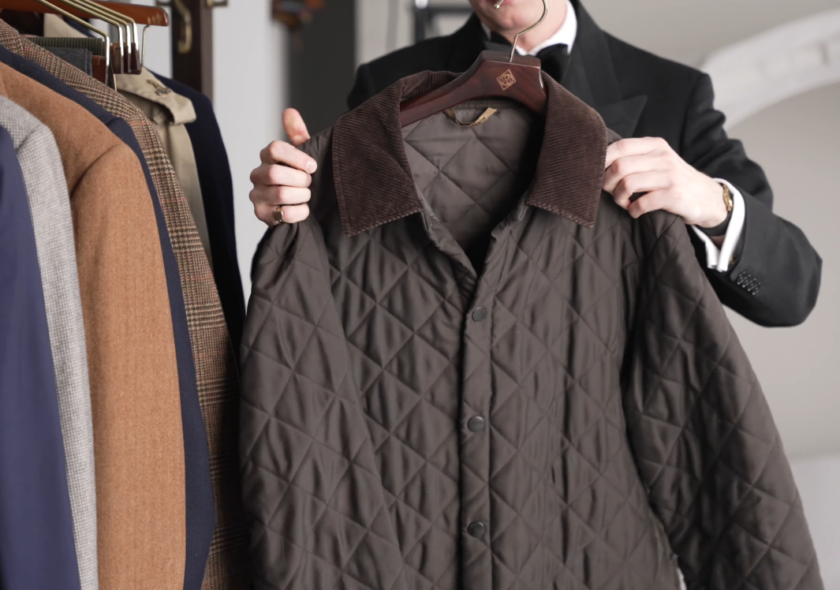
The evolution of the "stadium coat" provides a case study in how style requirements shift over time. The 1962 list suggested shearling or heavy corduroy coats, which have since fallen out of favor due to weight and maintenance issues. Modern curators have substituted these with quilted jackets, such as those popularized by Barbour. These pieces offer the necessary protection against cooler, damp weather while maintaining a slim profile that complements, rather than obscures, the tailored garments worn underneath. This shift reflects a broader trend toward functional minimalism, where the garment must provide utility without sacrificing the wearer’s silhouette.
Tailoring Shirt Quantities to Modern Needs
The 1962 Esquire list suggested a robust inventory of fifteen shirts, including nine Oxford cloth button-downs. For the modern professional, this volume is largely considered excessive, even for those adhering to traditional standards. The current consensus among style historians and tailors is that the ratio of shirt types remains more important than the absolute number.
A balanced contemporary collection might prioritize a core of white and light blue shirts, supplemented by a green awning stripe or a classic blue-and-white cutaway collar for variety. The inclusion of tab collars remains a stylistic choice for those seeking a more refined appearance, particularly when paired with a suit. Interestingly, the shift away from the heavy flannel shirts recommended in the sixties toward breathable, long-sleeve piqué knit polos highlights the move toward year-round comfort and material performance.
Neckwear and the Art of Versatility
The neckwear recommendations in the 1962 list are often cited as the most "evergreen" component of the entire guide. Silk repp striped ties, silk foulards with neat patterns, and knit ties provide a breadth of options that remain perfectly acceptable in today’s corporate and social environments.
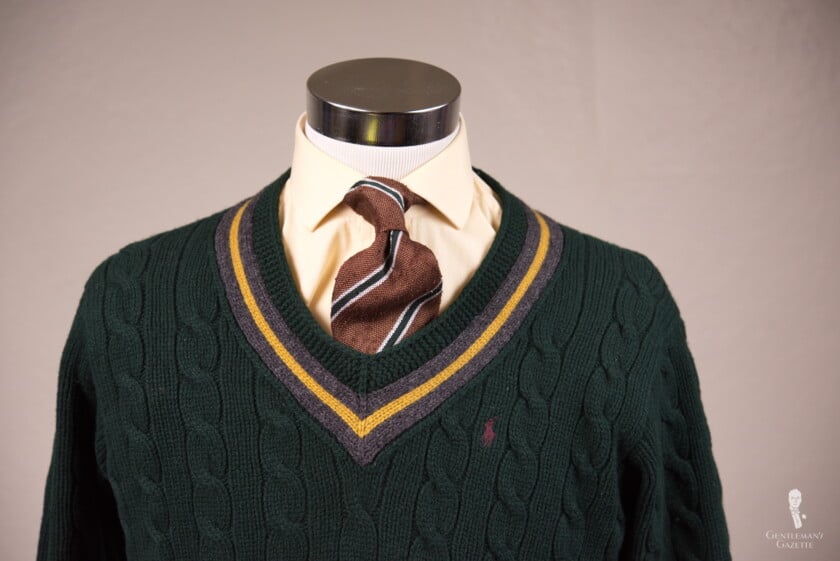
The modern approach to this category involves integrating textural variety. For example, a mottled knit tie or a grenadine silk provides a depth of visual interest that plain silk cannot match. By focusing on background colors that complement the existing suit and jacket inventory—namely navy, brown, and olive—the wearer ensures that any tie selected will harmonize with the rest of the wardrobe. This reduces the time spent on morning decision-making while maintaining a consistently polished appearance.
Knitwear and the Mid-Layer Strategy
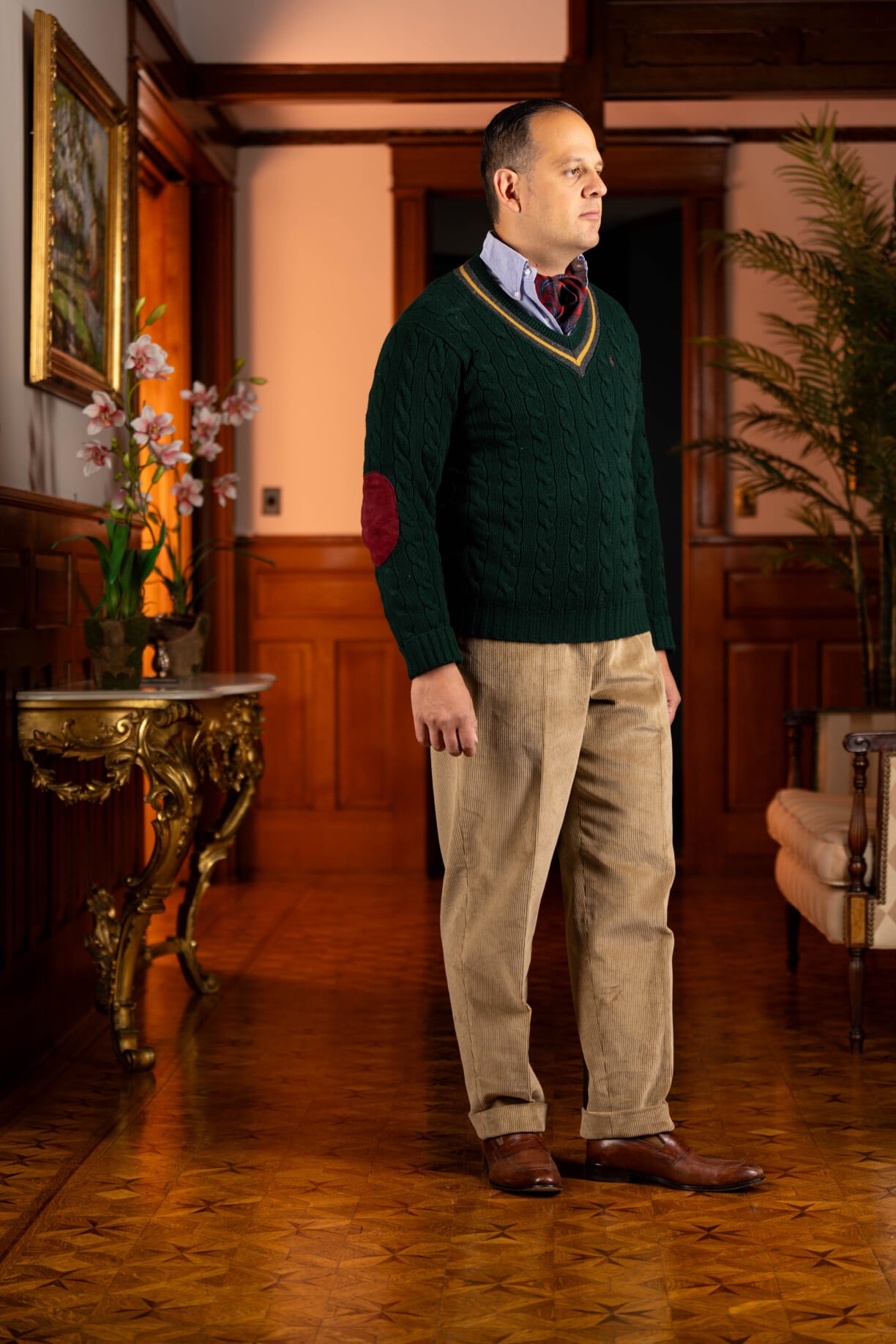
The 1962 guide emphasized the importance of the crew neck Shetland sweater. However, the V-neck sweater has arguably surpassed the crew neck in utility because it allows for a more visible shirt collar and tie combination, which is essential for formalizing the aesthetic.
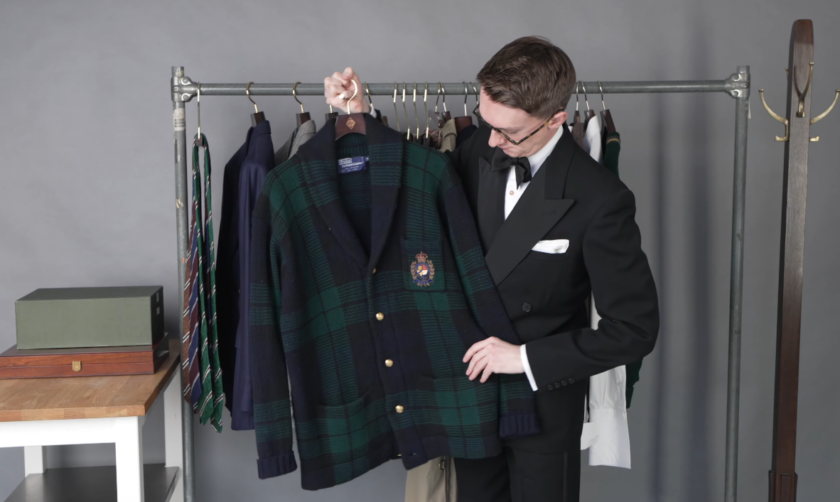
The addition of a shawl-collar cardigan, particularly in a pattern like Black Watch tartan, serves as an excellent blazer alternative. This allows for a "dressed-up" look that feels inherently relaxed. By utilizing contrasting buttons, such as brass, the cardigan bridges the gap between the casual comfort of loungewear and the formal structure of a tailored jacket.
Footwear: A Foundation of Quality
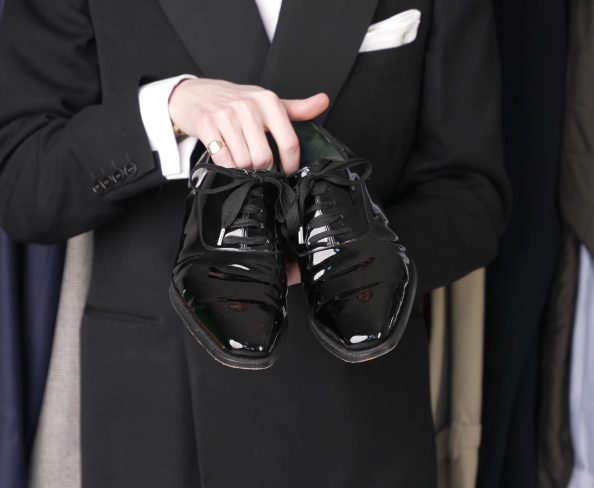
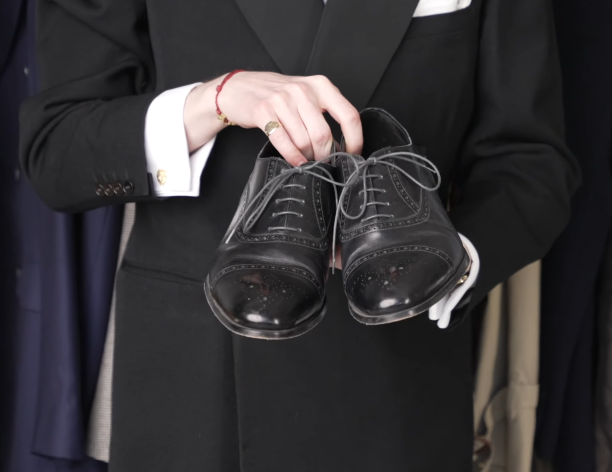
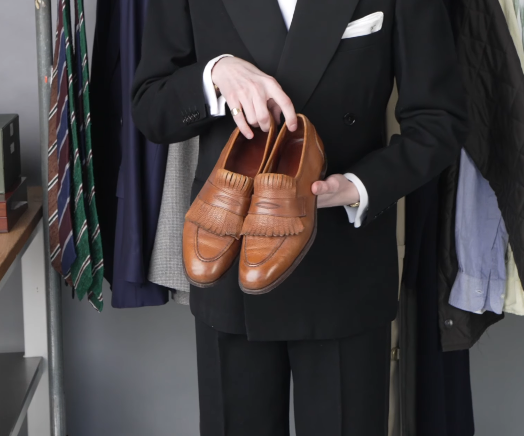
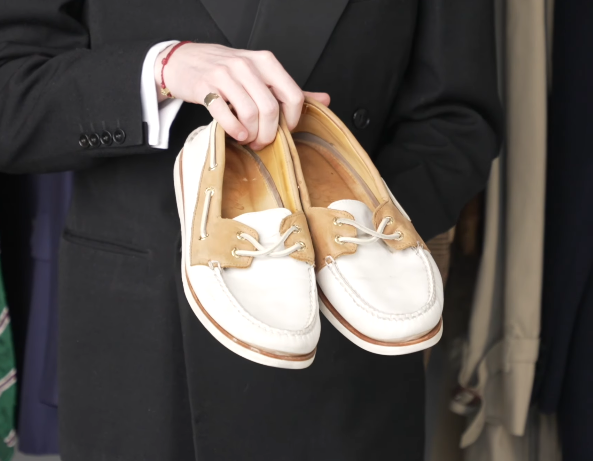
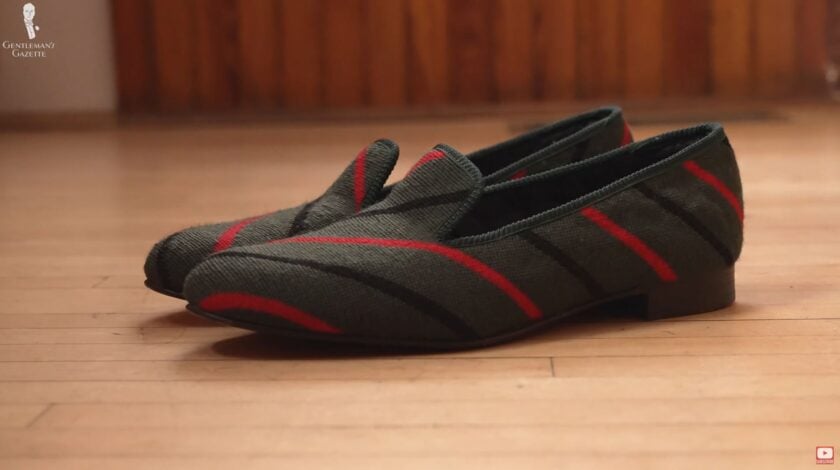
The 1962 inventory of shoes was surprisingly comprehensive, covering everything from black patent leather evening shoes to white-and-tan boat shoes. While few modern students or professionals require such a broad range of footwear, the principle of selecting shoes based on the texture and formality of the trousers remains valid.
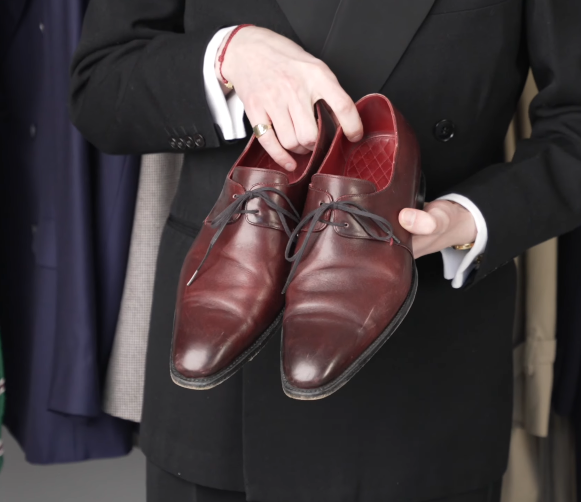
The inclusion of burgundy cordovan derby shoes serves as a vital point of interest, as this shade is famously versatile, pairing equally well with gray flannels and blue denim. The shift toward higher-quality, Goodyear-welted footwear represents a departure from the mid-century tendency toward disposable fashion, reflecting a contemporary focus on investment pieces that can be resoled and maintained for decades.
Black Tie and the Enduring Formal Standard
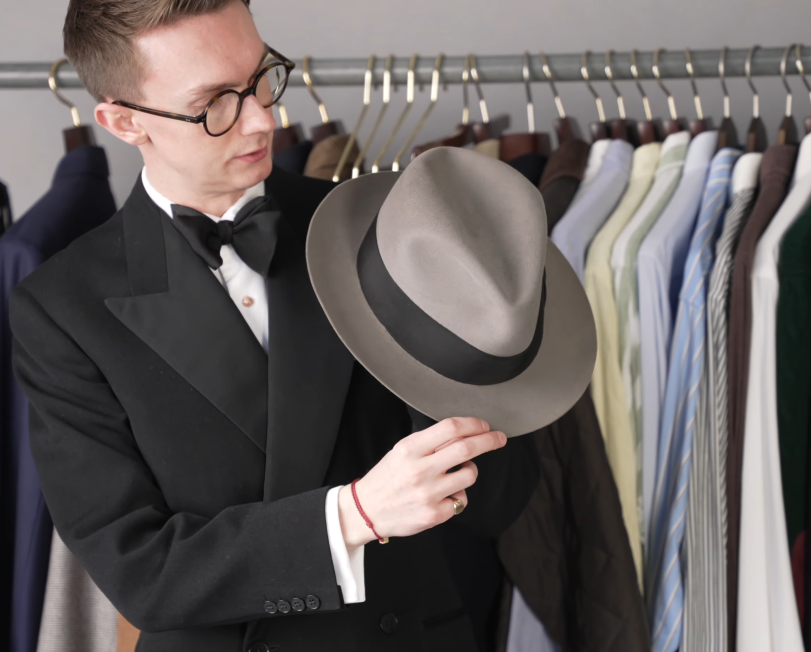
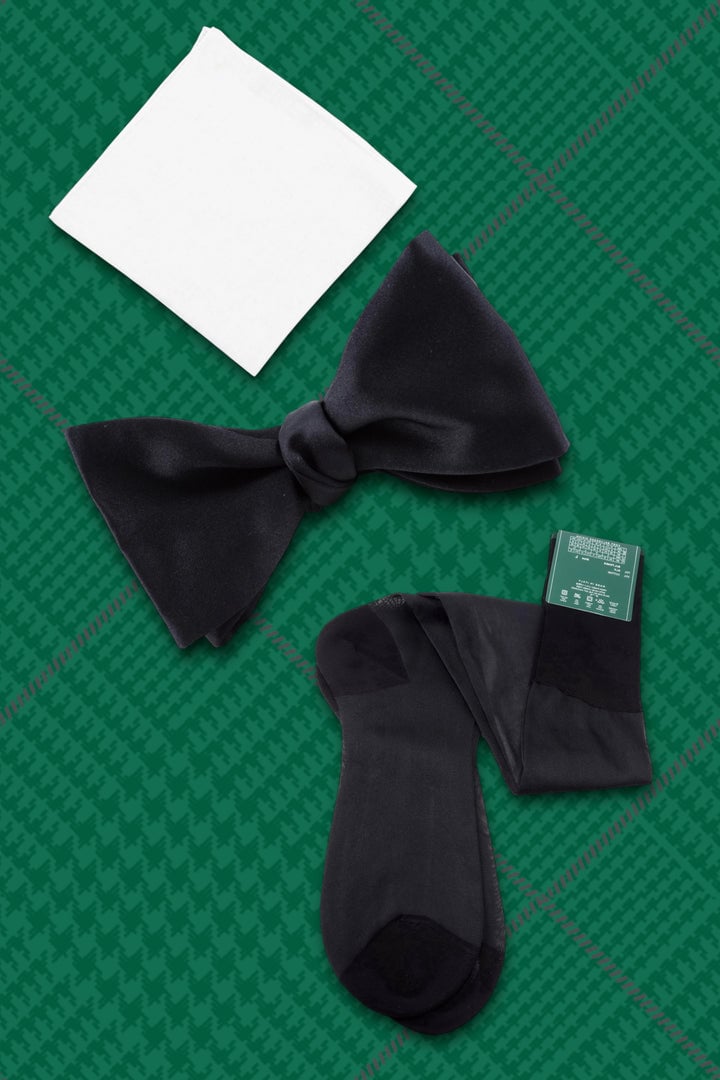
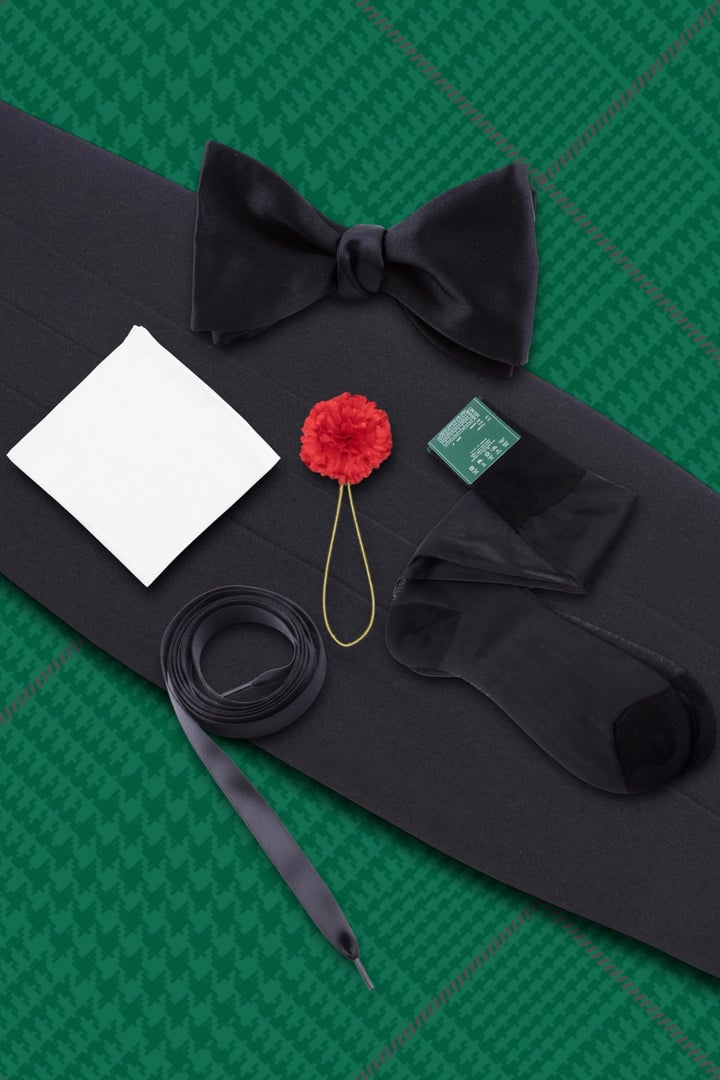
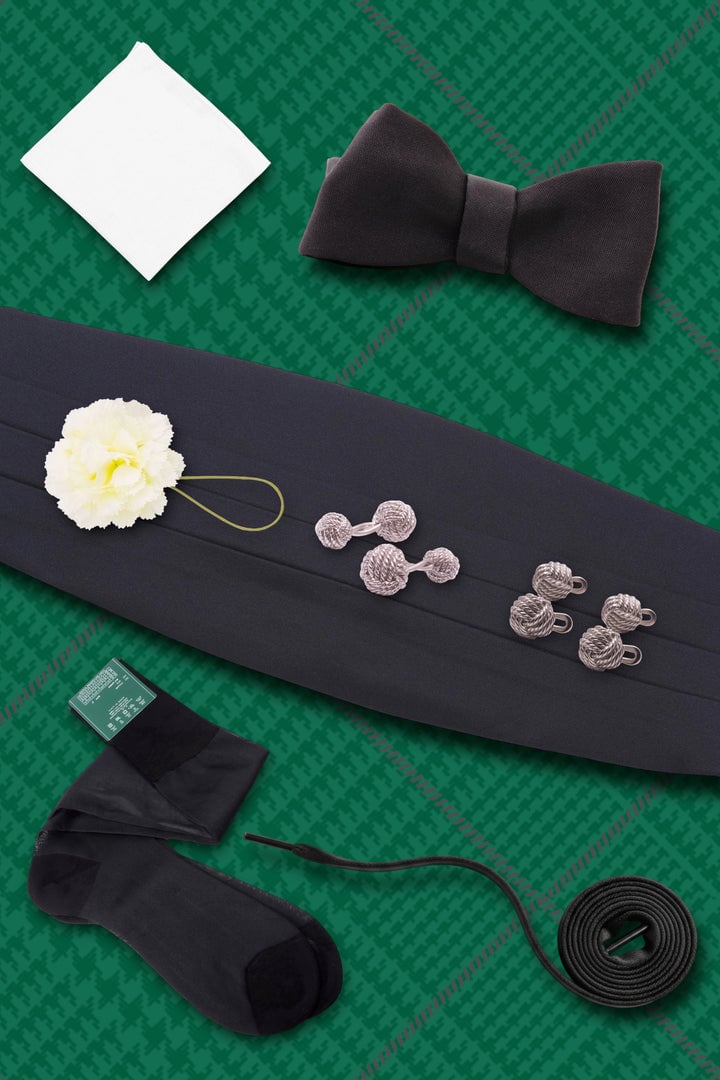
The 1962 recommendation for a black, year-round dinner suit remains the definitive guide for formal evening wear. The transition from a notch lapel to a peak lapel has become standard, as the latter is widely regarded as more flattering and architecturally sound for a dinner jacket. The use of a batwing-style bow tie provides a historical nod to the 1960s while maintaining a clean, sharp aesthetic that is appropriate for modern black-tie events.
Implications for the Modern Consumer
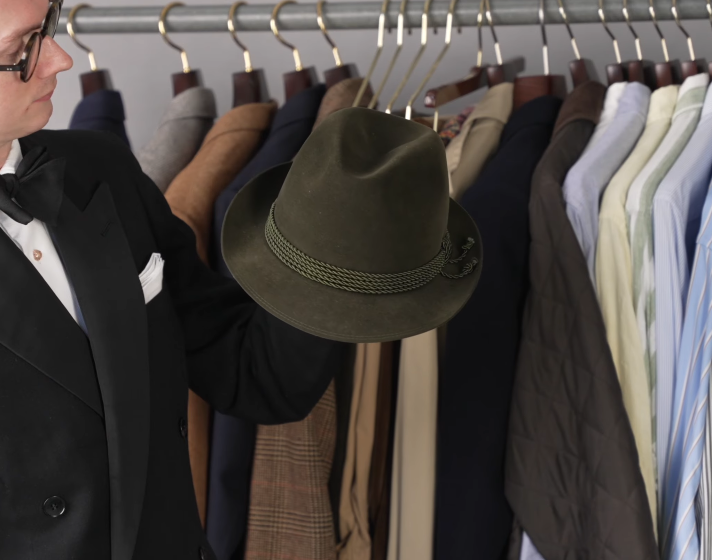
The enduring relevance of the 1962 Esquire list lies not in its specific items, but in its underlying philosophy. By focusing on a palette of navy, gray, and brown, the list ensures that every piece is compatible with the others. This "interchangeability factor" is the hallmark of a successful capsule wardrobe.

Data from the retail sector suggests that there is a growing consumer preference for "slow fashion"—purchasing fewer, higher-quality items that have longevity. The 1962 list serves as a historical validation of this movement. When individuals invest in garments that are designed to work together, they not only reduce waste but also cultivate a personal style that is immune to the volatile nature of seasonal trends.
Conclusion

The 1962 Basic College Wardrobe was more than just a list for university students; it was a comprehensive curriculum in dressing with intent. As the industry moves further into the 21st century, the ability to curate a wardrobe that is both functional and aesthetically consistent remains a vital skill. By adapting the timeless ratios and color palettes established over sixty years ago, the modern gentleman can build a collection that is not only efficient and sustainable but also deeply rooted in the history of classic menswear. The transition from the rigid requirements of the 1960s to the more flexible, personal interpretations of today underscores the fact that while fashion changes, the principles of good tailoring and thoughtful curation remain constant.