









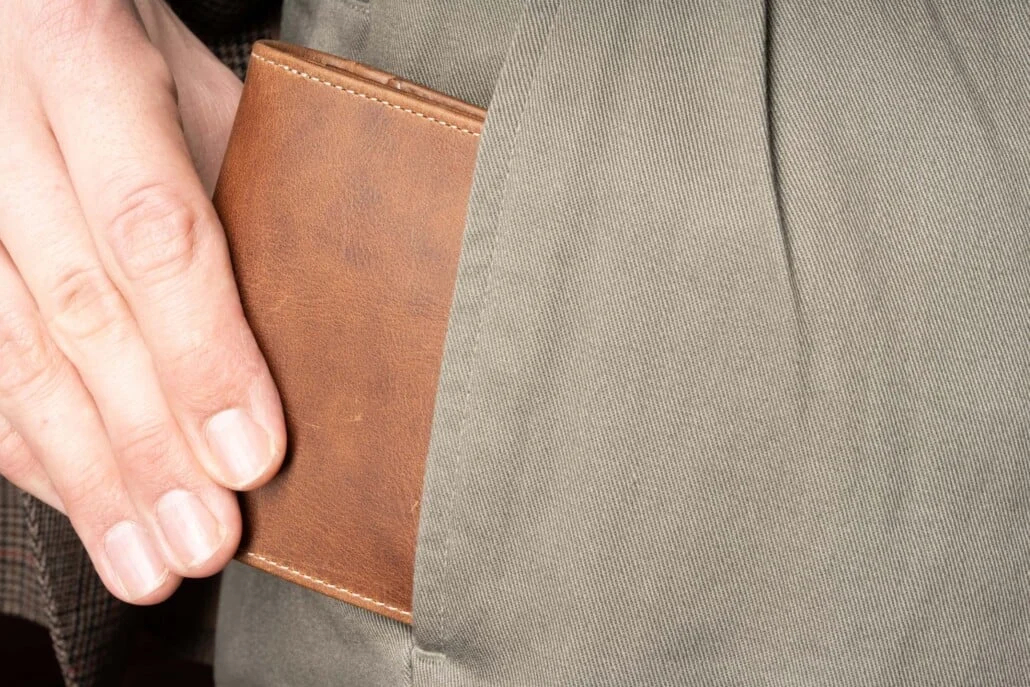
While often characterized by vibrant neon and pulsating synth-pop, the 1980s marked a pivotal decade for the discerning gentleman’s Every Day Carry (EDC). This era witnessed a fascinating convergence of enduring sartorial elegance with the nascent wave of personal technology, transforming daily essentials from purely functional items into potent symbols of status, ambition, and a burgeoning techno-optimism. Far from being merely utilitarian, the contents of a man’s pockets and briefcase in the 80s offered a microcosm of the decade’s broader cultural and economic shifts, particularly the rise of the "yuppie" and the increasing pace of corporate life. Understanding the typical EDC of this period reveals a society navigating the transition from a predominantly analog world to one incrementally shaped by digital innovation.

The Rise of the Visually Iconic: Sunglasses as a Statement
By the 1980s, the traditional gentleman’s hat, a staple for centuries, had largely receded from daily fashion. Its void, however, was spectacularly filled by the ascendance of sunglasses. More than just eye protection, shades became an indispensable accessory, imbued with a powerful cultural cachet. Fueled by blockbuster cinema and iconic television series, sunglasses transitioned from mere utility to essential fashion statements. Films like Top Gun (1986) catapulted Ray-Ban Aviators into stratospheric popularity, making them synonymous with daring individualism and military cool. Simultaneously, the sleek, often oversized frames of Ray-Ban Wayfarers, popularized by Risky Business (1983) and Miami Vice (1984-1989), became emblems of sophisticated rebellion and metropolitan chic. These cinematic endorsements, coupled with aggressive marketing campaigns, solidified sunglasses as the ultimate non-verbal declaration of style and status, often costing the equivalent of several hundred dollars in today’s money, making them a significant investment for many. Their prevalence underscored a growing emphasis on personal branding and outward projection of success.

Punctuality and Panache: The Enduring Wristwatch
The wristwatch remained a cornerstone of a gentleman’s EDC, a non-negotiable tool for punctuality in an increasingly time-sensitive professional world. However, the 80s introduced a significant stylistic and technological divergence: the classic analog versus the revolutionary digital.

The Traditional Choice gravitated towards timeless elegance, often featuring two-tone metal colorways (typically gold and stainless steel) and distinctive square or non-circular dials. Brands such as Seiko, Omega, and IWC (International Watch Company) stood as middle-market and luxury mainstays. These watches were not just time-telling devices; they were heirloom-quality pieces, signaling financial stability and a refined aesthetic. A Rolex Datejust or an Omega Seamaster, for instance, represented a substantial investment, often serving as a visible marker of career achievement. The intricate mechanical movements, visible through exhibition casebacks on some models, appealed to those who valued craftsmanship and tradition over emerging gadgetry. The rise of sophisticated quartz movements also allowed for greater accuracy in traditional-looking watches, bridging the gap between old-world charm and modern precision.
In stark contrast, the Digital Revolution brought the "gadget watch" into mainstream affordability and popularity. While digital watches, such as Roger Moore’s Hamilton Pulsar in Live and Let Die (1973), initially debuted as exclusive luxury items in the 1970s, the 1980s democratized this technology. Casio emerged as the undisputed king of the digital wrist, offering an array of functions that were once unimaginable. Beyond simply telling time, Casio watches incorporated features like backlights, multiple alarms, stopwatches, and even built-in calculators, transforming them into miniature personal computers for the wrist. These watches, often with their distinctive resin cases and multi-function displays, appealed to a younger, tech-savvy demographic and professionals who valued utility and innovation. The affordability of these devices, often retailing for under $50, meant that advanced functionality was no longer exclusive to the elite, marking a significant step in the pervasive influence of personal electronics.
The Analog Lifeline: Loose Change and Payphones
In a world utterly devoid of ubiquitous smartphones, a pocket full of quarters, dimes, and nickels was a literal lifeline. The payphone booth, often a standalone structure or mounted on a wall in public spaces, was the primary means of communication when away from a landline. Whether confirming a meeting, checking in with family, or calling for roadside assistance, locating a functioning payphone and having the correct change was a daily necessity. This reliance on public telephones meant that coin purses, or simply the satisfying rattle of change in a trouser pocket, were common. This stark reality underscores the profound shift in personal connectivity between the 1980s and the present day, where communication is largely taken for granted.
The Era of the "Card Boom": Wallets and Business Cards
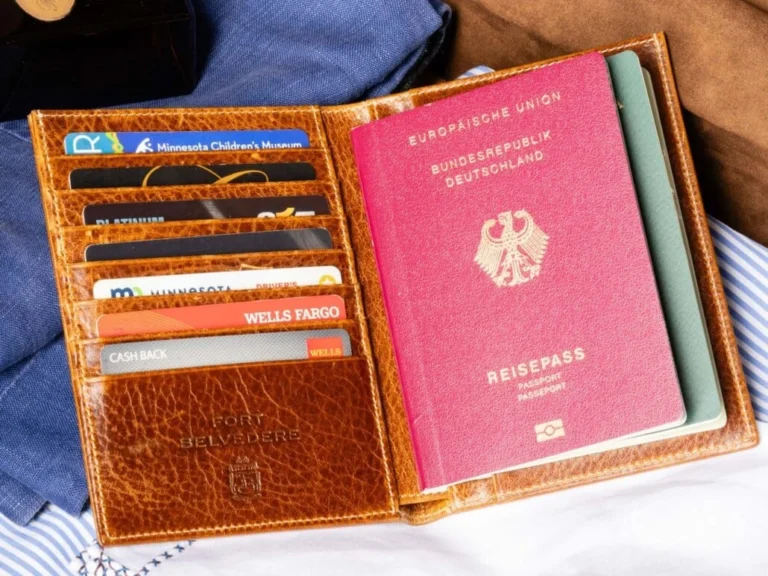
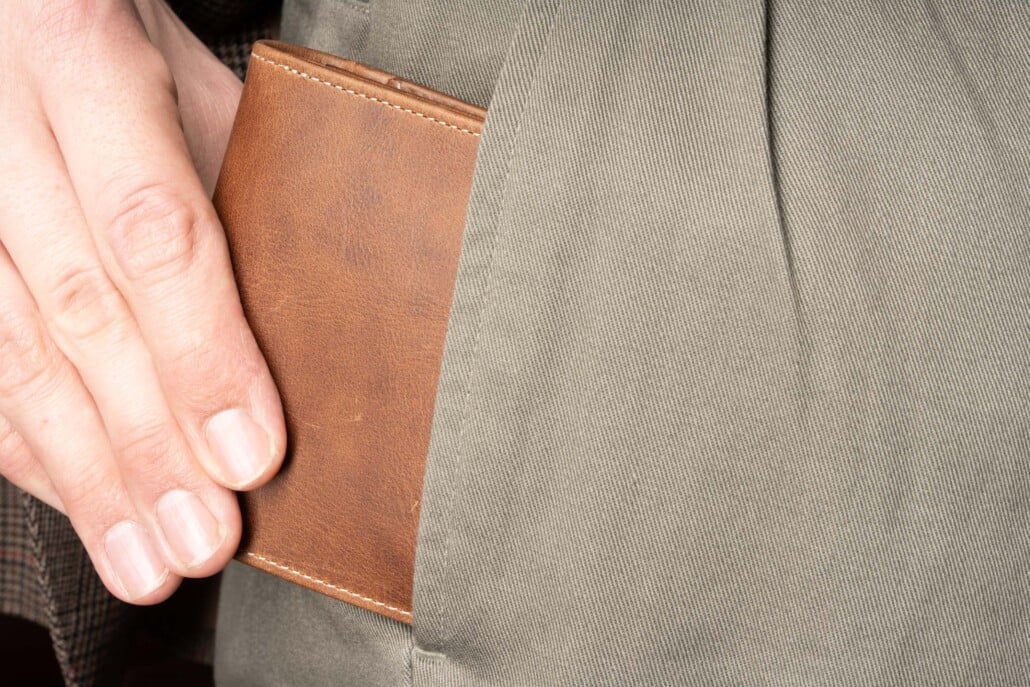
The 1980s witnessed a significant expansion in the variety and necessity of cards a man carried, making the traditional leather bifold wallet an essential accessory. The decade saw a surge in credit card adoption, transforming plastic from a niche payment method into a widely accepted form of transaction. Beyond credit cards (Visa, Mastercard, American Express), men also carried a proliferation of identification cards, loyalty programs, club memberships, and early forms of debit cards. This "card boom" necessitated wallets with multiple slots, moving beyond simple cash and a driver’s license. Fine leather goods, often crafted from full-grain European leather, were favored for their durability and ability to develop a rich patina over time, signaling quality and lasting value.

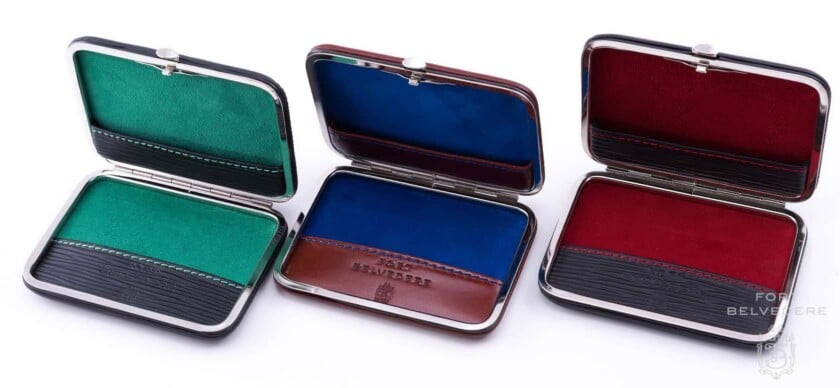
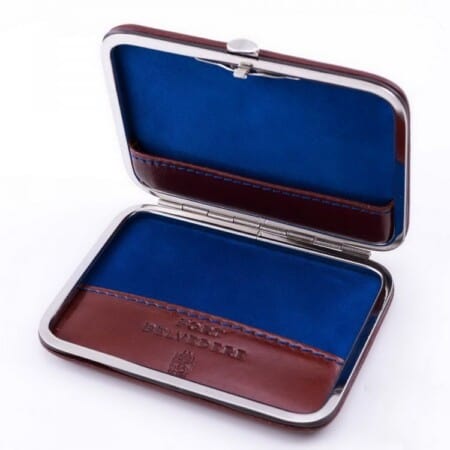
Complementing the wallet was the indispensable business card case. Exchanging business cards was not merely a professional necessity but a formalized ritual, particularly within the burgeoning corporate landscape. In the upper echelons of the white-collar world, the case itself was as critical as the card it held. The infamous scene from American Psycho, where Patrick Bateman meticulously compares business cards, while a satirical exaggeration, highlighted the immense pressure to present an impeccable professional image. Men invested in sleek leather or polished metal cases from luxury brands like Louis Vuitton, Cartier, or Armani, understanding that the presentation of a business card reflected directly on their professional stature and attention to detail. A well-chosen card case was a subtle yet powerful statement of sophistication and readiness.
The Pillars of 80s Finance: The Checkbook
Despite the rise of credit cards, the checkbook remained a primary payment method for the majority of the 1980s, especially for larger transactions like rent, utilities, or significant purchases. Typically housed in a slim leather cover, the checkbook sat alongside cash and credit cards as a pillar of a gentleman’s financial toolkit. Its gradual decline towards the end of the decade, as electronic transactions and credit card acceptance became even more widespread, foreshadowed the largely cashless society we see today. For much of the 80s, however, the ability to write a check was an expected and often required form of payment, making its presence in one’s EDC a practical necessity.
Personalization and Organization: Filofaxes and Monograms

The 1980s celebrated the "personal touch" in consumer goods, largely thanks to advancements in manufacturing that made customization more affordable. Key fobs, wallets, and card cases were frequently monogrammed or embossed with initials, allowing the average man to indulge in a sense of bespoke luxury without the prohibitive cost of historically custom-made products. This trend reflected a growing desire for individuality within a consumer culture that was becoming increasingly mass-produced.
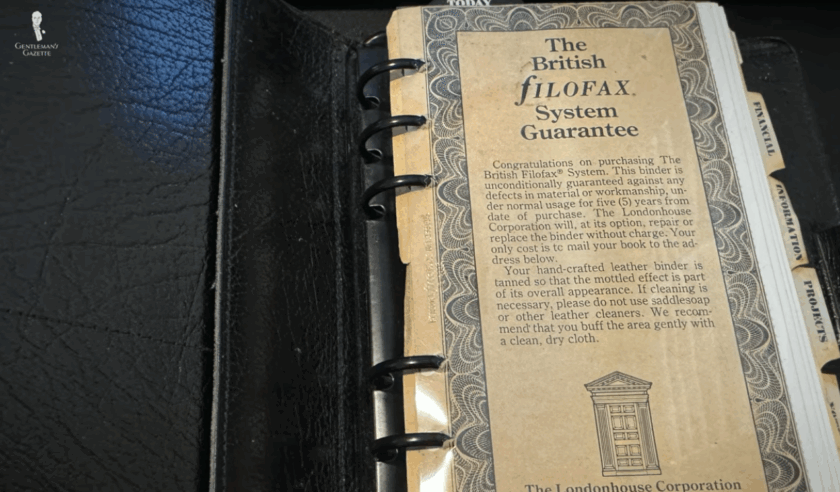
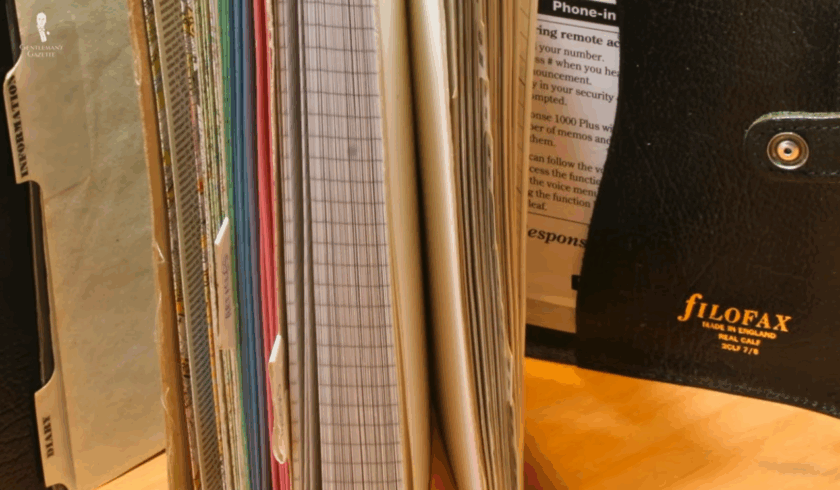
Perhaps no item epitomized the decade’s blend of organization and status more than the Daily Planner, specifically the Filofax. For the ambitious "yuppie" subculture, a leather-bound, ring-bound organizer was the ultimate analog tool for managing a complex professional and social life. The Filofax was a comprehensive system, offering customizable inserts for calendars, address books, notepads, expense trackers, and project management. It was the physical manifestation of a man’s commitments and aspirations, a portable command center before the advent of digital devices. Its visible presence in a meeting or on a desk communicated seriousness, efficiency, and a meticulous approach to one’s career. The Filofax was, in essence, the analog precursor to the smartphone, a centralized hub for all personal and professional information.
Writing Instruments and Practical Protection: Pens and Protectors
While the fountain pen maintained its allure for traditionalists and those who appreciated the art of writing, the ballpoint pen became the undeniable workhorse of the 80s. Convenient, reliable, and significantly cheaper to produce, ballpoints from brands like Parker and Cross were ubiquitous. They were practical for quick notes, signing documents, and often served as promotional "swag," personalized with company logos, further embedding them into daily professional life.
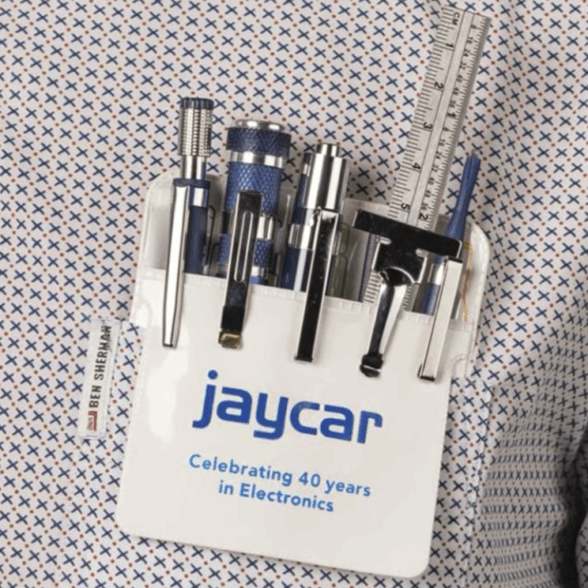
As pens became more affordable and often less robust, the risk of ink leaks increased, giving rise to the Pocket Protector. Initially a purely practical tool, engineers, scientists, and office workers adopted this clear plastic sheath to safeguard expensive dress shirts from unsightly ink stains. While highly functional, the pocket protector unfortunately became a pop-culture cliché, unfairly associated with a "nerdy" image, leading to its gradual decline in widespread use by the close of the decade, even as its practical purpose remained valid.
The Essential Carry-All: The Briefcase and Attaché Case
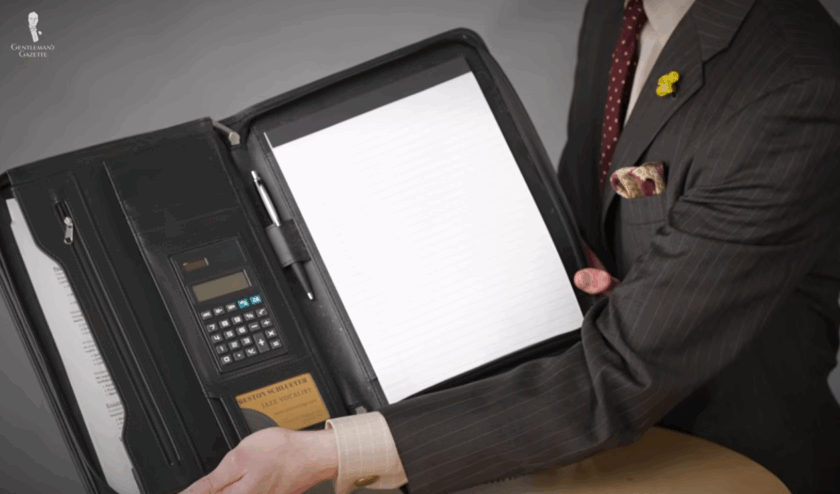
For any professional in the 1980s, the briefcase was an indispensable extension of their professional identity. More than just a bag, it was a symbol of responsibility, authority, and preparation. Styles varied from the rigid, structured attaché case, often made of leather-covered wood or aluminum, to softer, more pliable leather briefcases. These cases were designed to securely transport documents, daily planners, pens, and other professional essentials. The choice of briefcase, its material, and its condition often reflected a man’s position and ambition, making it a critical component of his professional presentation. Its robust construction and secure locking mechanisms offered peace of mind for carrying important papers in an era before digital files.
The Dawn of Personal Sound: The Sony Walkman
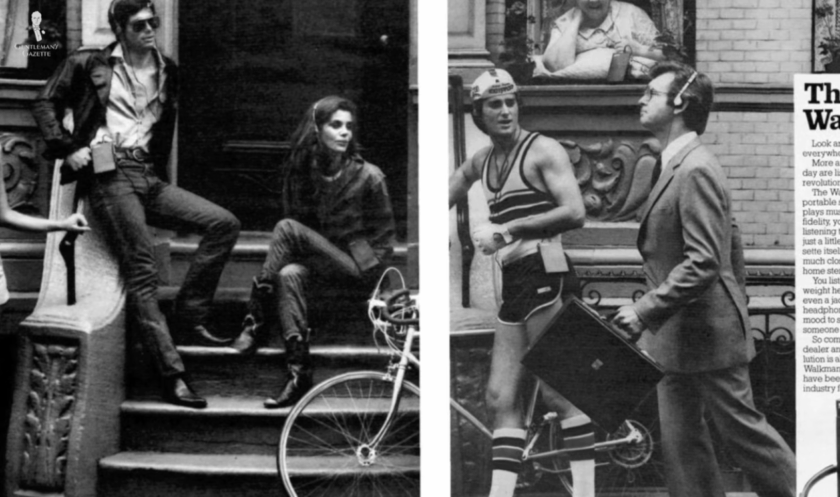
No single item better embodied 80s tech innovation and its cultural impact than the Sony Walkman. Introduced in 1979, it exploded in popularity throughout the 1980s, becoming the "poster child" for portable personal electronics. The Walkman revolutionized how people consumed music, allowing for a private soundscape in public spaces. It transformed commuting, exercise, and even casual strolls by providing a personal soundtrack. For the fitness-obsessed 80s man, it was an essential companion for a jog, while for others, it offered an escape into their own musical world on crowded trains or buses. Its sleek design, compact size (for the time), and the ability to listen to music privately through headphones were groundbreaking, fundamentally altering the relationship between individuals and their environment. The Walkman’s success paved the way for all subsequent portable media players.
The Bleeding Edge: The "Brick" Mobile Phone and Car Phones
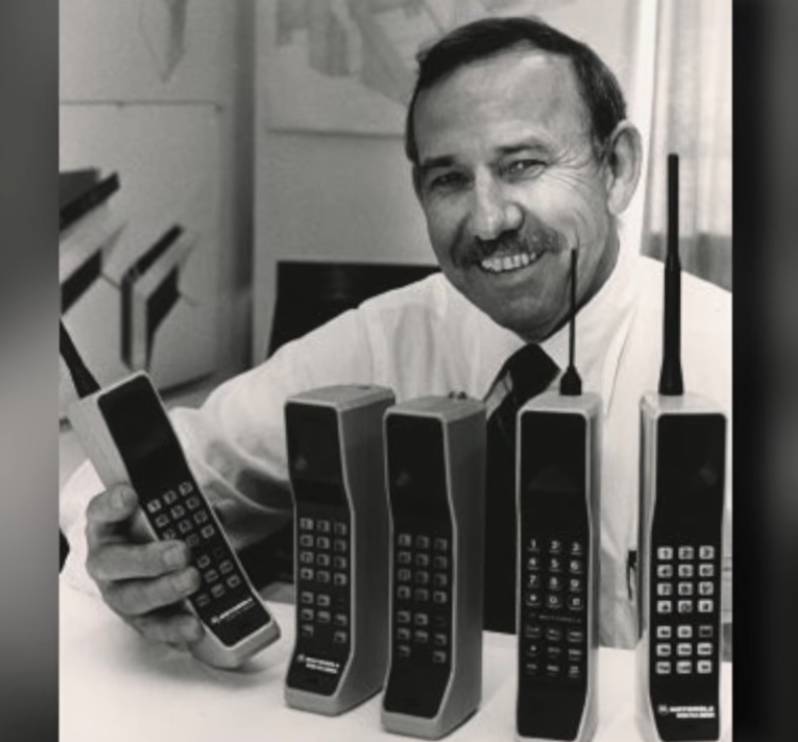
While not part of the typical gentleman’s EDC for the vast majority, the 1980s saw the emergence of the truly portable "Brick" Mobile Phone, most famously the Motorola DynaTAC 8000X, first commercially available in 1983. This device, weighing over two pounds and costing an exorbitant $3,995 (approximately $12,000 in today’s money), was strictly for the 1% on the absolute bleeding edge of technology. Its brief battery life (30 minutes of talk time) and limited coverage made it more of a status symbol and an emergency tool for top-tier executives and high-flyers than a practical daily communication device for the masses. Its very presence, often seen in the hands of power brokers on screen and in real life, signaled immense wealth and influence.
More common for business professionals, and a staple for the previous two decades, was the car phone. These devices were hardwired directly into a vehicle, offering mobile communication from the confines of one’s automobile. By the 1980s, car phones had become a common tool for salespeople, real estate agents, and other professionals who spent significant time on the road, enabling them to conduct business while away from the office. Specialized mounting devices allowed for seamless integration, making mobile communication a practical reality for a segment of the professional workforce long before handheld devices became truly accessible.
Summary: A Decade of Transition
The 1980s gentleman’s EDC was a fascinating tableau of tradition meeting innovation. It reflected a decade grappling with rapid technological advancement while still holding fast to established codes of professionalism and personal presentation. From the cinematic cool of Ray-Bans and the refined statement of a two-tone wristwatch to the revolutionary portability of the Walkman and the ambitious utility of the Filofax, these items collectively tell the story of a dynamic era. The reliance on analog tools like payphones and checkbooks highlights a communication and financial landscape fundamentally different from today, yet the early forays into personal tech like digital watches and "brick" phones laid the groundwork for the hyper-connected, digital-first world we now inhabit. The 1980s EDC was not just about what a man carried, but what those items said about his place in a rapidly evolving world.
The evolution of these daily essentials underscores a significant shift in consumer behavior and technological expectation. The desire for personalized items, efficient organization, and portable entertainment, evident in the 1980s EDC, continues to drive product development today. It’s a testament to how deeply ingrained these objects were in the fabric of daily life that their influence can still be felt in the design and function of our modern carry.