






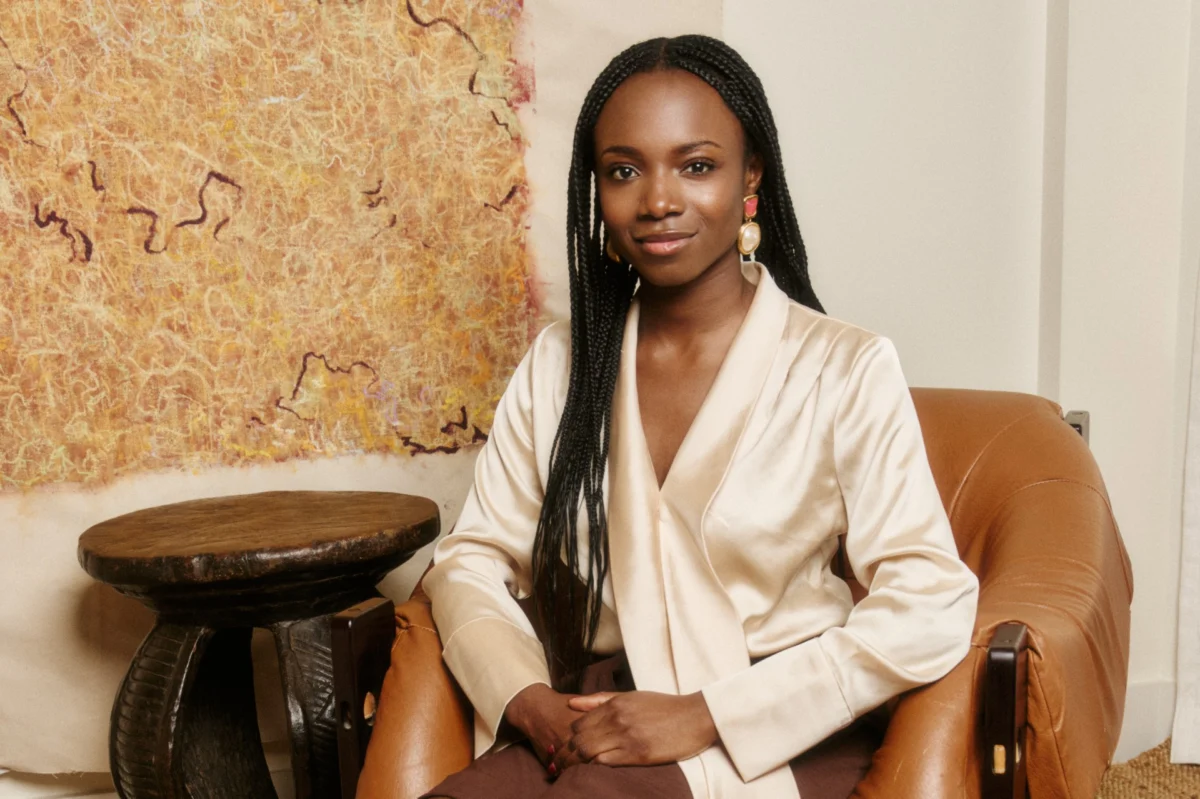
The traditional art of hair braiding, a cultural cornerstone for Black women globally that dates back thousands of years, is entering a new era of technological disruption. HaloBraid, a robotics startup founded by engineer and entrepreneur Yinka Ogunbiyi, announced on Tuesday that it has successfully raised $7 million in a seed funding round. The investment, led by Reddit co-founder Alexis Ohanian’s venture capital firm Seven Seven Six, aims to bring an automated braiding assistant to professional salons, potentially reducing the time required for complex styles from half a day to just a few hours.
The funding round also saw participation from AlleyCorp and Bling Capital, signaling strong investor confidence in the intersection of robotics and the multi-billion-dollar textured hair care market. HaloBraid’s primary objective is to alleviate the physical and temporal burden associated with protective styles such as box braids and knotless braids, which currently require manual labor that can span up to 12 hours in a single session.
The Genesis of an Engineering Solution for Cultural Needs
The inspiration for HaloBraid emerged from a personal struggle faced by many Black women, but viewed through the lens of a highly trained engineer. Yinka Ogunbiyi, who holds a Master of Science in engineering from Harvard University as well as an MBA, found herself isolated in her London apartment during the height of the COVID-19 pandemic. Faced with the closure of professional salons, she attempted to braid her own hair—a process that ultimately took her four days to complete.
Recognizing that the manual nature of braiding had remained largely unchanged for millennia, Ogunbiyi began to analyze the process not as a domestic chore, but as a technical optimization problem. Before founding HaloBraid, Ogunbiyi had already demonstrated her entrepreneurial acumen by founding a smart cooking appliance company. She applied this background in hardware and automation to the intricate movements of hair weaving.
After years of intensive research and development, Ogunbiyi and her team of approximately 15 specialists developed a device designed to serve as a "co-pilot" for professional stylists. While the startup remains protective of its specific mechanical designs due to pending patents, the operational workflow involves a human-robot collaboration. A professional stylist initiates the braid at the root to ensure precision and comfort; the HaloBraid device then takes over, completing the length of the braid in a matter of seconds.
Addressing the Physical and Economic Toll of Manual Braiding
The introduction of robotics into the salon environment addresses a significant pain point in the beauty industry. For stylists, the repetitive motion required for braiding is more than just exhausting; it is a health risk. Professional braiders frequently suffer from chronic conditions such as carpal tunnel syndrome, tendonitis, and arthritis due to the high-tension, high-repetition nature of the work. By automating the most repetitive portions of the process, HaloBraid aims to extend the careers of these professionals and reduce physical strain.
The economic implications for both salons and consumers are equally substantial. In a comprehensive survey of 2,000 individuals conducted by the startup, 95% of respondents indicated they would choose to get their hair braided more frequently if the process were significantly faster. Ogunbiyi’s research estimates that a staggering 8 billion hours are spent globally each year on manual hair braiding. By drastically reducing the "chair time" for each client, salons can increase their daily throughput, potentially doubling or tripling their revenue capacity while offering clients back hours of their day.
Technical Hurdles in Manipulating Textured Hair
The path to automating hair braiding has been historically difficult, leading to a market with very few competitors, such as the startup Braidiant. Ogunbiyi notes that hair is one of the most "tricky substrates" in the world to manipulate via robotics. Unlike rigid materials used in traditional manufacturing, hair is flexible, varies in texture, and possesses unique frictional properties that change based on moisture and product application.

To overcome these challenges, HaloBraid’s engineering team had to look beyond traditional robotics. The company integrated methodologies from diverse fields, including material science and even the mechanics of high-speed inkjet printing, to ensure the device could handle various hair types gently. The emphasis on a "gentle" touch is critical; the device is designed to mimic the tension of human hands to avoid traction alopecia or breakage, common concerns with improper braiding techniques.
Strategic Investment and the "Hardware Moment"
The involvement of Alexis Ohanian and his firm Seven Seven Six brings both capital and a personal understanding of the product’s necessity. Ohanian, who is married to tennis legend Serena Williams and is the father of two daughters, has witnessed the time-intensive nature of hair braiding firsthand. He noted that while his oldest daughter enjoys the ritual initially, the endurance required for a nine-to-twelve-hour session is taxing for children and parents alike.
Ohanian has positioned the investment within a broader thesis he calls "hardware’s moment." He draws parallels between HaloBraid and the disruption seen in the general hair tool market by companies like Dyson. Despite a highly loyal and high-spending demographic, the textured hair care sector has historically seen less investment in high-tech tooling compared to straight hair products.
"This product is genuinely differentiated, with a clear go-to-market," Ohanian stated, comparing the technical feat of an automated braider to his other deep-tech investments in rocket technology and asteroid mining. The $7 million seed round will be utilized to move the product from the final stages of development into mass manufacturing and to establish initial partnerships with key salons across the United States.
Chronology of Development and Future Roadmaps
The development of HaloBraid follows a timeline of rigorous testing and iteration:
- 2020-2021: Concept phase and initial engineering prototypes developed during the pandemic lockdowns.
- 2022-2023: Research phase involving surveys of thousands of consumers and professional stylists to identify the most critical needs in braiding technology.
- Early 2024: Finalization of the "assistant" model, focusing on the hybrid human-robot workflow.
- Late 2024: Anticipated commercial launch and deployment of the first units to partner salons.
Looking beyond the initial launch, Ogunbiyi has expressed a vision for an entire ecosystem of textured hair technology. One of the most requested follow-up products is a device capable of "unbraiding" or "takedowns." The process of removing braids can often take as long as the installation, and an automated solution for this phase would complete the lifecycle of the protective style.
Broader Implications for the Beauty Tech Sector
The success of HaloBraid’s funding round reflects a growing trend in "Beauty Tech," where robotics and AI are being used to solve specialized labor shortages and efficiency gaps. Similar innovations have recently emerged in the fields of automated eyelash extensions and robotic manicure stations. However, HaloBraid is unique in its focus on a culturally specific and technically complex tradition.
By bridging the gap between ancient cultural practices and modern material science, the startup is doing more than just saving time; it is validating a massive, underserved market. The ability to provide faster, more comfortable, and more accessible hair care services could fundamentally change the daily lives of millions of women.
As the company prepares for its late-2024 launch, the focus remains on ensuring that the technology is as reliable as it is revolutionary. With the backing of major venture capital and a foundation in Ivy League engineering, HaloBraid is positioned to transform the salon experience from an endurance test into an efficient, tech-forward service. The broader vision, as Ogunbiyi describes it, is to create breakthrough technology that makes textured hair care not just faster, but more joyful and comfortable for everyone involved.