










The Swiss luxury conglomerate, a dominant force in the global high-end market, reported a robust start to its fiscal year, significantly exceeding market expectations and signaling continued resilience in the luxury sector despite a persistently volatile global economic landscape. This impressive performance underscores the strategic strength of its portfolio, particularly its venerated jewellery maisons and burgeoning watch division, which collectively acted as the primary growth engine for the group during the quarter. The positive financial disclosure immediately resonated with investors, causing Richemont’s share price to surge by 7.5% on the Johannesburg Stock Exchange (JSE) following the announcement, reflecting strong market confidence in the group’s strategic direction and operational execution.
Overview of Q1 2026 Performance
For the three months concluding on 30 June 2026, Richemont’s total group sales reached €6.33 billion. This figure represents a substantial 20% increase when measured at constant exchange rates, mitigating the impact of currency fluctuations that can often obscure underlying business performance. In reported currency, the growth would naturally differ, but the constant exchange rate metric provides a clearer picture of organic sales expansion. The primary catalyst for this exceptional growth was the group’s Jewellery Maisons, which include powerhouse brands like Cartier and Van Cleef & Arpels, alongside its specialist watchmakers.
The jewellery sector, a long-standing pillar of Richemont’s empire, saw sales climb by an impressive 24% to €4.73 billion (£4 billion) during the quarter. This segment alone accounted for the vast majority of the group’s total revenue, highlighting its indispensable role in Richemont’s financial health and market leadership. The enduring appeal of iconic designs, the perception of jewellery as a tangible asset in uncertain times, and strong brand loyalty from high-net-worth individuals globally are believed to be key factors underpinning this sustained growth. The watch business, while often reported alongside jewellery, also contributed significantly to this overall segment’s success, with strong demand for high-craftsmanship timepieces.
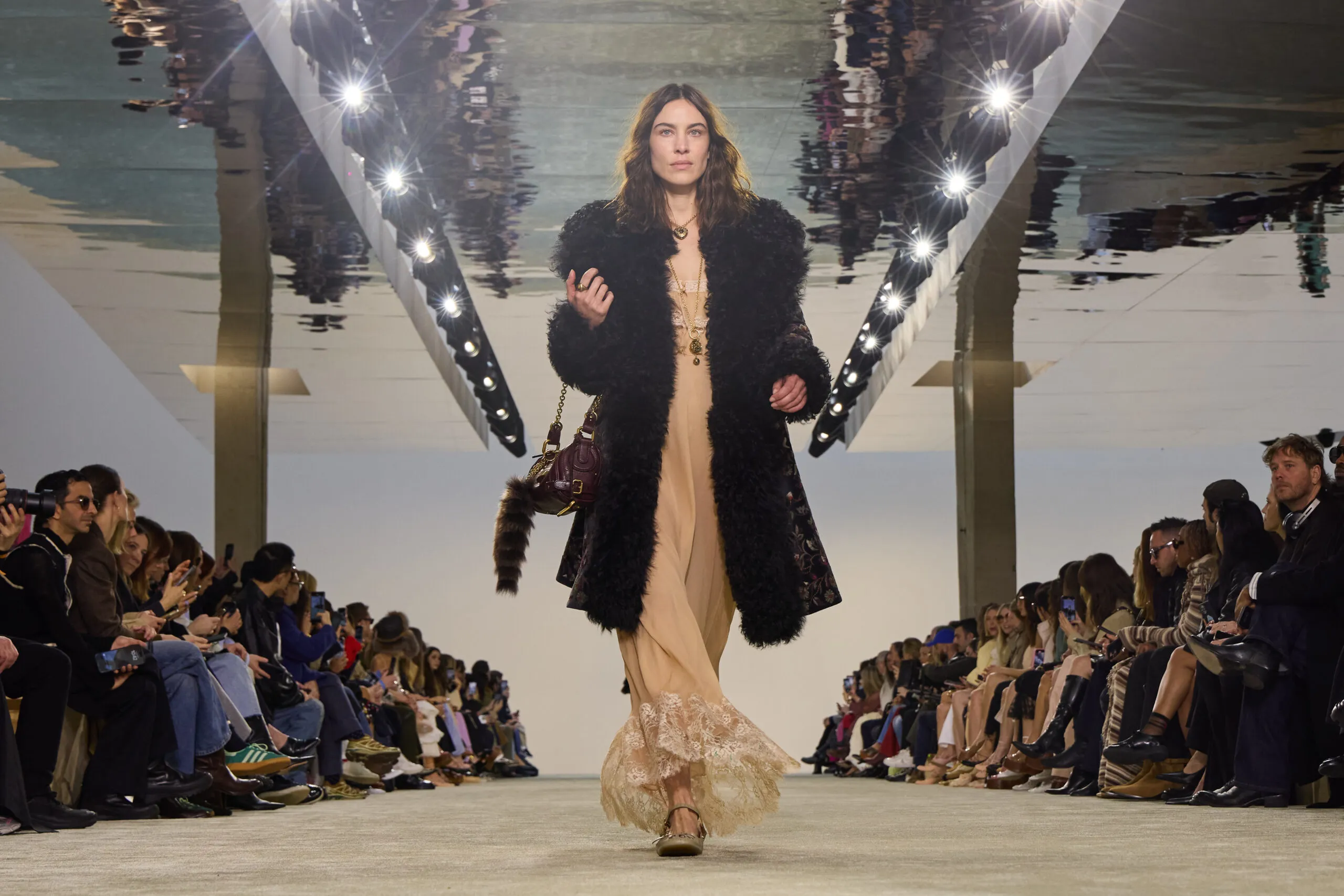
Beyond the sparkling performance of its jewellery and watch divisions, Richemont’s ‘Other’ business areas, which encompass its fashion and accessories brands, also demonstrated solid growth. Sales in this segment were up a respectable 9%, indicating a healthy, albeit slower, recovery and expansion within this more trend-sensitive part of the luxury market. Brands like Chloé, Alaïa, and Dunhill, while not matching the explosive growth rates of the jewellery maisons, are crucial for diversifying Richemont’s portfolio and capturing different segments of the luxury consumer base.
Regional Dynamics and Market Penetration
Richemont’s growth during Q1 2026 was broadly distributed across most geographical regions, with sales increases predominantly in the low-to-mid-double digits. This widespread success points to the group’s global appeal and effective market strategies.
- Americas: The North and South American markets emerged as the fastest-growing region, with sales surging by 27% to reach €1.67 billion (£1.41 billion). This performance underscores the robust consumer spending power in the region, particularly within the luxury segment, likely driven by strong economic fundamentals in key markets like the United States and Canada, coupled with a continued appetite for high-end goods.
- Japan: Japan showcased exceptional strength, with sales leaping by a remarkable 36% to €632 million (£535.6 million). This outstanding growth is potentially attributed to a combination of factors, including a resurgent domestic luxury market, increased inbound tourism contributing to luxury purchases, and the strong cultural appreciation for craftsmanship and quality that Richemont’s brands embody.
- Asia Pacific: This critical region, encompassing major markets like China, South Korea, and Southeast Asia, saw sales rise by 21% to €2.07 billion (£1.75 billion). While China’s luxury market has faced some headwinds in recent periods, this strong growth suggests a healthy rebound in consumer confidence and spending across the broader Asia Pacific landscape, possibly offset by strong performances in other parts of the region.
- Europe: Sales in Europe increased by 11% to €1.43 billion (£1.21 billion). This steady growth reflects a resilient luxury market, bolstered by both local demand and the significant return of international tourism, particularly from high-spending regions. Key luxury hubs like Paris, London, Milan, and Geneva continue to attract affluent consumers seeking Richemont’s iconic brands.
- Middle East and Africa: This region presented a comparatively modest, though still positive, growth of 3% to €530 million (£449.1 billion). While in the low single digits, this growth indicates sustained demand, albeit at a slower pace than other regions. Factors such as regional economic conditions and geopolitical developments may play a more pronounced role in influencing luxury spending patterns here.
The broad-based nature of this regional growth, with the exception of the Middle East and Africa experiencing slower expansion, highlights Richemont’s diversified geographical strategy and its ability to tap into varied consumer landscapes effectively.
Channel Performance and Digital Acceleration
The first quarter also revealed distinct performance trends across Richemont’s various sales channels, emphasizing the ongoing evolution of luxury retail.
- Retail Stores: The group’s directly operated retail stores continued to be the cornerstone of its distribution strategy, experiencing a significant 24% surge in sales growth to €4.5 billion (£3.81 billion). This substantial increase underscores the enduring importance of the physical luxury experience, where brand immersion, personalized service, and direct client relationships remain paramount. Richemont’s investment in its global network of boutiques, offering exclusive environments for its high-value products, clearly continues to pay dividends.
- Online Sales: Richemont’s online channel also demonstrated robust growth, with sales increasing by 18% to €373 million (£316.1 million). This performance confirms the accelerating trend of luxury consumers embracing digital platforms for research, engagement, and direct purchases. While representing a smaller proportion of overall sales compared to physical retail, the consistent double-digit growth in online sales signifies the effectiveness of Richemont’s digital transformation efforts and its ability to connect with a digitally savvy clientele.
- Wholesale and Royalty Income: This channel, which includes sales to third-party retailers and licensing agreements, grew by 9% to €1.45 billion (£1.22 billion). This steady growth reflects healthy demand from multi-brand luxury retailers and the continued value of brand licensing, contributing a significant, stable revenue stream to the group.
The combined performance across these channels indicates a well-balanced distribution strategy, adapting to changing consumer preferences while leveraging the strengths of each touchpoint.
Financial Health and Strategic Maneuvers
Richemont’s robust financial performance in Q1 2026 is further bolstered by a strong balance sheet. As of 30 June, the group reported a net cash position of €9.1 billion (£7.7 billion). This impressive liquidity provides substantial financial flexibility, allowing Richemont to pursue strategic investments, potential acquisitions, or weather any unforeseen economic downturns.
A notable contribution to this healthy cash position came from the sale of its remaining stake in the Swiss travel retail company Avolta (formerly Dufry) in early June. This transaction generated approximately €400 million (£339 million), further strengthening Richemont’s financial reserves and allowing it to streamline its focus on core luxury activities. This divestment aligns with a broader industry trend where luxury groups are increasingly concentrating on their high-margin brand portfolios, shedding non-core assets to enhance operational efficiency and strategic clarity.
Macroeconomic Headwinds and Cautious Outlook
Despite the stellar performance in the first quarter, Richemont did not provide a specific financial outlook for fiscal year 2027. This cautious stance is attributed to what the company described as a "persistently volatile macroeconomic environment and geopolitical backdrop driving elevated raw material costs."
This statement highlights the ongoing challenges faced by the global luxury industry. Geopolitical tensions, such as conflicts in various parts of the world, can disrupt supply chains, impact consumer confidence, and restrict travel, all of which are critical for luxury sales. Moreover, the inflationary pressures observed globally are leading to elevated costs for raw materials crucial to luxury goods production, including precious metals, gemstones, and high-quality leathers. These rising input costs, if not managed effectively through pricing strategies or operational efficiencies, could potentially compress profit margins in future quarters.
The absence of a forward-looking statement, while common for some luxury firms in uncertain times, signals a degree of prudence from Richemont’s management, suggesting that while current demand is strong, the external environment remains unpredictable. This cautious approach is likely to inform future investment decisions and operational planning, emphasizing agility and risk management.
Broader Implications for the Luxury Sector
Richemont’s Q1 2026 results offer a significant barometer for the health of the broader luxury market. The strong performance, particularly in jewellery and watches, suggests that the ultra-high-net-worth segment of consumers remains largely insulated from economic pressures affecting other demographics. These affluent buyers continue to prioritize enduring value, craftsmanship, and brand heritage, qualities that Richemont’s core brands exemplify.
The regional growth patterns also provide insights into global luxury spending trends. The robust growth in the Americas and Japan, coupled with a solid rebound in Asia Pacific, indicates shifting centers of luxury consumption and the importance of diversified market strategies. Europe’s steady growth, supported by tourism, reinforces its status as a foundational market.
Furthermore, the strong performance of direct retail channels underscores the critical role of brand experience and personalized service in the luxury journey. While digital channels are growing rapidly, the physical boutique remains indispensable for high-value transactions and brand building. This dual strategy of enhancing both physical and digital footprints is likely to be a key theme for luxury groups in the coming years.
The concerns raised by Richemont regarding raw material costs and geopolitical volatility are shared across the industry. Luxury brands, dependent on specialized materials and often intricate global supply chains, are particularly susceptible to such disruptions. Companies will need to continue investing in supply chain resilience, explore sustainable sourcing options, and potentially implement strategic pricing adjustments to mitigate these pressures.
In conclusion, Richemont’s exceptional first-quarter performance positions it strongly within the luxury sector. Its focus on timeless jewellery and watch brands, coupled with a well-executed global and multi-channel strategy, has allowed it to thrive amidst a complex economic backdrop. While challenges persist, the group’s robust financial health and strategic agility suggest it is well-equipped to navigate future uncertainties and maintain its leadership position in the global luxury market.