




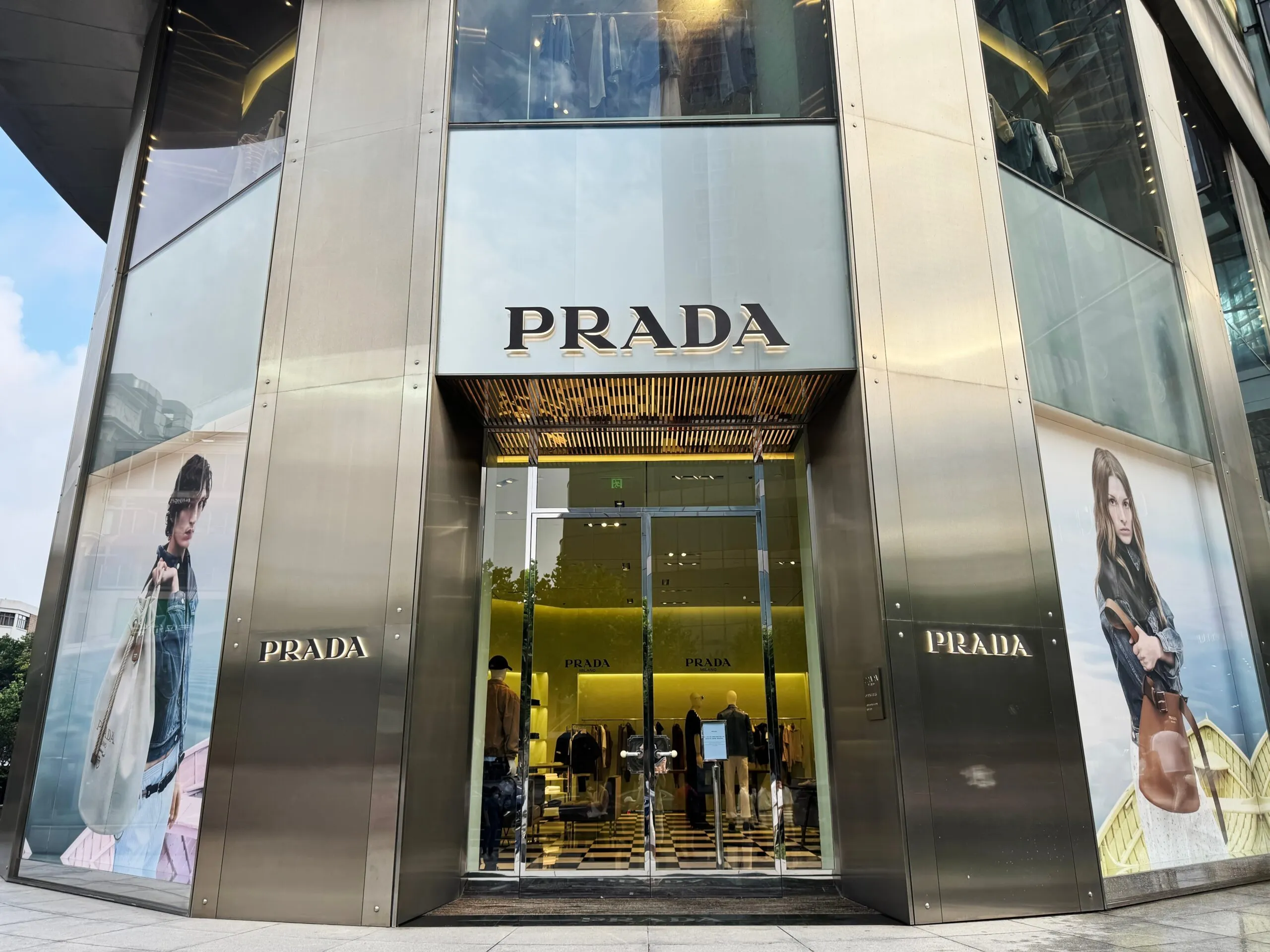
Prada Group has reported a robust financial performance for the first nine months of the 2026 fiscal year, recording net revenues of €4.54 billion (£3.8 billion) as of September 30, 2026. This 15% year-on-year increase highlights the group’s resilience in a volatile luxury landscape, fueled by sustained brand desirability and strategic retail initiatives that have resonated with a global consumer base. The figures reflect a pivotal period for the Milan-based fashion house as it integrates new acquisitions and navigates shifting economic tides across key international markets.
Financial Performance and Retail Dynamics
The group’s growth trajectory was heavily anchored by its retail performance, which saw a 11% year-on-year increase, reaching €3.93 billion (£3.29 billion). This retail-led model has been a cornerstone of the group’s strategy, allowing for greater control over brand image and customer experience.
The core Prada brand experienced a 2% growth, supported by steady performance in the Americas and Asia-Pacific, with China remaining a critical engine of the group’s revenue. Europe and Japan also displayed signs of stability, providing a reliable buffer against more volatile regions. Meanwhile, the Miu Miu label, which has been a recent driver of exponential growth, recorded a 1% increase. Management noted that this tempered growth reflects the "challenging comps" of the previous year and a less favorable geographical mix, as the brand recalibrates its footprint to align with current market conditions.
A significant contributor to the reporting period’s revenue was the inclusion of Versace. Following the December 2025 acquisition of the iconic Italian label from Capri Holdings in a $1.375 billion (£1 billion) cash transaction, Versace contributed €441 million (£369 million) in net revenues. The integration of Versace into the Prada Group portfolio represents a massive consolidation of Italian luxury power, signaling the group’s intent to capture a larger share of the global high-fashion market.
Regional Performance Analysis
The geographical spread of the group’s sales reveals a diverse and complex operating environment:
- Americas: This region proved to be a standout performer, posting a 33% increase in sales, suggesting that the brand’s efforts to strengthen its presence in the United States and Latin America are yielding significant dividends.
- Asia-Pacific: Sales grew by 12%, a critical metric given the region’s historical importance to the group’s revenue stability.
- Europe and Japan: Both markets posted a 5% increase, reflecting a consistent, albeit modest, demand for luxury goods despite inflationary pressures and shifting consumer spending habits.
- Middle East: In contrast to the gains seen elsewhere, the Middle East reported a 23% drop in sales. Management attributed this to the ongoing complex conditions in the region, which have necessitated a more cautious approach to retail expansion.
Strategic Timeline: From Acquisition to Integration
The 2026 fiscal year marks a transformational era for the group. The strategic roadmap began in late 2025, when the landmark acquisition of Versace was finalized. This move was not merely a financial transaction but a calculated effort to diversify the company’s portfolio and capture synergies in manufacturing and supply chain management.
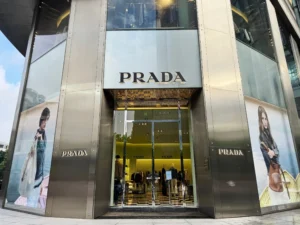
Throughout the first three quarters of 2026, the company focused on "retail initiatives," including the opening and renovation of flagship locations. The most notable of these was the expansion in Milan’s Galleria Vittorio Emanuele II. By blending the group’s heritage with modern architectural design, the company created a high-visibility, "experiential" retail space that serves as both a store and a testament to the brand’s historical roots. This focus on "destination retail" has been instrumental in driving foot traffic and engagement in key luxury hubs.
Leadership Perspectives
The leadership team at Prada Group, led by Chairman and Executive Director Patrizio Bertelli and Group CEO Andrea Guerra, has maintained a focus on long-term sustainability over short-term gains.
"The environment remains complex and volatile, requiring focus, agility and rigorous execution," Bertelli stated in the official report. "Against this backdrop, we continue to build on the foundations of creativity, product excellence and manufacturing know-how. While market turbulence is likely to persist, we are confident in our ability to navigate the challenges ahead and will continue to build for the long term, staying true to our identity and leveraging the strengths of our organisation."
CEO Andrea Guerra emphasized the importance of the group’s "dialogue with contemporaneity." Reflecting on the new spaces in Milan, Guerra noted that the company is effectively bridging the gap between its history and the future. "Looking ahead, we will continue to nurture brand desirability, preserving credibility and authenticity with discipline and ambition," he added.
Market Implications and Future Outlook
The performance of Prada Group in 2026 provides a window into the broader luxury sector. The industry is currently facing a period of "normalization," where the post-pandemic surge in spending has tapered off, replaced by more discerning and selective purchasing behavior.
The 15% revenue increase, when contrasted with the 23% decline in the Middle East and the modest growth of Miu Miu, underscores that luxury brands can no longer rely on broad, market-wide growth. Instead, success is increasingly defined by:
- Geographical Agility: The ability to pivot resources toward high-growth markets like the Americas while managing exposure in unstable regions.
- Brand Desirability: The power of the brand to maintain pricing power even when consumer sentiment fluctuates.
- Vertical Integration: The advantage of owning the retail experience, allowing for better inventory management and higher margins compared to third-party wholesale models.
Analysts observing the industry suggest that the integration of Versace will be the primary focal point for the remainder of the year. If the group can maintain the momentum of the first nine months, it is well-positioned to close the fiscal year with strong year-end results, provided that the global macroeconomic climate does not deteriorate further.
The focus for the fourth quarter and beyond is expected to remain on "disciplined" expansion. By prioritizing brand equity over mass-market saturation, Prada Group aims to insulate itself from the volatility that has hampered some of its competitors. The investments made in the early part of 2026, particularly in digital transformation and the aforementioned flagship retail sites, are likely to provide the necessary infrastructure to handle potential headwinds as the group heads into 2027.
In conclusion, the results for the nine months ended September 30, 2026, demonstrate that Prada Group is successfully balancing its legacy as an artisanal powerhouse with the demands of a modern, global corporate entity. Through a combination of strategic acquisitions, regional diversification, and a firm commitment to product quality, the group remains a central pillar of the global luxury market, successfully navigating a landscape defined by both opportunity and significant uncertainty.