









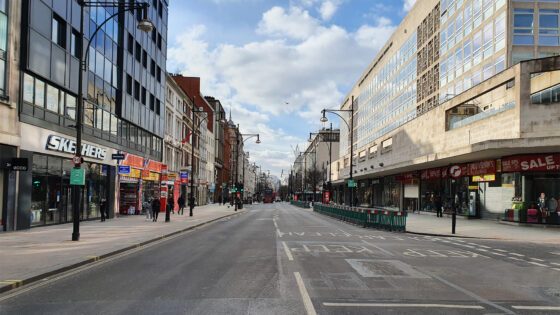
The transformation of London’s Oxford Street from a congested thoroughfare into a pedestrian-exclusive precinct officially commenced today, 26 October 2026. This landmark policy shift marks the culmination of decades of debate regarding the future of the capital’s premier shopping destination. By prohibiting cars, buses, and taxis from the arterial route, local authorities and business stakeholders aim to reclaim the space for foot traffic, repositioning the district as a modern, world-class retail and leisure destination. The move is designed to mitigate the long-standing challenges of air pollution, traffic congestion, and a declining physical retail environment that have historically plagued the area.
The Long Road to Pedestrianisation: A Chronology of Change
The vision for a car-free Oxford Street is not a new concept; it has been the subject of successive mayoral agendas and urban planning proposals for over twenty years. The initial discussions gained traction in the late 1990s as the street began to struggle with the dual pressures of intense bus traffic and a growing influx of tourists.
- 2005-2010: Increased calls for traffic management were met with minor modifications, such as bus lane adjustments and improved pedestrian crossings, though these proved insufficient to curb the street’s reputation as one of the most polluted in Europe.
- 2017: The then-Mayor of London launched an ambitious consultation to fully pedestrianise the eastern section of the street. However, the proposal faced significant pushback from Westminster City Council and local residents concerned about the displacement of traffic into surrounding residential boroughs.
- 2021: Following the COVID-19 pandemic, which saw a temporary reduction in traffic and a shift in consumer behavior, the debate was reignited. Local authorities and business improvement districts (BIDs) began to view pedestrianisation not merely as a traffic management tool, but as a survival strategy for physical retail.
- 2024: Finalized plans were approved by the Greater London Authority, incorporating integrated public transit hubs and extensive greening initiatives to ensure that the removal of vehicles would not impede accessibility.
- 26 October 2026: The official enforcement date. Permanent barriers and enforcement cameras are now in operation, permanently removing vehicular access from Marble Arch to Oxford Circus.
Economic Implications for the Retail Sector
For the retail sector, the pedestrianisation of Oxford Street represents a "major opportunity" to redefine the customer experience. Industry analysts suggest that the removal of heavy traffic will lead to a more "dwell-friendly" environment, encouraging consumers to spend more time—and consequently more money—in the district.
Current data from the retail industry indicates that foot traffic in major shopping hubs is increasingly driven by "experiential" retail rather than purely transactional visits. By creating a wide, open boulevard, Oxford Street can accommodate expanded outdoor dining, pop-up events, and public art installations, which are proven drivers of high-street engagement.
However, the shift does not come without risks. Retailers that rely heavily on the high-frequency turnover of shoppers who commute via bus or taxi are currently recalibrating their logistics. The transition period will be critical; businesses must now align their supply chain and delivery schedules with the new pedestrian-first rules, which restrict heavy goods vehicles (HGVs) to specific overnight windows.
Environmental and Public Health Impacts
One of the primary drivers behind this initiative is the critical need to improve air quality. For years, Oxford Street was frequently cited in international reports as having some of the highest concentrations of nitrogen dioxide (NO2) in the UK. The removal of the fleet of diesel buses that previously dominated the route is expected to result in an immediate, measurable improvement in air quality.
Environmental studies conducted by urban planning institutes suggest that pedestrianised zones can reduce local NO2 levels by up to 30% within the first year of implementation. Beyond air quality, the project includes the installation of extensive soft landscaping and tree planting, intended to combat the "urban heat island" effect—a phenomenon where built-up areas retain heat, making them significantly warmer than surrounding suburban zones.
Stakeholder Responses and Official Stance
The response from stakeholders has been largely supportive, albeit tempered by pragmatic concerns regarding the transition.
The New West End Company, which represents hundreds of retailers, has publicly welcomed the change, citing the need for London to remain competitive against global shopping hubs such as the Champs-Élysées in Paris or the Ginza district in Tokyo. Their official statement noted that "the pedestrianisation is the catalyst needed to bring Oxford Street into the 21st century, shifting the focus from throughput to experience."
Conversely, some transport advocacy groups have raised concerns about the impact on accessibility for individuals with mobility impairments. To address these criticisms, the city has integrated an enhanced "mobility shuttle" service that operates at the perimeter of the pedestrianised zone, ensuring that those who cannot walk the full length of the street are still able to access major stores and cultural landmarks.
Broader Urban Planning Implications
The success of the Oxford Street project is likely to serve as a blueprint for other major metropolitan areas across the United Kingdom. As cities look to decarbonize their transport networks and revive flagging town centers, the "Oxford Street Model" offers a scalable framework for balancing commercial vitality with environmental stewardship.
From an urban design perspective, the project shifts the priority from the vehicle to the human. This involves a fundamental redesign of street furniture, lighting, and wayfinding signage. The integration of "smart city" technology—such as sensors to monitor foot traffic density and waste management systems—will allow city managers to optimize the space in real-time.
The Challenges Ahead: Long-Term Viability
While the opening day signifies a victory for urban planners, the long-term success of the project will depend on sustained investment. A common pitfall in pedestrianisation projects is the "dead zone" effect, where an area is vibrant during peak retail hours but becomes empty and insecure at night.
To mitigate this, the master plan includes a focus on "mixed-use" development. By encouraging the conversion of upper-level office spaces into residential units and entertainment venues, the city aims to ensure that Oxford Street remains a destination 24 hours a day. This strategy is essential for maintaining the street’s security and economic diversity, preventing it from becoming a purely daytime-only retail monoculture.
Furthermore, the economic performance of the street will be monitored through a series of key performance indicators (KPIs), including:
- Average Dwell Time: Measuring how long visitors remain in the district.
- Retail Conversion Rates: Tracking the success of physical stores in converting foot traffic into sales.
- Local Air Quality Indices: Continuous monitoring of air pollutants.
- Public Satisfaction Scores: Annual surveys to gauge the experience of both residents and tourists.
Conclusion: A New Chapter for London
The pedestrianisation of Oxford Street on 26 October 2026 is more than a change in traffic regulations; it is a fundamental shift in how London defines its civic and commercial heart. By prioritizing people over vehicles, the city is betting on a future where the physical retail experience is enhanced by accessibility, clean air, and high-quality public space.
While the transition will undoubtedly present challenges for logistics and accessibility, the potential benefits—ranging from improved public health outcomes to a revitalized commercial sector—are significant. As the world watches, London is attempting to answer a question faced by many global cities: how to maintain the relevance of a historic shopping street in an era defined by digital commerce and the urgent need for sustainable urban living.
The next 12 to 24 months will be a period of intense observation for urban planners and retail leaders alike. If the project meets its stated objectives, it will likely accelerate similar initiatives in other major cities, marking the end of the era of the car-dominated high street and the beginning of a more pedestrian-centric urban experience. For now, the silence of the traffic, replaced by the sound of footsteps and the hum of city life, serves as the first indicator of a new, quieter, and more sustainable era for Oxford Street.