







This year marks the 25th anniversary of Baz Luhrmann’s cinematic masterpiece, Moulin Rouge!, a vibrant jukebox musical that, for many, remains the quintessential reference for cabaret. Its opulent portrayal, alongside the enduring legacy of the real Parisian venue it romanticizes, has cemented a mainstream perception of the art form. Other iconic references include Liza Minnelli’s seminal performance as Sally Bowles in Bob Fosse’s 1972 classic, Cabaret, a film that indelibly linked the art form with the political and social ferment of Weimar Berlin, and subsequent cultural touchstones like The Rocky Horror Picture Show, Chicago, and Burlesque. However, beneath this glittering surface of widely recognized spectacles lies a deeper, historically richer, and inherently more subversive current of cabaret in Paris – one that has always been, and continues to be, profoundly queer.
Cabaret, as an art form, emerged in 19th-century France, specifically in Paris, as a theatrical entertainment featuring music, song, dance, recitation, and drama. Unlike traditional theatre, cabaret was often performed in smaller, more intimate venues, fostering a direct connection between performers and audience. From its very inception, it embraced a spirit of defiance, often serving as a platform for social commentary, satire, and the exploration of themes considered taboo in mainstream society. This inherent subversiveness made it a natural home for marginalized voices, including those from the LGBTQ+ community.
Cabaret’s Historical Tapestry: From Belle Époque to Weimar’s Daring Stages
The early days of Parisian cabaret were ripe with instances that underscored its queer undercurrents. Famously, in 1907, the celebrated French writer Colette, a figure known for her unconventional life and relationships, performed on stage at the Moulin Rouge. Her performance with her lover, Mathilde de Morny (known as Missy), culminated in a passionate on-stage kiss. This public display of same-sex affection, unprecedented for its time, was met with such outrage and moral panic that riots erupted in the theatre, necessitating police intervention. This incident, while scandalous, highlighted the burgeoning visibility of queer relationships within the cabaret milieu and the powerful, often provocative, role of the stage in challenging societal norms.
Beyond Paris, the influence of cabaret as a haven for queer expression became even more pronounced in Weimar-era Berlin. The socio-political landscape of post-World War I Germany, characterized by economic hardship and a brief but intense period of liberal social reform, fostered an environment where artistic and sexual freedoms flourished, albeit precariously. It was in this milieu that venues like Eldorado gained notoriety. Eldorado, an openly queer cabaret club, became a vibrant hub for drag queens, cross-dressers, and the broader LGBTQ+ community, offering a sanctuary for expression and identity that was largely absent elsewhere. This specific historical context and the experiences of individuals within these clubs directly inspired Christopher Isherwood’s semi-autobiographical Goodbye to Berlin, which in turn served as the literary foundation for Bob Fosse’s iconic 1972 film, Cabaret. The film, with its portrayal of a queer-friendly Kit Kat Klub and characters navigating complex sexual identities amidst rising fascism, cemented the historical link between cabaret, queer culture, and political resistance in the global consciousness. The very DNA of cabaret, therefore, is woven with threads of queerness, rebellion, and the quest for authentic self-expression.
The Grandeur of Mainstream Cabaret: Icons and Their Global Reach
Today, iconic Parisian venues like the Moulin Rouge and its smaller, more intimate competitor, Crazy Horse, continue to draw massive international crowds. The Moulin Rouge, a global landmark, welcomes an average of 600,000 visitors annually, testament to its enduring allure as a symbol of Parisian nightlife. Crazy Horse, known for its avant-garde performances and artistic nude revues, frequently sells out months in advance, underscoring the sustained demand for high-end cabaret entertainment. These venues, while undeniably spectacular, often present a polished, conventionally glamorous vision of cabaret. Their shows typically feature meticulously choreographed routines by conventionally beautiful women, often involving elaborate costumes, feather boas, pearl thongs, and athletic feats like leaping into splits or performing on a pommel horse, largely catering to a wealthy, often older, and predominantly heterosexual audience. While these establishments are crucial to the global image of cabaret, their representation, as some contemporary artists argue, tends to overlook the diverse tapestry of identities and narratives that have always been central to the art form.
Unveiling Paris’s Hidden Queer Cabaret Gems
In stark contrast to the grandeur of the mainstream, a vibrant and dynamic queer cabaret scene thrives in Paris, often in less conspicuous, yet equally captivating, spaces. These venues and troupes are not merely alternatives; they are vital cultural institutions that reclaim and reinterpret cabaret’s radical heritage, providing platforms for authentic queer storytelling and community building.
One such pioneering initiative is La Bouche, a self-described “dyke cabaret” that has carved out a unique space at the foot of the Sacré-Cœur, operating out of an intimate cave-like venue. Founded in early 2022 by Bili Bellegarde and Mascare, La Bouche began as a series of improvised performances during a restaurant’s dinner service. Its immediate popularity quickly led to its evolution into a permanent, dedicated space. Comprising just four core artists, La Bouche’s shows consistently sell out week after week, highlighting the significant demand for dedicated lesbian-centric entertainment and community spaces. Bellegarde and Mascare envisioned La Bouche not just as a performance venue, but as a vital social hub, offering a unique blend of entertainment and a safe, celebratory environment for lesbians to connect and thrive.
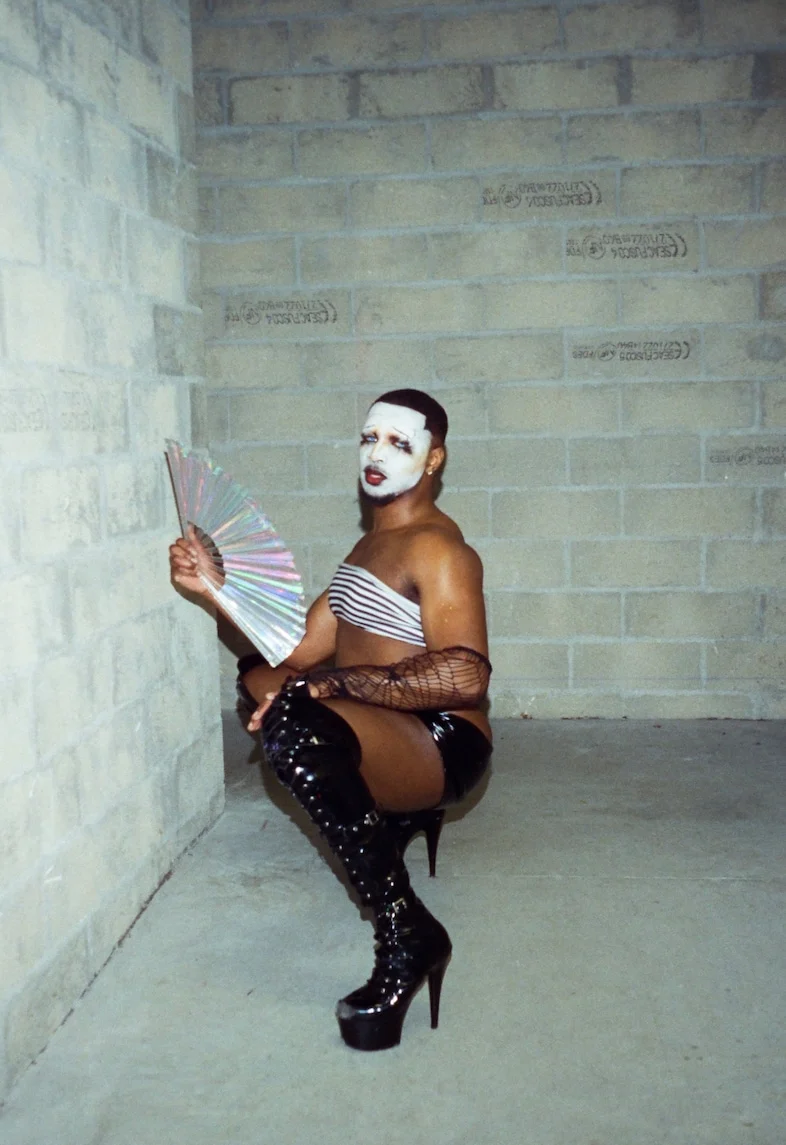
Another compelling example is Venus Noire, a cabaret troupe founded by Michelle Tshibola. Venus Noire distinguishes itself by featuring primarily Black queer performers, offering a powerful platform for voices and narratives that are often marginalized even within broader queer spaces. The troupe’s performances are not only artistically innovative but also culturally significant, celebrating Black queer identity through dance, music, and theatrical expression, contributing to a much-needed diversification of the cabaret landscape. Photography by artists like Chanel Victor, capturing the essence of Venus Noire, helps amplify their visibility and impact.
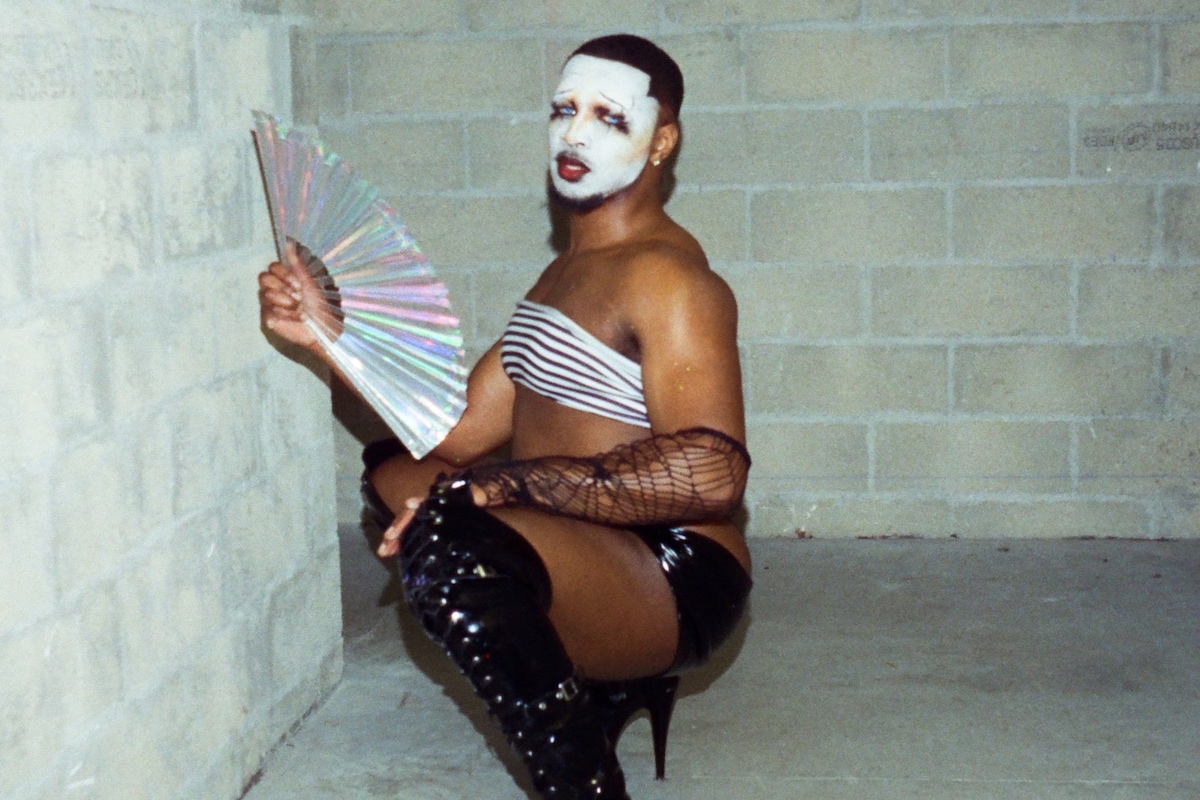
Madame Arthur: An Eighty-Year Legacy of Gender-Bending Brilliance
Perhaps the most historically significant and enduring pillar of Paris’s queer cabaret scene is Madame Arthur. Opened in 1946 in Pigalle, just a stone’s throw from its illustrious neighbor, the Moulin Rouge, Madame Arthur quickly established itself as a pioneering "gender-flipping alternative." In an era predating organized LGBTQ+ rights movements, the venue offered a radical space where drag, gender fluidity, and queer performance were not just tolerated, but celebrated. This year, Madame Arthur proudly celebrates its 80th anniversary, a remarkable testament to its resilience, adaptability, and unwavering commitment to queer artistic expression. Its longevity underscores its pivotal role in Parisian queer history, providing a continuous lineage of subversive entertainment and community gathering.
Performers at Madame Arthur articulate its unique significance. La Biche, one of the venue’s regular artists, emphasizes, “For me, it’s the historic nature of Madame Arthur that truly sets it apart from all the others. It blends the legacy of cabaret with a thoroughly queer and modern vibe.” This fusion of historical depth with contemporary queer sensibilities creates an unparalleled atmosphere. Fellow performance artist La Believance adds, “It’s a space where boldness and diversity shine, and frankly, it’s unlike anything else in Paris.” These sentiments are echoed by the venue’s pianist, Flack Fontaine, who notes that Madame Arthur evokes the spirit of Pigalle’s old-school drag scene, a nod to the area’s rich history as a crucible for unconventional performance. Madame Arthur’s continued success is not just about entertainment; it’s about preserving a unique cultural heritage and actively shaping its future.
The Power of Narrative: Crafting Authentic Queer Stories
The founders and performers of Paris’s queer cabaret scene are acutely aware of their role in challenging and expanding the dominant narratives of the art form. Bili Bellegarde of La Bouche succinctly states, “Moulin Rouge is very mainstream.” Mascare concurs, elaborating on the profound implications of this distinction: “Mainstream cabarets do not represent the community. They are part of cabaret history, but so are queer cabarets. What we are doing today is carrying that heritage and continuing to create those safe spaces. It’s all about us telling our stories, and not more white straight men telling queer stories for us. We are a living archive.”
This powerful declaration encapsulates the core mission of these venues: to be custodians of queer history and active creators of contemporary queer culture. By providing platforms for queer artists to tell their own stories, these cabarets ensure authenticity, nuance, and representation that is often absent when narratives are filtered through a mainstream lens. They are not merely stages for performance; they are vital "safe spaces" where queer individuals can see themselves reflected, celebrated, and understood. This act of self-narration and community building transforms these venues into "living archives," dynamic repositories of queer experience, struggle, joy, and artistic innovation. They safeguard a heritage that mainstream institutions often overlook, ensuring that the diverse voices and histories of the LGBTQ+ community are not only preserved but continue to evolve and inspire.
A Flourishing Ecosystem: Other Queer Stages Across the Capital
The vibrancy of Paris’s queer cabaret scene extends beyond these prominent examples, indicating a thriving ecosystem of artistic collectives and performance spaces. Performers from Madame Arthur readily offer a long list of recommendations for other LGBTQ+ inclusive cabaret options in the French capital. This extensive network includes: Pov’Konnes, Les Meneuses, L’Heure Exquise, La Barbichette, Le Cabaret de Poussière, and Afro Queer Rising. Each of these venues and troupes contributes a unique flavor to the scene, reflecting the multifaceted identities and artistic expressions within the queer community. The collective presence of these establishments underscores the depth and breadth of queer cultural life in Paris, showcasing a commitment to diversity in style, theme, and demographic reach. This interconnectedness fosters a supportive environment, allowing artists to collaborate, audiences to explore varied experiences, and the overall scene to flourish as a dynamic and ever-evolving cultural force.
Cultural Resonance and Societal Impact
The proliferation and sustained success of Paris’s queer cabaret scene hold significant cultural and societal implications. These spaces are more than just entertainment venues; they are crucial sites for LGBTQ+ visibility, artistic innovation, and community resilience. By offering platforms for queer artists and narratives, they challenge prevailing heteronormative cultural norms and contribute to a broader understanding and acceptance of diverse identities. In a world where LGBTQ+ rights and visibility are still contested in many regions, these Parisian cabarets serve as powerful symbols of freedom and self-affirmation. They foster environments where experimentation is encouraged, and where the boundaries of gender, sexuality, and artistic expression are continually pushed. The act of gathering in these spaces, whether as performers or audience members, reinforces a sense of belonging and solidarity, strengthening the bonds within the queer community. They are testaments to the enduring spirit of resistance, celebration, and creativity that has long defined queer culture, demonstrating that Paris remains a beacon for artistic freedom and authentic self-expression.
Experiencing Paris’s Queer Cabaret: A Guide for Visitors
For those planning a trip to the French capital and eager to explore its rich cabaret tapestry, including its vibrant queer heart, experiencing the scene is an essential part of the Parisian cultural immersion. Efficient travel from London is readily available via Eurostar, offering a seamless journey into the city. For accommodation, immersing oneself in the heart of the cabaret district is made easy with options like the boutique hotel Joli Môme, which offers a charming and central base. For those seeking a more luxurious experience, the InterContinental Paris Le Grand, part of IHG Hotels & Resorts, is just a stone’s throw from the action, overlooking the breathtaking Palais Garnier – an ideal choice if one wishes to complement an evening of cabaret with a night at the opera. While Pride month may officially come and go, in Paris, the queer community is celebrated every night, on makeshift stages and in unexplored corners of the city. One simply needs to know where to look to discover this enduring, vital, and endlessly fascinating world.