
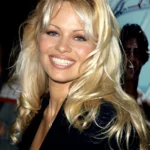


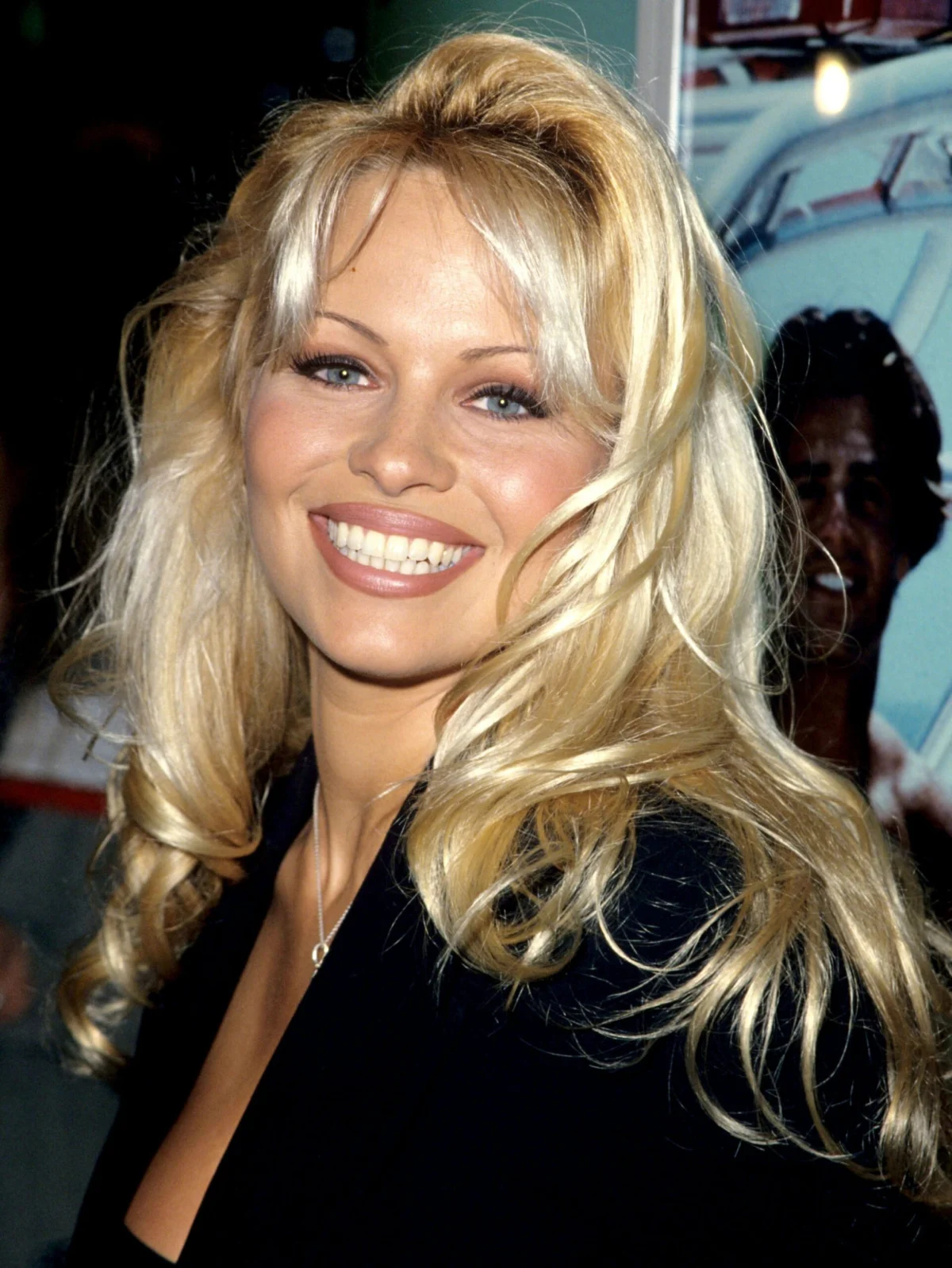
In a significant revelation for beauty enthusiasts and pop culture historians alike, makeup artist and vintage cosmetics collector Erin Parsons has unearthed the exact shades that defined Pamela Anderson’s signature frosted pink lip look from the late 1990s and early 2000s. This period, often referred to as Anderson’s "glam era," was characterized by her quintessential Baywatch blonde hair, impossibly thin brows, and a precisely lined, frosted pink lipstick that became an emblem of Y2K beauty. For many, this look was aspirational, prompting a rush to drugstores in search of shimmering dupes and solidifying Anderson’s status as a bona fide beauty icon of the turn of the millennium.
The Mystery of the Frosted Lip Solved
The products behind Anderson’s distinctive lip combination remained largely a mystery for years, a tantalizing enigma in an era before the ubiquity of social media and the rise of celebrity makeup artists. Parsons, known for her deep dives into beauty history, embarked on a dedicated quest to uncover these secrets. Her journey began after she discovered a 2002 newspaper article that detailed the favorite lipsticks of various celebrities, including Halle Berry, Jennifer Lopez, and Julia Roberts. The article, citing lipstickpage.com as its source, revealed Anderson’s preferred products: Lancôme Amandelle Lip Liner (a deep brown), Lancôme Lipstick in Naif (a frosted ballet pink), and Clinique Honey Gloss Lipstick (a pearlescent pinky-peach).
Driven by her passion for vintage beauty, Parsons meticulously tracked down all three of these now-discontinued products. The hunt culminated in acquiring the original formulations from eBay, a testament to her dedication and the enduring allure of these specific shades. The total cost for this nostalgic trio reportedly reached $300, underscoring the rarity and collector’s value of these vintage cosmetics.

Recreating the Magic: From Original Formulas to Modern Dupes
Parsons documented her findings and the recreation process in a series of Instagram posts, allowing her followers to witness the transformation. In her initial video, she meticulously applied the original formulas: first, overlining her lips with the Lancôme Amandelle Lip Liner, followed by the Lancôme Naif Lipstick, and finally topping it all off with the Clinique Honey Gloss Lipstick. The result was a perfectly executed pearly, frosted, and deeply nostalgic lip look that mirrored Anderson’s iconic style.
However, Parsons’ mission extended beyond simply unearthing the past. Recognizing the desire of many to achieve this look with readily available products, she embarked on a quest to find modern-day equivalents. "40 frost lipsticks and a month later, I have found the dupes," Parsons announced in a subsequent video, detailing her extensive search and providing tutorials on how to layer the modern alternatives to achieve a similar effect.
The Modern Equivalents: A Deep Dive
1. The Liner: Bridging the Gap with Anastasia Beverly Hills
The first step in recreating Anderson’s signature look involved finding a suitable replacement for the Lancôme Amandelle Lip Liner. Parsons recalled the arduous nature of this search: "I must have tried 100 brown lip liners." Her persistence paid off when she identified the Anastasia Beverly Hills Lip Liner in Chai as the closest match. While described as "a little warmer" than the original, Parsons affirmed that it "definitely gets the closest" to the deep brown tone that provided the essential structure for Anderson’s meticulously defined lips. This choice highlights the importance of lip liner in achieving precise application and the enduring appeal of a well-defined lip contour, a technique that transcends trends.

2. The Base: L’Oréal Paris Delivers Frosted Perfection
For the crucial frosted pink lipstick, Parsons tested approximately 40 different shades before landing on L’Oréal Paris Colour Riche Satin Lipstick in Mauved. This shade was identified as the closest in both color and finish to the original Lancôme Naif Lipstick. Parsons expressed a personal preference for the L’Oréal formula, noting its superior glossiness compared to the vintage Lancôme. She specifically praised the Mauved shade for containing "a little more silver inside of it as far as the frost," which contributes to a more modern and less chalky appearance, a common characteristic of frosted lipsticks from the late 20th century.
3. The Gloss: CoverGirl Adds the Pearlescent Finish
The final touch in Anderson’s iconic lip combination was the Clinique Honey Gloss Lipstick, a product known for its pearlescent pinky-peach hue. To replicate this luminous effect, Parsons selected CoverGirl Continuous Color Lipstick in Sugar Almond. This shade was deemed the best dupe for the Clinique gloss, providing the essential pearlescent finish that elevated the entire look. The combination of liner, lipstick, and gloss created a dimensional and shimmering effect that became synonymous with Anderson’s Y2K aesthetic.

The Evolution of Frosted Lips: From Chalky to Dimensional
The article also offers a fascinating insight into the evolution of lipstick formulations and finishes. It points out that modern lipsticks generally possess greater "slip," meaning they glide more easily across the lips. Furthermore, contemporary formulas often feature a glossier finish and incorporate less white pigment in their base. This shift in formulation allows for frosted shades to appear less chalky and more dimensional than their predecessors. The contrast between the textures and finishes of late 90s lipsticks and their current counterparts explains why even a well-intentioned frosted lip from that era could sometimes appear less sophisticated. Anderson’s ability to master this trend, despite the limitations of the era’s formulations, speaks volumes about her innate understanding of makeup and her iconic style.
The Resurgence of Frosted Lips: A Nostalgic Wave
The detailed breakdown of Anderson’s lip secrets coincides with a broader resurgence of frosted and pearlescent lip trends in the beauty industry. Parsons herself declares, "It’s safe to say that frost lips are definitely back." This revival is evident in recent shimmering lip product launches from major brands, including MAC Dazzlelip Crayons and KJH.Brand Prism Lite Lip Crayons. Furthermore, pearlescent hues from drugstore staples like Revlon, L’Oréal, and CoverGirl are experiencing renewed popularity. This contemporary embrace of frosted finishes suggests a cyclical nature to beauty trends, where nostalgia plays a significant role in influencing current aesthetics. The enduring appeal of the Y2K era, with its distinctive fashion and beauty markers, continues to inspire designers and consumers alike.
Pamela Anderson: A Y2K Beauty Icon Re-examined
Pamela Anderson’s influence on beauty during the late 1990s and early 2000s cannot be overstated. Her "less-is-more" approach today contrasts sharply with the full-glam persona she embodied during her Baywatch years. The meticulously crafted frosted pink lip, paired with her signature blonde hair and carefully sculpted brows, created a visual language that resonated with millions. This specific beauty signature, now demystified by Erin Parsons, serves as a powerful reminder of Anderson’s impact on the cultural landscape of beauty. Her ability to set trends, even without the direct influence of social media influencers or extensive celebrity makeup artist teams, cemented her status as a true Y2K beauty icon. The rediscovery of her go-to products not only satisfies a long-held curiosity but also provides a practical guide for those wishing to channel this nostalgic and glamorous aesthetic. The fact that these products are now accessible through modern dupes makes the iconic look achievable for a new generation of beauty enthusiasts.
The Broader Implications for Beauty History and Consumer Trends
The detailed investigation by Erin Parsons into Pamela Anderson’s signature lip look offers valuable insights into the history of beauty products and consumer behavior. The high price point for acquiring the original vintage items ($300 for the three products) highlights the growing market for collectible and rare beauty items. This trend is further fueled by the increasing nostalgia for specific eras, such as the Y2K period, which is currently experiencing a significant cultural revival.

Furthermore, Parsons’ work demonstrates the power of dedicated beauty historians and collectors in preserving and disseminating knowledge about past trends. In an era saturated with fleeting viral moments, such in-depth research provides a grounding in the actual products and techniques that shaped iconic looks. This level of detail is invaluable for understanding the evolution of makeup artistry and product development.
The resurgence of frosted lips, as noted, is not merely a passing fad but a reflection of broader shifts in consumer preferences. The renewed interest in shimmering finishes suggests a desire for playful, expressive, and perhaps even overtly glamorous makeup. This contrasts with some of the more minimalist or "clean girl" aesthetics that have dominated recent years. The accessibility of these trends through drugstore dupes, as provided by Parsons, democratizes the ability to participate in this nostalgic beauty revival.
The fact that brands are reintroducing similar finishes and textures indicates a keen awareness of consumer demand for these specific aesthetic qualities. The success of products like MAC Dazzlelip Crayons and KJH.Brand Prism Lite Lip Crayons, alongside the continued popularity of classic brands like Revlon, L’Oréal, and CoverGirl, suggests that there is a substantial market for these "frosty" finishes.
Ultimately, Erin Parsons’ meticulous research not only solves a long-standing beauty mystery but also contributes to a richer understanding of Y2K beauty culture. It validates the enduring influence of figures like Pamela Anderson and underscores the cyclical nature of fashion and beauty, where the past continually informs and inspires the present. The ability to recreate such an iconic look with modern, accessible products ensures that this piece of beauty history can be celebrated and reinterpreted for years to come.