






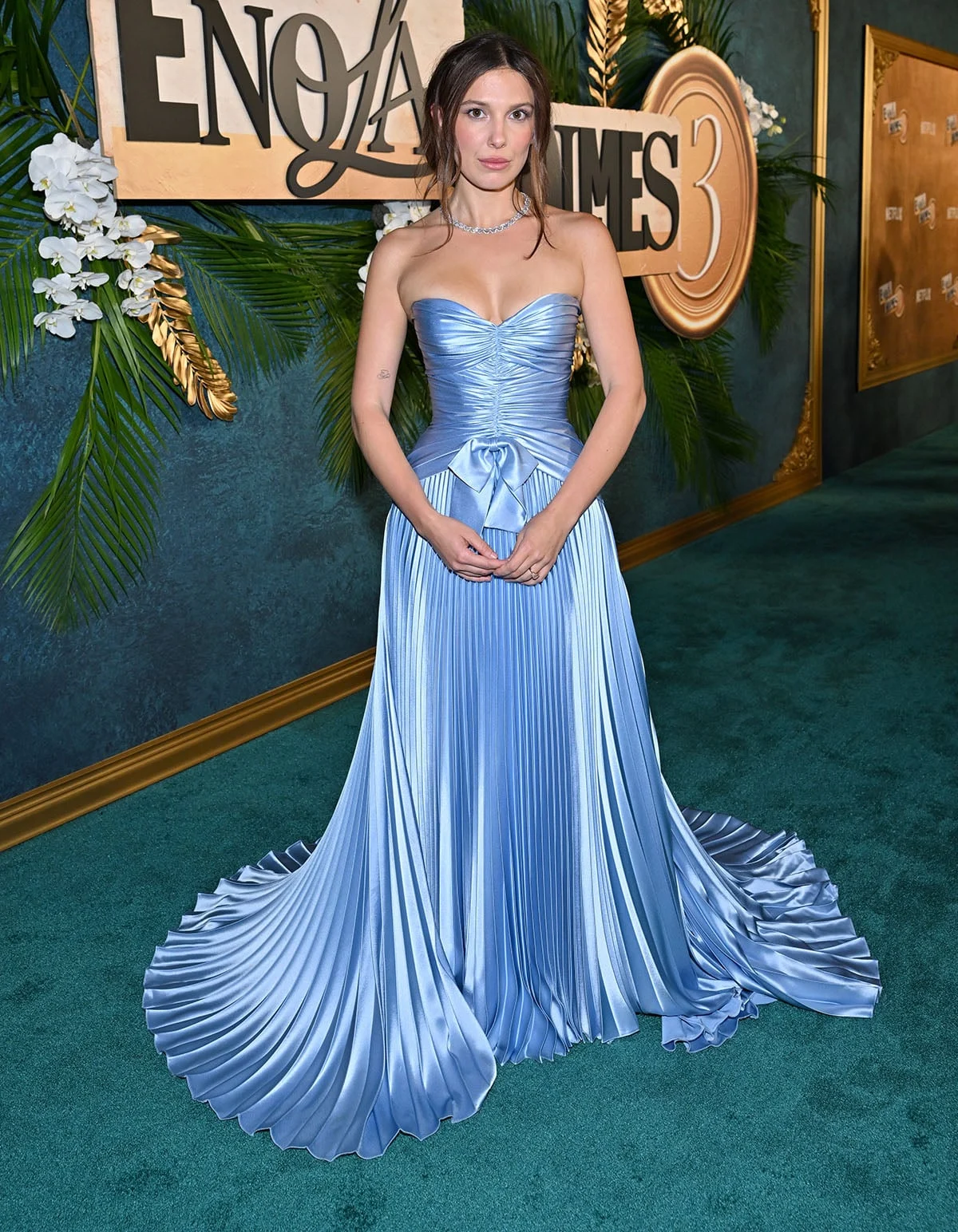
The return of the high-spirited detective Enola Holmes was celebrated in grand fashion on Wednesday evening as Netflix hosted the world premiere of Enola Holmes 3 at the historic Plaza Hotel in New York City. The event marked a significant milestone for the franchise, which has evolved from a breakout streaming hit into one of the cornerstone intellectual properties for the global production giant. Millie Bobby Brown, who both stars in the title role and serves as a producer on the film, arrived at the venue to a flurry of international media attention, signaling the high stakes for this third installment in the series based on the beloved novels by Nancy Springer.
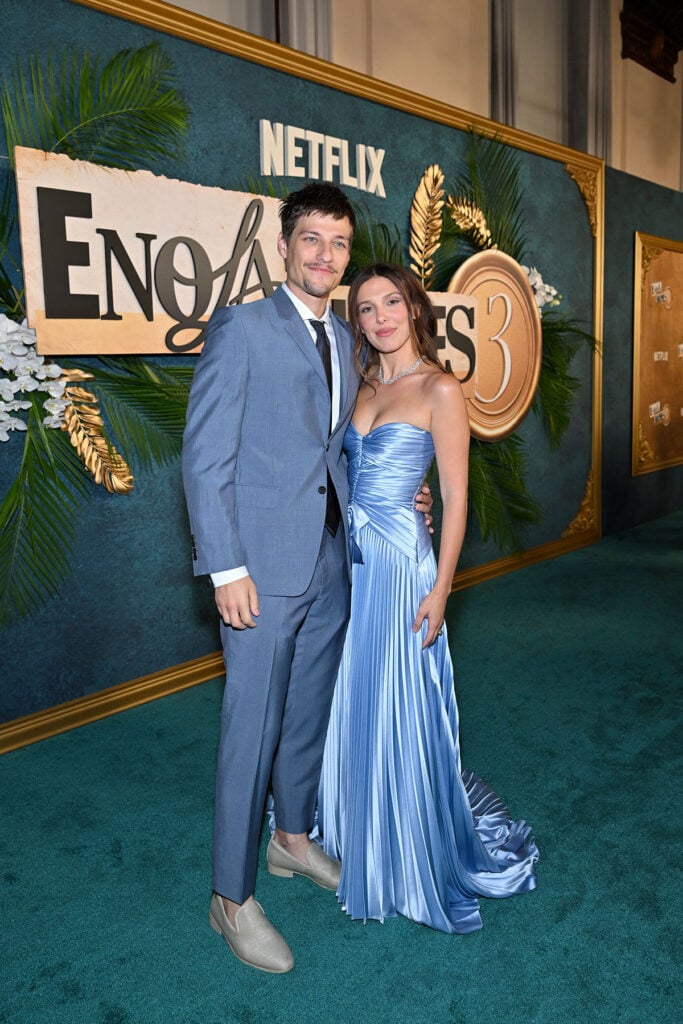
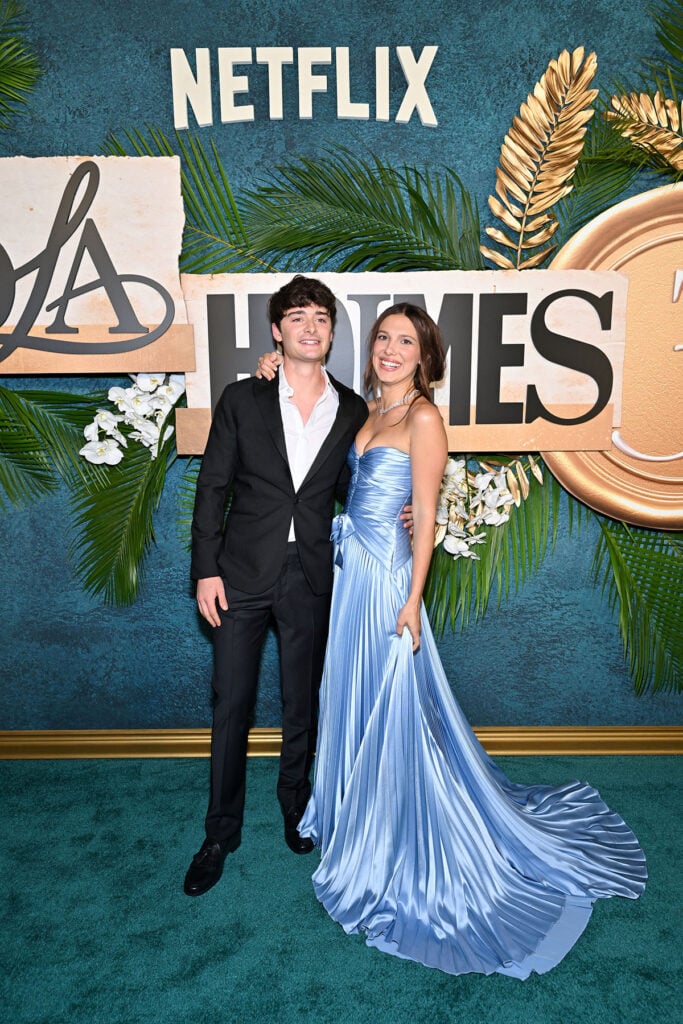
Accompanying Brown on the red carpet was her husband, Jake Bongiovi, marking one of their first high-profile public appearances since their recent nuptials. The evening also served as a reunion for the core cast and Brown’s inner circle within the industry. Co-star Louis Partridge, who reprises his role as the dashing Viscount Tewkesbury, joined Brown for photographs, alongside her longtime friend and former Stranger Things castmate Noah Schnapp. The gathering of young Hollywood royalty at one of Manhattan’s most prestigious landmarks underscored the cultural impact of the Enola Holmes series, which has successfully bridged the gap between young adult fiction and mainstream period drama.
The Evolution of the Enola Holmes Franchise
The journey to Enola Holmes 3 began with the unexpected massive success of the first film, released in September 2020. At a time when global cinema was largely shuttered due to the COVID-19 pandemic, the first Enola Holmes became a household staple, with Netflix reporting that over 76 million households watched the film within its first 28 days of release. The sequel, Enola Holmes 2, followed in 2022, reaching the number-one spot on Netflix’s top ten lists in over 93 countries.
This third chapter arrives with significant momentum and a heightened production value. Under the direction of Harry Bradbeer, who has helmed all three films, the series has carved out a unique aesthetic that blends Victorian-era London with modern sensibilities and fourth-wall-breaking narration. The narrative of the third film reportedly dives deeper into the complex relationship between Enola and her famous older brother, Sherlock Holmes, while expanding the scope of the political and social mysteries that define the era.
Industry analysts suggest that the continued investment in the Enola Holmes brand is a strategic move by Netflix to secure long-term franchise loyalty among Gen Z and millennial viewers. By positioning Brown as a central creative force—serving as a producer through her company, PCMA Productions—the streaming service has fostered a collaborative environment that allows the actress to shape the trajectory of the character as she matures alongside her audience.
Red Carpet Fashion and Stylistic Shifts
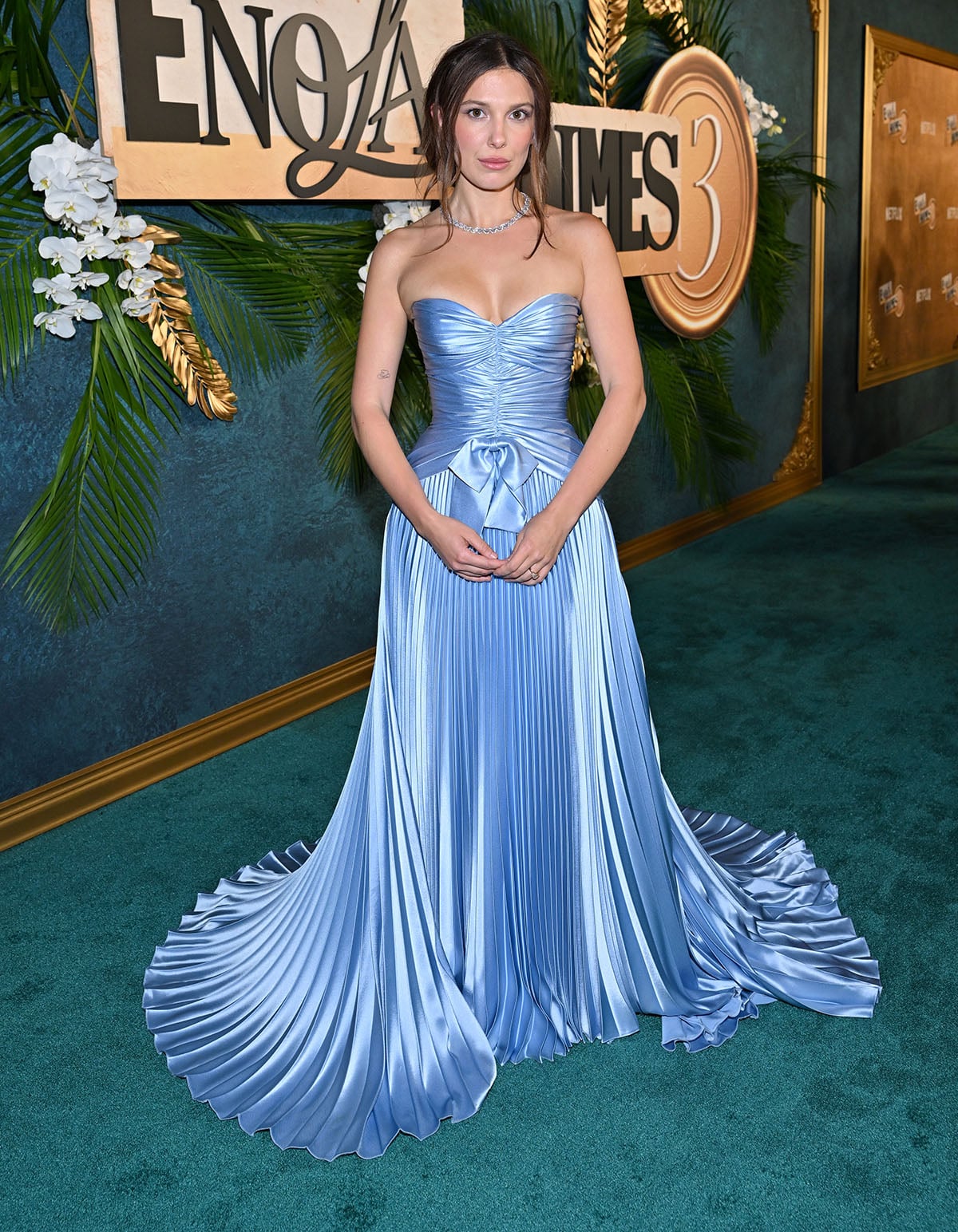
For the New York premiere, Millie Bobby Brown opted for a sophisticated departure from her previous promotional aesthetics. Stepping away from the vintage-inspired "method dressing" that characterized her recent press tour for The Electric State—which featured numerous homages to 1990s icons like Pamela Anderson and Gwyneth Paltrow—Brown chose a custom blue gown by Galia Lahav.
Galia Lahav, a designer traditionally known for intricate bridal wear and high-octane evening couture, crafted a silhouette for Brown that emphasized structural elegance over thematic references. The floor-length gown featured delicate detailing that allowed the actress to present a more refined, adult image. This stylistic pivot is viewed by fashion commentators as a deliberate effort to transition Brown’s public persona from a teenage star to a serious Hollywood power player and producer.
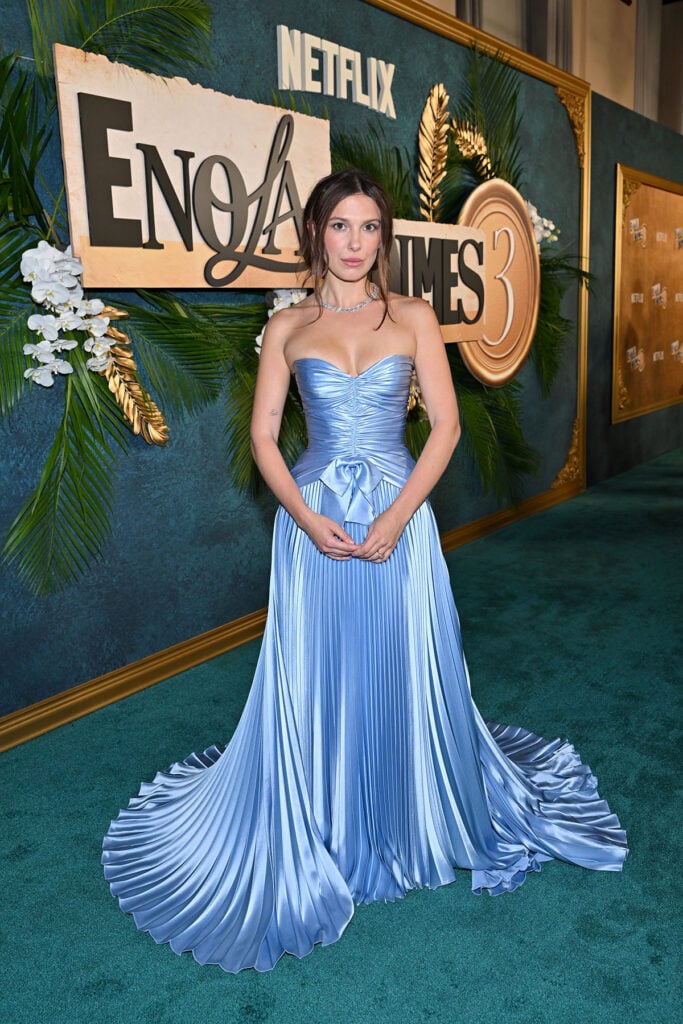
The ensemble was completed with high-jewelry pieces from Chopard. The choice of the Swiss luxury jeweler added a layer of classic glamour to the look, reinforcing the premiere’s setting at The Plaza. Stylists have noted that the simplicity of the look, compared to her more avant-garde appearances in the past, reflects a growing confidence in her personal brand.
Supporting Cast and Creative Collaboration
The presence of Louis Partridge at the premiere highlighted the central romantic and investigative partnership that has become a fan-favorite element of the series. Partridge’s character, Tewkesbury, has evolved from a runaway aristocrat in the first film to a more established political figure, mirroring the actor’s own rise in the industry. His chemistry with Brown has been a primary driver of the films’ social media engagement, which remains a key metric for Netflix’s marketing strategy.
The appearance of Noah Schnapp also drew significant attention from the press. While Schnapp is not a member of the Enola Holmes cast, his presence highlighted the enduring bonds formed during the production of Stranger Things, the series that catapulted both Brown and Schnapp to global fame. As Stranger Things nears its final season, the visibility of its stars at each other’s major projects serves as a reminder of the generational shift currently taking place in Hollywood, as this cohort of actors begins to lead major independent franchises.
Production Background and Strategic Importance
Enola Holmes 3 was filmed across several locations in the United Kingdom, utilizing historic sites to maintain the series’ commitment to period authenticity. The production involved extensive coordination with local film commissions, contributing to the burgeoning "Screen Britain" initiative that has seen a surge in high-budget streaming productions filmed on British soil.
From a business perspective, Enola Holmes 3 represents a critical component of Netflix’s 2026-2027 slate. As the streaming market faces increased saturation, the ability to produce reliable, high-performing sequels is paramount. The Enola Holmes series is particularly valuable because it appeals to a broad demographic—younger viewers attracted to the mystery and adventure, and older viewers who appreciate the Sherlockian lore and the high-quality production design.
The film also benefits from the intellectual property’s flexibility. Unlike the original Arthur Conan Doyle stories, which have entered the public domain in many jurisdictions, the Enola Holmes series is based on Nancy Springer’s contemporary novels, providing a fresh legal and creative framework for storytelling. This has allowed the producers to explore themes of women’s suffrage, class struggle, and industrialization through a lens that feels relevant to modern audiences.
Timeline of the Enola Holmes 3 Development
The development of the third film was officially greenlit shortly after the success of the second installment in late 2022. Scripting took place throughout 2023, with Jack Thorne returning to pen the screenplay. Thorne, known for his work on His Dark Materials and Harry Potter and the Cursed Child, has been credited with giving the series its distinct voice and emotional depth.
Principal photography began in early 2025, following delays related to industry-wide labor strikes and Brown’s filming commitments for the final season of Stranger Things. The post-production phase involved extensive visual effects work to recreate 19th-century London, including the bustling docks and the intricate interiors of the city’s elite social clubs. The decision to hold the world premiere at The Plaza Hotel in New York, rather than a traditional cinema, was a nod to the film’s themes of luxury, mystery, and high society.
Anticipation and Future Outlook
Early tracking for Enola Holmes 3 suggests that it could surpass the viewership numbers of its predecessors. Social media sentiment analysis indicates a high level of anticipation for the resolution of several cliffhangers established in the second film, particularly regarding the introduction of iconic characters from the Sherlock Holmes mythos who have been reimagined for this universe.
As the film prepares for its global streaming debut, the focus remains on Millie Bobby Brown’s dual role as star and shepherd of the franchise. At just 22 years old (as of the projected 2026 release context), Brown’s ability to command a red carpet at The Plaza while overseeing the production of a multi-million dollar film series is a rarity in the industry.
The success of Enola Holmes 3 will likely dictate the future of the series, with rumors of a potential fourth film or spin-off series already circulating in trade publications. For now, the New York premiere serves as a victory lap for a production team that has successfully turned a literary adaptation into a global phenomenon.
Conclusion
The Enola Holmes 3 premiere was more than a promotional event; it was a demonstration of the current state of the entertainment industry, where streaming platforms, young producer-actors, and established luxury brands converge. By choosing a path of refined elegance and strategic franchise building, Millie Bobby Brown and Netflix have signaled that Enola Holmes is no longer just a "teen movie" but a sophisticated pillar of modern cinema. As the film rolls out to millions of screens worldwide, the industry will be watching closely to see if the youngest Holmes can once again capture the global zeitgeist.