




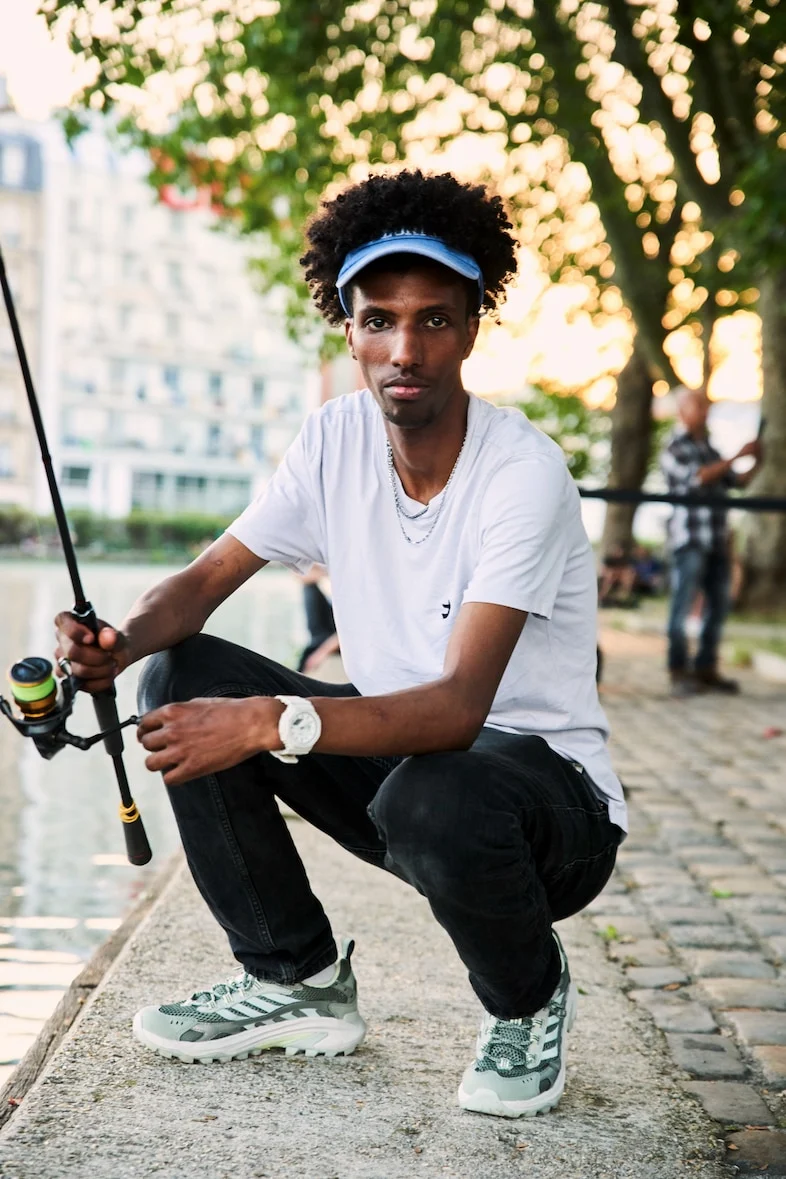
Merrell, a leading name in outdoor footwear and apparel, recently orchestrated a unique urban activation in Paris, inviting participants to explore the unexpected confluence of city life and the natural world through the lens of street fishing. Held against the vibrant backdrop of Fête de la Musique, the event was a cornerstone of Merrell’s "Outside In The City" campaign, designed to dismantle perceptions that genuine outdoor experiences are exclusive to remote wildernesses. The initiative, fronted by renowned Parisian street-fisher Samuel Marque, transformed stretches of the River Seine into an immersive classroom, demonstrating that pockets of nature and tranquility thrive even amidst the dense urban fabric of one of the world’s most bustling capitals.
Merrell’s Vision: Bridging the Urban-Nature Divide
The "Outside In The City" campaign represents Merrell’s strategic pivot towards broadening the definition of "the outdoors." For decades, Merrell has equipped adventurers for rugged trails and challenging terrains, fostering a brand identity synonymous with performance and durability in traditional wilderness settings. However, recognizing the global trend of increasing urbanization and the desire among city dwellers for accessible nature, the campaign aims to reframe urban landscapes as legitimate venues for outdoor engagement. This activation in Paris exemplified Merrell’s commitment to proving that nature is not merely a distant escape but an integral part of everyday urban existence, often overlooked yet readily available for discovery. By promoting activities like street fishing, Merrell encourages a more mindful interaction with one’s immediate environment, fostering a sense of connection and stewardship that transcends geographical boundaries. The brand’s messaging underscores that the essence of outdoor adventure—exploration, challenge, and connection—can be found just steps from one’s doorstep, requiring only a shift in perspective and the right mindset.
The Fête de la Musique Synergy: A Festival of Contrasts
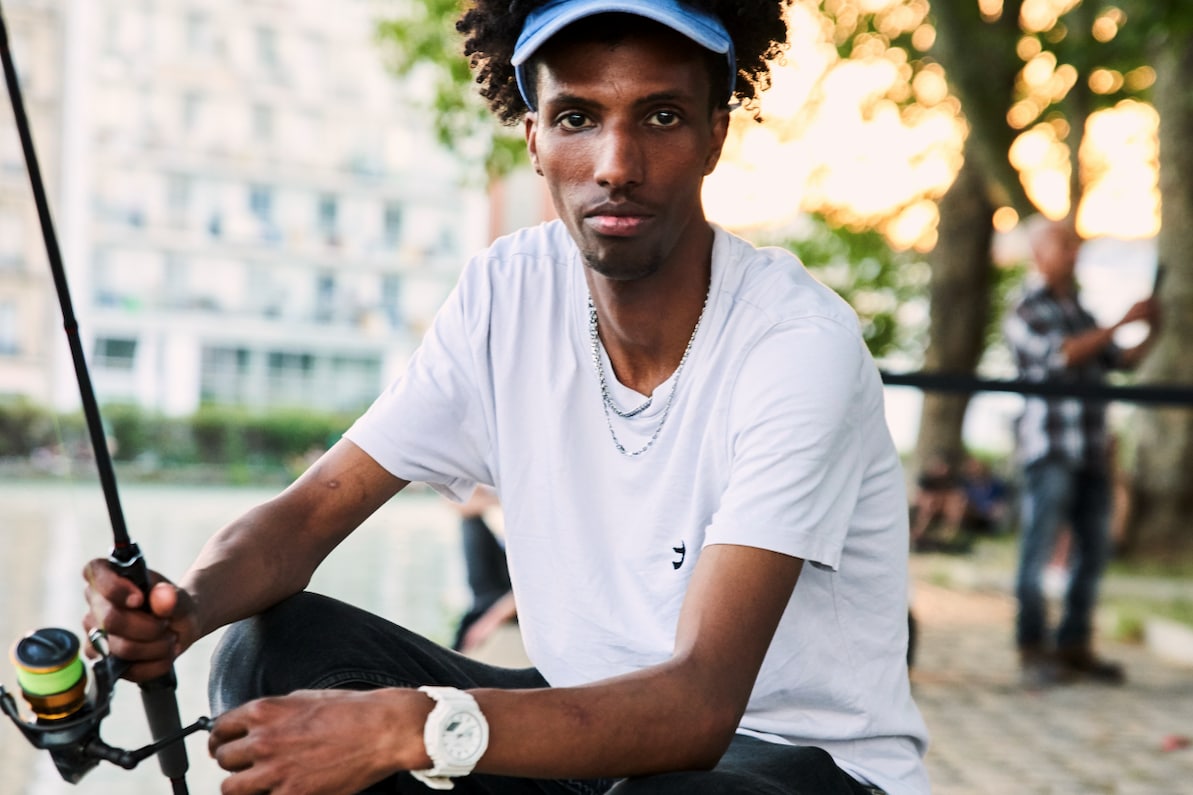
The timing of Merrell’s street fishing activation was particularly poignant, coinciding with Paris’s annual Fête de la Musique. Traditionally celebrated on June 21st, this nationwide festival sees amateur and professional musicians spill onto streets, parks, and public squares, transforming the entire city into a spontaneous, free-for-all concert hall. Millions participate, creating an atmosphere of unparalleled energy and collective celebration. Placing a serene activity like fishing amidst such effervescence created a compelling juxtaposition, highlighting the contrasting rhythms that coexist within a major metropolis. While the city pulsated with diverse musical genres, from jazz to rock to classical, a quieter, more reflective pursuit unfolded along the Seine. This strategic choice by Merrell not only ensured high visibility for the campaign but also powerfully illustrated its central tenet: that moments of calm and connection with nature are achievable even in the most boisterous urban environments, offering a unique form of urban escape and mindfulness. The event demonstrated how individuals could carve out personal sanctuaries of peace, even as the collective energy of the festival enveloped the city.
Samuel Marque: The Ambassador of Urban Angling
At the heart of Merrell’s Parisian initiative was Samuel Marque, a prominent figure in the burgeoning world of street fishing. Marque’s personal journey into angling began in childhood, ignited by the captivating documentary series River Monsters. This early fascination quickly transformed into a deep-seated passion, nurtured by a deal with his father: good academic performance would be rewarded with fishing trips. "He told me if I was good in school, we could go because I was not well behaved," Marque recounts. This incentive cultivated not only discipline but also a profound connection to the natural world and its inhabitants.
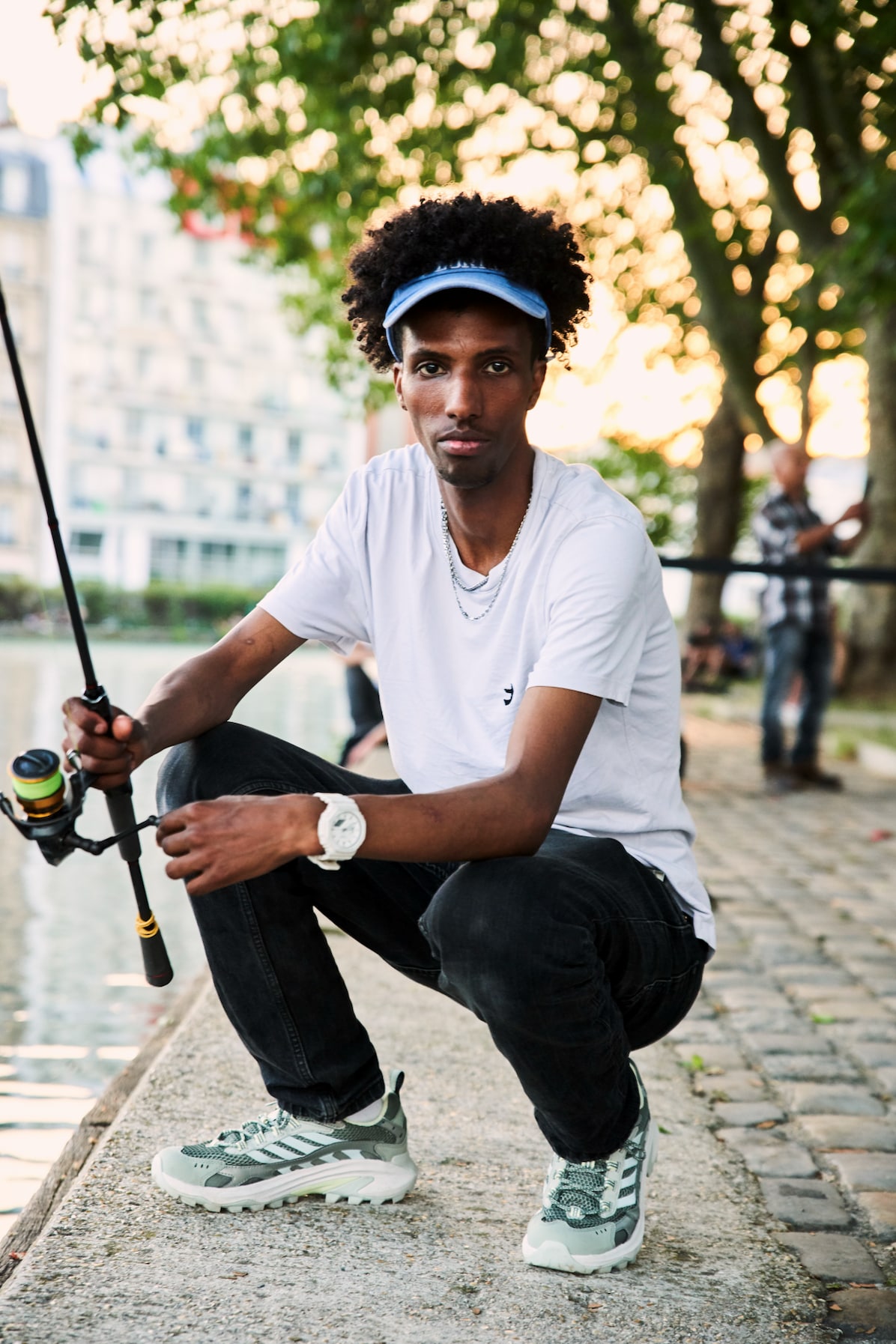
Today, Marque leverages his passion to educate and inspire, serving as an ambassador for responsible urban fishing. He challenges the common misconception that Paris’s waterways are devoid of life or unsuitable for angling. "People think you can’t fish in Paris," he states, but then emphatically adds, "If there is a meadow, there’s life." This simple yet powerful ecological axiom underpins his philosophy: where there is vegetation and a healthy ecosystem, life will flourish. Marque’s approach to street fishing is deeply rooted in environmental stewardship. He advocates for respecting the aquatic ecosystem, continuous learning about the local environment, and stringent adherence to catch-and-release practices. In Paris, where keeping caught fish from the Seine is generally prohibited due to historical concerns about water quality and to protect fish populations, catch-and-release is not merely a preference but a crucial conservation mandate. Marque’s dedication ensures that future generations of fishers will continue to find thriving aquatic life in the city’s rivers. His role extends beyond fishing; he is a vocal proponent for urban biodiversity and a living testament to the possibility of finding profound natural experiences within the built environment.
The Experiential Activation: A Hands-On Dive into Urban Ecology
The Merrell activation provided a rare opportunity for attendees, including media, influencers, and local enthusiasts, to receive a direct, hands-on lesson from Samuel Marque himself. Along the banks of the Seine, participants were initiated into the nuances of street fishing, from selecting the right lure to mastering casting techniques and understanding the subtle signs of a bite. Marque patiently guided each aspiring angler, sharing not just technical skills but also his profound ecological knowledge. He taught them how to identify common fish species inhabiting the Seine—such as pike, zander, perch, and various carp species—and emphasized the delicate process of safely handling and releasing fish to minimize stress and injury.
The atmosphere was described as universally positive and engaging. "Being here teaching people how to fish is my favourite part," Marque noted, highlighting the infectious enthusiasm of the participants. This interactive workshop demystified street fishing, making it accessible to novices and experienced anglers alike. It transformed the urban riverside into a dynamic learning environment, fostering a collective appreciation for the aquatic biodiversity hidden beneath the city’s surface. The event cultivated a sense of camaraderie among participants, united by their shared discovery of a peaceful, engaging activity in an unexpected locale.
Ecological Insights and Regulatory Frameworks of Parisian Fishing
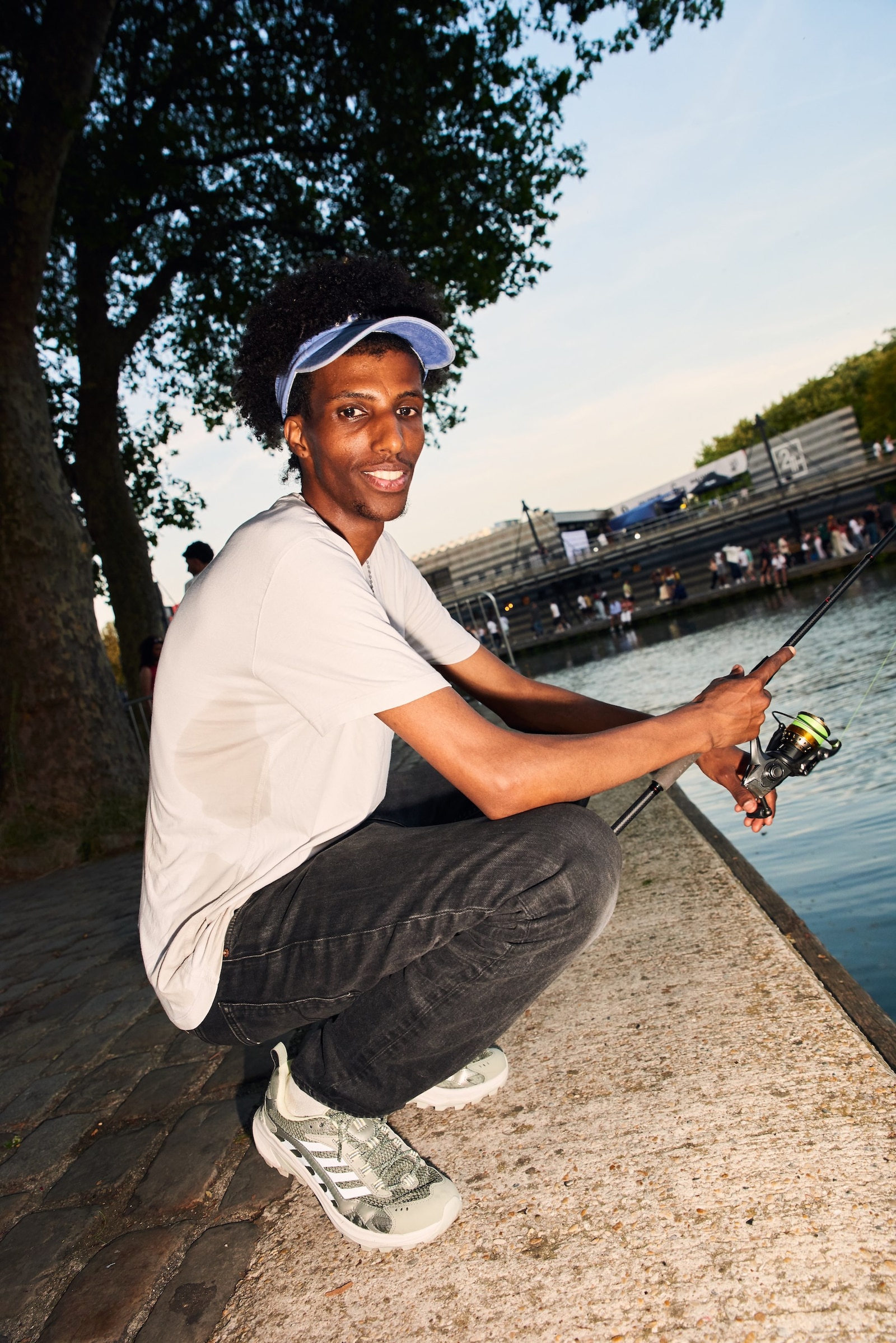
The ability to fish in the Seine, a river that was once notoriously polluted, is a testament to decades of significant environmental clean-up efforts by Parisian authorities and environmental agencies. Historically, industrial discharge and urban runoff severely impacted the river’s health, leading to a drastic decline in fish populations and biodiversity. However, stringent regulations, improved wastewater treatment, and concerted conservation initiatives have led to a remarkable ecological recovery. Today, the Seine supports a diverse array of fish species, indicating a healthier, albeit still monitored, ecosystem.
The strict catch-and-release policy for recreational fishing in Paris is a cornerstone of this conservation strategy. It ensures the sustainability of fish populations, allowing them to reproduce and thrive without being depleted by angling pressure. Furthermore, this regulation reflects an ongoing public health caution regarding the consumption of fish from urban waterways, even as water quality improves. Samuel Marque’s emphasis on thorough research and responsible angling practices, including the proper use of equipment and safe fish handling, is therefore critical. He actively promotes resources like YouTube tutorials to ensure that enthusiasts are well-informed, minimizing harm to fish and contributing to the river’s ecological balance. This regulatory framework, combined with dedicated environmental education, underpins the ethical practice of street fishing in Paris.
Voices from the Riverbank: Attendee Perspectives
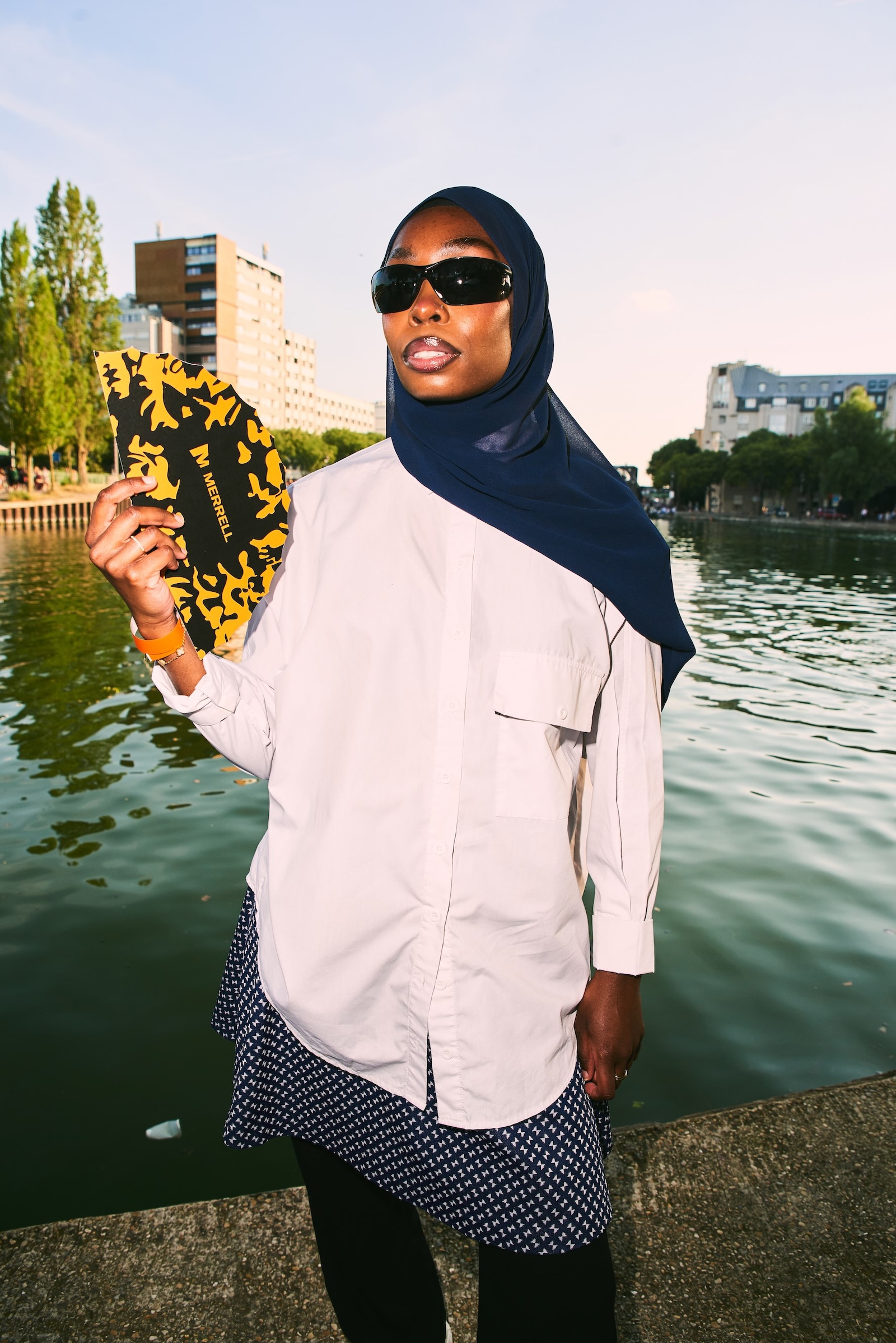
The diverse group of attendees shared their personal insights, reflecting the multifaceted appeal of street fishing and the Merrell activation:
Samuel, 23, articulated the ethical imperative behind the sport: "If you are fishing, you have to research first. If you are not well-informed, you risk killing the fish, which prevents reproduction. When people are participating in a sport, they have to train. [In fishing] you can train by using YouTube videos to learn how to catch and not hurt the fish." He reiterated the mandatory nature of catch-and-release in Paris, emphasizing, "Take care of the fish so next time you come, there will still be fish to catch. Being here teaching people how to fish is my favourite part. They’re all here, excited to try it, and it’s a good vibe." His perspective underscored the educational and conservationist aspects central to responsible urban angling.
Kelly, 24, a member of the @kayahikingclub, stumbled upon street fishing by chance and found it resonated with her passion for outdoor activities. "I discovered street fishing in Paris a bit by chance, while walking along the Seine. I saw people sitting on the riverbanks, looking relaxed and completely in their own world. Being passionate about sport and outdoor activities, this invitation from Merrell was the perfect opportunity to try this discipline with my team @kayahikingclub." She particularly valued the community aspect: "What I love about this community is the kindness and openness. People share tips, techniques, and even their failures with a smile. It’s a very accessible world, with no pressure." Kelly highlighted the surprising natural connection Paris offers: "Paris is known for its urban side and fast-paced lifestyle, but it can also offer genuine moments of connection with nature along the Seine."
Charlotte, 26, found an unexpected sense of peace amidst the city’s festive chaos. "Fishing in Paris is très tranquil. It reminds me of fishing in Aotearoa, New Zealand. Beers on the wharf, wet hair, loose t-shirts, friends. I felt at peace fishing on the Seine, despite the busy fête activities around us." Her comparison to the serene fishing culture of New Zealand underscored the universal appeal of angling as a calming, communal activity, capable of creating a bubble of tranquility even in the most dynamic urban settings.
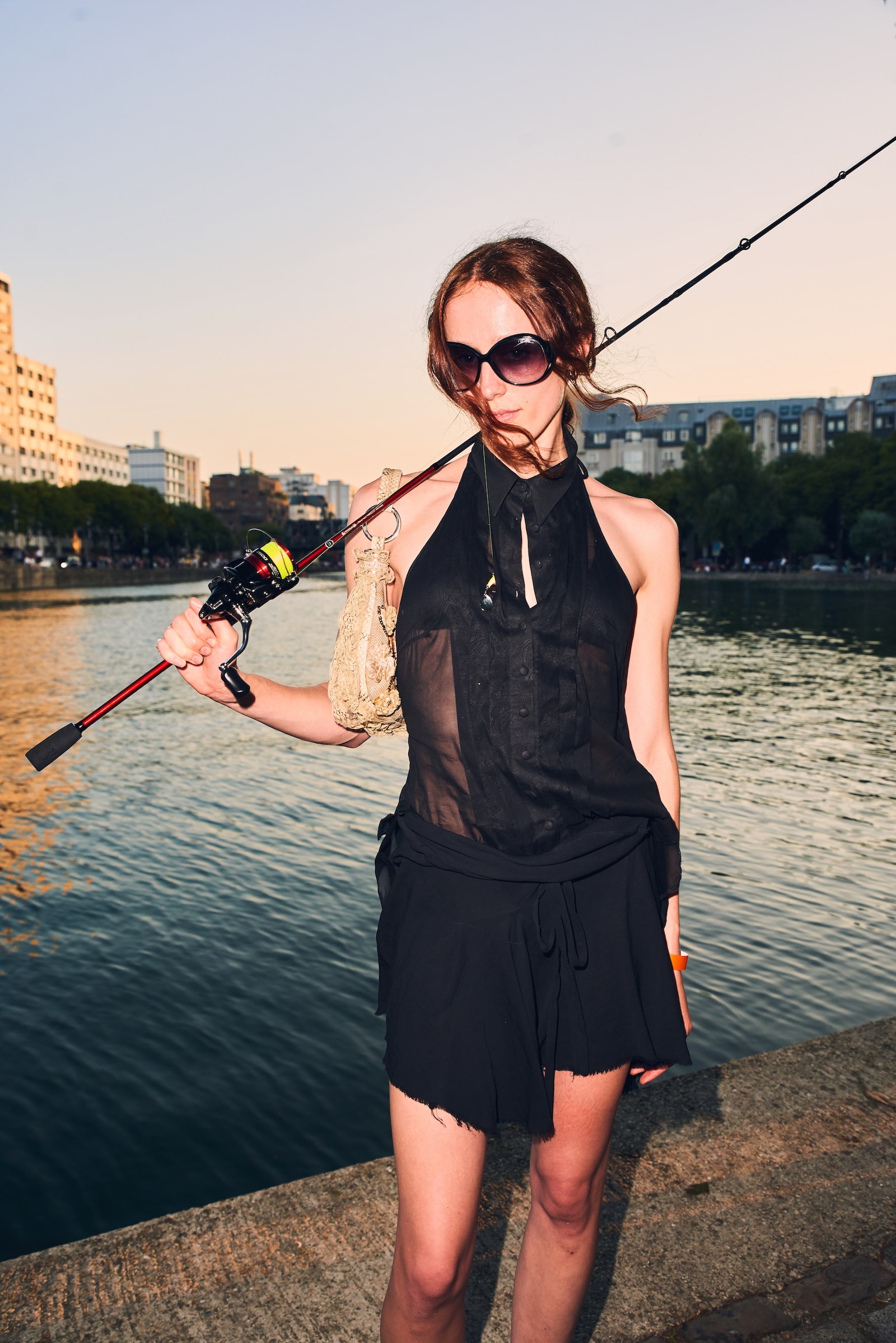
Mathieta, 23, whose academic background in chemistry and geology provided a scientific appreciation for the environment, viewed the event as a delightful discovery. "The Merrell event was super fun and friendly. I discovered street fishing through my studies in chemistry and geology. I like doing it because it allows me to relax and enjoy nature in the city, without any pressure, while spending time with my friends." She noted the surprising accessibility and social nature of the activity: "It might surprise people that you can actually fish right in the middle of Paris, so simply, and that it can be such a relaxing and social experience."
Kaba Sasha, 25, approached the activity as a complete novice, experiencing the initial challenges with good humor. "I discovered street-fishing through a workshop organised by the brand Merrell during Fête de la Musique, and it made me want to try again, at least until I manage to catch a fish! It was my first time trying fishing, and I genuinely didn’t realise it was that complicated! For my first attempt, I got my line stuck in a tree when the goal is normally to get it in the water, but I’ll have my revenge." Her candid reflection on the learning curve demystified the sport, making it relatable for other beginners. "Something that might surprise people is how complicated even just setting up a fishing rod can be. I’m someone who struggles a bit with logic and methodology, and that definitely showed here, but I can only do better next time." Her experience highlighted that even initial struggles can spark enthusiasm for a new outdoor pursuit.
Beyond the Hook: Broader Impact and Future Prospects
Merrell’s "Outside In The City" campaign, particularly through its Parisian street fishing activation, carries significant broader implications. Firstly, it champions environmental stewardship by drawing attention to urban ecosystems and the importance of conservation, even in man-made environments. By highlighting the biodiversity of the Seine and advocating for catch-and-release, the campaign reinforces critical ecological principles for urban populations. Secondly, it serves as a powerful testament to the evolving nature of recreation, redefining what constitutes "the outdoors" and making nature-based activities more accessible to city dwellers. This aligns with a growing global interest in urban wellness, mindfulness, and the mental health benefits of engaging with nature. Studies consistently show that exposure to green and blue spaces in cities can reduce stress and improve overall well-being.
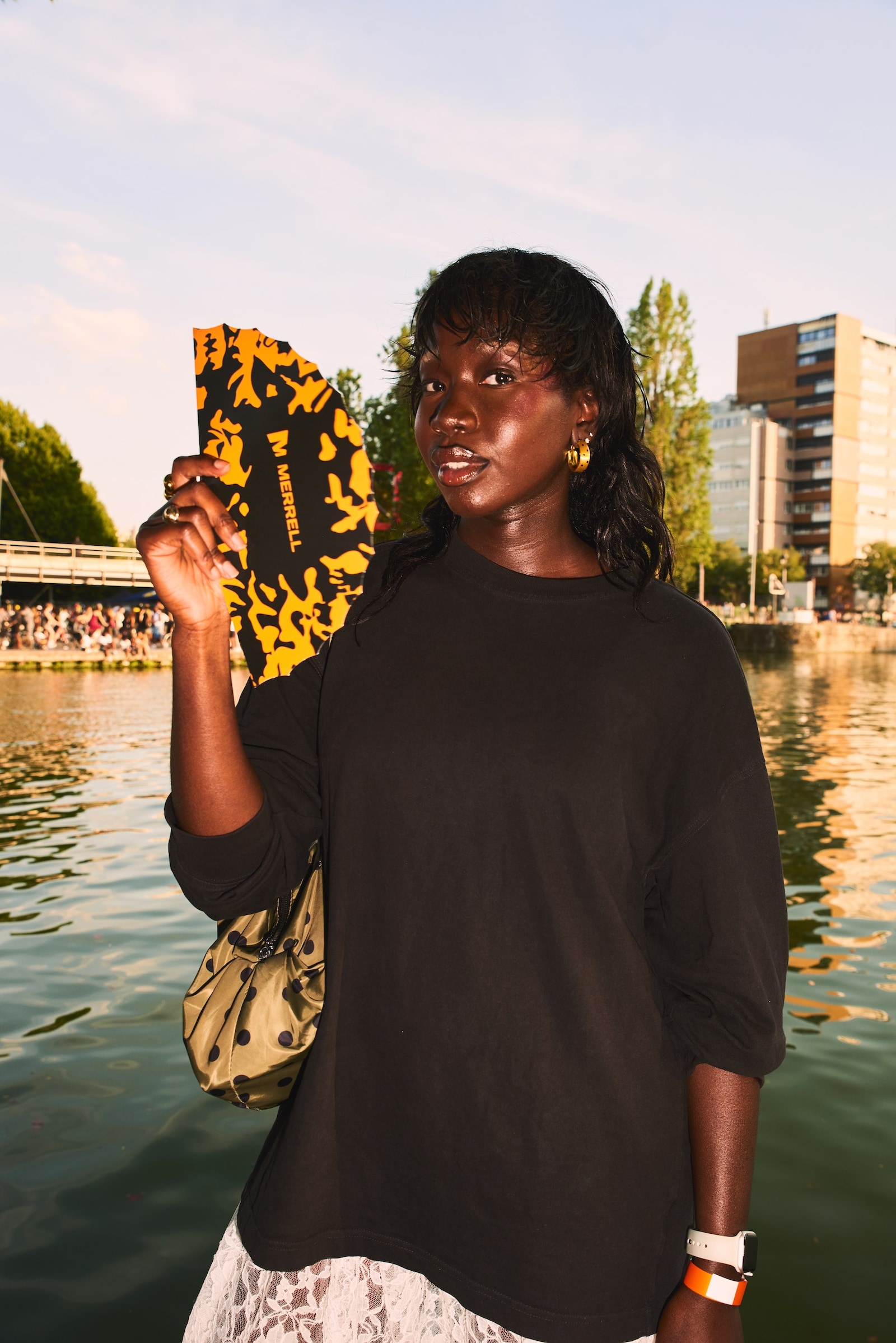
From a brand perspective, Merrell successfully positions itself not just as a provider of outdoor gear but as a facilitator of unique outdoor experiences, fostering a deeper connection between consumers and their environment. This strategy resonates with contemporary values that prioritize authenticity, sustainability, and experiential learning. The event also underscores the potential for community building around niche urban hobbies. The camaraderie observed among participants and the enthusiasm for learning a new skill demonstrate the social capital inherent in such initiatives. Looking ahead, this model could be replicated in other major cities, inspiring similar activations that encourage urban populations to discover and protect the hidden natural gems within their own concrete jungles, transforming neglected urban waterways into vibrant hubs of ecological appreciation and recreational activity. The long-term success of such initiatives will depend on continued collaboration between brands, local authorities, and environmental organizations to ensure sustainable practices and public education.