






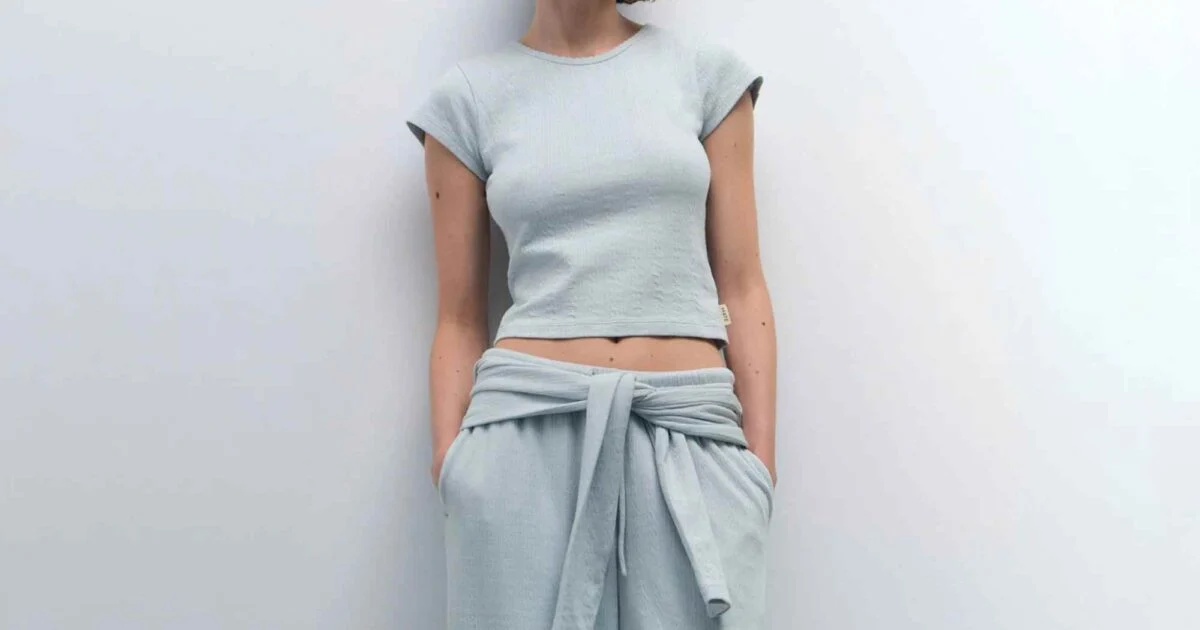
The burgeoning demand for comfortable yet stylish apparel, spurred by shifts in work culture and a heightened focus on personal well-being, has placed loungewear at the forefront of contemporary fashion. Concurrently, a growing awareness of the fashion industry’s significant environmental and social footprint is compelling consumers and brands alike to seek more sustainable practices. This confluence of trends has illuminated a critical need for ethically produced loungewear, moving beyond petroleum-derived fabrics like polyester and fleece towards materials and production methods that align with environmental stewardship and social equity. In response to this evolving landscape, platforms like Good On You are curating expertly vetted selections of brands that meet rigorous sustainability criteria, offering consumers a transparent pathway to making informed purchasing decisions that blend comfort, style, and responsible manufacturing.
The Ascendance of Loungewear and Its Environmental Imperative
The past decade, particularly catalyzed by global events such as the shift towards remote work arrangements, has seen loungewear transcend its traditional role as mere at-home attire. It has evolved into a versatile category encompassing hoodies, sweatpants, shorts, and tops designed for relaxation, work-from-home comfort, and even casual outings. This expansion has led to an exponential increase in production, often relying on conventional manufacturing processes that are resource-intensive and environmentally detrimental.
A significant portion of mainstream loungewear is produced from synthetic fibers such as polyester, nylon, and acrylic, which are derived from fossil fuels. The production of these materials is energy-intensive, contributes to greenhouse gas emissions, and releases microplastic fibers into waterways during washing, posing a threat to marine ecosystems. Furthermore, the dyeing and finishing processes often involve hazardous chemicals, contaminating water sources and posing health risks to workers and local communities. The rapid cycle of fast fashion, which encourages frequent purchases of inexpensive, low-quality garments, exacerbates these issues, leading to vast amounts of textile waste ending up in landfills. According to a 2022 report by the United Nations Environment Programme (UNEP), the fashion industry is responsible for 2-8% of global carbon emissions, and approximately 85% of all textiles produced end up in landfills or are incinerated annually. This context underscores the urgent need for a paradigm shift towards more sustainable alternatives within every segment of the apparel industry, including loungewear.
The Imperative for Sustainable Fashion: A Broader Context
The call for sustainability in fashion extends beyond material choices to encompass the entire supply chain, from raw material sourcing to manufacturing processes and labor conditions. Brands committed to sustainable practices often prioritize the use of organic, recycled, or innovative low-impact materials, implement water and energy-saving technologies, minimize chemical usage, and ensure fair wages and safe working conditions for their employees. This holistic approach addresses the triple bottom line of people, planet, and profit, reflecting a commitment to ethical business practices.
Consumer demand plays a pivotal role in driving this industry transformation. A 2023 study by McKinsey & Company indicated that a significant percentage of consumers are willing to pay more for products that are sustainably produced and ethically sourced. This growing consumer consciousness has empowered organizations like Good On You to emerge as crucial intermediaries, providing transparent and accessible information that enables individuals to align their purchasing power with their values. By simplifying the complex landscape of fashion sustainability, these platforms demystify certifications, scrutinize brand claims, and ultimately foster a more responsible marketplace.
Good On You’s Methodology: A Beacon for Conscious Consumers
Good On You stands as a leading authority in assessing and rating fashion and beauty brands based on their impact across three key pillars: people, the planet, and animals. Developed by a diverse panel of experts, its comprehensive methodology aggregates transparent information from various sources, including internationally recognized standards, certifications, and publicly available data. This rigorous evaluation process culminates in a simple five-point rating scale, from "We Avoid" to "Great," empowering consumers to quickly identify brands that genuinely uphold ethical and sustainable standards.
The "People" rating evaluates a brand’s labor practices, including fair wages, safe working conditions, transparency in the supply chain, and policies against forced labor and child labor. This component is crucial for addressing the pervasive issue of exploitation within the global garment industry. The "Planet" rating scrutinizes environmental impact, considering factors such as water usage, waste management, chemical use, greenhouse gas emissions, and the brand’s commitment to using lower-impact materials. Finally, the "Animals" rating assesses a brand’s policies on animal welfare, including the use of animal-derived materials and cruelty-free practices.
Good On You’s editorial team further enhances the trustworthiness of its recommendations. This team, comprised of experts with deep knowledge of sustainable fashion, meticulously reviews and approves each brand and product feature. Their stringent standards ensure that recommended items not only meet sustainability benchmarks but also exhibit high quality, durability, and a timeless aesthetic, promoting the "buy less, buy better" philosophy. This approach counters the disposability of fast fashion by encouraging investment in long-lasting pieces that transcend fleeting trends. While acknowledging the importance of reusing, mending, and second-hand shopping, Good On You’s primary focus is to guide consumers towards new brands that are inherently aligned with sustainability objectives, thereby fostering systemic change within the industry.
Spotlight on Sustainable Loungewear Brands: Blending Comfort with Conscience
Good On You’s curated selection of highly-rated loungewear brands exemplifies how comfort, style, and ethical production can coexist. These brands represent the vanguard of sustainable fashion, offering alternatives to conventional loungewear that are both gentle on the planet and fair to the people who make them.
-
CHNGE: This US-based brand is a testament to the power of organic materials and a strong statement. CHNGE exclusively uses 100% organic cotton, renowned for its significantly lower environmental impact compared to conventional cotton, which often relies heavily on pesticides and vast amounts of water. Their commitment to durability ensures garments are built to last, promoting longevity and reducing textile waste. With an inclusive size range from 2XS to 4XL, CHNGE makes sustainable fashion accessible to a broader audience, reflecting a commitment to diversity and equity. The brand’s messaging often incorporates social and environmental themes, making each purchase a conscious statement. (Good On You Rating: See the rating. Shop CHNGE.)
-
Happy Earth: Happy Earth Apparel, another US-based brand, draws its inspiration directly from nature and dedicates a portion of its efforts to its preservation. Beyond utilizing organic materials in its clothing, the brand actively partners with non-profits and mobilizes "Happy Earth ambassadors" to engage in impactful environmental initiatives. These efforts include planting trees, which aids in carbon sequestration and biodiversity, fighting climate change through various advocacy and operational choices, and participating in clean-up operations to remove trash from natural environments. This integrated approach highlights a brand that goes beyond product sustainability to actively contribute to ecological restoration. Most items are available in sizes XS-3XL. (Good On You Rating: See the rating. Shop Happy Earth.)
-
Artknit Studios: Hailing from Italy, Artknit Studios masterfully blends timeless design with responsible production of knitwear. The brand prides itself on using 100% lower-impact materials, often natural fibers sourced locally to minimize transportation emissions. Its commitment to ethical manufacturing is demonstrated through partnerships with Italian makers who adhere to anti-waste practices, ensuring efficient resource utilization and reduced environmental impact. Artknit Studios embodies the "buy less, buy better" ethos, crafting high-quality, durable pieces designed to be cherished for years, thereby combating the disposability inherent in fast fashion. Sizes are offered in XS-XXL. (Good On You Rating: See the rating. Shop Artknit Studios.)
-
I was a Sari: This innovative Indian brand champions circularity and artisanal craftsmanship by transforming used saris and deadstock fabrics into vibrant new products. "I was a Sari" breathes new life into existing materials, drastically reducing waste and the demand for virgin resources. By recontextualizing traditional Indian garments into modern designs, the brand also preserves cultural heritage and supports local artisans, often providing fair employment opportunities and skill development. This model represents a powerful example of how fashion can be both beautiful and regenerative, creating unique pieces with a rich story. Pieces are available in sizes S-L. (Good On You Rating: See the rating. Shop I was a Sari.)
-
Underprotection: The Danish brand Underprotection offers a comprehensive range of underwear, loungewear, and swimwear, all crafted from lower-impact materials such as organic cotton, recycled polyester, and TENCEL™ Lyocell. The brand’s commitment to sustainability extends to its packaging, which is either recycled or biodegradable, minimizing post-consumer waste. Underprotection operates with a strong ethical foundation, exclusively partnering with certified factories that uphold fair working conditions and provide fair wages, recognizing these as fundamental human rights. This dedication to social responsibility is as integral to their brand identity as their material choices. The full range is available in XS-XL. (Good On You Rating: See the rating. Shop Underprotection.)
-
Miakoda: For those embracing an organic, plant-based lifestyle, NYC-made Miakoda presents a compelling choice for active and loungewear. The brand focuses on creating ultra-cosy pieces from organic, natural fibers, free from animal products. Miakoda’s aesthetic is characterized by stripped-back colors and minimalist designs, emphasizing comfort and versatility. Their dedication to using plant-based materials ensures a lower environmental footprint and caters to a growing segment of consumers seeking vegan and cruelty-free apparel. Supporting a diverse range of body types, the collection is available in XS-4XL. (Good On You Rating: See the rating. Shop Miakoda.)
-
Ninety Percent: This British label distinguishes itself with a unique business model that intertwines fashion with philanthropy. Ninety Percent commits to sharing 90% of its distributable profits between five charitable causes and the individuals who craft their collections. This radical transparency is further exemplified by their public disclosure of supplier and factory details on their website, allowing consumers to trace the origins of their garments. The brand focuses on stylish womenswear made with sustainable materials, proving that ethical business practices can drive both social impact and sartorial excellence. Collections are available in UK sizes 2XS-2XL. (Good On You Rating: See the rating. Shop Ninety Percent.)
-
Organication: Organication, a German brand, is dedicated to utilizing more sustainable fabrics such as organic cotton, TENCEL™ Lyocell, and other environmentally friendly fibers. TENCEL™ Lyocell, in particular, is celebrated for its closed-loop production process, which recycles water and solvents, making it a highly resource-efficient material with a silky soft feel. Organication’s focus on these advanced, lower-impact materials positions it as a leader in environmentally conscious textile innovation within the loungewear sector. (Good On You Rating: See the rating. Shop Organication.)
Beyond the Purchase: The Broader Impact of Ethical Choices
Choosing sustainable loungewear from brands like those highlighted by Good On You extends far beyond a personal preference for comfort or style. It represents a conscious decision that contributes to a cascade of positive impacts. Environmentally, opting for organic cotton reduces pesticide use and water consumption, while recycled materials divert waste from landfills and lessen the demand for virgin resources. Socially, supporting brands committed to fair labor practices ensures that garment workers receive equitable wages and work in safe, dignified conditions, thereby combating systemic exploitation within the global supply chain.
Economically, these choices foster the growth of a more responsible fashion industry, encouraging innovation in sustainable materials and production technologies. It shifts market demand away from fast fashion’s detrimental model towards a circular economy where products are valued for their longevity, repairability, and recyclability. Moreover, each informed purchase strengthens the collective voice of consumers advocating for greater transparency and accountability from all brands, driving broader industry-wide change.
Challenges and the Future of Sustainable Loungewear
Despite significant progress, the sustainable loungewear movement faces ongoing challenges. These include the higher production costs associated with ethical sourcing and manufacturing, which can translate to higher retail prices, potentially limiting accessibility for some consumers. There is also the persistent issue of "greenwashing," where brands make unsubstantiated or misleading claims about their sustainability efforts, making it difficult for consumers to discern genuine commitments from superficial marketing tactics. This is precisely where the role of independent rating systems like Good On You becomes indispensable.
Looking ahead, the future of sustainable loungewear is promising. Continued innovation in material science is expected to introduce even more eco-friendly fabrics, such as bio-based synthetics or advanced recycled blends. Enhanced supply chain transparency, driven by blockchain technology and stricter regulatory frameworks, will further empower consumers and hold brands accountable. As awareness grows and technology advances, sustainable loungewear is poised to become the norm rather than the niche, offering a future where comfort and conscience are inextricably linked in every wardrobe.
In conclusion, as consumers increasingly seek apparel that caters to both their comfort and their conscience, the importance of reliable resources like Good On You becomes paramount. By curating and rigorously assessing brands committed to sustainable practices, these platforms provide an invaluable service, guiding individuals towards loungewear choices that not only feel good to wear but also do good for the planet and its people. This ongoing evolution in consumer behavior and industry practices marks a significant step towards a more ethical and sustainable future for fashion.