






The 2026 Met Gala served as a definitive milestone for the House of Chanel as Matthieu Blazy made his formal debut for the brand on the steps of the Metropolitan Museum of Art. Entrusted with the task of interpreting the year’s theme—which focused on the intersection of decorative arts and historical costume—Blazy curated a roster of eight global ambassadors and friends of the house. The collection of garments presented a cohesive yet diverse exploration of Chanel’s archival strengths, modernized through Blazy’s signature emphasis on texture, movement, and material innovation. By moving away from literal thematic interpretations and focusing on the "art of the craft," the debut signaled a new era for the French luxury house under Blazy’s creative stewardship.

The 2026 Met Gala: Context and Theme
The Metropolitan Museum of Art’s Costume Institute Benefit, colloquially known as the Met Gala, remains the premier event on the global fashion calendar. The 2026 exhibition, titled "Artisanal Echoes: The Heritage of Decorative Design," challenged designers to bridge the gap between functional garment construction and the ornamental traditions of the 18th and 19th centuries. For Matthieu Blazy, who recently transitioned to Chanel following a celebrated tenure at Bottega Veneta, the event provided a high-stakes platform to showcase his vision for the brand’s haute couture and ready-to-wear divisions.
Chanel’s presence at the Met Gala has historically been defined by its adherence to the codes established by Gabrielle "Coco" Chanel and later solidified by Karl Lagerfeld. Blazy’s approach for 2026, however, prioritized the "Metiers d’art"—the specialized artisanal workshops owned by Chanel—to create looks that emphasized the tactile nature of fashion as a decorative art form. This strategy was reflected in the selection of a diverse group of talents, ranging from Academy Award-winning actresses to K-pop icons and contemporary musical artists.
Chronology of the Red Carpet: The Chanel Contingent
The arrival of the Chanel cohort was structured to highlight the different facets of the brand’s 2026 aesthetic. The progression began with established house ambassadors and concluded with rising stars, demonstrating the brand’s cross-generational appeal.
Margot Robbie: A Study in Gold Lamé
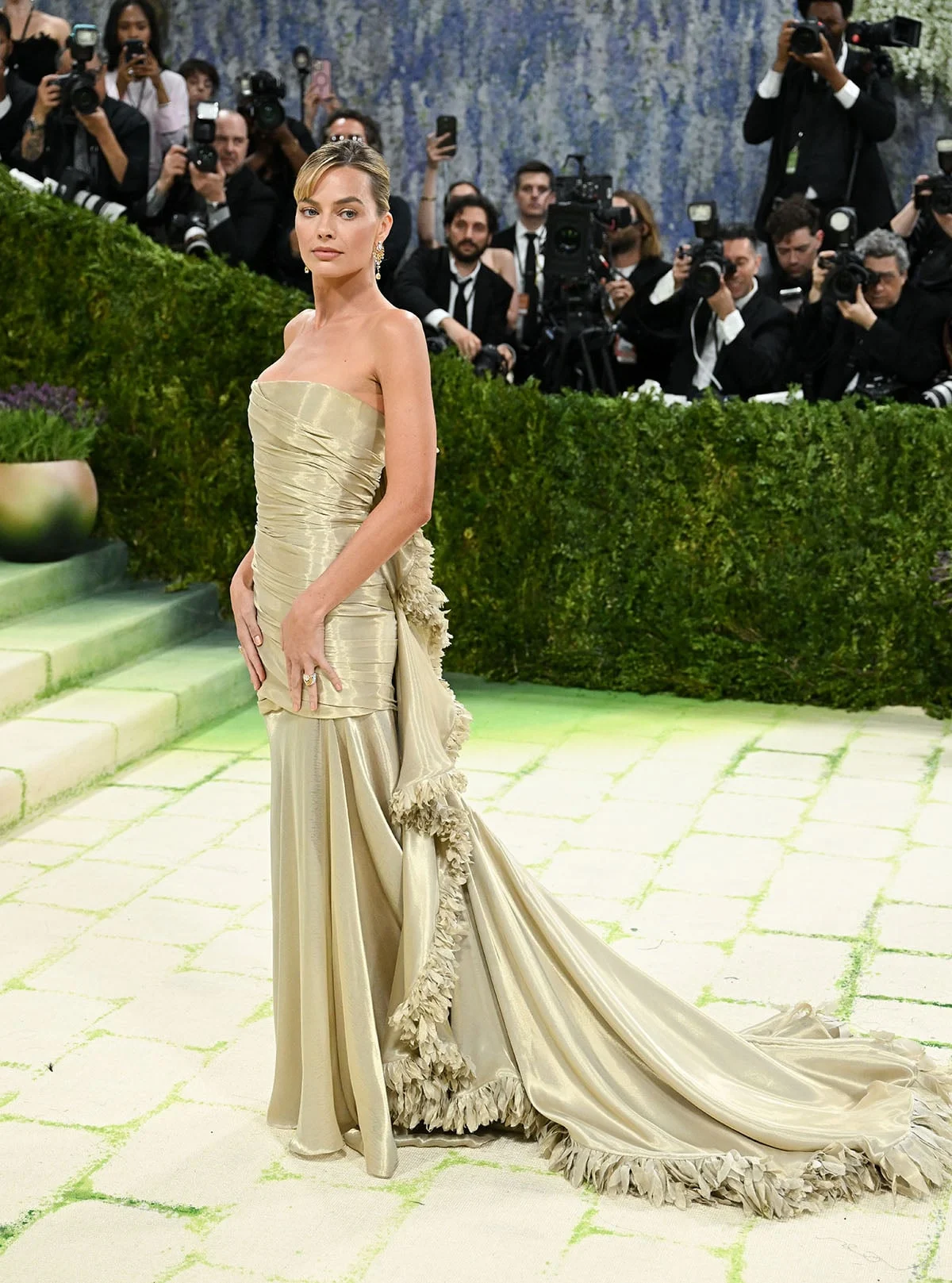
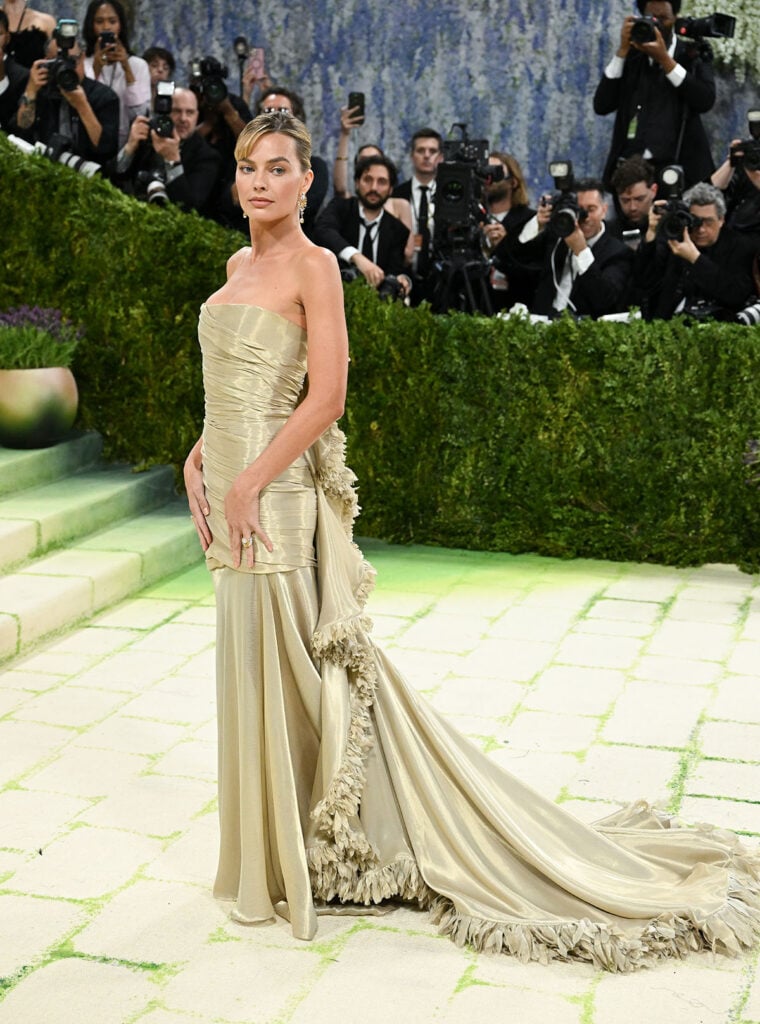
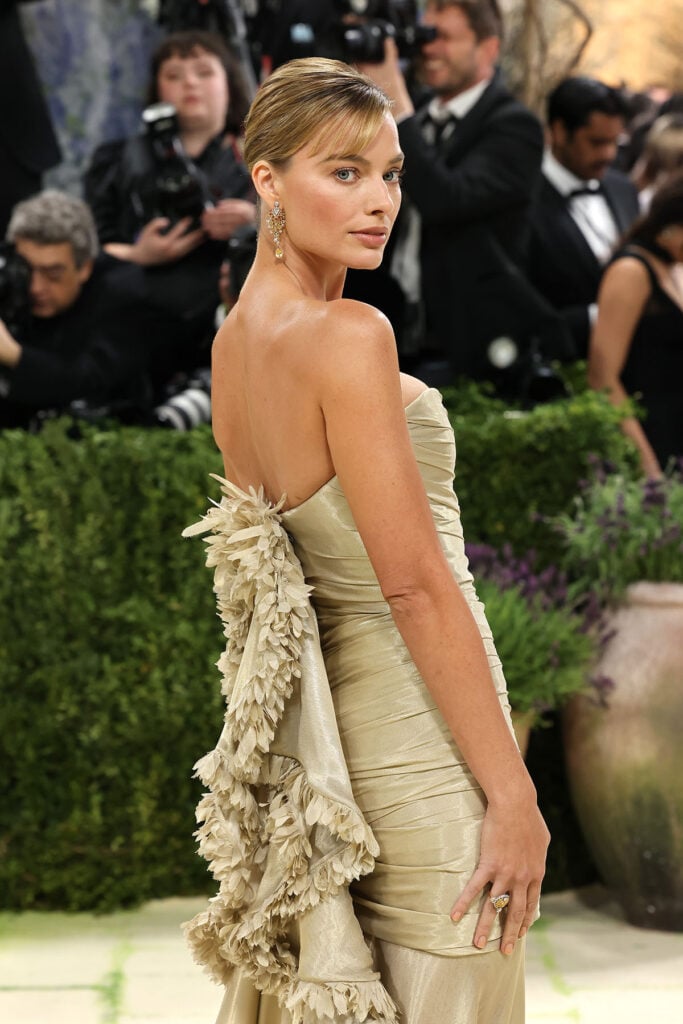
Margot Robbie, a long-standing face of the house, arrived in a softly ruched gold lamé gown. The garment featured a structured bodice that transitioned into cascading petal-like ruffles trailing from the back. Industry analysts noted that the look was a departure from Robbie’s recent thematic press tours, such as her appearances for the Wuthering Heights adaptation. Instead of a literal period costume, the gown referenced the decorative arts theme through its metallic finish and architectural draping. The construction of the gown reportedly required over 600 hours of labor in the Chanel ateliers, specifically to achieve the precise tension in the lamé fabric without compromising its fluid appearance.
Ayo Edebiri: Symbolism through Chiffon
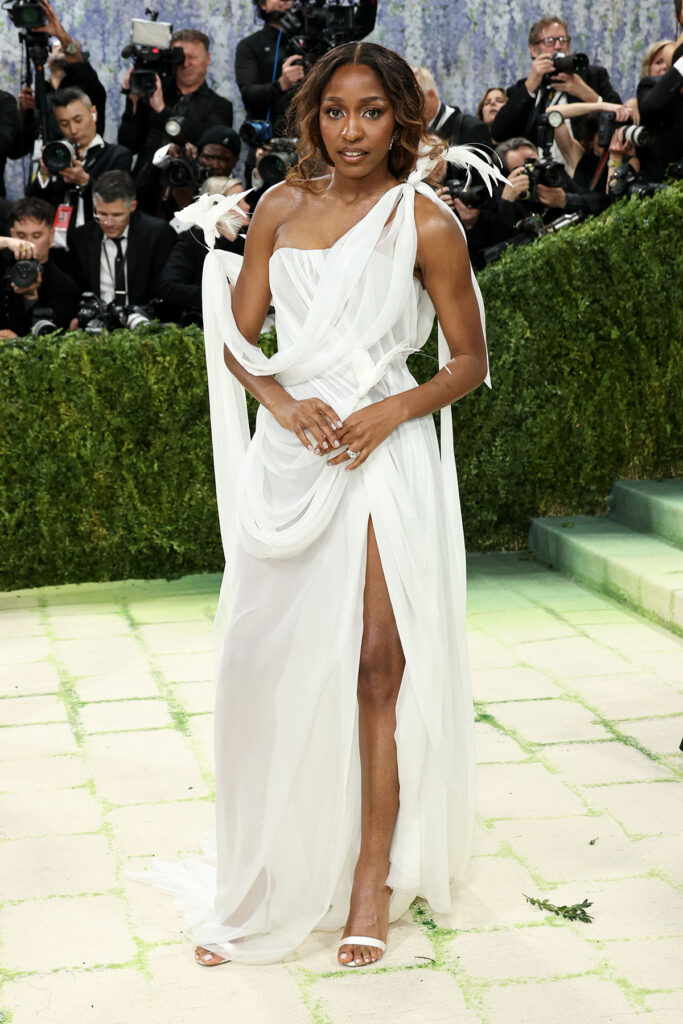
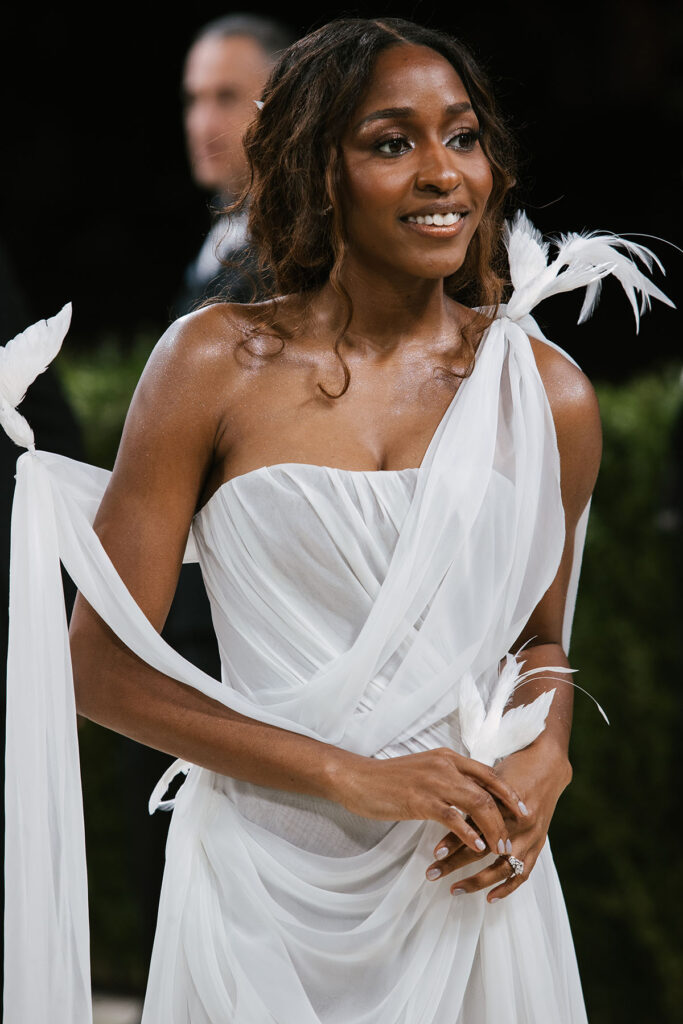
Following Robbie, Ayo Edebiri showcased a white chiffon draped gown that utilized symbolism to address the evening’s theme. The dress featured intricate feathered bird motifs, positioned to suggest motion across the torso and hem. This use of "feathered flight" served as a nod to 19th-century ornamental motifs often found in decorative tapestries and screens. Critics highlighted the ethereal nature of the execution, noting that Blazy successfully balanced the lightness of the chiffon with the weight of the symbolic narrative.
Jennie: The Scaled Column Silhouette
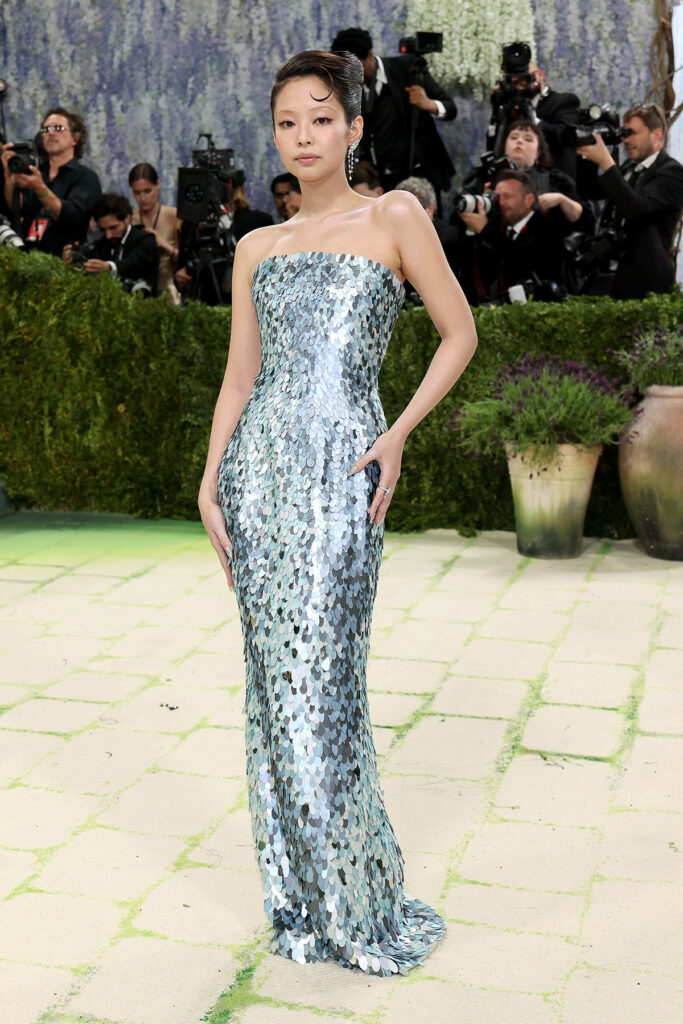
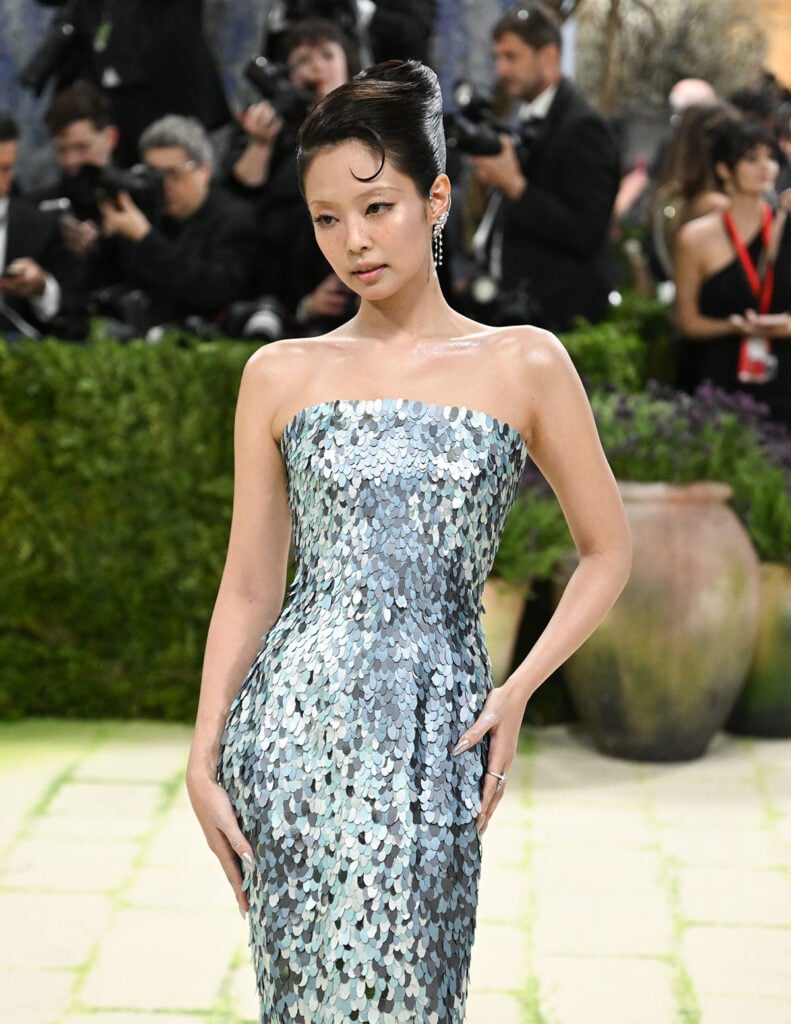
Jennie, the South Korean singer and global Chanel ambassador, opted for a strapless metallic-blue sequinned column dress. The sequins were applied in a repetitive, overlapping pattern that mimicked the appearance of decorative tiles or aquatic scales. This "scaled surface" provided a high-contrast visual under the red carpet lights, emphasizing the brand’s ability to manipulate traditional materials into modern, streamlined silhouettes. The look was finished with Chanel Fine Jewelry, a common thread among all eight attendees.
A$AP Rocky: Reimagined Tailoring
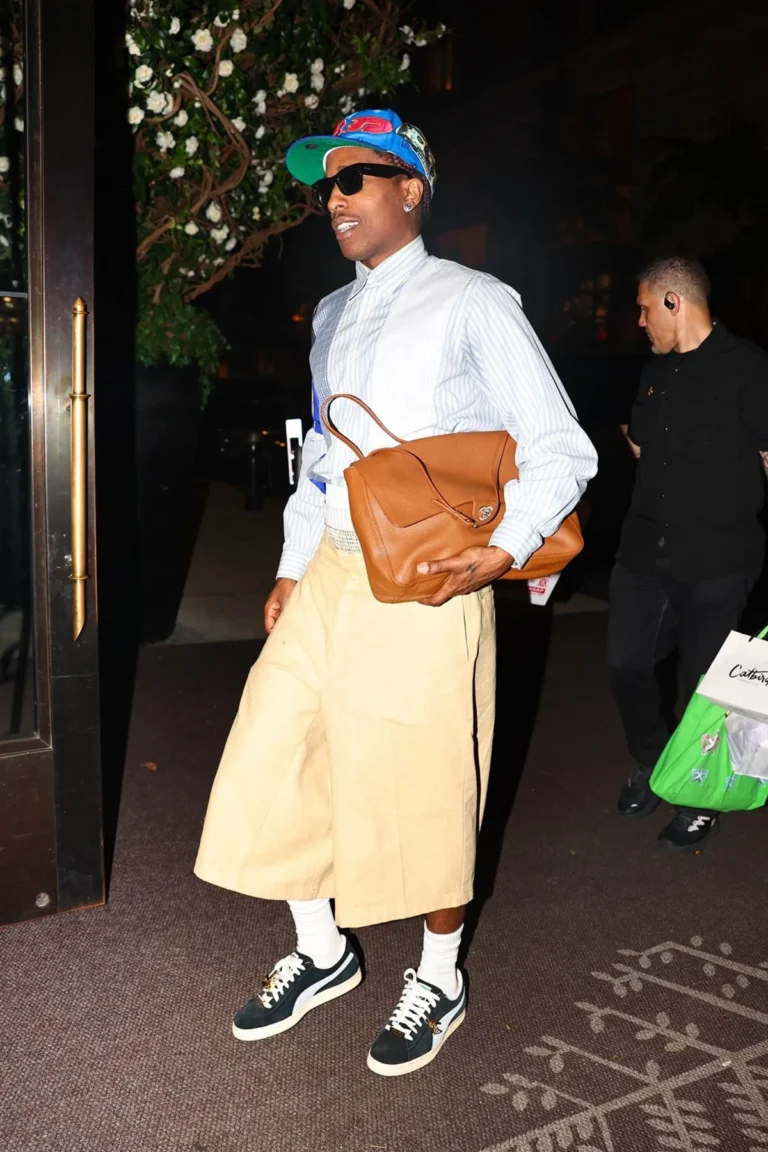
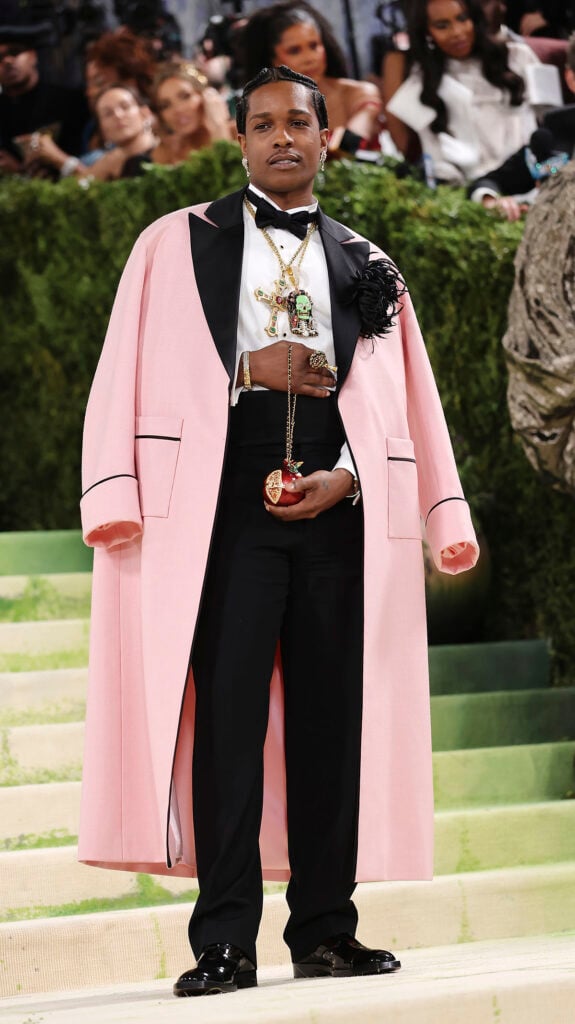
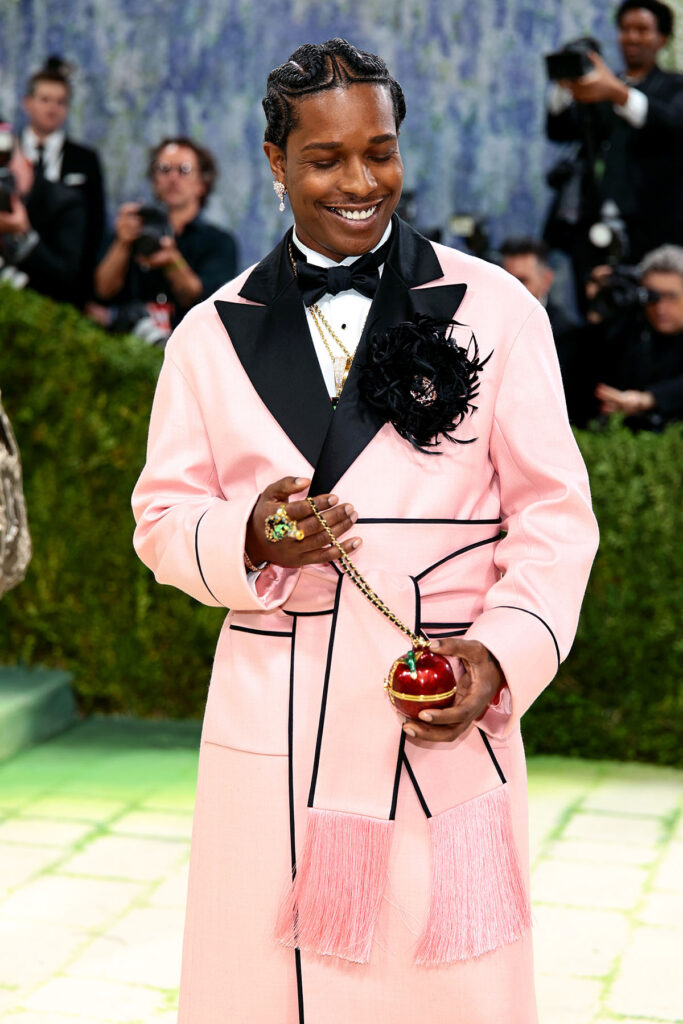
Representing the house’s approach to menswear, A$AP Rocky appeared in a pink robe coat featuring black lapels. The look was a testament to "soft tailoring," a hallmark of Blazy’s design philosophy. The ensemble was accessorized with Rocky’s personal Pavé Nite jewels and a standout piece from the Chanel Fall 2026 collection: a novelty Apple bag. The inclusion of the Apple bag provided a playful counterpoint to the formality of the event, echoing the "Object Art" movement often categorized within decorative history.
Technical Artistry and Material Innovation
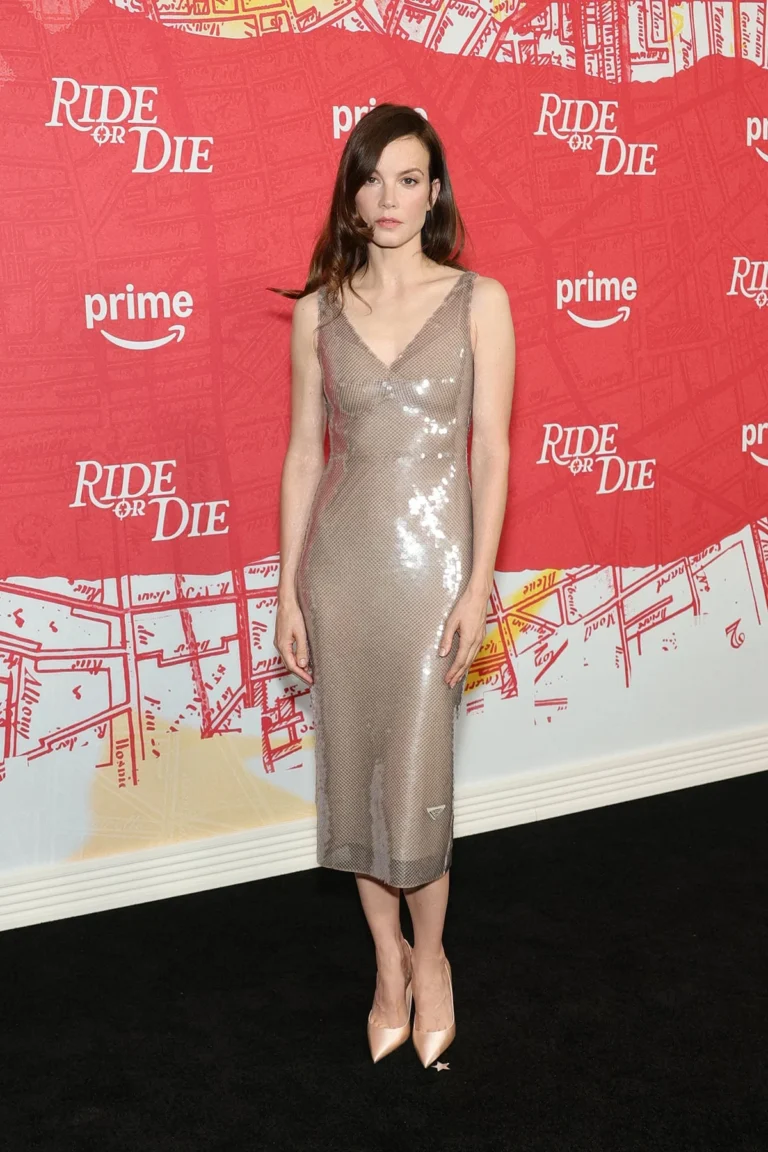
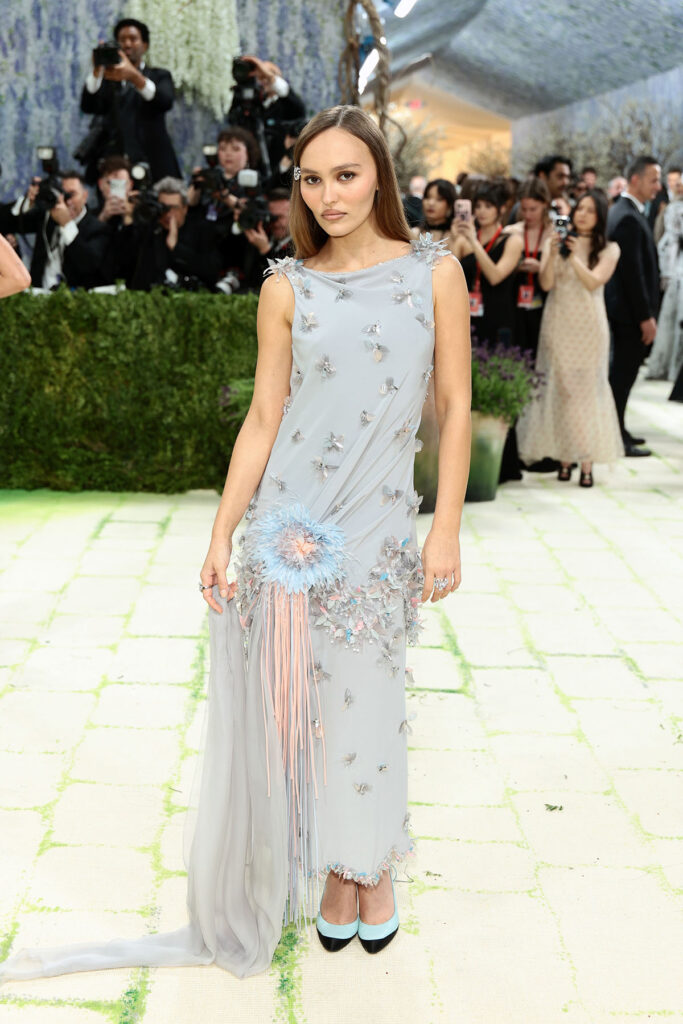
The remaining four looks further explored the depth of Chanel’s artisanal capabilities. Lily-Rose Depp wore a grey embroidered gown that served as a showcase for the house’s embellishment workshops. The garment featured a complex arrangement of pearls, soft floral appliqués, and feathered accents. The density of the embroidery was designed to reflect the ornate detail found in historical interior design, aligning closely with the "Artisanal Echoes" theme.
Gracie Abrams presented what many considered the most direct link to the decorative arts: a gold and blush embellished chiffon gown. The dress utilized crystal embroidery and chain detailing layered over delicate fabric, creating a multi-dimensional effect. The interplay of metal and textile referenced the traditional metalworking techniques used in 18th-century furniture and jewelry.
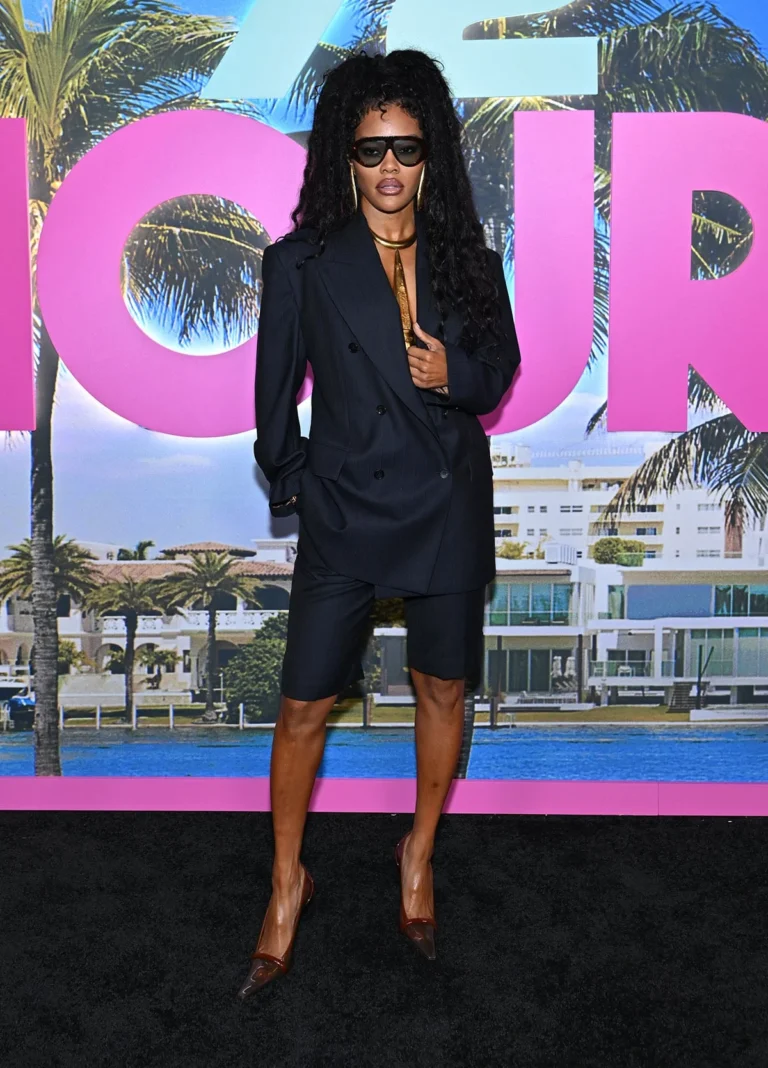
In a move that sparked significant discussion among fashion critics, Bhavitha Mandava appeared in Chanel Spring 2026 Haute Couture muslin separates. The garments featured a denim-effect print, introducing a "high-low" aesthetic to the formal event. While some observers felt the casual nature of the denim print was a disconnect from the gala’s prestige, others viewed it as a bold statement on the democratization of decorative motifs in the modern era.
Finally, Awar Odhiang wore a fully beaded Chanel Haute Couture look. The sheer density of the beads created a mosaic-like texture, providing a heavy, tactile quality to the garment. This "beaded texture" was a final nod to the labor-intensive processes that define the Metiers d’art, reinforcing Blazy’s commitment to artisanal excellence.
Supporting Data: The Impact of the Debut
The scale of Chanel’s 2026 Met Gala operation involved significant logistical and financial investment. According to internal industry estimates, the combined value of the eight bespoke looks, including the associated Fine Jewelry, exceeded $2.4 million in production costs. Furthermore, the social media impact of the "Chanel Eight" was immediate. Data from fashion analytics firms indicated that within the first four hours of the red carpet, Chanel-related mentions generated a Media Impact Value (MIV) of approximately $42 million, with Jennie and Margot Robbie driving the highest engagement levels.
The choice of eight celebrities was also a strategic move to dominate the visual narrative of the evening. By dressing a diverse group, Chanel ensured presence across multiple demographics, from the film industry and K-pop to the music world and the modeling circuit.
Official Responses and Industry Analysis
While Chanel has not released a formal statement regarding the specific inspiration for each look, sources close to the atelier suggest that Blazy’s primary goal was to demonstrate the "living history" of the brand. The focus was on ensuring that each garment felt like a piece of art in its own right, independent of the wearer’s celebrity status.
Fashion critics have largely praised the debut. "Matthieu Blazy has managed to do what many of his predecessors struggled with: making Chanel feel light again without losing its sense of gravity," noted one senior editor from a leading fashion publication. "The 2026 Met Gala was not just a red carpet; it was a manifesto for a brand that is reclaiming its position at the pinnacle of decorative craft."
The consensus among industry analysts is that Blazy’s Chanel is one of "calculated elegance." By avoiding the "costume" trap of the Met Gala, he positioned the house as a purveyor of timeless luxury that can still engage with specific thematic challenges.
Broader Implications for the Fashion Industry
The success of Blazy’s debut at the Met Gala has broader implications for the luxury market. As brands increasingly compete for attention in a crowded digital landscape, the "Met Gala takeover" has become a vital marketing tool. Chanel’s decision to dress eight individuals—rather than a single "hero" ambassador—suggests a shift toward a more ensemble-based marketing strategy.
Moreover, the emphasis on the Metiers d’art serves as a reminder of the importance of preserving traditional craftsmanship in an era of rapid technological change. By highlighting the hundreds of hours required to create these garments, Chanel reinforces the "scarcity and skill" narrative that justifies the high price points of haute couture.
As the 2026 Met Gala concludes, the focus shifts to Blazy’s upcoming runway collections. If his debut for Chanel on the Met steps is any indication, the fashion world can expect a tenure defined by a rigorous commitment to material integrity, a sophisticated use of color and texture, and a deep respect for the decorative heritage that has made Chanel a cornerstone of global culture for over a century.