



London’s subcultural landscape pulsates with a unique energy, and at its heart lies the captivating allure of the undead, epitomized by the city’s premier celebration of the pale parasites: the Vampire Ball. Days before its recent May edition, founder Arrosa took to Instagram to rally her community, declaring, “Dress code isn’t strict, let’s be honest, but this is vampire season. Dark romance, gothic fits, Victorian energy, dramatic everything – people are going to go in.” This message underscored the event’s core philosophy: a deep dive into vampiric aesthetics, where personal commitment to character and costume transforms a club night into an immersive theatrical experience. The enduring fascination with vampires, stretching from Bram Stoker’s seminal 1890s novel Dracula to Stephenie Meyer’s sparkly Twilight saga and the current proliferation of vampire television series, ensures a constant wellspring of inspiration for this morbidly captivating celebration.
The Allure of the Undead: A Timeless Fascination
The vampire, a creature of the night sustained by the lifeblood of others, has haunted human imagination for centuries. Originating in ancient folklore and mythology across diverse cultures, the figure of the undead blood-drinker has evolved dramatically. Early Slavic and Eastern European myths depicted revenants as bloated, disease-spreading monsters, a stark contrast to the aristocratic, seductive figures that would later emerge. It was through literature, particularly John Polidori’s The Vampyre (1819) and Joseph Sheridan Le Fanu’s Carmilla (1872), that the vampire began to acquire its sophisticated, alluring characteristics. However, it was Bram Stoker’s Dracula in 1897 that cemented the modern archetype: a powerful, ancient nobleman, both terrifying and undeniably charismatic.
This literary foundation paved the way for the vampire’s cinematic ascendancy. From Max Schreck’s terrifying portrayal in Nosferatu (1922) to Bela Lugosi’s iconic Count Dracula in the 1931 Universal horror classic, and later Christopher Lee’s menacing Hammer Horror interpretations, the visual language of the vampire became deeply ingrained in popular culture. The 20th century saw the vampire morph from a pure monster into a romantic anti-hero, notably in Anne Rice’s The Vampire Chronicles, which explored themes of existentialism, sexuality, and the burden of immortality. This evolution culminated in the early 21st century with phenomena like Buffy the Vampire Slayer, True Blood, and Twilight, showcasing vampires as complex beings capable of love, angst, and moral ambiguity. Each iteration has added layers to the myth, providing a rich tapestry from which contemporary events like the Vampire Ball draw their inspiration. The enduring appeal lies in the creature’s duality: its elegant immortality juxtaposed with its predatory nature, its forbidden allure, and its inherent rebellion against mortality and societal norms. For attendees of the Vampire Ball, this deep cultural resonance provides an unparalleled opportunity for creative expression and communal identification.
From "City of the Dead" to Vampire Ball: The Necropolis Genesis
The Vampire Ball did not materialise in isolation; it is the themed sister event of Necropolis, a club night founded by Arrosa in 2023. Meaning “city of the dead” in Greek, Necropolis was conceived as an underground goth and techno rave, designed to cater to London’s most dedicated subculture enthusiasts. From its inception, Arrosa envisioned Necropolis as more than just a party; it was a sanctuary for those drawn to darker aesthetics and experimental electronic music. The choice of venue for Necropolis’s early iterations was particularly inspired: a disused church dating back to 1563. This ancient, hallowed space provided an unparalleled atmospheric backdrop, its historical gravitas and architectural grandeur perfectly complementing the themes of death, mourning, and gothic romance inherent to the subculture. The crumbling stone walls and ecclesiastical architecture of the centuries-old church created an immediate sense of immersion, transporting attendees into a world far removed from the mundane.
The success of Necropolis quickly fostered a vibrant and engaged community. It was this burgeoning community, actively seeking new avenues for expression within the established framework, that directly influenced the creation of the Vampire Ball. Arrosa recalls, “Vampire Ball was different because it didn’t start as our idea, it was asked by our community, and we built the idea with them.” This organic, community-driven development is a testament to Arrosa’s commitment to fostering a truly inclusive and responsive cultural space. The transition from a general goth/techno rave to a specifically themed vampire event allowed for a deeper exploration of a particular aesthetic and narrative, enabling attendees to focus their creative energies more acutely. This collaborative approach not only strengthened the bond between the organizers and the participants but also ensured that the event genuinely reflected the desires and passions of its target audience, contributing significantly to its immediate and resounding success.
A Canvas of Dark Romance: Fashion as the Core Tenet
At the heart of the Vampire Ball’s unique appeal is its uncompromising emphasis on fashion. Arrosa’s Instagram call-to-arms was not merely a suggestion but an invitation to commit fully to the dark romance, gothic fits, and Victorian energy that define the event. This dedication to sartorial expression transforms the ball into a living gallery, where each attendee becomes a walking piece of art. The May edition, held at The Steel Yard, a raw, industrial venue just a stone’s throw from the Thames, saw hundreds descend in "spooky garb" that meticulously drew from multiple generations of vampire lore.
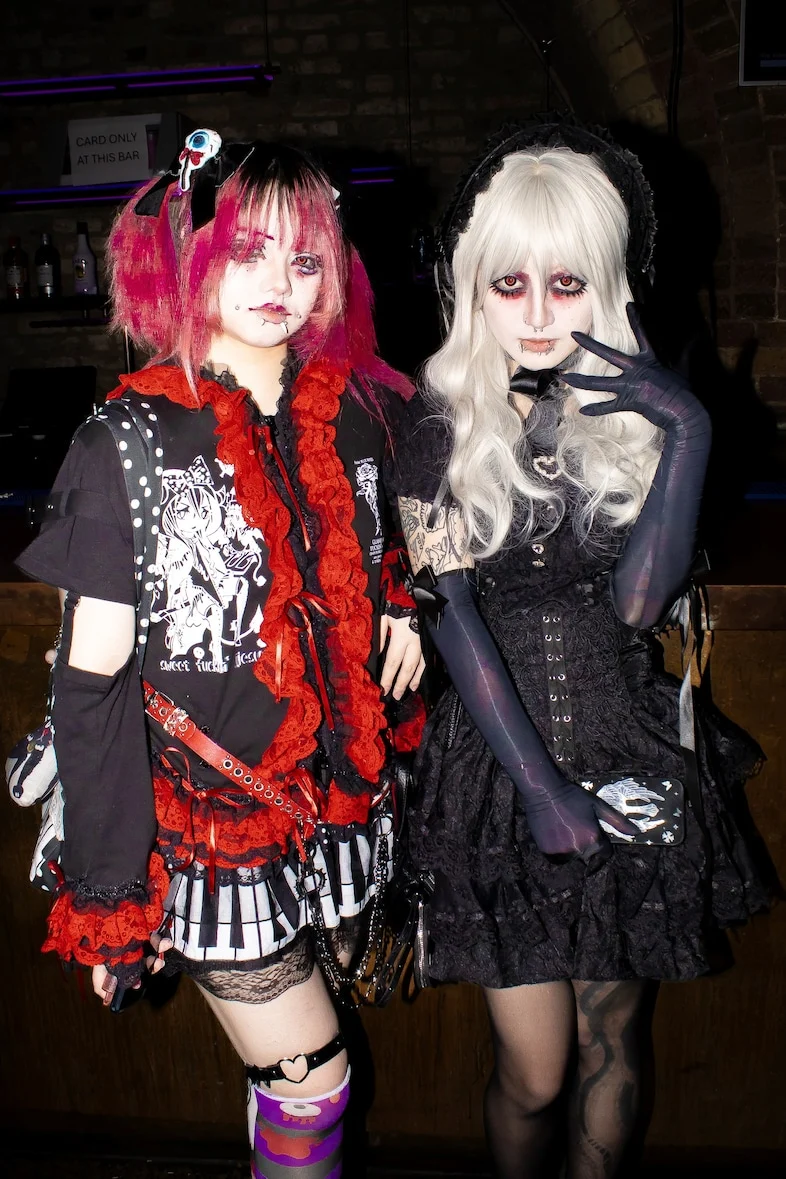
The diversity of interpretation was astounding. Attendees embraced the classic aristocratic vampire, donning corsets, elaborate Victorian mourning veils, and cascading lace, evoking images of Stoker’s Dracula or Anne Rice’s Lestat. Others opted for a more modern, predatory aesthetic, featuring sleek leather harnesses, avant-garde designs, and high-fashion pieces like Rick Owens boots, suggesting a contemporary, urban vampire. The burgeoning "undead kawaii" sub-genre also made a strong appearance, with individuals sporting anime-inspired shirts, vibrant, kaleidoscopic hair, and striking blood-red contact lenses that transformed their eyes into unsettling yet playful pools of crimson.
Accessories played a crucial role in completing these elaborate ensembles. Reams of intricate silver jewellery – crucifixes, ankhs, chokers – were draped around necks, while bodies were adorned with fishnet stockings, ripped fabrics, and intricate body modifications. The beauty looks were equally dramatic and pivotal: ghostly pale faces provided a stark canvas for dramatic eye makeup, often featuring heavily kohl-rimmed eyes, exaggerated winged liner, and deep, smudged shadows. Lips were typically dark, painted in shades of oxblood, deep plum, or even black, completing the macabre yet elegant aesthetic. This collective commitment to detail is what truly sets the Vampire Ball apart. "What makes it special is everyone puts so much thought into their outfits, makeup and everything," Arrosa explains. "You can see their excitement for the event through their outfits."
Indeed, for many attendees, the Vampire Ball offers a rare opportunity for uninhibited self-expression. As one inferred participant might express, "It’s not just a costume; it’s a chance to embody a fantasy, to step outside everyday life and fully embrace a darker, more dramatic aspect of myself. The effort I put into my outfit is part of the ritual, a way to connect with others who share this passion." This sentiment highlights the therapeutic and communal aspects of the event, where fashion serves as a powerful medium for identity affirmation and collective storytelling. The sheer visual spectacle created by hundreds of individuals, each meticulously crafted into their vampiric persona, fosters an immersive atmosphere that transcends a typical club night, becoming a truly unique cultural phenomenon.
The Sonic Underworld: Curating the Vampire Ball’s Soundscape
Complementing the visual feast of fashion is the meticulously curated sonic landscape that permeates the Vampire Ball. Music is not merely background noise; it is an integral component of the immersive experience, designed to persuade the 1000-strong crowd to unleash their darkest selves through movement and sound. The roster of DJs reflects the diverse and evolving tastes within the goth and electronic music scenes, ensuring a dynamic and enveloping auditory journey.
Among the notable acts featured was METALLIC LOVER, whose sets delve into the evocative soundscapes of 80s synth. This genre, characterized by its melancholic melodies, driving rhythms, and often dystopian undertones, perfectly evokes the nostalgic yet futuristic feel that resonates with gothic aesthetics. The ethereal synths and pulsating beats provide a rich texture that can feel both romantic and haunting, ideal for a night dedicated to creatures of the night.
ONA:V commanded the decks with hypnotic techno, a genre known for its repetitive, trance-inducing rhythms and deep, resonant basslines. Hypnotic techno’s immersive qualities create a sense of being lost in a dark, energetic current, mirroring the feeling of being drawn into a vampiric trance. This relentless, driving sound encourages uninhibited movement, allowing attendees to fully surrender to the primal energy of the night.
GLOTZER completed the sonic trinity, offering a powerful blend of EBM (Electronic Body Music), industrial, and italo disco. EBM, with its aggressive beats and often dark, thematic lyrics, provides a raw, physical energy that is both confrontational and invigorating. Industrial music, known for its abrasive textures, mechanical rhythms, and experimental sound design, adds a layer of dystopian grandeur and raw power. The unexpected inclusion of italo disco, with its catchy synth melodies and often dramatic vocals, injects a dose of retro glamour and theatricality, creating a fascinating contrast that keeps the audience engaged and moving.
Together, these DJs weave a tapestry of sound that is both diverse and cohesive, capable of evoking a spectrum of emotions from melancholic introspection to ecstatic release. The music acts as the heartbeat of the Vampire Ball, driving the energy, shaping the atmosphere, and providing the perfect soundtrack for a night of dark romance and unbridled self-expression. The careful selection of artists ensures that the auditory experience is as rich and multi-layered as the visual one, solidifying the event’s reputation as a holistic subcultural immersion.
Beyond the Dress Code: Evolution of Expression
The evolution of the dress code at Necropolis, and subsequently the Vampire Ball, mirrors the broader journey of subcultural expression itself. In its nascent stages, Arrosa initially encouraged attendees of Necropolis to wear "all black." This directive was not arbitrary; it was steeped in symbolism. "There was a sense of respect around death and mourning, so that felt like the right starting point," Arrosa explains. Black, historically associated with mourning, solemnity, and the gothic aesthetic, provided a unifying visual language and a clear demarcation for the emerging community. It established a fundamental understanding of the event’s thematic core and offered a sense of cohesion among participants.
However, the creative spirit inherent in these subcultures soon began to push against such boundaries. It quickly became clear that an "all black" mandate, while initially useful, was "limiting creativity." The community, naturally inclined towards elaborate self-expression and innovation, yearned for more freedom. Arrosa recognized this innate desire within her audience. "Our crowd naturally wanted to push beyond it," she observed. This crucial insight led to a significant shift in philosophy. Over time, the dress code became "a lot more experimental, more creative." The rigid adherence to a single color palette gave way to an explosion of textures, historical influences, futuristic elements, and individual interpretations.
Today, the ethos is "really anything goes, and that’s kind of the point." This evolution signifies a deeper understanding of the subculture’s dynamic nature. It acknowledges that true gothic and alternative expression is not about conformity, but about individuality within a shared thematic framework. The "anything goes" approach fosters an environment of radical acceptance and encourages attendees to delve into their deepest creative impulses, whether that means channeling Victorian elegance, cyberpunk edge, or whimsical dark fantasy. This freedom allows for a more vibrant and diverse visual spectacle, where different facets of vampiric and gothic lore can coexist and intertwine. It transforms the Vampire Ball from a themed event into a dynamic canvas for personal artistry, affirming its role as a vital hub for uninhibited self-expression and community celebration within London’s rich subcultural tapestry.
London’s Gothic Heartbeat: Broader Cultural Implications
The resounding success of the Vampire Ball and its parent event, Necropolis, offers significant insights into the enduring power of subcultures and their vital role in shaping London’s cultural identity. London has long been a crucible for alternative movements, from the Mods and Punks of previous decades to the vibrant goth and techno scenes of today. The city’s rich history, its tolerance for diverse expressions, and its robust network of venues provide fertile ground for such communities to flourish. The Vampire Ball, by drawing a 1000-strong crowd to an event dedicated to a niche aesthetic, demonstrates the continued resilience and vitality of these subcultures in an increasingly commercialized entertainment landscape.
Beyond mere entertainment, events like the Vampire Ball serve as crucial platforms for community building. In an era where digital connections often overshadow tangible interactions, these gatherings provide a physical space for individuals who share niche interests to meet, connect, and affirm their identities. For many, finding others who appreciate elaborate gothic fashion, specific electronic music genres, or a shared fascination with vampiric lore can be profoundly validating. This sense of belonging fosters a powerful collective identity, creating a supportive network that extends beyond the event itself.
From an economic perspective, while specific financial data for the Vampire Ball is not publicly available, the scale of such an event has tangible implications. It supports local venues like The Steel Yard, employs DJs, event staff, and security, and indirectly stimulates a micro-economy around bespoke fashion, costume design, and specialized makeup products. The dedication of attendees to their elaborate outfits often involves significant investment in unique pieces, supporting independent designers and artisans who cater to alternative styles. This network, though often informal, contributes to the cultural and economic vibrancy of the city.
Furthermore, the Vampire Ball highlights the ongoing dialogue between subculture and mainstream fashion. While often operating on the fringes, the innovative and daring aesthetics showcased at events like this frequently inspire broader fashion trends. Elements like corsetry, dark romanticism, dramatic makeup, and specific silhouettes can find their way into high fashion collections or more accessible retail, demonstrating the trickle-up effect of street style and subcultural creativity. The event also provides a counter-narrative to prevailing trends, offering a sanctuary for those who wish to explore aesthetics that are deliberately unconventional and deeply personal.
The Vampire Ball, therefore, is more than just a club night; it is a cultural phenomenon. It underscores the enduring human fascination with the dark and the romantic, the power of collective identity, and London’s perpetual role as a global hub for alternative expression. Its success signals a continued appetite for immersive, creatively driven events that allow individuals to transcend the ordinary and fully inhabit their most dramatic and imaginative selves.
Looking Ahead
The trajectory of Necropolis and the Vampire Ball suggests a bright future for these unique events. With a proven track record of community engagement and a clear understanding of its audience’s desires, Arrosa and her team are poised to continue expanding their influence within London’s alternative scene. The "anything goes" philosophy regarding dress code ensures perpetual innovation and keeps the events fresh and exciting, reflecting the dynamic nature of subcultural fashion and music. As the fascination with vampires and gothic aesthetics shows no signs of waning, driven by new media interpretations and a persistent human draw to the romantic macabre, the Vampire Ball is set to remain a cornerstone of London’s dark cultural calendar. It stands as a testament to the enduring power of niche communities to create extraordinary, immersive experiences that celebrate identity, artistry, and the timeless allure of the undead.