








Viscose, commonly known as rayon, stands as one of the most ubiquitous materials within the global fashion industry. Classified as a man-made cellulosic fibre (MMCF), its origins trace back to cellulose derived from trees. Despite its natural source, the environmental credentials of viscose are far from straightforward, having evolved into a contentious issue within the broader sustainability discourse. This comprehensive analysis delves into the fibre’s composition, historical trajectory, manufacturing processes, and the pressing environmental and social concerns that demand critical examination from producers, brands, and consumers alike.
What is Viscose? A Closer Look at a Versatile Fibre
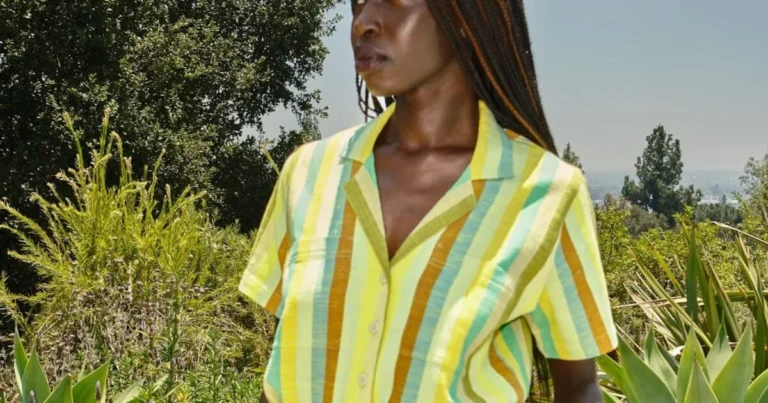
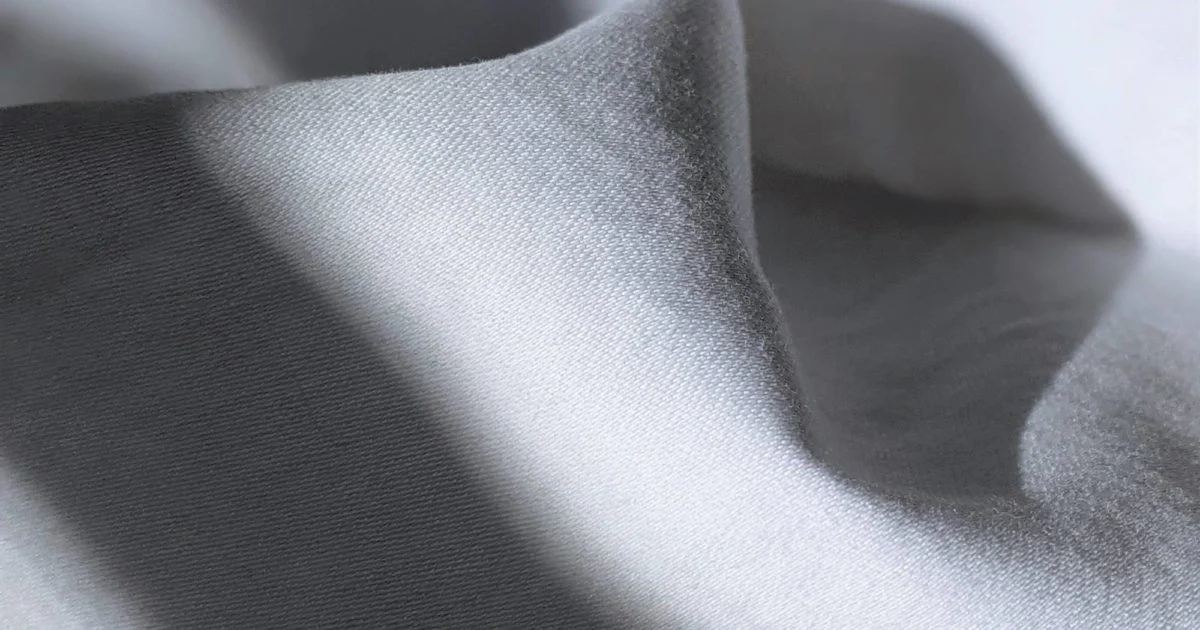
Viscose is a regenerated cellulosic fibre, meaning it starts as a natural polymer (cellulose) but undergoes significant chemical processing to become a textile fibre. Its appeal in fashion is multifaceted: it offers a soft, smooth texture, excellent drape, breathability, and a luxurious sheen that makes it a popular, often more affordable, alternative to natural silk. Fashion designers frequently incorporate viscose into flowing summer dresses, skirts, blouses, and even synthetic velvet due to these desirable properties. Beyond apparel, its versatility extends to upholstery, bedding, and carpets, underscoring its widespread industrial application.
According to data from Textile Exchange, viscose commands a substantial market share, accounting for approximately 80% of all man-made cellulosic fibres produced globally. This dominance highlights its critical role in the textile supply chain and, consequently, the magnified impact of its production methods on the environment and society. The fibre’s ability to mimic the feel of more expensive natural fibres while offering enhanced durability and dye-ability at a lower cost has cemented its position as a staple in both fast fashion and more premium segments.
From Lab to Loom: A Brief History of Viscose’s Evolution
The genesis of viscose rayon can be attributed to the pioneering work of French scientist and industrialist Hilaire de Chardonnet (1839-1924). Driven by the ambition to create a cheaper, more accessible alternative to natural silk, Chardonnet developed the first commercial viscose fibre in the late 19th century. His initial efforts, however, were hampered by a critical flaw: the fabric proved highly flammable, leading to its swift removal from the market. This early setback underscored the nascent challenges in textile innovation, particularly when dealing with chemically processed materials.
The quest for a safer and more stable production process continued, with significant breakthroughs emerging from Germany. The German Bemberg Company played a crucial role in refining the manufacturing techniques, addressing the flammability issues that plagued Chardonnet’s original creation. A pivotal moment arrived in 1892 when British scientists Charles Frederick Cross, Edward John Bevan, and Clayton Beadle successfully discovered and patented an improved production process. This scientific advancement paved the way for industrial-scale manufacturing, and by 1905, the first commercially viable viscose rayon fabrics were available on the market, marking a new era for textile production and consumer access to silk-like materials.
The early 20th century saw viscose gain traction, especially as global demand for textiles grew alongside industrialization. Its lower cost and versatility made it an attractive option for a burgeoning apparel industry. Over the decades, production processes were further refined, and viscose became deeply embedded in the global textile supply chain, contributing significantly to the expansion of fashion accessibility worldwide.
The Production Paradox: How Viscose is Made and Its Environmental Footprint
The manufacturing of viscose begins with cellulose, primarily sourced from the wood pulp of fast-growing, regenerative trees such as eucalyptus, beech, and pine. While the reliance on trees might suggest an inherently sustainable process, the reality is far more complex. The cellulose material, often in the form of wood chips or pulp sheets, is subjected to a multi-stage chemical process.
Initially, the wood pulp is treated with caustic soda (sodium hydroxide) to swell the fibres and convert the cellulose into "alkali cellulose." This is then reacted with carbon disulphide, transforming it into "cellulose xanthate." This yellow, crumbly substance is subsequently dissolved in a dilute caustic soda solution, yielding a thick, viscous liquid – hence the name "viscose." This solution is then extruded through fine nozzles (spinnerets) into a regenerating bath containing sulphuric acid, which coagulates and regenerates the cellulose into continuous filaments. These filaments are then washed, bleached, dried, and spun into threads, ready for weaving or knitting.
While wood pulp remains the predominant feedstock, innovations are slowly emerging. Cellulose derived from bamboo is also used, giving rise to "bamboo viscose," which faces similar processing challenges. Looking ahead, the Textile Exchange suggests that agricultural byproducts and post-consumer or industrial waste could offer future alternatives, representing a significant shift towards more circular production models. However, these are currently niche applications compared to the vast scale of virgin wood pulp usage.
Environmental Flashpoints: Deforestation and Chemical Pollution
The sustainability paradox of viscose lies not in its plant-based origin, but in the highly industrialized, resource-intensive, and often chemically aggressive processes employed to transform wood pulp into fabric. The rapid growth of the fast fashion industry has exacerbated these issues, driving demand for cheaper, faster production, which often comes at a steep environmental and social cost. Two primary areas of concern dominate the debate: the origin of the wood pulp and the environmental impact of its chemical conversion.
1. The Challenges with Wood Pulp Sourcing and Deforestation:
The surging global demand for viscose has directly contributed to the rapid depletion of the world’s forests. To meet this demand, vast tracts of natural forests, including ancient and endangered ecosystems, are cleared to make way for monoculture pulpwood plantations. This practice has devastating consequences:
- Habitat Destruction: It leads to significant habitat loss, posing an existential threat to endangered species that rely on these diverse forest environments.
- Biodiversity Loss: The conversion of biodiverse natural forests into uniform plantations severely reduces ecological diversity, impacting entire ecosystems.
- Human Rights Abuses and Land Grabbing: In many regions, forest clearing for pulpwood is linked to human rights abuses, including the forced displacement and land grabbing from Indigenous communities whose livelihoods and cultural heritage are intrinsically tied to these forests.
- Climate Impact: Forests act as vital carbon sinks. Their destruction releases stored carbon dioxide into the atmosphere, accelerating climate change, while new plantations, particularly monocultures, are less effective at carbon sequestration and lack the ecological resilience of natural forests.
Organizations like Canopy have emerged as leading advocates in addressing this issue. Through their "CanopyStyle" initiative, they work with fashion brands and viscose producers to ensure that wood pulp is not sourced from high-risk areas, particularly ancient and endangered forests. Their annual "Hot Button Report" is a critical tool, tracking 97.5% of the world’s MMCF production and evaluating producers’ risk levels, thereby driving greater transparency and accountability in the supply chain. Despite these efforts, the scale of the problem remains immense, with the relentless pace of fast fashion often outpacing sustainable sourcing commitments.
2. Chemical Pollution from Manufacturing Processes:
The transformation of wood pulp into viscose is a highly polluting industrial process. The dissolution of cellulose and its regeneration into fibres involves a cocktail of hazardous chemicals. A significant concern is the discharge of these chemicals into the air and waterways surrounding production plants, particularly in regions with lax environmental regulations.
- Carbon Disulphide (CS2): This chemical is central to the viscose production process. Exposure to carbon disulphide has been linked to severe health issues, including higher levels of coronary heart disease, birth defects, neurological disorders, skin conditions, and various forms of cancer. These risks extend not only to textile workers directly involved in the manufacturing but also to residents of communities living near viscose factories, who are exposed through contaminated air and water.
- Other Pollutants: The process also releases other toxic compounds, including hydrogen sulphide, sulphuric acid, and zinc compounds, contributing to air pollution, acid rain, and the contamination of aquatic ecosystems, severely impacting biodiversity and human health.
- Water and Energy Intensity: Viscose production is notoriously water-intensive, requiring significant volumes for dissolving pulp and washing fibres. Furthermore, the chemical reactions and heating processes demand substantial energy input, often sourced from fossil fuels, contributing to greenhouse gas emissions.
In 2017, the Changing Markets Foundation published a groundbreaking investigation that directly linked major fashion brands, including Zara, H&M, and Marks & Spencer, to highly polluting viscose factories operating in China, India, and Indonesia. This report brought the hidden environmental costs of viscose production into the spotlight, triggering calls for greater transparency and responsibility from global brands. It highlighted the disconnect between a fibre often perceived as "natural" and the harsh realities of its industrial production, particularly in supply chains driven by cost-cutting and speed.
Industry Under Scrutiny: The Role of Fast Fashion and Brand Accountability
The fast fashion model, characterized by rapid trend cycles, high volumes, and low prices, has amplified the environmental and social impacts of viscose production. Giants in the fast fashion sector exert immense pressure on manufacturers to produce and distribute garments at ever-increasing speeds and reduced costs. This economic pressure often leads to a race to the bottom, encouraging unsustainable social and environmental practices in countries where regulatory oversight may be weak or unenforced.
While leading brands possess significant financial resources and market power to influence more responsible manufacturing practices, progress has been disappointingly slow. A 2020 report by the Changing Markets Foundation revealed a stark reality: "While viscose suppliers have made considerable strides to eliminate endangered forest fibres from their feedstocks over the years, some 75% of the world’s leading brands have made few to no commitments to sourcing more sustainable viscose." This finding underscores a critical gap between awareness of the problem and concrete, widespread action within the fashion industry.
The lack of comprehensive commitments from a majority of brands indicates that despite public scrutiny and NGO campaigns, the incentive structure within the industry still heavily favors cost efficiency over environmental stewardship. This situation places the onus on a minority of progressive brands and innovative producers to drive change, while the broader industry continues to rely on conventional, high-impact viscose.
Pioneering Progress: Sustainable Alternatives and Innovations
In response to growing environmental concerns and increasing consumer demand for sustainable products, significant advancements have been made in developing lower-impact cellulosic fibres and more responsible production methods. These innovations represent a crucial step towards mitigating the negative impacts of conventional viscose.
One of the most prominent examples is ECOVERO, produced by Austrian fibre giant Lenzing. ECOVERO viscose fibres are derived from sustainable wood and pulp, sourced from controlled forests certified in Europe by either the Forest Stewardship Council (FSC) or the Programme for Endorsement of Forest Certification Schemes (PEFC). A key differentiator of ECOVERO is its closed-loop production process, which significantly reduces environmental impact. Compared to conventional viscose manufacturing, ECOVERO production uses 50% less water and generates half the carbon emissions. Crucially, nearly all the chemicals used in its production are recovered and reused, minimizing waste and pollution.
Beyond ECOVERO, Lenzing also produces TENCEL Lyocell and TENCEL Modal, which are often cited as gold standards for sustainable cellulosic fibres. TENCEL Lyocell is particularly notable for its use of a closed-loop solvent spinning process, where the solvent (N-methylmorpholine N-oxide or NMMO) is recovered and reused at a rate of over 99%. This process, combined with sustainable wood sourcing, results in a significantly lower environmental footprint. TENCEL Modal, known for its exceptional softness and resistance to shrinkage, also benefits from integrated pulp-to-fibre production at biorefineries, maximizing resource efficiency.
The landscape of sustainable cellulosic fibres is continually expanding, driven by technological progress and a growing demand for versatile, lower-impact fabrics. Other promising alternatives and innovations include:
- Bamboo Lyocell: Distinct from bamboo viscose, bamboo Lyocell uses a closed-loop solvent system similar to TENCEL Lyocell, making it a more environmentally friendly option compared to conventional bamboo viscose.
- REFIBRA: Developed by Lenzing, REFIBRA technology upcycles cotton scraps (e.g., from garment production) and combines them with wood pulp to produce new TENCEL Lyocell fibres, embodying principles of circularity in textile manufacturing.
- Eastman Naia (specifically Naia Renew): Produced by Eastman Chemical Company, Naia Renew is a cellulosic fibre made from a combination of responsibly sourced wood pulp and acetic acid derived from recycled materials. Eastman Chemical Company has received high ratings in Canopy’s Hot Button Report, indicating strong commitments to sustainable sourcing.
- Infinna: From Infinited Fiber Company, Infinna is a man-made cellulosic fibre made using cellulose derived entirely from textile waste materials, offering a radical solution for circular fashion.
- Circulose: Developed by Renewcell, Circulose is another innovative MMCF made from 100% textile waste, primarily discarded cotton. It enables the creation of new high-quality textiles from old ones, closing the loop on textile waste.
- Orange Fiber: This unique fibre is a version of TENCEL Lyocell produced using cellulose derived from waste orange peels, turning an agricultural byproduct into a valuable textile resource.
While these newer fibres like Infinna, Circulose, and Orange Fiber may not yet be widely commercially available or fully analyzed against standardized sustainability methodologies, they represent highly promising developments in the quest for truly lower-impact alternatives to conventional viscose. Their focus on waste utilization and circularity aligns with the urgent need for systemic change in the textile industry.
Despite these innovations, the adoption rate of recycled materials in MMCF production remains low. According to Textile Exchange, in 2022, a mere 0.5% of all man-made cellulosic fibres were created using recycled materials. However, the market is witnessing increased investment and research in this area, suggesting that with sustained support from brands and consumers, recycled options are poised to become more accessible in the coming years.
The Path Forward: Consumer Action and Industry Responsibilities
Addressing the complexities of viscose sustainability requires concerted action from multiple stakeholders. Consumers, armed with greater awareness, play a crucial role in driving demand for responsible products. When considering a viscose item, consumers should actively seek assurances from brands regarding their sourcing practices. Ideally, prioritizing lower-impact alternatives such as TENCEL Lyocell and Modal, ECOVERO, or emerging recycled cellulosic fibres is the most impactful choice.
Beyond specific fibre choices, a broader approach to sustainable consumption involves opting for garments made from other plant-based, organic, or recycled fibres, such as organic cotton, hemp, and linen, and ensuring that lower-impact dyes are utilized. It is also important to acknowledge that even seemingly "natural" materials like conventional cotton and wool have their own set of ethical and environmental challenges related to water usage, pesticide application, labour rights, and animal welfare. Therefore, a holistic understanding of a garment’s lifecycle is essential.
Ultimately, the most profound impact consumers can make is to adopt a mindset of conscious consumption: buying less, choosing well, and extending the lifespan of existing garments. Investing in durable, high-quality pieces and embracing the circular economy through purchasing secondhand clothing are powerful ways to reduce environmental footprints and foster a more sustainable fashion ecosystem. The secondhand market not only lessens demand for new production but also offers a unique avenue for personal style that is both environmentally conscious and budget-friendly.
The journey towards a truly sustainable textile industry is ongoing. It demands continuous innovation, robust regulatory frameworks, transparent supply chains, and unwavering commitment from brands to prioritize environmental and social well-being over short-term profits. As technology evolves and consumer awareness grows, the fashion industry has an opportunity to redefine its relationship with materials like viscose, moving from a problematic past towards a more responsible and regenerative future.