










For nearly twelve years, beauty editor [Editor’s Name, if available, otherwise use a placeholder like "a seasoned beauty editor"] navigated the often painful ritual of waxing, meticulously tending to bikini lines, underarms, and Brazilian areas. This decade-long commitment, however, was marked by an underlying dread of the procedure, each session a prelude to the sting of hot wax on sensitive skin. The turning point arrived not with a dramatic incident, but with the subtle yet persistent discomfort experienced after childbirth. The anticipated ease of returning to waxing post-birth proved elusive, with heightened skin sensitivity exacerbating the already unpleasant experience. This personal journey, fraught with the familiar pain of waxing, ignited a serious consideration for a more permanent solution: laser hair removal.
The decision to explore laser hair removal was further compounded by concerns surrounding hyperpigmentation, a common side effect of hormonal changes, particularly for individuals with melanin-rich skin. Historically, laser treatments for hair removal carried a reputation for being risky for darker skin tones due to an increased susceptibility to burns and discoloration. This apprehension stems from the fundamental mechanism of laser hair removal, which targets melanin. Dr. Naana Boakye, a board-certified dermatologist, explains this process as "selective photothermolysis," a sophisticated term for the phenomenon where melanin within the hair follicle absorbs laser energy. This absorbed energy converts to heat, ultimately damaging the follicle and inhibiting future hair growth.
The historical development of laser technology has largely favored lighter skin tones, and a persistent knowledge gap among some practitioners regarding the treatment of melanin-rich skin remains a significant concern. For individuals like the beauty editor, who has personally grappled with post-inflammatory hyperpigmentation from acne, the prospect of inducing further discoloration through laser treatments was a considerable deterrent. Despite these anxieties, the efficacy of laser hair removal as a gold-standard treatment for permanent hair reduction is widely acknowledged. This led to a proactive approach, seeking guidance from board-certified dermatologists throughout the multi-week treatment process, beginning with the underarm and Brazilian areas.
Understanding the Risks: Laser Hair Removal and Melanin-Rich Skin
Laser hair removal, across all skin types, is not without its inherent risks, particularly when not administered under the careful supervision of a board-certified dermatologist. The fundamental principle involves directing heat energy at the skin, a process that can lead to adverse effects. Dr. Boakye outlines common side effects such as temporary redness and swelling around the hair follicles, along with mild discomfort during the procedure. More serious, though less frequent, complications can include blistering, crusting, erosions, and, in rare instances, scarring.
For individuals with melanin-rich skin, the primary concerns revolve around hyperpigmentation and burns. These adverse reactions are often attributed to the use of inappropriate devices or techniques by inexperienced providers. Dr. Boakye elaborates, stating, "When the laser wavelength, settings, or technique are not appropriate for the patient’s skin tone, the energy can be absorbed by the skin instead of the follicle, increasing the risk of injury." She further clarifies that in melanin-rich skin, a higher concentration of pigment in the epidermis means that laser energy can be absorbed prematurely, before it reaches the intended hair follicle.
Dr. Jeanine Downie, another board-certified dermatologist, highlights that melanin-rich skin possesses "melanocytes that are larger and generally have higher baseline activity levels." These pigment-producing cells, she explains, are more prone to releasing inflammatory mediators rapidly in response to heat or trauma compared to those in lighter skin tones. The immediate indicators of an adverse reaction during laser hair removal are crucial. Dr. Downie notes that while mild inflammation is a standard skin response to all lasers, "pigmentary changes, like dramatic darkening rather than transient redness, are immediate signs that something isn’t right." This underscores the critical importance of vigilant monitoring and immediate intervention if such signs appear.
Strategies for Mitigating Hyperpigmentation
The journey to safe and effective laser hair removal for melanin-rich skin necessitates a strategic approach focused on minimizing risks, particularly hyperpigmentation. Several key practices emerged as paramount in the beauty editor’s experience, guided by expert dermatological advice.
1. Selecting the Right Provider: The Foundation of Safety
The consensus among dermatologists is unequivocal: prioritizing a board-certified dermatologist for laser hair removal services is essential. While some facilities employ licensed nurses to perform treatments under physician supervision, ensuring this oversight is crucial. In this instance, the treatment was sought at Milan Laser, where the administering nurse operates under the direct supervision of a board-certified doctor.
Beyond formal qualifications, the personal experience and understanding of a provider with similar skin tones can offer an invaluable layer of reassurance. The beauty editor’s provider, Chevanese Gonzales, a Black woman herself, fostered a sense of trust through a thorough initial consultation. Gonzales’s own positive experiences with laser hair removal, free of hyperpigmentation, even on sensitive areas like her face, served to alleviate the editor’s anxieties. This shared understanding can significantly contribute to a patient’s comfort and confidence.
2. The Indispensable Consultation: A "Try Before You Buy" Approach
A comprehensive consultation appointment is deemed non-negotiable by experts. This crucial pre-treatment phase serves as an opportunity to thoroughly vet the provider and ensure a patient feels fully confident before proceeding with the service. Dr. Downie advocates for a "try before you buy" mindset, encouraging patients to come prepared with specific questions. This includes understanding the types of lasers available, the expected outcomes, potential side effects, and the provider’s experience with melanin-rich skin.
During the consultation, Gonzales meticulously addressed all these points, including essential aftercare instructions. This proactive engagement with potential concerns is vital for building trust and ensuring the patient is well-informed. Dr. Downie’s emphatic advice—“If you are unsure about the doctor, dermatologist, med spa, or office where you are having the laser consultation, simply do not proceed. Period. The risk for a patient with melanin-rich skin is just too great”—cannot be overstated.
3. Investigating Laser Technology: Nd:YAG as a Gold Standard
The choice of laser technology plays a pivotal role in the safety and efficacy of hair removal for darker skin tones. The provider recommended the Candela Gentle Max Pro, which utilizes Nd:YAG technology. Dermatologists widely regard Nd:YAG lasers as a safe and effective option for individuals with deeper skin tones. Dr. Downie explains, "The Nd:YAG has a much lower melanin absorption rate, so it causes significantly less chance of skin damage." She further elaborates that the YAG laser’s longer wavelength penetrates deeper into the hair follicles without transferring excessive heat to the surrounding skin, thereby minimizing the risk of burns, pigment changes, or scarring.
Another laser technology that employs Nd:YAG, such as Pico lasers, is also considered safe by experts like Dr. Morayo Adisa, a board-certified dermatologist. Dr. Boakye corroborates this, noting that Pico lasers utilize rapid pressure pulses that help to further minimize damage to the surrounding skin. The selection of an appropriate laser system, therefore, is a critical determinant in the success of the treatment.
4. Diligent Pre-Laser Preparation: Setting the Stage for Success
The preparation phase prior to laser hair removal is as crucial as the treatment itself. Neglecting these steps can inadvertently increase risks.
-
Avoid Waxing and Plucking: Dermatologists strongly advise against waxing or plucking the treatment area for at least four weeks prior to laser sessions. This is because these methods remove the entire hair follicle, which is the target for the laser. Shaving the area with a clean blade is recommended, as it removes the visible hair shaft without disturbing the follicle. For sensitive areas like the pubic region, using a high-quality electric shaver, such as the Meridian Slimmer Trimmer, can make this process more manageable. It is important to remove as much hair as possible from the area before each laser session, and providers typically perform a final dry shave to ensure complete hair removal.
-
Cease Exfoliation: Dr. Ingleton advises against exfoliating or scrubbing the treatment area for at least 48 hours before laser sessions. Furthermore, the use of products containing retinoids, alpha hydroxy acids (AHAs), and beta hydroxy acids (BHAs) should be discontinued during this period to prevent skin irritation. Prior to each appointment, the skin should be free of any products, including oils, lotions, or deodorants, especially for underarm treatments.
-
Strict Sun Avoidance: Experts strongly recommend avoiding direct sun exposure for a minimum of four weeks before laser treatment. Tanned skin possesses increased melanin in the epidermis, significantly elevating the risk of burns and pigmentary changes. Dr. Boakye emphasizes, "Tanned skin increases melanin in the epidermis, which significantly raises the risk of burns and pigment changes." Planning for laser treatments requires careful consideration of upcoming travel or outdoor activities, and transparent communication with the provider about sun exposure plans is essential to ensure adequate spacing between sessions.
5. Meticulous Post-Laser Skincare: Nurturing and Protecting
Post-treatment care is paramount in preventing hyperpigmentation and ensuring optimal skin recovery. Immediately following a laser session, hot showers, steam, and saunas should be avoided. After a lukewarm shower, applying a fragrance-free, hypoallergenic moisturizer is recommended to calm and soothe the skin. Products containing ingredients like oat extract, ceramides, and squalane, such as Flamingo’s Pubic Restorative Post-Shave Serum, can aid in hydration and reduce post-treatment soreness.
Sunscreen application is non-negotiable, regardless of skin tone. Laser hair removal inherently increases sun sensitivity, making daily application of a broad-spectrum SPF 30 imperative, rain or shine, throughout the year. Dr. Downie reiterates the importance of this for patients with melanin-rich skin, who may sometimes underestimate its necessity. Products like Supergoop Play Everyday Lotion, especially for sensitive areas, are recommended.
6. Strategic Ingredient Use: Balancing Retinoids and Gentle Exfoliation
Dermatologists generally advise a period of abstinence from retinoids and aggressive exfoliation for approximately one to two weeks following each laser session. Once this window has passed, the gradual reintroduction of gentle physical and chemical exfoliants can help prevent ingrown hairs and promote skin brightening. This can involve weekly use of an exfoliating scrub, such as Skinfix Resurface+ Glycolic and Lactic Acid Renewing Body Scrub, or the convenient application of an ingrown hair pad, like First Aid Beauty’s Ingrown Hair Pads with BHA & AHA. For targeted treatment of dark spots, Eadem’s Smooth Slate Ingrown Hair + Dark Spot Serum can be incorporated. The overarching principle is to be strategic with ingredient use, prioritizing ingredients that support gentle cell turnover while maintaining a calm skin barrier to achieve the best results and avoid hyperpigmentation.
Personal Results and Broader Implications
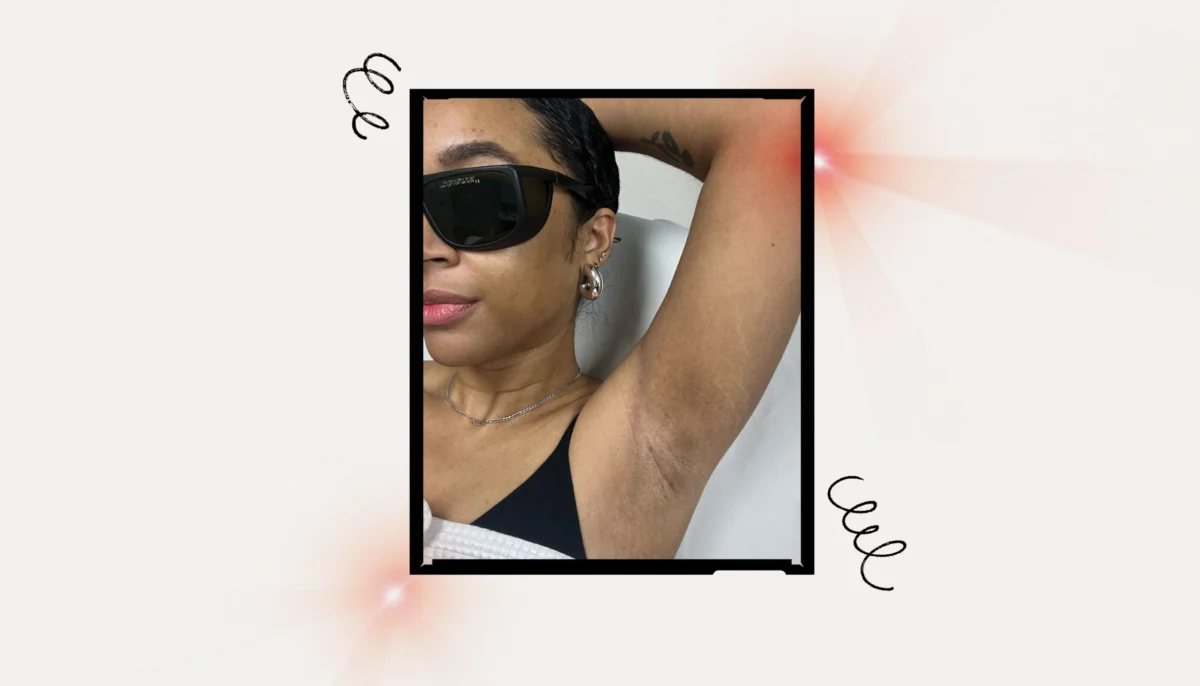
Three sessions into the laser hair removal process, the beauty editor has experienced a "pleasantly surprising" and largely "unscary" outcome. This positive experience is largely attributed to being under the care of an experienced Black woman who not only underwent the treatment herself but also possesses extensive experience treating diverse melanated skin tones. The significant reduction in hair growth and, crucially, the absence of new dark spots have been notable. The skin in the treated areas appears smoother and brighter, a testament to the efficacy of a well-executed treatment plan.
This personal journey underscores a critical message: laser hair removal can indeed be a safe and effective option for Black women. However, it is not a treatment to be undertaken casually. It demands thorough research, proactive questioning, and the selection of a provider who possesses a deep understanding of melanin-rich skin. While this requires additional effort, approaching the process with the right knowledge equips individuals not just to hope for favorable results, but to actively set the stage for them.
Expert Insights and Frequently Asked Questions
The safety and efficacy of laser hair removal for individuals with melanin-rich skin are recurring themes in discussions among dermatologists and patients alike.
Is laser hair removal safe for Black skin?
The unequivocal answer from dermatological experts is yes, provided the treatment is administered by an experienced and qualified professional utilizing the appropriate laser technology.
What lasers are safest for medium to deep skin tones?
The Nd:YAG laser is consistently recommended by dermatologists for medium to deep skin tones. Its longer wavelength penetrates deeper into hair follicles with less heat absorption by the surrounding skin, thereby minimizing the risk of burns or scarring. It’s important to note that Nd:YAG refers to the underlying technology, and reputable brands such as Candela, Lumenis, and Lutronic offer devices incorporating this technology. Pico and Diode lasers are also generally considered safe for darker skin tones when operated by experienced professionals.
Common Misconceptions Addressed
A prevalent misconception is that laser hair removal is inherently unsafe for dark skin. This is demonstrably false. Dr. Nkem Ugonabo, a board-certified dermatologist, emphasizes, "People with darker skin tones can absolutely benefit from laser hair removal." However, she stresses the crucial caveat: "as long as they see a provider experienced in treating melanin-rich skin with the right devices." Dr. Boakye adds that even with the best practices in place, side effects can occur. The critical factor, she explains, is having a provider who can "recognize them early and knows how to treat them appropriately," which significantly influences the overall outcome and patient safety. The integration of advanced laser technologies and a heightened awareness among practitioners regarding the unique characteristics of melanin-rich skin are paving the way for safer and more effective cosmetic procedures.