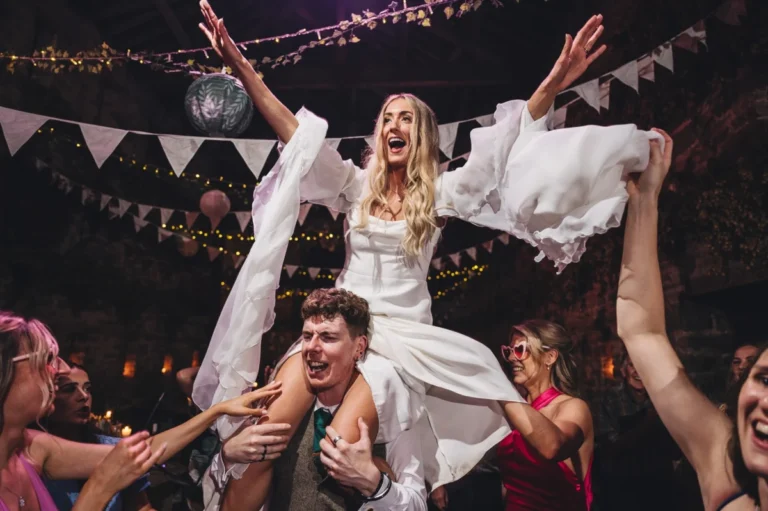









The contemporary wedding landscape in the United Kingdom is undergoing a significant transformation, moving away from traditional rural manor houses toward highly personalized, multi-site urban celebrations. This shift was epitomized by the nuptials of Katie and Dan, whose wedding at the Bourne & Hollingsworth Buildings in Clerkenwell, London, serves as a case study in modern matrimonial planning. By prioritizing aesthetic cohesion, emotional resonance, and guest experience over rigid tradition, the couple curated an event that reflects broader trends within the £14.7 billion UK wedding industry, where personalization and "city chic" aesthetics are increasingly favored by millennial couples.
The Strategic Choice of an Urban Venue
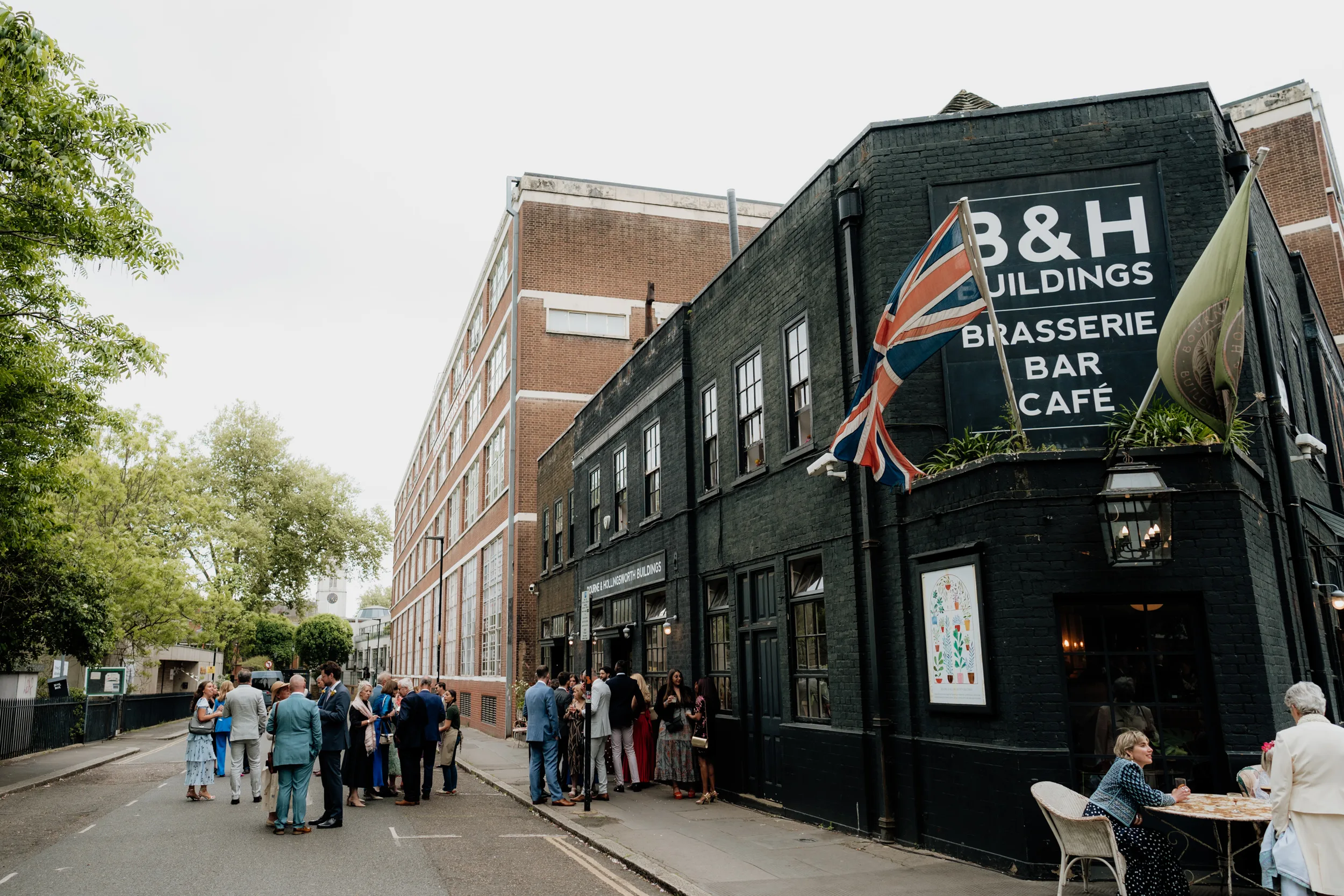
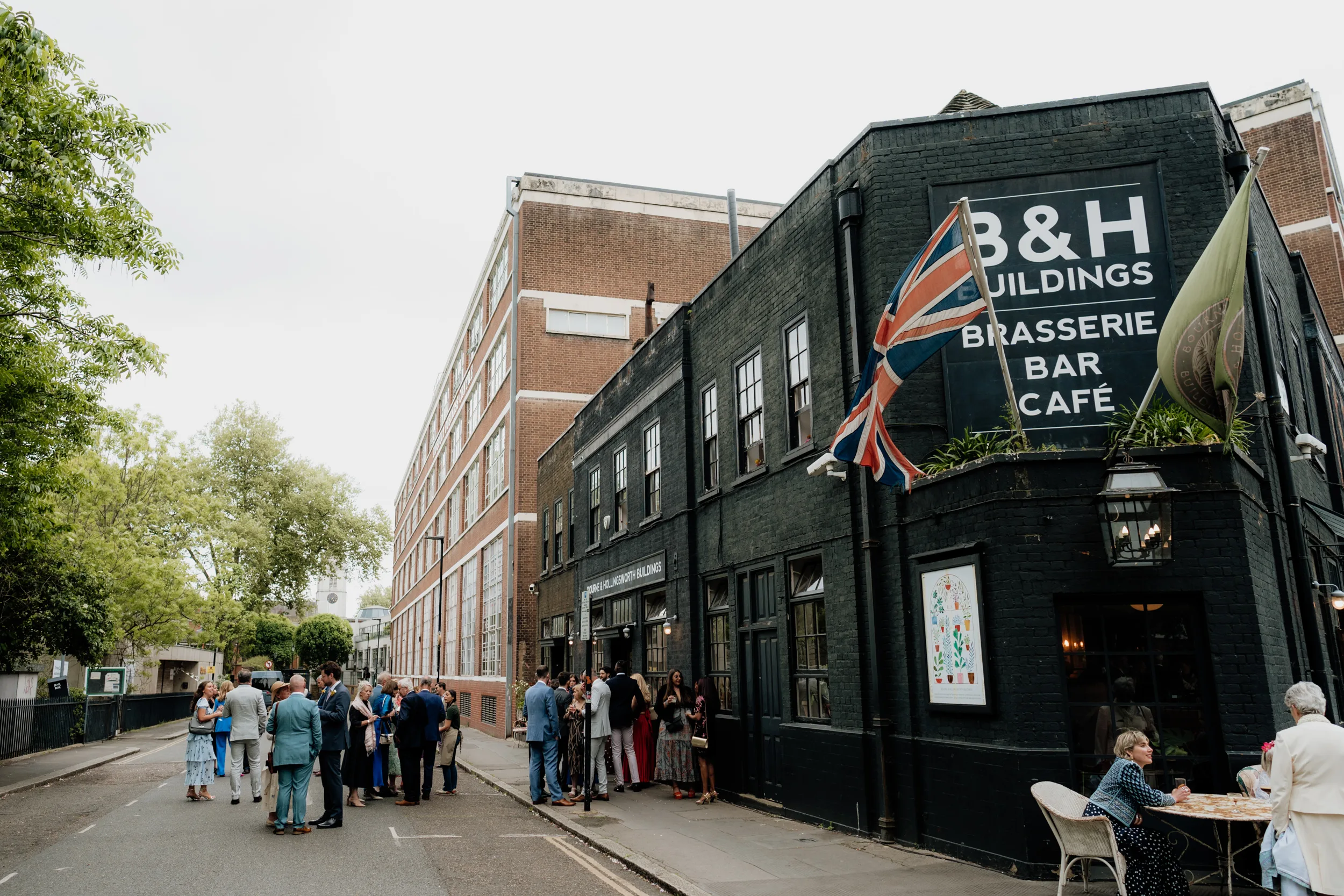
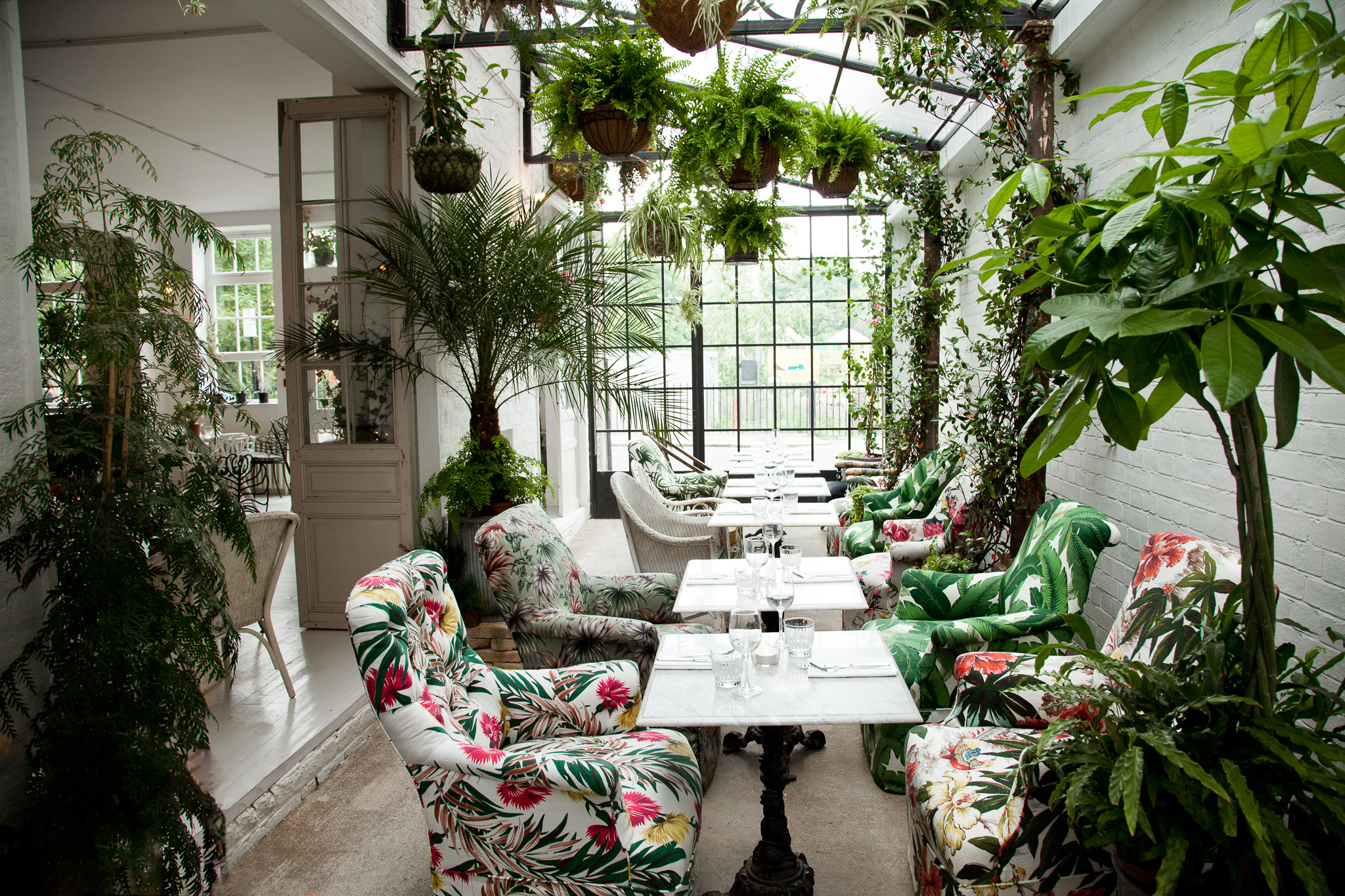
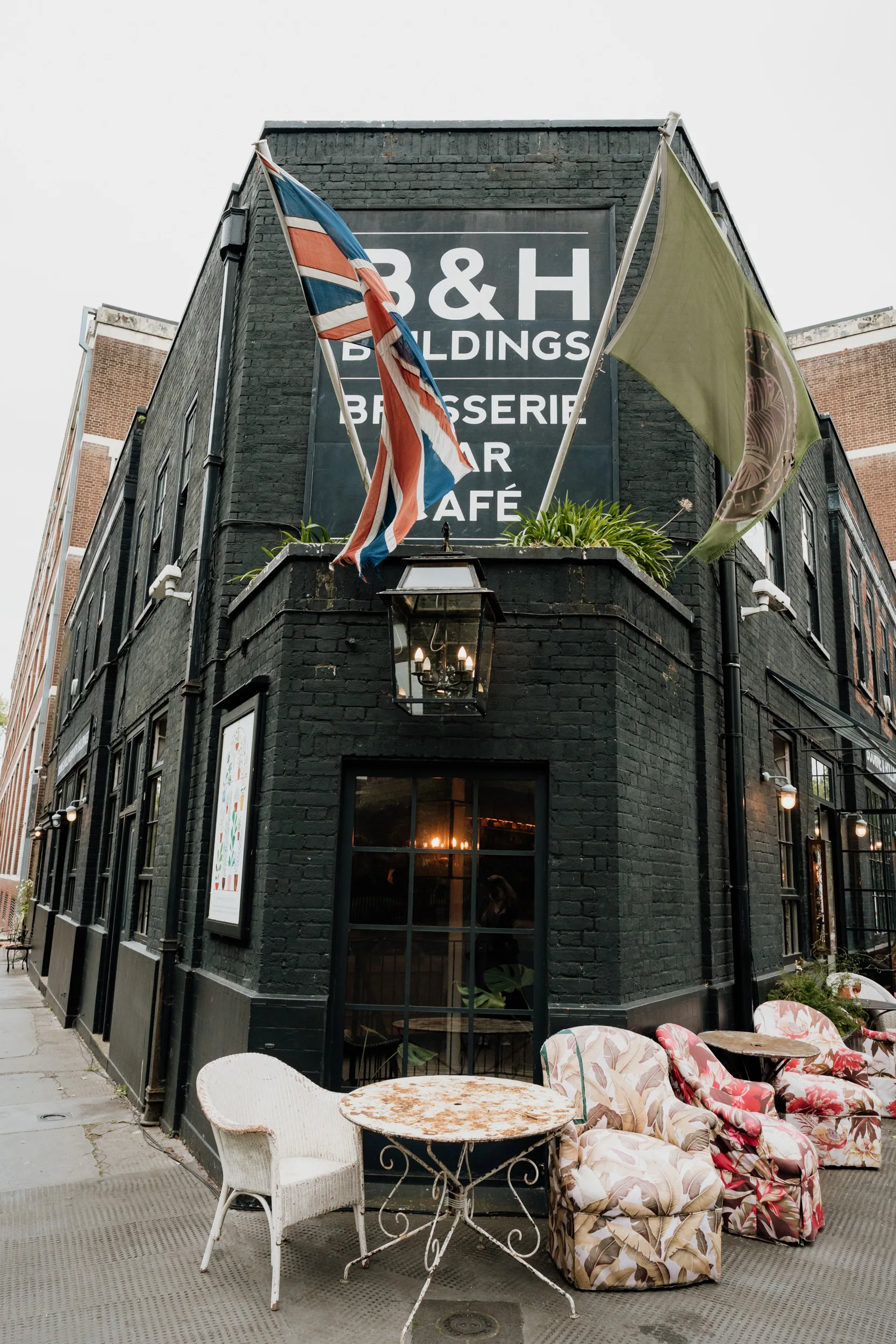
Central to the success of the celebration was the selection of Bourne & Hollingsworth (B&H) Buildings. Located in the heart of Clerkenwell, an area historically known for its design and craft heritage, the venue offered a multi-level layout that facilitated a seamless transition between the day’s various phases. The venue’s "shabby-chic" yet refined aesthetic—characterized by lush greenery, white-washed walls, and large windows—provided a neutral canvas for the couple’s vibrant color palette.
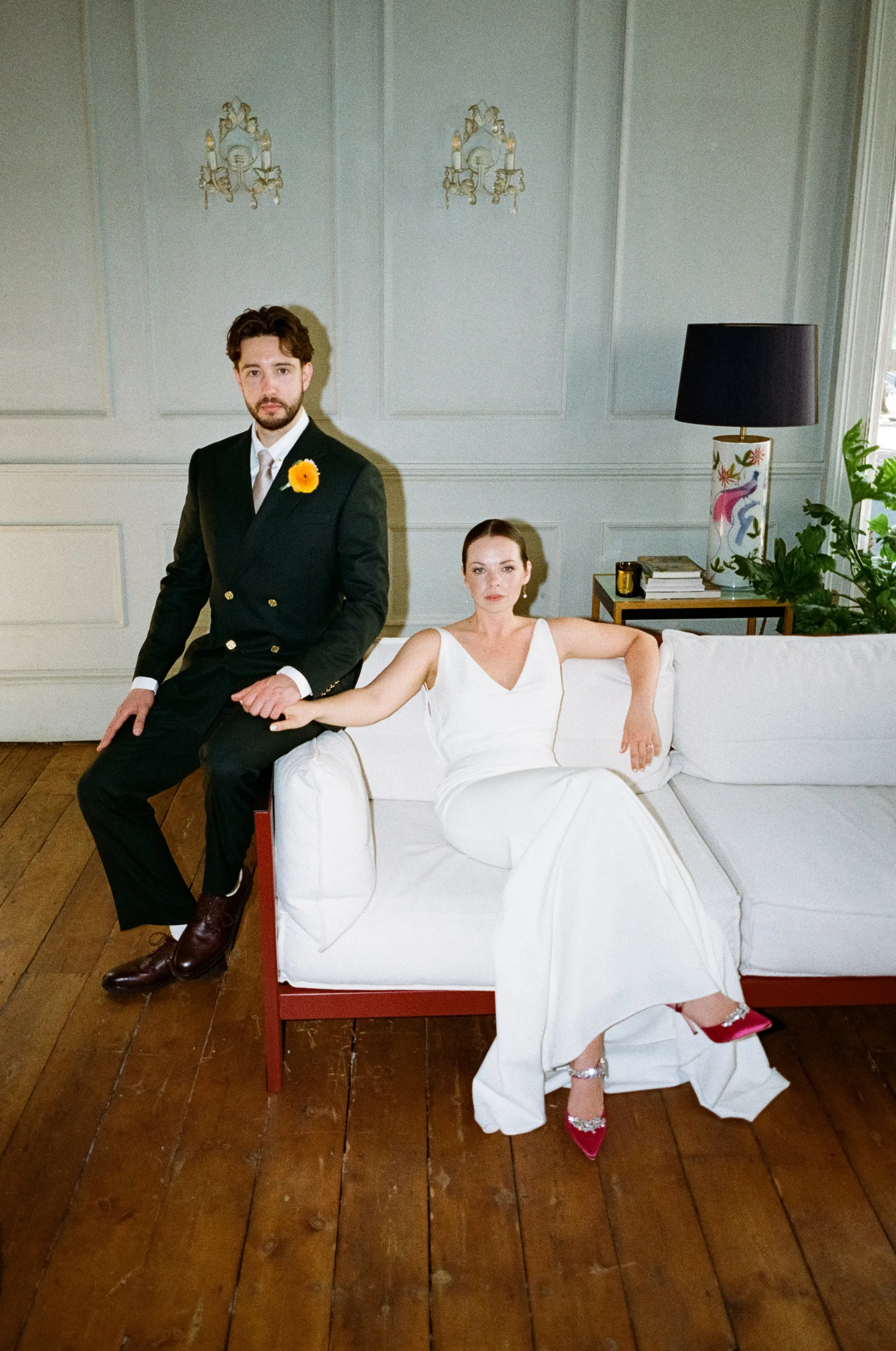
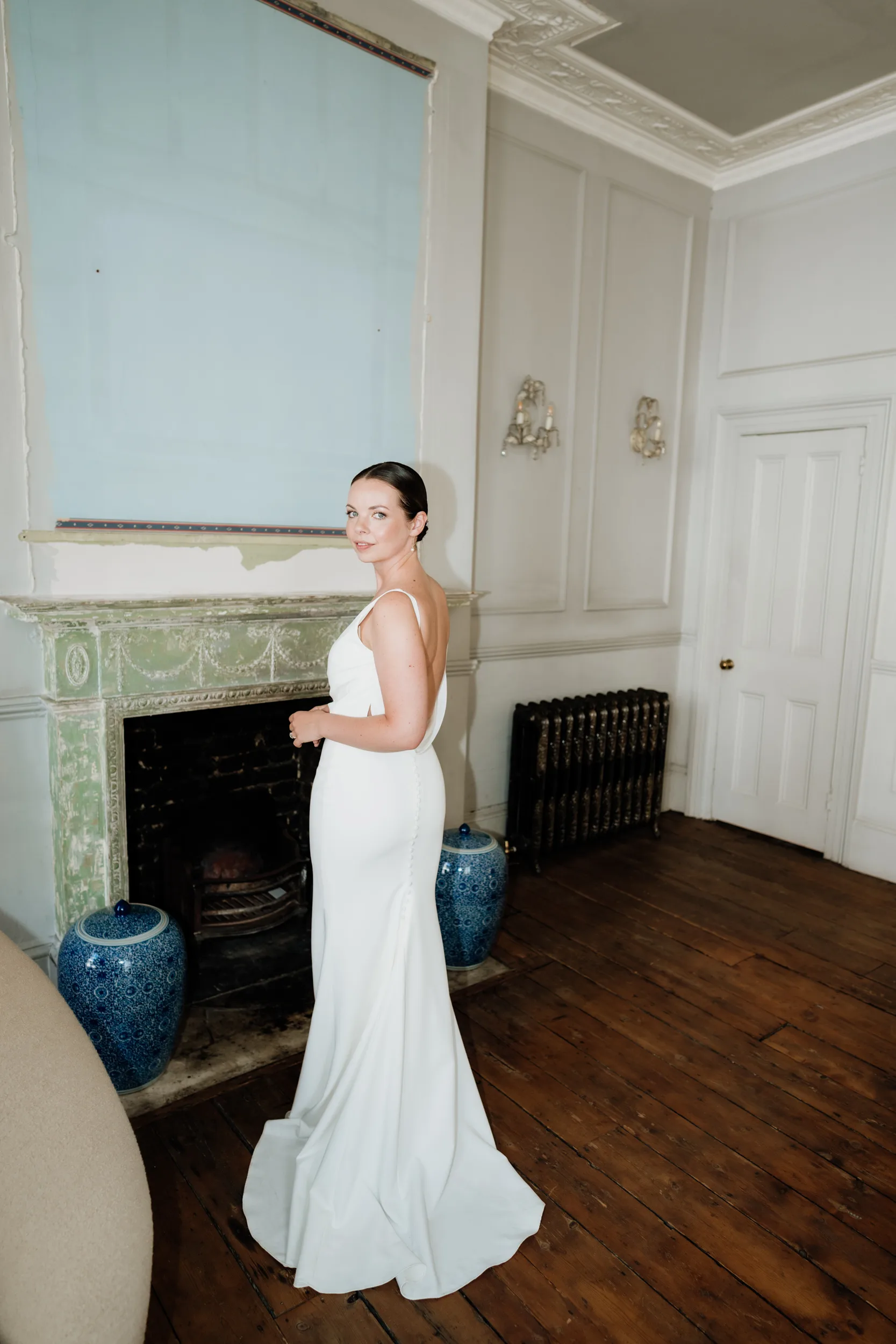
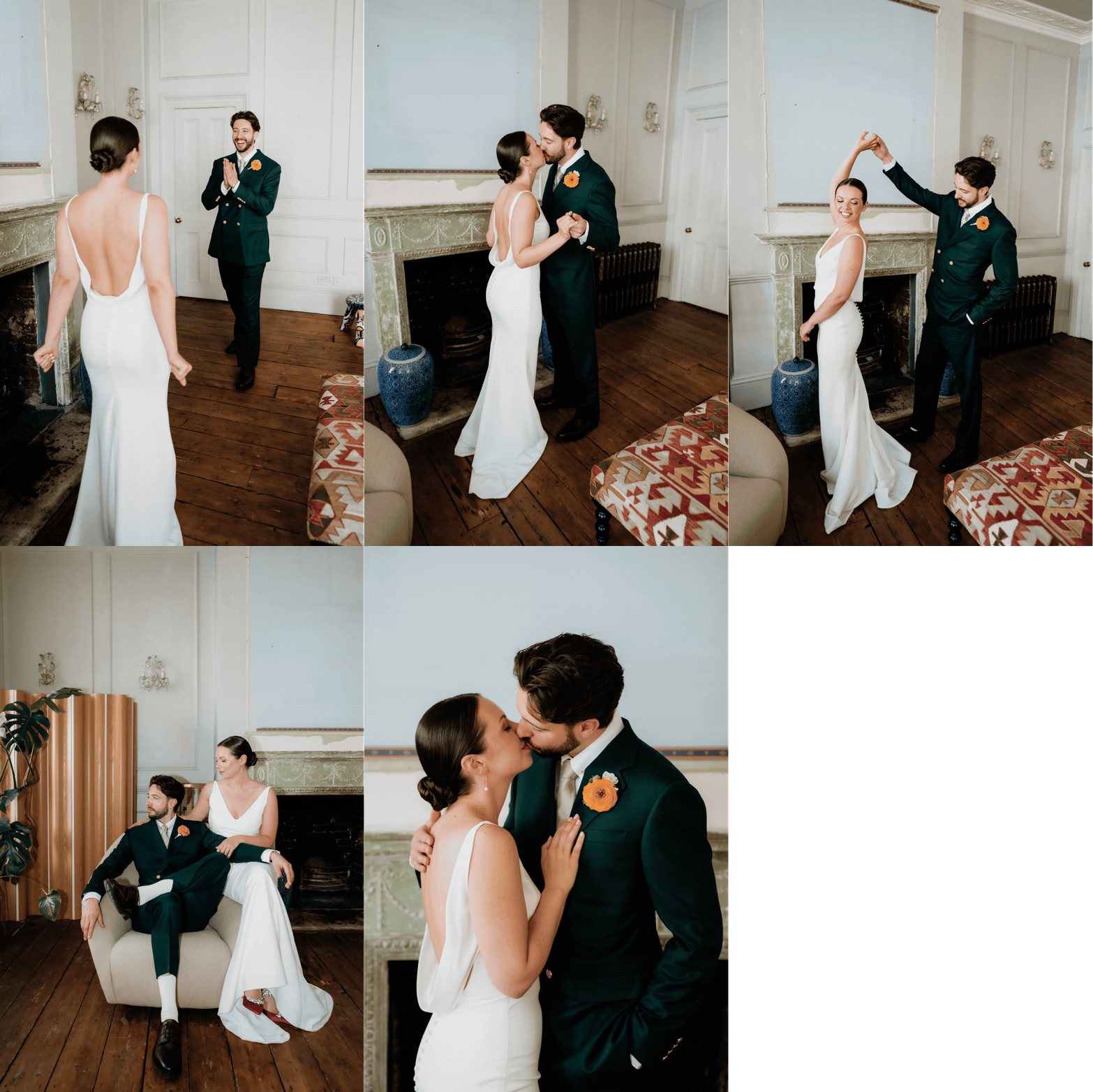
A common logistical challenge for London weddings is the lack of "getting ready" spaces within restaurant-style venues. To solve this, the couple utilized Scouty, a platform typically used for film and photography production, to secure a Grade II listed Georgian townhouse in High Holborn. This decision highlights a growing trend among urban couples who look beyond traditional hospitality sectors to find unique architectural backdrops for their pre-ceremony preparations and "first look" photography.
Chronology of the Union and Planning Phase
The union of Katie and Dan follows a trajectory common to modern British couples, blending digital beginnings with long-term commitment. Having met during their university years, the couple’s romantic relationship began several years later, facilitated by digital dating platforms. Their history included a period of long-distance commitment between London and York before they established a permanent residence in the capital.
The engagement occurred in September 2023 on Hampstead Heath, a location Dan chose for its panoramic views of the London skyline. The subsequent planning period was described as a "whirlwind," characterized by a focus on DIY elements and a strict adherence to a "colourful and modern" brief. In a move that is becoming standard for couples marrying in non-licensed venues, they opted for a two-part celebration: a legal ceremony at Hackney Town Hall on a Friday, followed by the primary social and symbolic celebration on Saturday.
The Ceremonial Structure and Lay Officiation
As the B&H Buildings is not licensed for civil marriages, the Saturday ceremony was a symbolic event, allowing for a degree of creative freedom not possible in a standard registrar-led service. The couple appointed Katie’s brother, Jamie, as their celebrant. This choice reflects a 2023-2024 trend where approximately 1 in 6 couples now choose a friend or family member to lead their ceremony, prioritizing personal storytelling over institutional formality.
The ceremony included several notable elements:
- The Processional: Dan entered with his mother, followed by bridesmaids and groomsmen in pairs, and finally Katie with her father.
- The "Concept of Love" Ritual: In a poignant homage to family history, the celebrant asked guests to hold hands and meditate on the concept of love with the strangers sitting next to them—a ritual that had been performed at the bride’s parents’ wedding thirty years prior.
- Modern Liturgy: The couple selected the reading "Union" by Robert Fulgham, a text frequently chosen for its secular, grounded approach to long-term partnership.
Aesthetic Direction and Hand-Crafted Elements
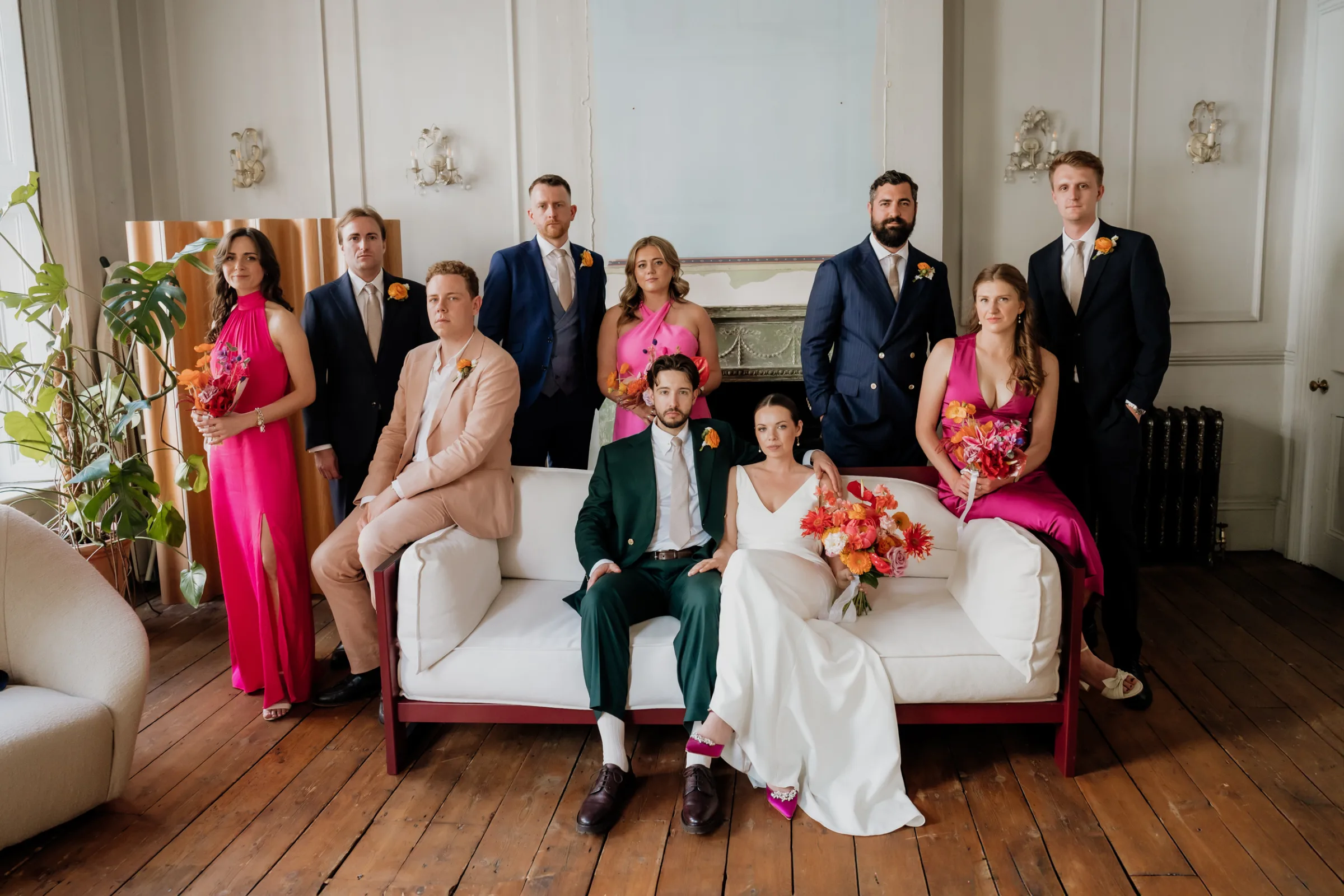
The visual identity of the wedding was defined by a "riot of colour," specifically hot pinks, yellows, and oranges. This departure from the traditional "all-white" wedding is supported by data from wedding planning platforms suggesting that 40% of 2024 couples are opting for "bold and bright" palettes to enhance the celebratory atmosphere.
Katie, acting as the primary designer, created a suite of bespoke elements:
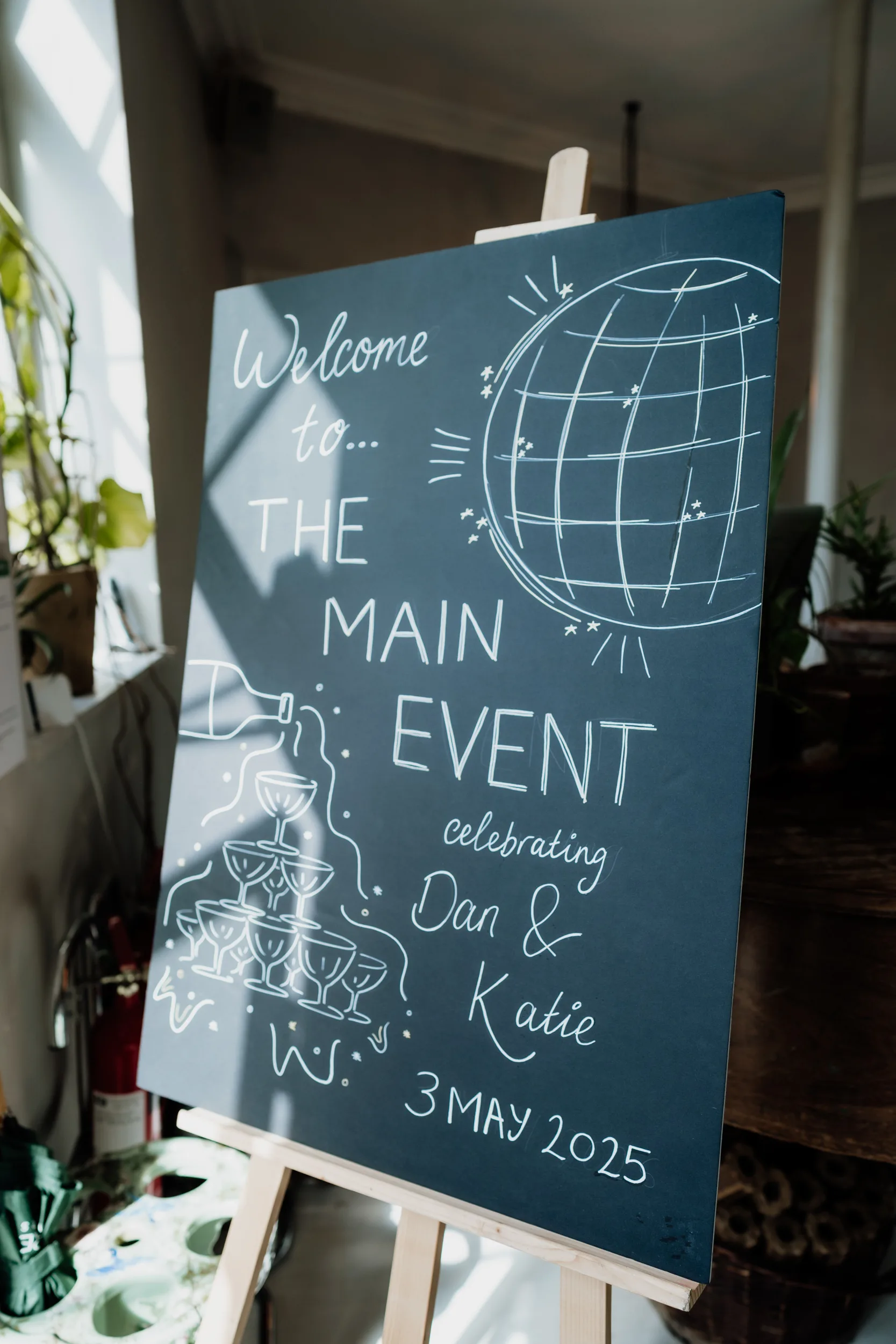
- Hand-Drawn Menus and Signage: Every guest received a unique menu card.
- Polaroid Place Cards: In lieu of traditional calligraphy, each place card featured a Polaroid-style photograph of the guest with the couple, doubling as a personalized favor.
- Alternative Table Plans: Giant boards displayed larger versions of these photographs, encouraging guest interaction during the cocktail hour.
- Bespoke Bunting: Handmade ribbons in pink and light orange were used to unify the venue’s ceiling with the floral arrangements.
Fashion, Sustainability, and Floral Design
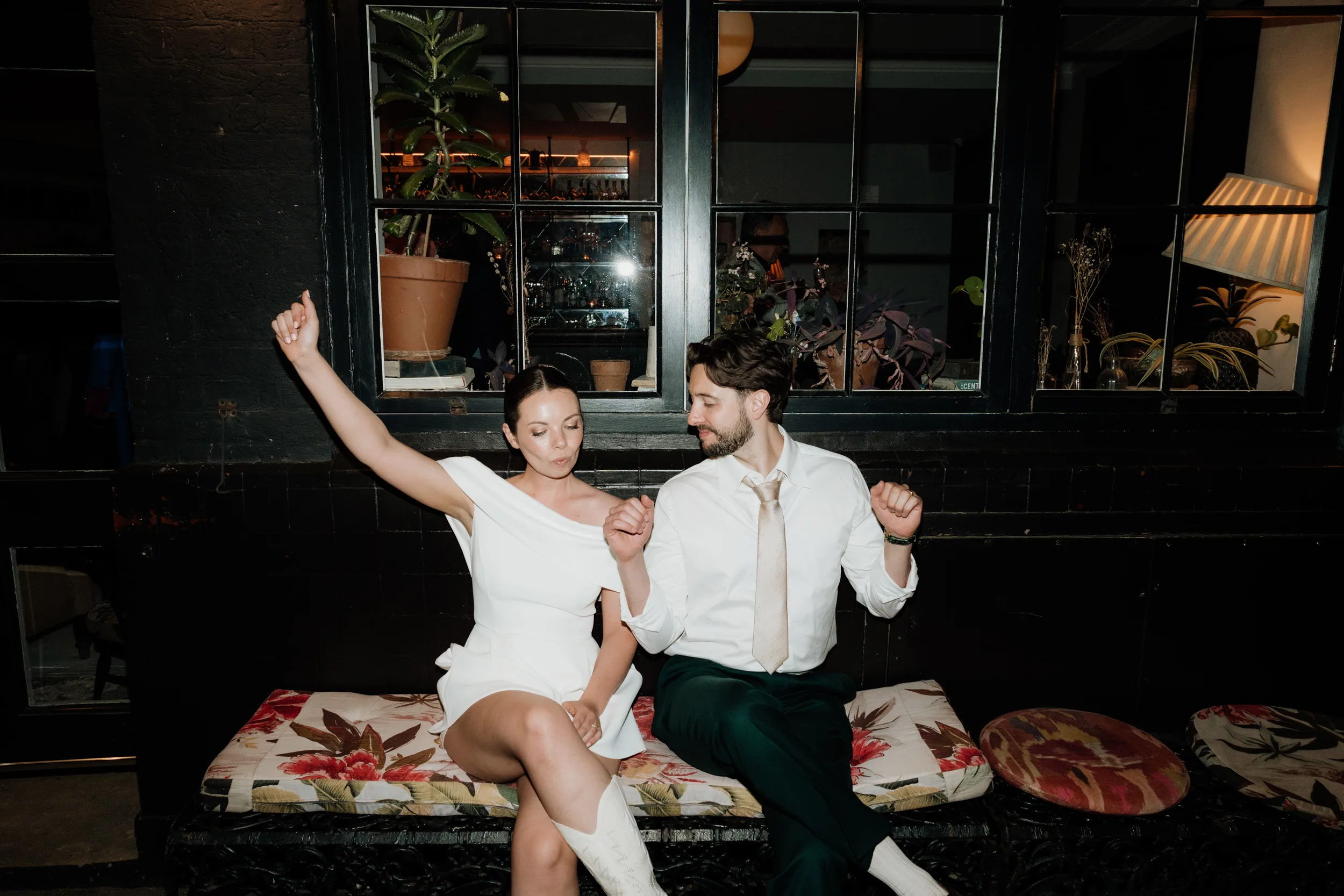
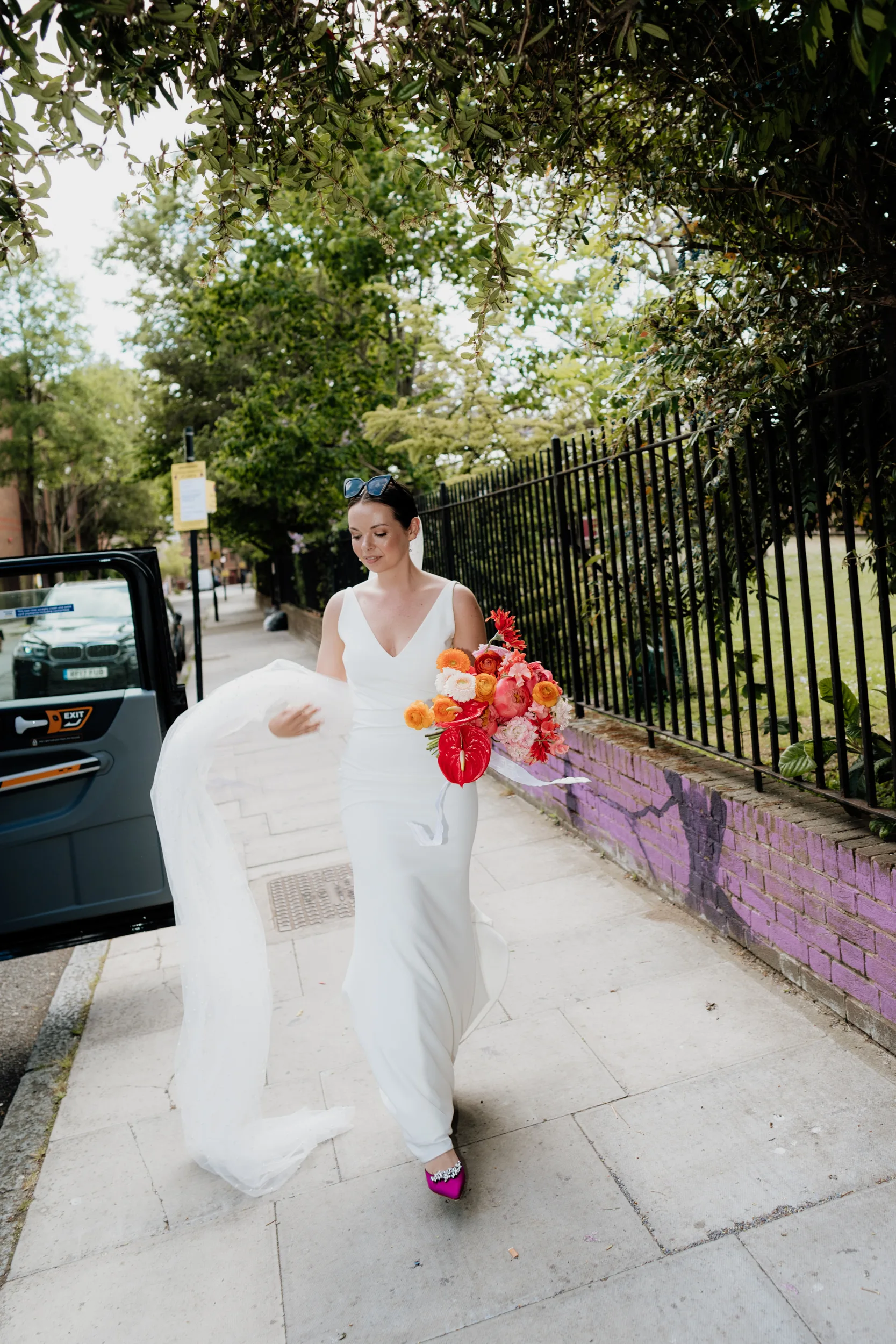
The bridal attire reflected the growing market for pre-loved luxury. Katie wore a gown by MWL Bride (Made With Love), a designer known for modern, minimalist silhouettes. By opting for a pre-loved garment, the bride aligned with the sustainability movement that is currently reshaping the bridal fashion industry, where the resale market for high-end gowns has seen a 30% year-on-year increase. For the social portions of the day, the bride paired a short dress with cowboy boots, emphasizing the "modern city" aesthetic.
The floral design, executed by Botanique Workshop of Exmouth Market, utilized red anthuriums, pink peonies, and orange accents. The use of anthuriums, in particular, signals a move toward structured, tropical, and "architectural" florals over the more traditional, loose "English Garden" style. The groom and his attendants wore orange boutonnieres, which complemented the gold accents in Dan’s attire.
Catering and Entertainment Logistics
The culinary offering was a central pillar of the event. The couple opted for a high-quality, restaurant-standard menu provided by the B&H kitchen, catering to over 90 guests. Their advice to future couples—to prioritize food they personally enjoy—reflects a shift toward "foodie" weddings where the quality of the meal is considered the primary entertainment.
The wedding cake, provided by West Hampstead-based Em Cakes, was a heart-shaped design. In a nod to "til death" symbolism, the cake featured a slightly subversive topper to juxtapose the "twee" nature of the heart shape, along with a figurine of the couple’s dog, Lola.
The evening concluded with a first dance to "Grow" by Kidnap. The song choice was strategically selected for its personal meaning—commemorating an early date at the Greenwich Planetarium—and its mid-track tempo increase, which served as a musical cue for guests to join the couple on the dance floor.
Broader Impact and Industry Implications
The wedding of Katie and Dan highlights several key shifts in the contemporary wedding market:
1. The Rise of the "Weekend Wedding"
By splitting the legal and social elements, couples are effectively extending the celebration into a two- or three-day event. This allows for a private, low-stress legal moment followed by a high-impact social event.
2. The Personalization of the Guest Experience
The use of 90+ individual Polaroid photos for place cards demonstrates a move toward "hyper-personalization." Industry analysts suggest that guests are more likely to value and remember weddings that acknowledge their specific relationship with the couple.
3. The Professionalization of DIY
While the wedding featured many handmade elements, they were executed with a high degree of design literacy. This "professional DIY" approach allows couples to control costs while maintaining a high-end aesthetic.
4. Strategic Delegation
The couple’s decision to outsource complex tasks—such as florals to Botanique Workshop and photography to Joasis Photography—while handling signage themselves, shows a sophisticated understanding of project management. The recommendation of Joasis Photography, a trusted partner of the "Love My Dress" directory, underscores the importance of vendor integrity in the modern wedding economy.
Conclusion
Katie and Dan’s wedding at Bourne & Hollingsworth Buildings stands as a definitive example of the modern London city wedding. By eschewing traditional expectations in favor of a bold, color-driven aesthetic and a deeply personal, family-led ceremony, the couple created an event that was both a reflection of their personalities and a manifestation of current industry trends. As the wedding sector continues to evolve, the success of such celebrations will likely encourage more couples to prioritize authenticity, local supplier partnerships, and creative autonomy over conventional matrimonial norms.