








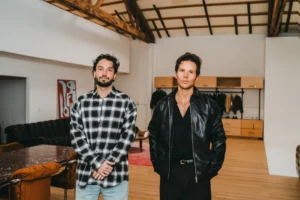

The intersection of fashion and technology has long been characterized by extravagant physical runways, high carbon footprints, and costly marketing campaigns designed to capture the fleeting attention of consumers. However, as younger demographics increasingly migrate toward digital spaces, the traditional modalities of fashion promotion are undergoing a profound structural shift. At the forefront of this transformation is Evelyn Mora, a visionary entrepreneur who recognized early in her career that traditional, large-scale fashion shows are fundamentally incompatible with the sustainability goals frequently espoused by modern designers.
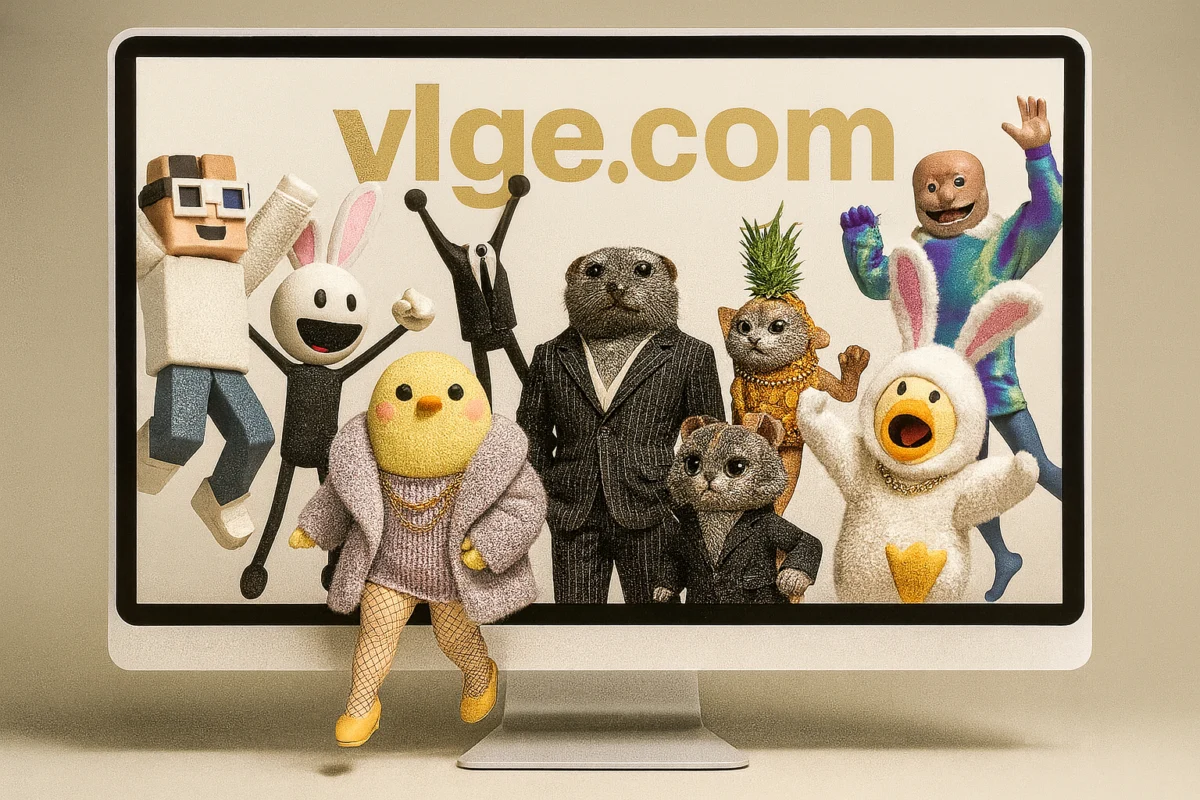
To address this persistent industry challenge, Mora launched VLGE in 2021. Designed as a specialized gaming and immersive-world-building platform, VLGE empowers fashion brands to bypass traditional physical constraints by constructing their own interactive virtual environments. These spaces can be populated with mini-games, dynamic content, and shoppable products, and then seamlessly exported to major gaming ecosystems such as Roblox. By bridging the gap between high-end fashion and interactive entertainment, VLGE is redefining how apparel brands engage with Gen Z, moving away from carbon-heavy physical productions and toward continuous, digital-first consumer experiences.
The Genesis of VLGE and Early Industry Validation
Evelyn Mora’s journey into the technology sector was born out of pragmatic frustration. While working within the fashion industry, she observed that sustainability-focused designers were continually constrained by the logistical and environmental realities of staging massive physical events. The logistics of international shipping, set construction, and energy-intensive venue operations stood in stark contrast to eco-friendly design philosophies. Recognizing that digital spaces offered a sustainable and highly engaging alternative, Mora set out to build the infrastructure required to democratize virtual world creation for fashion houses.
Since its inception, VLGE has steadily built credibility within both the traditional fashion establishment and the venture capital community. The platform has collaborated with prominent global beauty and lifestyle names, including Lancôme, Charlotte Tilbury, and Vogue Scandinavia. This portfolio of high-profile partnerships helped the company secure $5 million in total capital funding. Key investors backing the platform include high-net-worth individuals and organizations such as Lammot J. du Pont of the du Pont family, the L’Oréal Group, and the British Fashion Council. This financial and strategic backing underscores a growing consensus among traditional industry giants that virtual commerce is no longer a peripheral marketing experiment, but a core pillar of future retail strategies.
A Chronological Leap: From 3D Fashion Week to World Fashion Week
VLGE first made significant industry waves by launching the world’s first 3D and gamified fashion week, proving that virtual runways could capture public interest and media attention. Building on the momentum of that milestone, the company announced its most ambitious initiative to date: World Fashion Week.
Powered entirely by VLGE’s proprietary infrastructure, World Fashion Week is scheduled to feature 50 distinct fashion brands simultaneously launching their own custom, shoppable worlds. Operating as an initiative spearheaded by VLGE, World Fashion Week serves as a crucial bridge for creators, enabling them to bypass the traditional technical hurdles associated with launching interactive experiences on mainstream gaming networks like Roblox. This large-scale activation represents a watershed moment for the platform, demonstrating its capability to handle multi-brand, cross-browser deployments in real time.
Democratizing Virtual World-Building
For years, establishing a brand presence within gaming environments like Roblox has been an exclusionary endeavor. Historically, brands wishing to enter the metaverse were forced to hire specialized development agencies, facing development costs ranging from $10,000 to $100,000 per world, alongside waiting periods stretching across several months. Furthermore, the technical complexity of Roblox’s proprietary coding languages meant that non-technical creative directors and independent designers were largely locked out of the space.
VLGE has fundamentally altered this economic and technical equation. By offering an intuitive, browser-based authoring tool, the platform allows brands to launch immersive experiences instantly and affordably.

"This is significant because Roblox has become fashion’s most powerful youth frontier, yet until now, world-building there has been costly, technical, and complex," Evelyn Mora stated in an interview. "We make it instant, affordable, scalable, and interoperable, bridging the gap between e-commerce, gaming, and cultural creation."
Under this new paradigm, creators utilizing VLGE do not need to understand complex coding languages or possess advanced technological backgrounds. The platform effectively abstracts the engineering burdens, reducing deployment times from months to minutes while slashing capital expenditures. To accommodate a wide spectrum of users—ranging from independent designers to multinational conglomerates—VLGE utilizes a flexible four-tier pricing model consisting of a Freemium option alongside dedicated paid tiers tailored for creators, small businesses, and enterprise clients.
Technical Interoperability and Ecosystem Expansion
While Roblox currently serves as the primary gateway for VLGE’s initial deployments due to its massive youth market penetration, the platform is engineered with cross-platform scalability in mind. VLGE is already fully compatible with Unreal Engine, one of the industry’s most powerful real-time 3D creation tools, and the company is actively developing integration capabilities for Meta Horizon Worlds.
This interoperability is a critical component of VLGE’s long-term strategy. Rather than locking brands into a single walled garden, the platform functions as a centralized publishing engine capable of distributing virtual assets and interactive worlds across multiple disparate ecosystems. This multi-platform approach ensures that brands can follow their target audiences wherever they choose to spend their digital time, maximizing return on investment for virtual marketing initiatives.
The Future of Gamified Commerce
Looking ahead, VLGE is positioning itself at the vanguard of what industry analysts term "gamified commerce." The company has outlined plans to launch a dedicated e-tail platform that will function as a hybrid marketplace. This online store will simultaneously offer physical merchandise from emerging, forward-thinking fashion brands alongside interoperable 3D digital assets that consumers can seamlessly export into virtual spaces like Roblox.
This dual-market strategy reflects a deeper behavioral shift among digital-native consumers, who increasingly view their digital avatars with the same importance as their physical wardrobes. By bridging physical apparel with virtual ownership, VLGE aims to capture value from both traditional retail and digital asset transactions.
Broader Implications and Industry Impact
The rapid rise of platforms like VLGE signals a structural evolution within the global retail economy. As consumer attention continues to fragment across digital media, video games, and social networks, traditional static advertising and physical-only fashion presentations are facing diminishing returns. For legacy fashion houses and independent designers alike, the imperative is no longer merely to showcase clothing, but to cultivate immersive brand ecosystems where consumers can actively participate, play, and purchase.
By lowering the financial and technical barriers to entry, VLGE’s infrastructure democratizes access to digital economies that were previously the exclusive domain of luxury conglomerates with massive marketing budgets. As World Fashion Week approaches and more brands adopt decentralized, gamified retail strategies, the boundary between entertainment and e-commerce will continue to dissolve. In this emerging landscape, companies that successfully master virtual world-building will dictate the future of consumer engagement, proving that the next great frontier of fashion will be built not on physical runways, but in the digital imagination.