










The genesis of modern underground club culture in the United Kingdom is frequently traced back to the periods of isolation enforced during the COVID-19 pandemic. When public health mandates shuttered traditional nightlife venues across the country in 2020, electronic music enthusiasts faced an unprecedented void in community infrastructure. Out of this socio-spatial vacuum emerged Rat Party, an avant-garde club night founded in Leeds by Naomi Momoh. What began as an illicit, clandestine gathering in remote forests and beneath motorway overpasses has since matured into one of West Yorkshire’s most prominent and culturally significant underground rave institutions, recently expanding its footprint to include high-profile events in the United Kingdom’s capital, London.
The nomenclature of the event itself is deeply rooted in the localized urban geography of Leeds. According to Momoh, the name was inspired by the oversized rodent populations notoriously associated with the Hyde Park area of the city, where the founders resided during their university years. Beyond the literal infestation that plagued the student neighborhood, the imagery served as a potent metaphor for social alienation. The founders identified with the marginalization of the urban pest, transforming a derogatory symbol into a badge of honor for outsiders, queer individuals, and non-conformist ravers who felt alienated by mainstream commercial nightlife.
Chronology and Evolution: From Forest Raves to Capital-Spanning Events
The chronological trajectory of Rat Party reflects the broader adaptability of underground culture during and immediately after the global health crisis.
In its inaugural phase throughout 2020 and early 2021, the collective operated under severe legal and logistical constraints. Devoid of legal venues, the organizers utilized decentralized communication channels to assemble small groups of displaced community members in unconventional outdoor locations. These early iterations were defined by utilitarian necessities; attendees navigated muddy terrains and unpredictable weather, necessitating pragmatic clothing choices geared toward survival and mobility rather than aesthetic self-expression.
As pandemic restrictions gradually eased and traditional venues reopened, Rat Party did not dissolve back into the commercial club circuit. Instead, it solidified its operational model, transitioning from fugitive outdoor gatherings to secured underground spaces across Leeds. This transition allowed the creative vision of the organizers to expand, particularly regarding visual culture, fashion, and inclusivity.
By late 2023 and into 2024, the collective achieved a level of regional prominence that attracted attention beyond West Yorkshire. Recognizing a demand for their specific brand of high-tempo, heavy electronic music and uninhibited atmosphere, the organizers initiated a series of cross-country operations, culminating in recent takeovers in London. This geographic expansion tested the scalability of their community model, successfully bridging the distinct nightlife cultures of Northern England and the capital.
The Intersection of Fashion and Personal Liberation
A defining characteristic of Rat Party in its contemporary iteration is the central role assigned to fashion as an instrument of psychological liberation and identity exploration. While initial gatherings demanded functional apparel, the lifting of lockdowns catalyzed an explosion of sartorial experimentation among attendees.
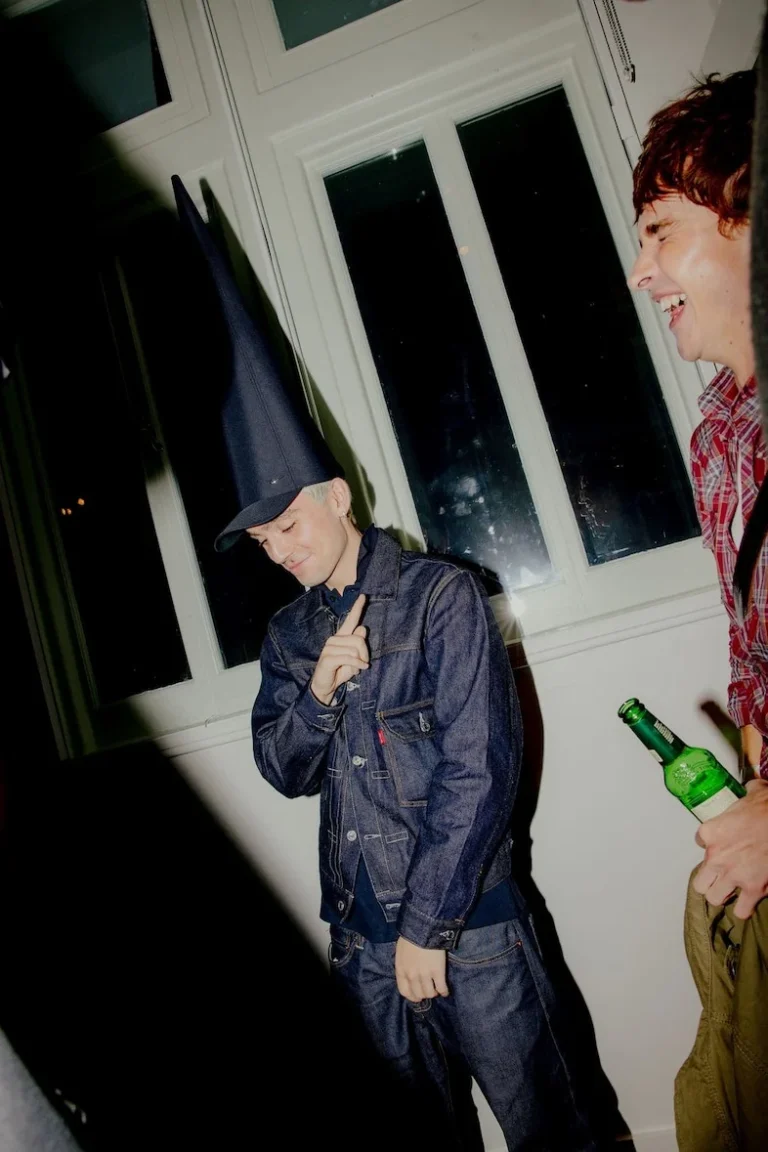
Momoh and her collaborators have deliberately cultivated an environment where standard social inhibitions regarding dress codes are discarded. This ethos manifests in transient, highly dynamic fashion choices. Observers at recent events have documented a prevalence of chameleon-like dressing behaviors, wherein participants utilize oversized bags to transport multiple outfits, transitioning fluidly between heavy streetwear, minimalist athletic wear, sheer dresses, and elaborate undergarments as the night progresses.
Sociological analyses of contemporary youth subcultures frequently highlight the post-pandemic resurgence of club spaces as critical sites for embodied identity construction. In the case of Rat Party, the dancefloor functions as a sanctuary where individuals can test the boundaries of self-presentation without fear of judgment. This emphasis on radical self-expression has transformed the audience from passive consumers of music into active participants in a living, breathing fashion performance.
Community Cohesion and Demographic Resilience
Despite scaling up operations and absorbing new demographics in larger metropolitan markets like London, the core identity of Rat Party remains anchored in its foundational community. Organizers have reported a high retention rate among early attendees, alongside a steady influx of new participants.
This dual growth model—retaining the original Leeds contingent while absorbing London’s localized "club rats"—points to the effectiveness of the brand’s community-building strategies. According to internal observations by the promoters, the presence of familiar faces at events held hundreds of miles away from their geographic origin validates the emotional resonance of the project. The ability to transport a localized Northern subculture into the competitive nightlife ecosystem of London underscores a broader trend in British youth culture: the decentralization of cool, where regional DIY initiatives successfully export their ethos to major metropolitan centers.
Broader Implications for Post-Pandemic Nightlife Economics
The longevity and expansion of Rat Party offer valuable insights into the changing economics and operational realities of the contemporary UK nightlife sector. The post-pandemic landscape has been marked by widespread closures of traditional independent music venues, driven by rising operational costs, gentrification, and post-lockdown debt. In this hostile economic climate, DIY collectives operating in unconventional spaces have frequently stepped in to sustain the cultural lifeblood of electronic music.
By prioritizing community over corporate sponsorship and immersive atmosphere over high-end venue infrastructure, organizations like Rat Party demonstrate a viable alternative model for cultural production. They prove that underground electronic music scenes can survive—and even thrive—by maintaining strict adherence to their core values while strategically expanding their geographic and cultural reach.
As Rat Party looks toward its future, the challenge will lie in balancing the delicate equilibrium between commercial growth and the preservation of its anti-establishment roots. For now, however, the phenomenon stands as a testament to the resilience of community-driven nightlife, proving that spaces born out of isolation can successfully transform into enduring cultural institutions.