








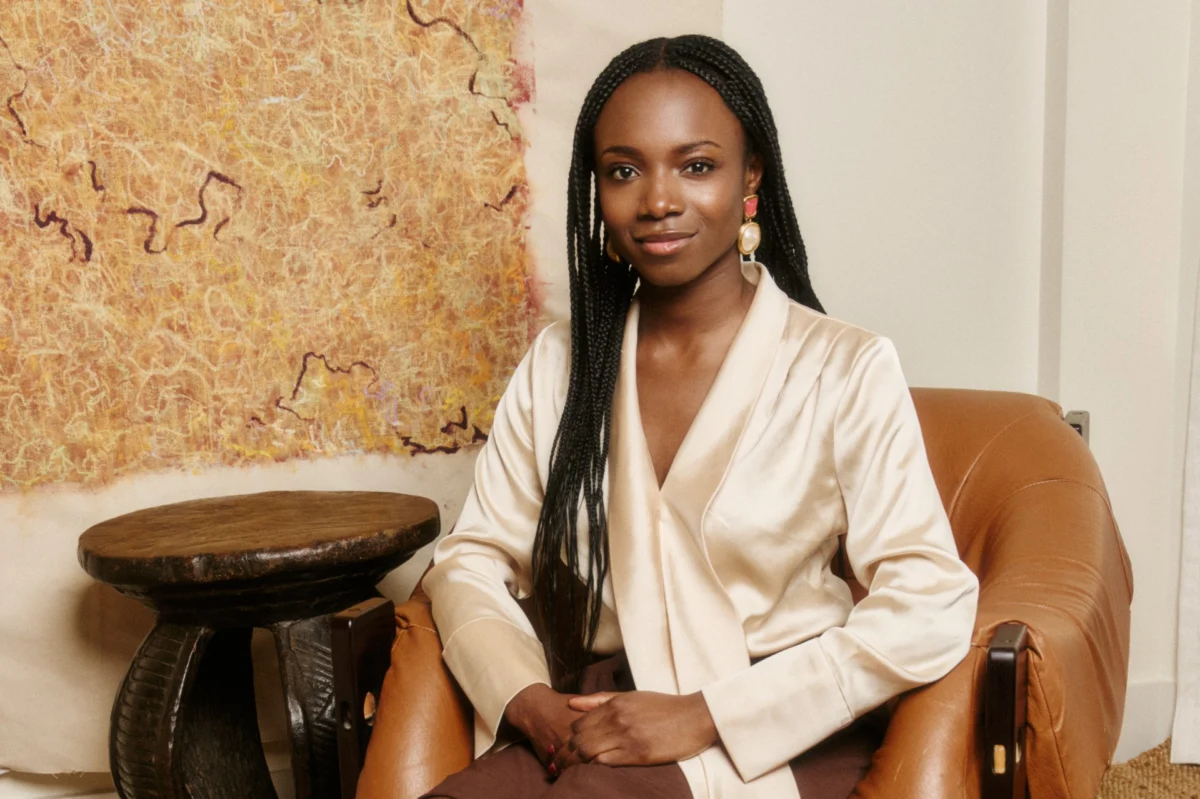
The traditional art of hair braiding, a practice deeply rooted in African culture and identity for millennia, is standing on the precipice of a technological transformation. HaloBraid, a robotics startup founded by engineer and entrepreneur Yinka Ogunbiyi, has announced the successful closing of a $7 million seed funding round led by Seven Seven Six, the venture capital firm founded by Reddit co-founder Alexis Ohanian. The investment marks a significant milestone in the beauty technology sector, specifically targeting the long-overlooked needs of the textured hair market. By introducing robotic automation into the salon environment, HaloBraid aims to drastically reduce the time-intensive nature of protective styling, potentially shifting a process that currently takes upwards of twelve hours into a significantly more efficient operation.
The infusion of capital, which saw participation from other notable investors including AlleyCorp and Bling Capital, is earmarked for several critical phases of the company’s growth. These include the finalization of product development, the scaling of manufacturing capabilities, and the establishment of strategic partnerships with professional salons ahead of the device’s commercial launch slated for later this year. As the beauty industry continues to embrace high-tech solutions for hair health and styling, HaloBraid’s entry signals a move toward addressing the specific mechanical complexities of textured hair, a niche that has historically seen less innovation compared to straighter hair types.
The Genesis of an Automated Solution
The inspiration for HaloBraid was born out of personal necessity and the unique challenges presented by the COVID-19 pandemic. Yinka Ogunbiyi, who holds a Master of Science in engineering from Harvard University and an MBA, found herself attempting to braid her own hair while isolated in her London apartment during the 2020 lockdowns. The manual process, which usually requires the dexterity of a professional stylist, took her four full days to complete. For Ogunbiyi, this was not just a personal frustration but a technical inefficiency begging for an engineering solution.
Ogunbiyi was no stranger to the intersection of hardware and consumer needs. Having previously founded a smart cooking appliance company, she approached the problem of hair braiding through the lens of material science and robotics. She recognized that while the cultural and aesthetic value of braiding remained high, the manual labor involved had remained unchanged for thousands of years. This realization led to years of intensive research and development, during which Ogunbiyi analyzed the physics of hair manipulation and the specific requirements of protective styles like box braids and knotless braids.
The result of this research is the HaloBraid device, designed to function as an automated assistant for professional stylists. Unlike fully autonomous robots that might replace human labor, HaloBraid is positioned as a collaborative tool. The process begins with a human stylist who initiates the braid at the scalp—ensuring the tension and placement are correct—before handing the strands over to the device. The robot then completes the remainder of the braid in a matter of seconds, a task that would otherwise take several minutes per braid when done by hand.
Addressing the "Tricky Substrate" of Textured Hair
One of the primary reasons why automation has been slow to enter the braiding market is the sheer complexity of the medium. Ogunbiyi describes hair as one of the "trickiest substrates in the world to manipulate." Unlike rigid materials used in traditional manufacturing, hair is flexible, varying in texture, thickness, and elasticity. To overcome these hurdles, the HaloBraid team had to look beyond the beauty industry for solutions.
The development of the device involved borrowing methodologies from seemingly unrelated fields, including material science and inkjet printing technology. The goal was to create a mechanism that could provide the precision necessary for a clean braid while remaining gentle enough to prevent breakage or excessive tension on the hair follicle. While many details of the device remain proprietary due to pending patents, the company has emphasized that the product is designed to be inclusive of various textured hair types, focusing on the two most popular styles: box braids and knotless braids.
This technical achievement is significant because protective styling is more than just a fashion choice for many Black women; it is a functional necessity for maintaining hair health. However, the physical toll on both the client and the stylist has long been a drawback. Clients often endure "marathon" sessions in the salon chair, while stylists frequently suffer from repetitive strain injuries.
The Economic and Human Impact of Braiding
The market potential for HaloBraid is supported by staggering data regarding the time and money spent on hair care. According to research conducted by Ogunbiyi, an estimated 8 billion hours are spent globally on hair braiding every year. In a survey of 2,000 individuals, the startup found that 95% of respondents would choose to get their hair braided more frequently if the process were faster. This suggests a massive latent demand that is currently suppressed by the time-cost of the service.

From the perspective of salon owners and stylists, the introduction of robotic assistance could fundamentally change their business models. Currently, a stylist might only be able to see one or two braiding clients in a single day due to the length of the service. By reducing the time required for each client, salons could increase their throughput, serving more customers without increasing the physical burden on their staff.
Furthermore, the professional hair braiding industry is fraught with occupational health hazards. Prolonged periods of standing combined with the repetitive, intricate finger movements required for braiding lead to high rates of carpal tunnel syndrome, tendonitis, and arthritis among stylists. By automating the most repetitive portion of the braiding process, HaloBraid offers a solution that could extend the careers of professional braiders and improve their overall quality of life.
Investor Confidence and the "Hardware Moment"
The involvement of Alexis Ohanian and his firm, Seven Seven Six, provides more than just financial backing; it brings a high level of visibility and a personal connection to the mission. Ohanian, who is married to tennis legend Serena Williams, has spoken openly about his personal observations of the braiding process within his own family. Williams is well-known for her iconic braided hairstyles, and Ohanian has noted the time-consuming nature of these sessions for both his wife and their two daughters.
"I’ve studied exactly how long these braiding sessions take," Ohanian stated. He observed that while the ritual of braiding can be a positive experience initially, the exhaustion that sets in by the ninth or tenth hour is a universal pain point for families and stylists alike. For Ohanian, HaloBraid represents a "genuinely differentiated" product with a clear go-to-market strategy in a space that has been largely ignored by Silicon Valley.
Ohanian has characterized the current era as "hardware’s moment," noting that advancements in robotics and manufacturing are making previously "unbuildable" ideas feasible. He compared the potential impact of HaloBraid to that of Dyson, a company that revolutionized hair styling tools like dryers and straighteners. However, Ohanian pointed out that while Dyson has mastered tools for many hair types, technology specifically tailored for the intricate needs of textured hair has remained an "unexplored" frontier despite a loyal and high-spending consumer base.
Competitive Landscape and Future Projections
While HaloBraid is a pioneer in this space, it is not entirely without competition. Other startups, such as Braidiant, have also explored the possibility of automated braiding. However, the barrier to entry remains high due to the technical difficulty of the task and the need for significant capital to fund hardware development. HaloBraid’s $7 million seed round places it in a strong position to lead the market, particularly given its focus on the professional salon environment rather than a direct-to-consumer home device.
The company’s roadmap extends beyond the initial launch of the braiding assistant. Ogunbiyi and her team of approximately 15 employees are already conceptualizing future iterations and peripheral devices. One of the most anticipated future products is a device designed to "undo" or take down braids. The removal process for protective styles can often be just as time-consuming and tedious as the installation, and an automated solution for this stage of the hair care cycle would likely see high demand.
The broader implications of HaloBraid’s success could lead to a wave of innovation in the "BeautyTech" sector. For decades, the Black hair care industry has been a multi-billion dollar market, yet it has often been underserved by major tech conglomerates. Success for a startup like HaloBraid could validate the market for other engineers and investors, leading to a new generation of tools designed specifically for textured hair.
Conclusion: A New Era for Salon Services
As HaloBraid moves toward its late-2024 launch, the focus will remain on refining the user experience for professional stylists. The goal is to ensure that the robot acts as a seamless extension of the stylist’s hands, preserving the artistry of the craft while removing the mechanical drudgery. If successful, the device could become a staple in salons worldwide, transforming the "rite of passage" of a twelve-hour braiding session into a streamlined, modern experience.
By combining the cultural importance of traditional hair styling with the efficiency of modern robotics, HaloBraid is not just selling a machine; it is offering the gift of time. In an era where "time is the new currency," the ability to save millions of women hours of labor every month represents a significant shift in the personal care landscape. With the backing of major venture capital and a founder with the technical pedigree to navigate the complexities of hardware, HaloBraid is poised to redefine the future of textured hair care.