





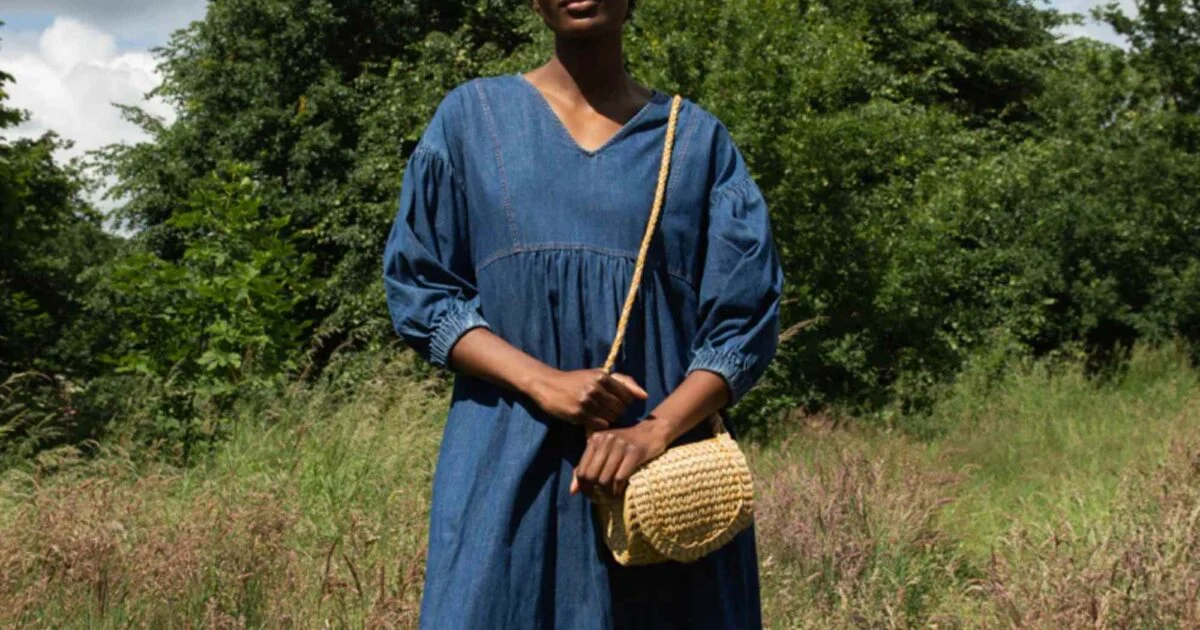
In an era where consumer consciousness increasingly shapes purchasing decisions, the global fashion industry is undergoing a profound transformation. At the forefront of this shift, Good On You, a leading authority on ethical brand ratings, has released its definitive guide to ethically-minded dresses. This curated selection aims to empower consumers to make informed choices that align with their values concerning people, the planet, and animal welfare, ensuring that a timeless wardrobe staple like the dress contributes positively to a sustainable future. The guide meticulously assesses brands based on a rigorous ratings system, offering a regional breakdown to facilitate conscious local shopping and highlight brands committed to responsible practices.
The Evolving Landscape of Fashion and the Imperative for Change
Dresses, whether chosen for professional settings or casual leisure, represent a versatile and enduring element of personal style. From the flowing elegance of silk to the breathable comfort of cotton, cupro, or linen, their appeal is universal. However, the journey of a dress from raw material to retail rack often involves complex supply chains fraught with environmental and social challenges. The conventional fashion industry, particularly the fast fashion segment, has long been criticized for its significant ecological footprint and questionable labor practices.
Globally, the apparel industry is estimated to be responsible for 8-10% of global carbon emissions, surpassing the combined emissions of all international flights and maritime shipping. This staggering figure is driven by energy-intensive production processes, reliance on fossil fuel-derived synthetic fibers like polyester, and extensive global logistics. Water consumption is another critical issue, with the production of a single cotton t-shirt requiring up to 2,700 liters of water, and jeans even more. Beyond resource depletion, textile dyeing and finishing processes release vast quantities of toxic wastewater into rivers, polluting ecosystems and endangering communities. Furthermore, the sheer volume of production leads to immense waste; an estimated 92 million tons of textile waste are generated annually, with much of it ending up in landfills, where synthetic materials can take hundreds of years to decompose.
The social dimension of fast fashion is equally troubling. Reports of sweatshop conditions, exploitative wages, and unsafe working environments in manufacturing hubs across Asia, Latin America, and Eastern Europe have cast a long shadow over the industry. Workers, predominantly women, often toil for long hours in precarious conditions for wages far below living standards, trapped in cycles of poverty. Animal welfare concerns also persist, particularly in the sourcing of materials like wool, leather, and down, where practices can be inhumane.
Against this backdrop, there has been a steady rise in consumer awareness and demand for greater transparency and accountability within the fashion sector. Over the past decade, sustainable fashion has transitioned from a niche concern to a mainstream movement. A 2023 study by McKinsey & Company indicated that 70% of global consumers consider sustainability when making purchasing decisions, with a significant portion willing to pay a premium for eco-friendly and ethically produced goods. This growing consumer mandate has spurred brands to re-evaluate their operations, leading to an expansion of ethical and sustainable alternatives.
Good On You’s Rigorous Assessment Framework
Good On You’s core mission is to bridge the information gap between consumer intent and brand practice. Their proprietary rating system offers a comprehensive, evidence-based assessment of a brand’s impact across three key areas: Planet, People, and Animals. This system leverages publicly available data, industry standards, certifications, and independent reports to assign a rating from "We Avoid" to "Great."
The "Planet" aspect evaluates a brand’s environmental policies and performance, including its use of sustainable materials (e.g., organic cotton, recycled polyester, Tencel, linen), water management strategies, waste reduction initiatives, energy efficiency, and chemical usage. Brands are assessed on their efforts to minimize greenhouse gas emissions, prevent pollution, and promote circularity through design and recycling programs.
Under "People," Good On You scrutinizes labor conditions throughout the supply chain. This includes examining policies on fair wages, safe working environments, child labor, forced labor, and freedom of association. Brands that disclose their suppliers, conduct audits, and engage in initiatives to improve worker well-being receive higher ratings. The system also considers a brand’s commitment to diversity, equity, and inclusion.
For "Animals," the rating system evaluates a brand’s policies on animal welfare, focusing on whether animal-derived materials are used, and if so, under what conditions. Brands that are vegan or use certified animal products (e.g., Responsible Down Standard, Responsible Wool Standard) fare better. Practices like mulesing in sheep farming or the use of angora, fur, and exotic skins are carefully reviewed.
This multi-faceted approach ensures that brands cannot simply greenwash their image but must demonstrate tangible commitments and verifiable progress across all critical sustainability indicators. The guide’s curation process involves identifying brands that meet stringent ethical criteria, ensuring consumers have access to truly responsible options.
Regional Showcases: Ethical Dresses for Every Continent
The Good On You guide strategically categorizes its recommendations by region, encouraging local economies and reducing the carbon footprint associated with international shipping. This geographical segmentation also highlights diverse approaches to sustainable fashion, from artisan-led initiatives in Asia to technologically advanced material innovations in Europe.
Oceania’s Eco-Chic Innovations
The fashion scene in Australia and New Zealand has seen a vibrant emergence of brands committed to ethical production and local design.
- Spell: Hailing from Byron Bay, Australia, Spell embodies a bohemian aesthetic inspired by far-off places and vintage charm. The brand is lauded for its responsible production practices, with designs conceptualized and sampled in-house before being ethically manufactured in partner factories globally. Their commitment extends to using lower-impact materials and ensuring fair labor conditions, with most garments available in sizes 2XS-2XL.
- Elk: Founded in Melbourne in 2004, Elk is a pioneer in independent Australian design. The brand’s bi-annual collections are characterized by a minimalist ethos where simplicity harmonizes with sustainability and innovation. Elk is transparent about its supply chain and prioritizes ethical sourcing, offering most items in AU sizes 6-18.
Europe’s Vanguard of Ethical Elegance
Europe has long been a hub for fashion innovation, and its ethical fashion sector is rapidly expanding, driven by strong regulatory frameworks and a sophisticated consumer base.
- Jyoti – Fair Works (Germany): This German-based brand is a beacon of social responsibility, crafting GOTS-certified cotton products. Jyoti – Fair Works is particularly noteworthy for its impactful social mission, providing employment opportunities for marginalized and disadvantaged groups in India, thereby fostering economic empowerment alongside sustainable textile production. Sizes available are S-XL.
- OMNES (UK): As a UK-based brand, OMNES is dedicated to making responsible and affordable high-quality womenswear accessible. The brand explicitly states its mission to "change the way you shop, wear and think about clothing," actively encouraging industry-wide adoption of sustainable practices. OMNES offers a wide range of styles in sizes 6-20.
The United Kingdom’s Deepening Commitment to Conscious Style
The UK boasts a dynamic landscape of ethical fashion brands, many of which are leading the way in material innovation and circular design.
- Baukjen (London): A London-based womenswear brand, Baukjen places a strong emphasis on ethical and sustainable style. The brand’s designs prioritize longevity and responsible sourcing, utilizing lower-impact and recycled materials. This approach significantly reduces the environmental footprint by minimizing chemical, water, and wastewater usage during production. Sizes range from XS-L.
- Beaumont Organic: This UK-based slow fashion brand seamlessly blends simple, elegant style with rigorous responsible production practices. Founded by Hannah Beaumont-Laurencia, the brand extends its ethical commitment through its own charitable foundation, which actively supports communities in Fiji. The range is available in sizes XS-L.
- Coco & Kandy (Bulgaria): While based in Bulgaria, Coco & Kandy contributes to the broader European ethical market with its focus on uncomplicated, high-quality clothing ideal for warm climates. The brand utilizes lower-impact materials, maintains strong traceability across most of its supply chain, and conducts regular visits to its suppliers to ensure compliance with ethical standards.
- COSSAC: Operating from the UK, COSSAC champions a minimalistic capsule wardrobe concept, offering timeless, feminine, and versatile apparel. The brand’s commitment to responsibility is evident in its exclusive use of organic or lower-impact materials and its strategy of working with small factories on limited production runs. This approach minimizes waste and deadstock, promoting a more circular fashion economy. Sizes are generally S-L.
- Indilisi: A UK-based brand, Indilisi celebrates heritage crafts and handweaving, creating distinctive clothing pieces. A key aspect of its sustainability model is the innovative use of surplus fabrics sourced from deadstock material, transforming what would otherwise be waste into unique garments.
North America’s Expanding Sustainable Horizon
North America has witnessed a significant surge in ethical brands, particularly those focused on local production, innovative materials, and strong social responsibility initiatives.
- Christy Dawn (US): This US brand is celebrated for its minimalist showroom featuring vintage-inspired women’s clothing and footwear. Christy Dawn distinguishes itself by producing its collections locally in the US using surplus fabrics, thereby reducing waste and supporting local economies. The brand has earned a "Great" rating for its comprehensive ethical practices. Available in standard sizes XS-XL, with Extended and Petite collections also offered.
- Kotn (Canada): As a Certified B Corp based in Canada, Kotn exemplifies a holistic approach to sustainability. The brand works directly with local NGOs in the Nile Delta to provide quality education for children in its farming communities, actively addressing low literacy rates. Every purchase not only delivers a beautifully crafted garment but also contributes to funding school infrastructure, materials, and teacher salaries. Kotn offers sizes XS-2XL.
- Minimalist (US): Anchored in timeless design, Minimalist presents a curated collection of women’s ready-to-wear pieces, all meticulously made in New York City. The brand is designed with end-of-life recycling in mind, aiming to be a part of the solution for a more sustainable fashion industry. It uses certified lower-impact materials and ensures fair wage and work conditions in the local factories it supports. Available in sizes XS-L.
- Whimsy + Row (US): This US-based lifestyle brand, founded in 2014, is built on a love for quality goods and responsible practices. Whimsy + Row champions sustainability through its use of deadstock fabrics and short production runs, which significantly reduce textile waste. The brand also focuses on minimizing packaging waste and conserving precious water resources in its operations. Most products are available in XS-XL, with an extended sizing range up to 3XL.
Asia’s Artisan-Led Sustainability Initiatives
Asia, often at the heart of global garment manufacturing, is increasingly home to brands that are re-envisioning production through ethical lenses, often leveraging rich artisanal traditions.
- The Summer House (India): This Indian brand creates exquisite womenswear using locally made, lower-impact fabrics. The Summer House is deeply committed to its community, partnering with local artisans and NGOs to provide economic opportunities and preserve traditional crafts in the region. Their collections are characterized by elegant prints and flowing silhouettes, available in sizes XS-XL.
- No Nasties (India): Another leader in responsible fashion, No Nasties produces simple and stylish clothing from Fairtrade organic cotton in India. The brand is actively involved in growing the ethical consumer market within India, advocating for sustainable practices and fair trade principles. Styles are available in sizes 2XS-3XL.
- SeamsFriendly (India): SeamsFriendly stands out for its commitment to creating beautiful tailored pieces for all body types, emphasizing function and utility in its designs. The brand exclusively uses lower-impact materials like organic cotton and linen. Uniquely, SeamsFriendly offers extensive customization options, allowing shoppers to personalize neck styles, depths, sleeve lengths, garment lengths, fabrics, and more, ensuring a perfect, made-to-measure fit for every customer. Their product sizing is customisable for womenswear (bust 26″-70″, waist 19″-63″, including petite, regular, and tall heights) and menswear (chest 34″ to 76″ and above), with a kids range also available.
- Dorsu (Cambodia): Based in Cambodia, Dorsu focuses on creating everyday basics and key signature favorites that form the foundation of any conscious wardrobe. The brand prioritizes ethical production and community impact in its local manufacturing processes. The full range is available in XS-XL.
- I was a Sari (India): This innovative Indian brand gives new life to traditional styles by upcycling used saris and deadstock fabrics. The result is vibrant, unique products that are sold worldwide, combining cultural heritage with circular fashion principles. Pieces are available in sizes S-L.
- OhSevenDays (Australia-Canada, based in Istanbul): Founded by Australian-Canadian Megan Mummery, OhSevenDays promotes slow fashion and the "power of circularity." The brand is based in Istanbul and uniquely reclaims end-of-roll fabrics from the city’s garment factories, transforming fast fashion’s leftovers into sharp, wearable, and responsible everyday womenswear. OhSevenDays garments are available in sizes XS-XL, with custom sizing options also offered.
Broader Implications and the Future Trajectory of Fashion
The emergence and popularization of guides like Good On You’s ethical dress compilation carry significant implications for the broader fashion industry. Firstly, they empower consumers, shifting the narrative from passive consumption to active, informed participation. By providing clear, accessible information, these platforms enable individuals to vote with their wallets, directly supporting brands that align with their ethical priorities. This collective consumer power creates market pressure, compelling larger, more traditional fashion houses to invest in sustainable practices and greater transparency.
Secondly, these guides highlight best practices, showcasing innovative approaches to material sourcing, waste reduction, and fair labor. This serves as a blueprint for emerging brands and a challenge for established ones to elevate their standards. The emphasis on lower-impact materials, circular design principles, and local production models demonstrates viable pathways to a more responsible industry.
However, challenges remain. Greenwashing—where brands deceptively market themselves as sustainable without substantive changes—continues to be a threat. Good On You’s rigorous, independent verification process helps mitigate this, but ongoing vigilance is crucial. Furthermore, scaling sustainable production to meet global demand while maintaining ethical integrity is a complex undertaking. Ensuring that ethical fashion remains accessible and affordable to a wide consumer base, without compromising on quality or worker welfare, is another significant hurdle.
Ultimately, the future of fashion lies in a collaborative effort between conscious consumers, transparent brands, and robust regulatory frameworks. As awareness continues to grow, the demand for truly ethical and sustainable options, exemplified by the thoughtful curation in Good On You’s guide, will only intensify. The journey of a dress, from its fabric origins to its place in a wardrobe, is becoming a testament not just to style, but to a profound commitment to a better world. This guide serves as a critical resource, helping individuals wear the change they wish to see, one dress at a time.