


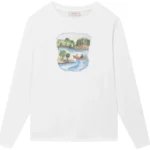


The mid-to-late 2010s witnessed a pervasive trend in luxury fashion: the ascent of the logo-emblazoned sweatshirt. Brands like Balenciaga commanded prices of $500 to $2,500 for garments whose primary appeal lay in the conspicuous display of their name across the chest. This era of overt branding, characterized by what many perceived as overpriced and generic items, has largely receded. This shift in consumer perception and purchasing behavior in fashion raises a critical question: how will the decline of the "label game" impact the world of luxury watches, where brand prestige has long been a cornerstone of value?

For years, the luxury watch industry has relied heavily on brand recognition and the perceived status associated with owning a particular timepiece. However, a growing sentiment suggests that the intrinsic value – the craftsmanship, materials, and performance – of many high-priced watches is no longer commensurate with their cost. This disconnect is becoming increasingly apparent as consumers, particularly those with substantial disposable income, begin to question the tangible benefits offered by watches that can cost tens of thousands of dollars, yet feel underwhelming to the touch or in their functionality.
The Erosion of Perceived Value: A Growing Discontent
Across numerous interactions and reviews, a recurring theme has emerged: a significant percentage of expensive wristwatches are perceived as “cheaply made,” “cheap feeling,” or simply “underwhelming” by individuals who own or are exposed to four- and five-figure timepieces. This observation is not based on a single instance but on a consistent pattern observed over years of handling, evaluating, and discussing luxury watches.

This phenomenon appears to be closely linked to the broader fashion trend of the late 2010s. Just as the high-priced, logo-centric sweatshirts offered little beyond brand recognition, many luxury watches seem to prioritize brand cachet over demonstrable quality or a superior wearing experience. The allure of owning a prestigious brand, once a sufficient justification for exorbitant prices, is increasingly being scrutinized against the actual physical and functional attributes of the product.
One stark example highlighted involves a Rolex Oyster Perpetual priced at $9,650. The criticism leveled against this particular model points to a “CNC-etched” crown instead of an applied one, a detail often considered indicative of a lower level of finishing, especially at this price point. This suggests that even established luxury brands may be making concessions in craftsmanship that are noticeable to discerning consumers, thereby undermining the perceived value proposition.

The Shift from Product to Brand: A Changing Consumer Landscape
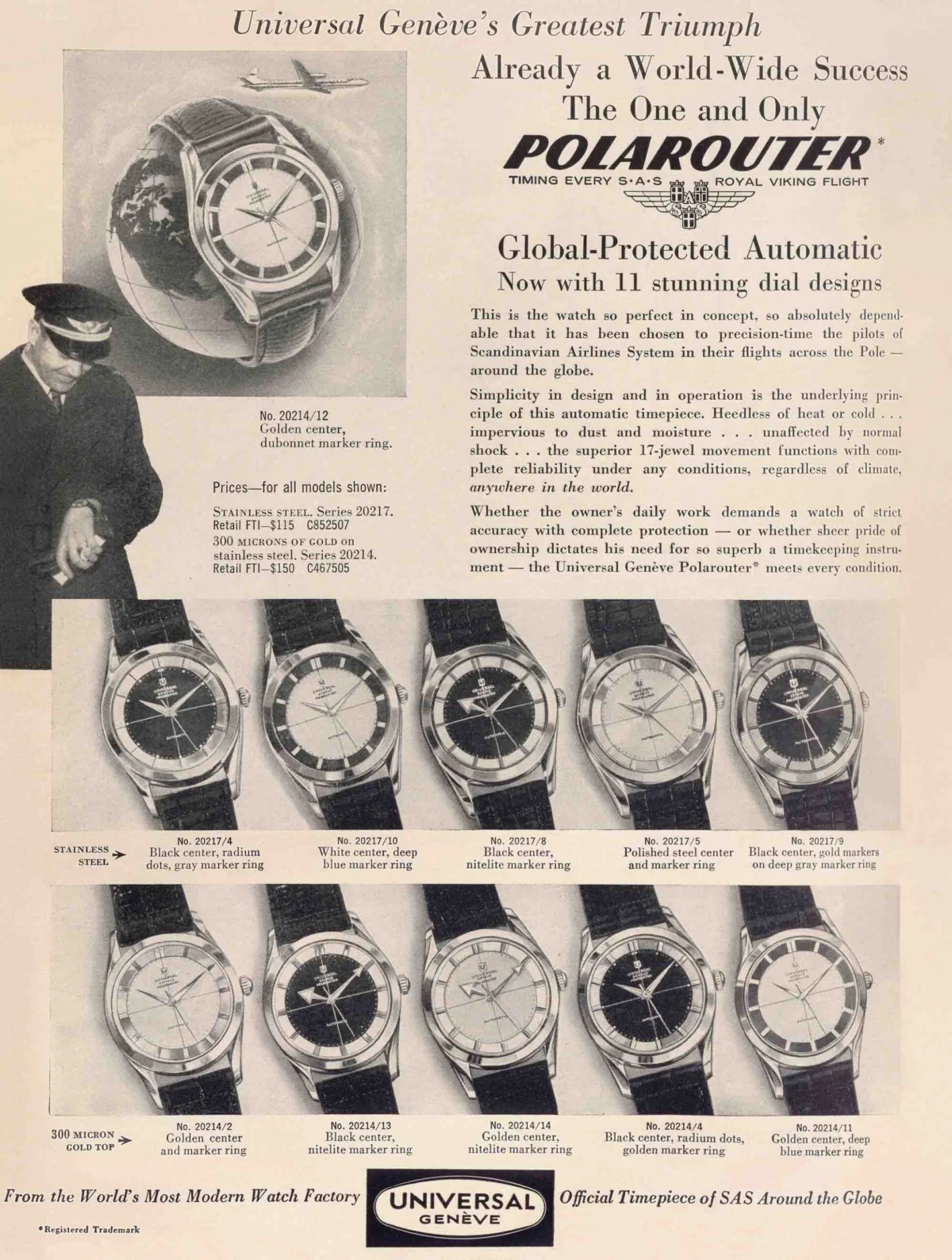
Historically, the consumer’s journey in purchasing a watch was often driven by functional needs and preferences. In the mid-to-late 20th century, individuals would seek out a watch for specific purposes: water resistance, shockproof capabilities, a chronograph function, or suitability for diving. They would then compare available options from various brands based on value, design, and functionality, with the brand often being a secondary consideration.
Today, the paradigm has shifted dramatically. Consumers are increasingly identifying with a brand they "like" or wish to associate with, and then seeking out a product within that brand’s portfolio. This brand-first approach means that consumers may purchase a watch with features they do not necessarily need, simply because it carries the desired brand name. For instance, a person might acquire a Breitling Navitimer, not for its slide-rule chronograph function, but because it is an iconic Breitling model. Similarly, the desire for a Rolex can lead to the purchase of a Yacht-Master 40 in Rolesium, not because of any particular appreciation for the steel and platinum combination, but simply because it is a Rolex. In such cases, craftsmanship, real-world functionality, and material choices often become secondary concerns.

This evolution in consumer behavior has necessitated a significant pivot for the watch industry. Major brands have had to become adept at "branding" as a core strategy. While this has always been important, it has taken on paramount significance since the late 2000s and early 2010s. When branding becomes the primary driver of consumer choice, the question arises: to what extent are these companies dedicating resources and attention to the actual product itself?
The High Cost of Brand-Centricity: Examples of Perceived Undervaluation
The focus on brand over substance can lead to pricing strategies that appear disconnected from the tangible value offered. A prime example cited is a Cartier Privé Tank Normale watch, priced at $37,600. This model is noted for having a technically mediocre movement and a minimalist case design. As observed in a related review, this Privé model costs more than double a solid-gold Tank Louis with a manual-wind movement from the same brand. The justification for this premium is primarily attributed to the "Privé collection" being aimed at dedicated collectors willing to pay for exclusivity and historical significance, rather than for superior technical execution or materials.

The article highlights the stark contrast by comparing this Cartier to a Longines solid 18k gold watch with a self-winding movement, priced at $5,950. This comparison suggests that the Cartier name and its "Privé" label command a value that is approximately six times that of a comparable solid gold timepiece from a different reputable brand. This raises concerns about "highway robbery" and the potential for brands to leverage their heritage and brand perception to justify prices that far exceed the product’s intrinsic worth.
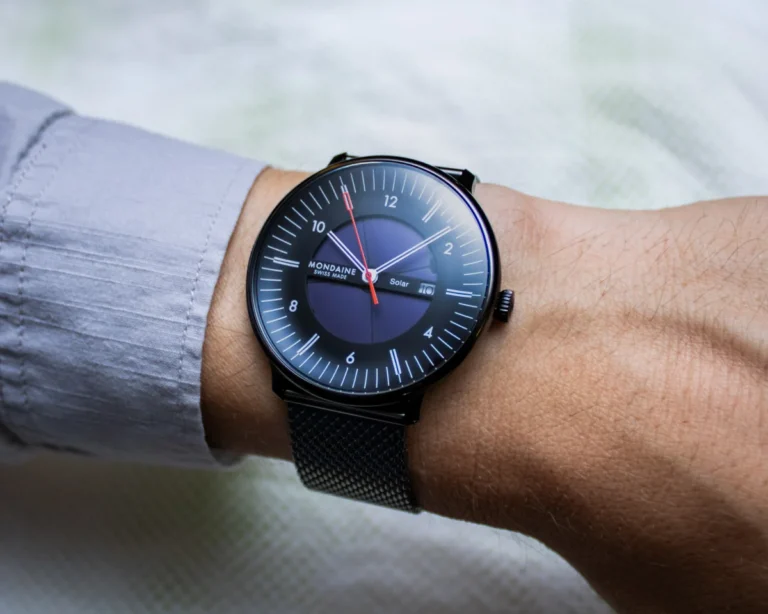
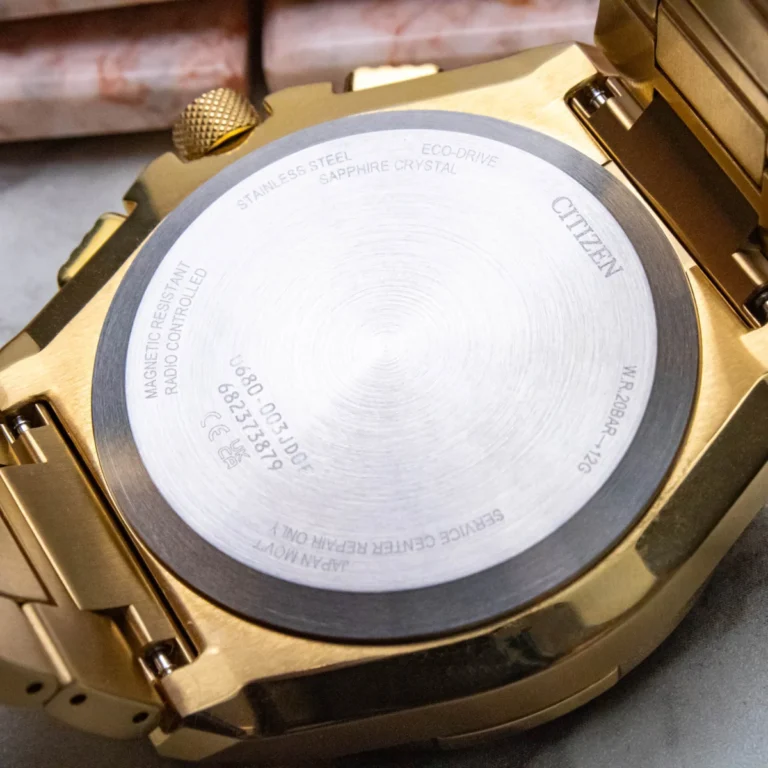
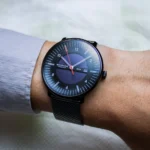
Another example illustrates this point with a $37,500 watch featuring an ultra-thin platinum case and a textured, ice-blue dial. This description, often associated with high-end luxury, is then revealed to be a $375 Citizen watch. Similarly, a $57,800 Van Cleef & Arpels timepiece is contrasted with a $700 Venezianico, implying that the design and aesthetic appeal, while not inherently tied to exorbitant costs, are being used to justify massive price markups in the luxury segment.

The Challenge of "Stealth Wealth" and Underdelivered Value
The concept of "stealth wealth" – the idea of possessing luxury items that are not ostentatiously branded but are still highly exclusive and expensive – should, in theory, place a greater emphasis on craftsmanship and intrinsic quality. However, the article argues that this need not equate to low-effort execution. Historically, watchmakers have employed a vast array of intricate techniques to decorate timepieces, from sophisticated engraving to complex enameling and gem-setting. The current trend where many watches, regardless of price point, appear similar in terms of materials, quality of execution, and chronometrical performance, suggests a missed opportunity.
The prices in the luxury watch segment have seen significant increases, often between 50% to 200% over just a few years. Yet, the innovations offered in return have often been incremental, such as micro-adjustment systems for bracelets or extended power reserves. This perceived lack of substantial improvement in the core product, coupled with rising prices, further fuels the sentiment that consumers are not receiving adequate value for their investment.

The Role of Photography and Perception
An interesting point raised is the ability of affordably priced watches ($100-$500) to be photographed in a way that makes them appear visually comparable to, or even superior than, many $10,000-$30,000 watches. While photography skills play a role, this observation also points to the inherent qualities of watches at different price tiers. It is difficult, if not impossible, to make a basic Swatch look like a $10,000 watch through photography alone. However, a $500 watch can, with skillful photography, be presented in a manner that suggests a significantly higher value. This highlights how visual presentation can sometimes mask or exaggerate the actual quality of a product, especially in an industry where tangible differences can be subtle to the untrained eye.
The Future of Luxury Watches: A Return to Intrinsic Value?
The author posits that legacy watch brands need to elevate their game in terms of quality of execution, craftsmanship, and the inclusion of intricate details. The increasing reliance on brand ambassadors and high-profile partnerships, while a staple of marketing, might be seen as a cost-saving measure if it comes at the expense of product development and refinement.

The core argument is that the era of prioritizing brand perception above all else may be drawing to a close. As consumers become more discerning, and the "label game" loses its dominance, the focus is likely to shift back to the actual item. The author expresses a hope that when an expensive watch is presented, the reaction will be one of genuine admiration for its intricacy and quality – a "wow" moment – rather than one of confusion and questioning the exorbitant price.
The ability of watches priced from $700 to $37,000 to appear visually similar is a concern. This suggests that traditional decorative techniques and modern manufacturing technologies are not being fully leveraged to differentiate products and justify premium pricing. Ultimately, the author concludes, it will be the consumer’s decision to "vote with their wallets" against underwhelming and overpriced watches that will drive change.

The watch industry, like many luxury sectors, has always capitalized on consumers’ desires and dreams attached to products. However, the current trend of severely overcharging while under-delivering on tangible value may not be sustainable in the long term. The eventual decline of the "brand is everything" mentality could usher in an era where the actual craftsmanship, innovation, and enduring quality of a timepiece are once again the primary determinants of its value and desirability.