







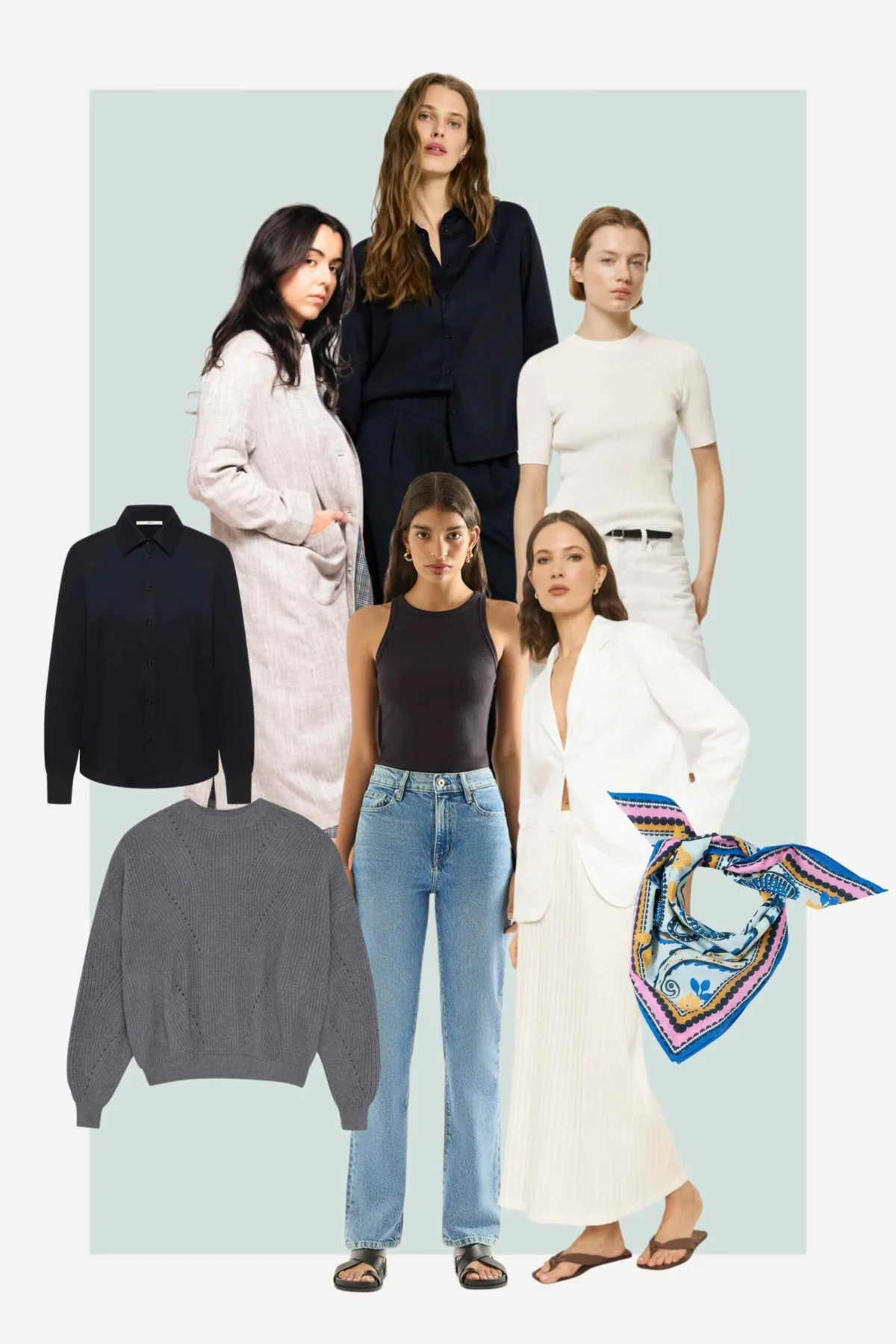
The landscape of professional attire is undergoing a significant transformation, driven by a global surge in conscious consumerism. As individuals increasingly seek to align their purchasing decisions with their personal values, the demand for sustainable workwear has never been higher. Leading this charge in providing actionable insights are the co-founders of Good On You, Sandra Capponi and Gordon Renouf, who have unveiled their expert recommendations for building a sustainable capsule workwear wardrobe. Their selections, drawn from 16 brands rigorously assessed as "Good" or "Great" by Good On You’s independent ratings system, offer a roadmap for professionals looking to make an impression without compromising their ethical principles.
Good On You, established a decade ago, has positioned itself as a pivotal resource in the ethical fashion movement. The platform’s core mission is to empower consumers to make informed choices by simplifying complex sustainability information. This involves aggregating comprehensive, transparent data on fashion and beauty brands’ environmental, labour, and animal welfare impacts, assessed through a leading methodology developed by diverse experts. With a directory encompassing over 6,000 fashion and hundreds of beauty brands, Good On You applies a straightforward five-point rating scale, spotlighting brands that demonstrate significant contributions to sustainable practices. This rigorous vetting process ensures that any brand featured, particularly in sponsored content like the co-founders’ current picks, genuinely meets high standards of responsibility.
The Decade-Long Journey of Ethical Advocacy
Sandra Capponi and Gordon Renouf’s journey began with a shared vision: to demystify the sustainability claims of fashion brands and provide consumers with the tools to shop more ethically. Over the past ten years, their work at Good On You has involved countless meetings, business journeys, and interactions with small, ethical brands, alongside relentless advocacy for consumer rights to transparency regarding fashion and beauty brands’ impact. This extensive experience has endowed them with a unique perspective on what constitutes effective, stylish, and truly sustainable workwear. They understand not only the aesthetic requirements for professional settings but, crucially, where to find brands that are genuinely committed to meaningful sustainability initiatives and accountability.
The timing of these recommendations aligns with a broader industry shift. According to recent market analyses, the global sustainable fashion market was valued at approximately $8.2 billion in 2023 and is projected to reach nearly $30 billion by 2030, growing at a compound annual growth rate (CAGR) of over 19%. This growth is fuelled by increasing consumer awareness of fashion’s environmental footprint, which includes significant contributions to greenhouse gas emissions, water pollution, and textile waste. The average consumer now seeks not just quality and style, but also a demonstrable commitment to ethical production, fair labour practices, and reduced environmental impact.
The "Buy Less, Buy Better" Philosophy in Practice
Central to Good On You’s philosophy, and indeed to the concept of a sustainable capsule wardrobe, is the mantra "buy less, buy better." This approach encourages consumers to invest in fewer, higher-quality items that are designed to last, reducing overall consumption and waste. A capsule wardrobe, typically comprising versatile, timeless pieces that can be mixed and matched to create numerous outfits, perfectly embodies this principle. By focusing on durable materials, classic designs, and ethical production, professionals can cultivate a wardrobe that is both stylish and environmentally conscious, effectively minimizing their fashion footprint.
The environmental implications of fast fashion are stark. The industry is responsible for up to 10% of global carbon emissions, more than international flights and maritime shipping combined. Textile production also consumes vast amounts of water, with an estimated 2,700 liters needed to produce a single cotton t-shirt. Furthermore, a significant portion of clothing ends up in landfills, where synthetic fibres can take hundreds of years to decompose. Opting for "Good" or "Great" rated brands, as recommended by Capponi and Renouf, directly counteracts these detrimental impacts by supporting companies committed to reducing waste, conserving resources, and using lower-impact materials.
Sandra Capponi’s Curated Selections: Blending Comfort and Luxury
Sandra Capponi, co-founder of Good On You, articulates a personal style that prioritizes "minimalist comfort with a touch of luxury in the fabrics and detailing." Her approach to workwear, particularly when working from home, revolves around versatile pieces that can transition seamlessly between professional engagements and casual comfort. Her selections reflect a deep understanding of sustainable materials and brands that excel in their ethical commitments.
Capponi’s go-to items include textured tees, premium jeans, slip dresses layered with cozy knits, and classic shirts. She emphasizes the versatility of a classic shirt, capable of elevating a casual look or projecting "boss vibes." For playful accents, she occasionally incorporates pieces from brands like LA-based Whimsy + Row. Her colour palette is predominantly neutral, featuring a significant amount of black – a nod to her Melbourne roots – which facilitates effortless mixing and matching, further supporting the capsule wardrobe concept.
Investment in quality, lower-impact fibres is a cornerstone of Capponi’s philosophy. She highlights linen, organic cotton, RWS wool, and TENCEL Lyocell. Each of these materials offers distinct sustainability advantages:
- Organic Cotton: Grown without harmful synthetic pesticides or fertilizers, organic cotton cultivation typically uses less water than conventional cotton and promotes healthier soil biodiversity.
- Linen: Derived from the flax plant, linen is known for its durability, breathability, and requires minimal water and pesticides to grow. It is also biodegradable.
- RWS (Responsible Wool Standard) Wool: This certification ensures that wool comes from sheep that have been treated humanely and from farms that manage their land responsibly. It addresses animal welfare and land management practices.
- TENCEL Lyocell: A cellulosic fiber made from sustainably sourced wood pulp, TENCEL Lyocell production uses a closed-loop system that recycles water and solvents, making it highly resource-efficient and environmentally friendly.
Capponi cherishes items with subtle details like ribbing or decorative stitching, appreciating the craftsmanship involved. She specifically names amt.studio, Artknit Studios, and Lanius as labels that perfectly combine style, values, and sustainability, often discovered during her regular trips to Europe where she connects with her team and heritage. Her practical advice for quick exits includes throwing on a timeless duster, such as a "gorgeous one from FRSKÉ," paired with loafers and a vintage scarf for a pop of color and warmth, often sourced from her mother’s collection—a testament to the enduring value of second-hand and heirloom pieces.
Among her specific recommendations:
- Outland Denim Zoe Straight Jeans: An Australian label trusted by Capponi for over a decade, known for its ethical production and premium denim. Outland Denim is rated "Good" by Good On You for its strong labour rights and environmental initiatives.
- Artknit Studios Organic Cotton Ribbed Tee: A brand focusing on transparency and sustainable materials, offering essentials like this organic cotton tee. Artknit Studios holds a "Good" rating.
- amt.studio Suave Jersey Sweater: A European brand aligning with Capponi’s preference for quality fabrics and minimalist design. amt.studio is rated "Good" for its environmental practices and fair labour.
- Lanius TENCEL Shirt and Printed Scarf: Lanius is a German brand with a strong commitment to organic and sustainable materials, reflected in its "Good" rating.
- Whimsy + Row Jada Skirt: An LA-based brand celebrated for its eco-friendly practices and stylish, playful pieces, rated "Good."
- FRSKE Oko Duster Coat: A brand known for its sustainable outerwear, providing a timeless and ethically produced layering option. FRSKÉ maintains a "Good" rating.
Gordon Renouf’s Strategic Picks: Sustainable Menswear Essentials
Gordon Renouf’s selections for men’s workwear implicitly reflect a focus on foundational, durable, and ethically produced pieces that form the backbone of a practical and sustainable wardrobe. While his personal commentary is not as detailed as Capponi’s in the original brief, the brands he endorses are consistent with Good On You’s rigorous standards, emphasizing quality, longevity, and responsible sourcing.
Renouf’s recommendations span a range of menswear essentials, from casual tees and jeans to more structured shirts and versatile accessories, all from brands rated "Good" or "Great":
- Brothers We Stand Organic Cotton T-Shirt: A UK-based retailer and brand dedicated to showcasing ethical and sustainable menswear, ensuring transparency in their supply chain. Brothers We Stand is rated "Great."
- Neem London Recycled Denim Shirt: Neem London focuses on circularity and uses innovative recycled materials in its sophisticated menswear, earning it a "Good" rating.
- Carpasus Chinos: Carpasus specializes in sustainable menswear, particularly shirts and trousers made from organic and recycled materials, holding a "Good" rating.
- Kings Of Indigo Charles Jeans: A pioneer in sustainable denim, Kings Of Indigo is known for its commitment to eco-friendly production methods and materials, rated "Good."
- COG Topsy Sneakers: Footwear from brands like COG focuses on sustainable materials and ethical manufacturing, providing an eco-conscious option for casual work environments.
- Opera Campi Hemp Polo Shirt: Opera Campi utilizes innovative, sustainable fabrics like hemp, which is known for its durability, minimal water requirements, and soil-enriching properties. Opera Campi is rated "Good."
- Casagin TENCEL Boxers: Casagin offers undergarments made from sustainable materials like TENCEL, prioritizing comfort and environmental responsibility, rated "Good."
- Lefrik Roll Backpack: Lefrik specializes in bags and accessories made from recycled materials, particularly PET bottles, offering durable and stylish options for the conscious commuter. Lefrik has a "Good" rating.
- Citizen Wolf Hemp T-Shirt: Citizen Wolf is an Australian brand offering custom-fit t-shirts made from sustainable fabrics like hemp, focusing on reducing waste through made-to-order production. Citizen Wolf is rated "Good."
- Conscious Step Socks: Known for their mission-driven products, Conscious Step produces socks from organic cotton, with each purchase supporting various social and environmental causes. Conscious Step is rated "Good."
The Implication for Consumers and the Industry
The release of these expert-curated picks from Good On You’s co-founders carries significant implications for both consumers and the broader fashion industry. For consumers, it provides a trusted, independently verified guide through the often-confusing landscape of sustainable claims, effectively cutting through greenwashing. This empowers individuals to invest in pieces that not only meet their stylistic and functional needs but also align with their desire for a more responsible wardrobe. The emphasis on "buy less, buy better" encourages a shift away from disposable fashion towards mindful consumption, promoting greater longevity and reducing waste.
For the fashion industry, such endorsements from influential platforms like Good On You reinforce the growing imperative for transparency and genuine sustainability. Brands that achieve "Good" or "Great" ratings gain a competitive advantage in a market increasingly swayed by ethical considerations. This creates a positive feedback loop, encouraging more brands to adopt sustainable practices, invest in innovative materials, improve labour conditions, and commit to circular economy principles. The collective impact of informed consumer choices, guided by platforms like Good On You, is gradually reshaping industry standards and driving a more ethical and environmentally sound future for fashion. As the demand for conscious consumption continues to rise, the insights from pioneers like Sandra Capponi and Gordon Renouf will remain invaluable for navigating this evolving landscape.