
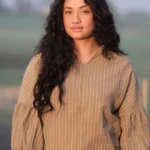





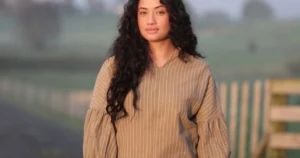

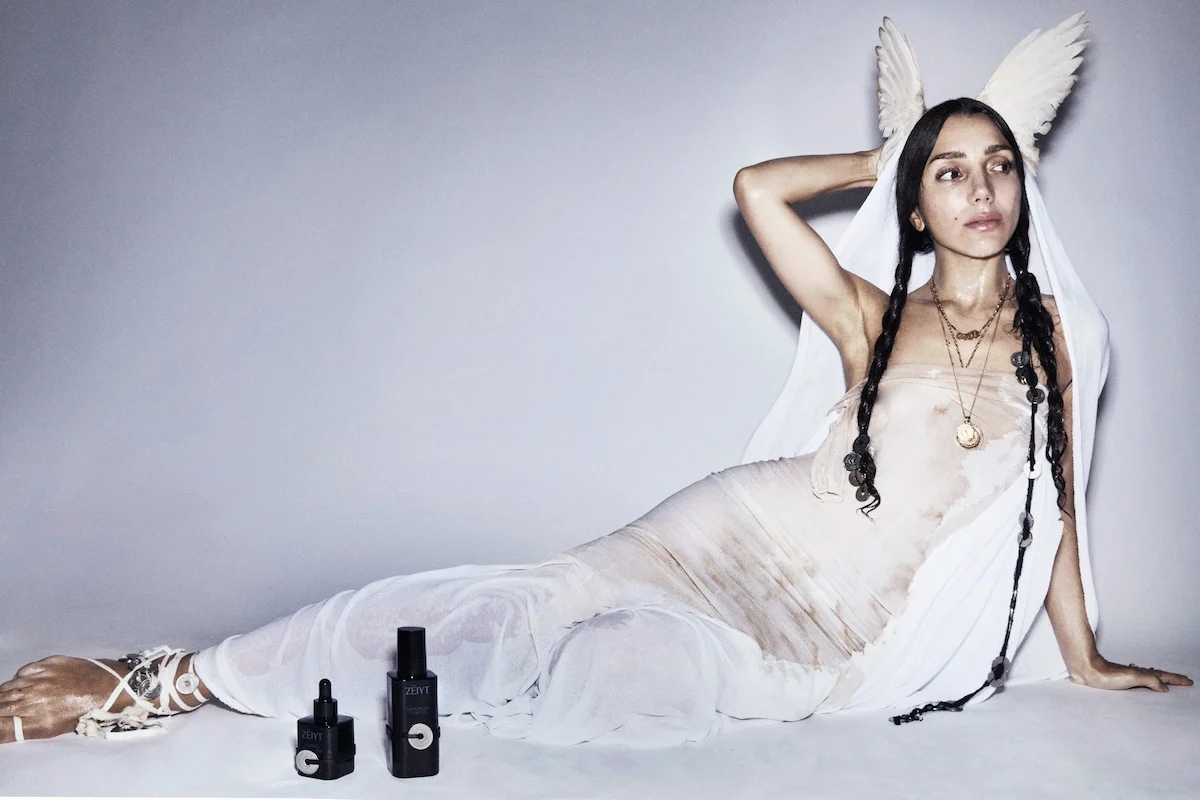
Gina Dirawi, the acclaimed Swedish-Palestinian television personality, comedian, and artist, has embarked on a deeply personal and culturally significant venture with the launch of ZÉIYT, a new olive oil brand. More than just a commercial enterprise, ZÉIYT is a homage to Dirawi’s heritage, a testament to intergenerational wisdom, and a direct channel for economic support to Palestinian farmers. The brand’s name itself is a fusion of the Arabic word for oil, zayt, and the surname of her grandmother, Zeyab, symbolizing a profound connection to family and ancestral land. This initiative transcends the mere offering of a product; it weaves a narrative of rediscovery, resilience, and the enduring power of Palestinian identity.
Dirawi’s journey to establishing ZÉIYT is rooted in a transformative personal experience that brought her full circle to the traditions of her upbringing. Growing up, Dirawi recalls her grandmother, Fatima, a figure of enduring wisdom, routinely surrounded by bowls of olive oil. For Fatima, olive oil was a panacea, a versatile elixir used for everything from culinary delights to skincare and haircare. "I thought [the bowls of oil were] pretty disgusting back then," Dirawi recounts with a laugh, reflecting on her youthful skepticism. Her grandmother’s steadfast assertion, "this heals everything," often fell on deaf ears during Dirawi’s formative years in Sweden, a period where the traditional practices seemed out of step with contemporary norms.
A Personal Odyssey: From Skepticism to Revelation
The turning point for Dirawi arrived after years spent navigating the demanding landscape of the entertainment industry. The relentless cycle of professional engagements, coupled with frequent hair treatments and bleaches, took a significant toll on her health and appearance. A severe health crisis, including a battle with sepsis, led to considerable hair loss and peeling skin, prompting a critical reassessment of her lifestyle and beauty regimen. This period of vulnerability spurred a return to her roots, both literally and figuratively.
Upon visiting Palestine, Dirawi was struck by the vibrant health of the local women’s hair. Long, thick, and lustrous, it stood in stark contrast to her own compromised condition. When she inquired about their secret, the answer was unanimous and simple: "we oil it." This collective wisdom echoed her grandmother’s long-forgotten advice. Embracing the practice herself, Dirawi began to apply olive oil to her skin and hair. The results were not merely cosmetic; her curls, once damaged, began to return, and her skin regained its vitality. More profoundly, this physical restoration catalyzed a psychological shift. Growing up in Sweden, Dirawi had harbored a complicated relationship with her natural hair, finding it unruly and believing it "took up too much space." The process of oiling became an act of self-acceptance, transforming her perception of a feature she once deemed "ugly" into a source of pride and connection to her heritage.
The Olive Tree: A Pillar of Palestinian Identity and Economy
The profound personal transformation Dirawi experienced illuminated the deeper cultural significance of olive oil. Her subsequent research revealed that the olive tree is far more than an agricultural commodity in Palestine; it is a sacred emblem, deeply interwoven into the fabric of Palestinian identity, history, and resilience. "You can see it in our poetry, our music – people protect the olive trees with their life, almost like it’s a family member," Dirawi explains, underscoring the tree’s revered status.
Olive cultivation in the Levant dates back millennia, with evidence suggesting its presence in the region for over 6,000 years. For Palestinians, the olive tree symbolizes steadfastness (sumud), connection to the land (ard), and continuity across generations. Its roots run deep, mirroring the indigenous population’s enduring presence on the land. Historically, olive oil has been a cornerstone of the Palestinian economy. According to various agricultural reports, the olive sector typically contributes significantly to Palestinian agricultural output and exports. For example, in recent years, olive oil has accounted for a substantial portion of Palestine’s agricultural exports, providing livelihoods for tens of thousands of families, particularly in the West Bank. The economic contribution extends beyond direct sales, supporting ancillary industries such as pressing, packaging, and local markets.
Sourcing with Purpose: Navigating Challenges in the West Bank
Dirawi’s commitment to her heritage extended to the sourcing of ZÉIYT’s products. She was adamant about obtaining olives directly from Palestine, specifically the West Bank, to ensure that her venture directly supported Palestinian farmers. This decision, while ethically driven, was fraught with logistical and political challenges. After facing years of bureaucratic hurdles and communication setbacks, Dirawi made the pivotal decision to travel to the West Bank herself. "I was sick of the back and forth for years. I needed to just go there and talk to people and get my oil," she stated, highlighting her unwavering determination.
Her visit was an emotionally charged experience. Dirawi encountered farming families who had tended their groves for generations, their knowledge passed down through an unbroken lineage. She walked among trees that had stood for centuries, some dating back an astonishing 3,000 years. These ancient trees, witnesses to millennia of history, produce oil with unique characteristics and a rich, robust flavor profile often attributed to their deep root systems and adaptation to the local terroir. The encounter was overwhelming. "I just burst into tears because it’s been such a tough and hard process, but also so meaningful," she recalled, reflecting on the culmination of her arduous journey.
The Enduring Struggle: Protecting the Olive Harvest
The decision to source from the West Bank also means confronting the harsh realities faced by Palestinian olive farmers. These communities have long been subjected to significant hardships, including land confiscation, restricted access to their groves, water scarcity, and acts of violence. Reports from humanitarian organizations consistently document these challenges. For instance, the UN Office for the Coordination of Humanitarian Affairs (OCHA) has repeatedly highlighted the severe impact of settler violence and Israeli military actions on Palestinian agriculture. In recent years, OCHA reports have documented numerous attacks targeting Palestinian olive groves and farmers, particularly during the critical harvest season. These incidents have included destruction of trees, vandalization of property, physical assaults on farmers, and disruptions to harvesting activities, leading to injuries and significant economic losses for vulnerable communities. While the specific "86 attacks in 2025" mentioned in the original context likely refers to a typo for a past year or a projection, the underlying reality of such attacks is a well-documented, ongoing crisis. Such violence not only impairs livelihoods but also constitutes a direct assault on Palestinian identity and connection to their land.
Despite these immense pressures, the olive tree endures as a powerful symbol of Palestinian resilience. Its deep roots, ability to thrive in challenging conditions, and longevity mirror the steadfastness of the Palestinian people. Olive oil remains one of Palestine’s most vital exports, not just for its economic value but also as a cultural ambassador, carrying the story of the land and its people to the world. Dirawi recognizes this profound symbolism: "I think it’s more important than ever that we Palestinians can show something beautiful, when we always see so much sadness connected to our identity." ZÉIYT, therefore, is an act of defiance, a statement of hope, and a vehicle for cultural affirmation.
ZÉIYT’s Mission: Empowerment, Heritage, and Healing
ZÉIYT’s mission extends beyond simply selling olive oil; it is a holistic endeavor to honor and uplift Palestinian heritage. The brand’s product lines are named after Dirawi’s grandmothers, further cementing the intergenerational wisdom and female lineage that inspired its creation. This deliberate naming convention pays tribute to the women whose knowledge first imparted an understanding of the oil’s healing properties and its central role in family life.
In a broader context, ZÉIYT represents a growing movement of diasporic individuals connecting with their ancestral lands through entrepreneurship. By creating a direct link between Palestinian farmers and global consumers, ZÉIYT contributes to economic empowerment within communities that often face systemic disadvantages. It offers an alternative narrative to the predominantly negative portrayals of Palestine in mainstream media, showcasing the richness of its culture, the resilience of its people, and the quality of its products.
The brand also taps into the increasing global demand for ethically sourced, natural, and culturally authentic products. Consumers worldwide are increasingly seeking transparency in supply chains and a deeper connection to the origins of what they purchase. ZÉIYT’s commitment to hand-picked olives from ancient trees, coupled with its direct support for farmers in the West Bank, positions it as a brand that resonates with conscious consumers. The health benefits of extra virgin olive oil, rich in antioxidants, polyphenols, and monounsaturated fatty acids, are well-documented, further enhancing its appeal as a premium product for both culinary and cosmetic use.
Ultimately, ZÉIYT embodies a powerful synthesis of personal healing, cultural preservation, and economic justice. It is a testament to Gina Dirawi’s journey of rediscovery and her unwavering commitment to her heritage. By honoring the olive tree, the land, and the enduring spirit of Palestinian families, ZÉIYT works to foster a deeper appreciation for a product that connects land, people, and identity across generations, offering a beacon of beauty and resilience in challenging times.