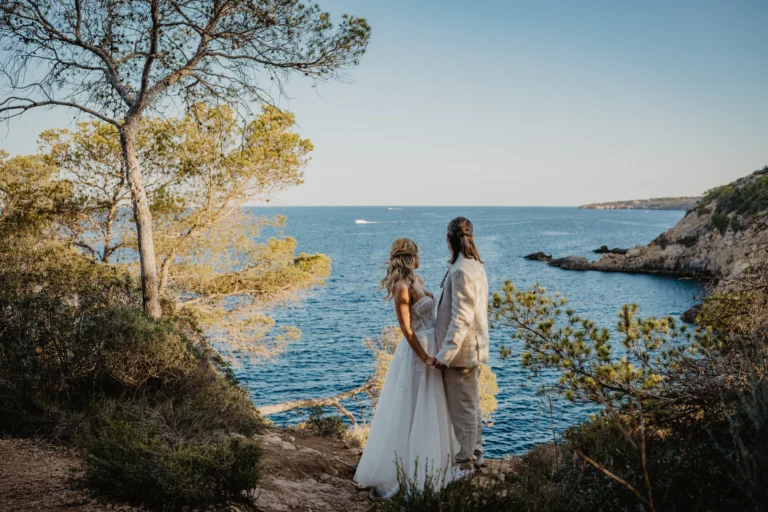







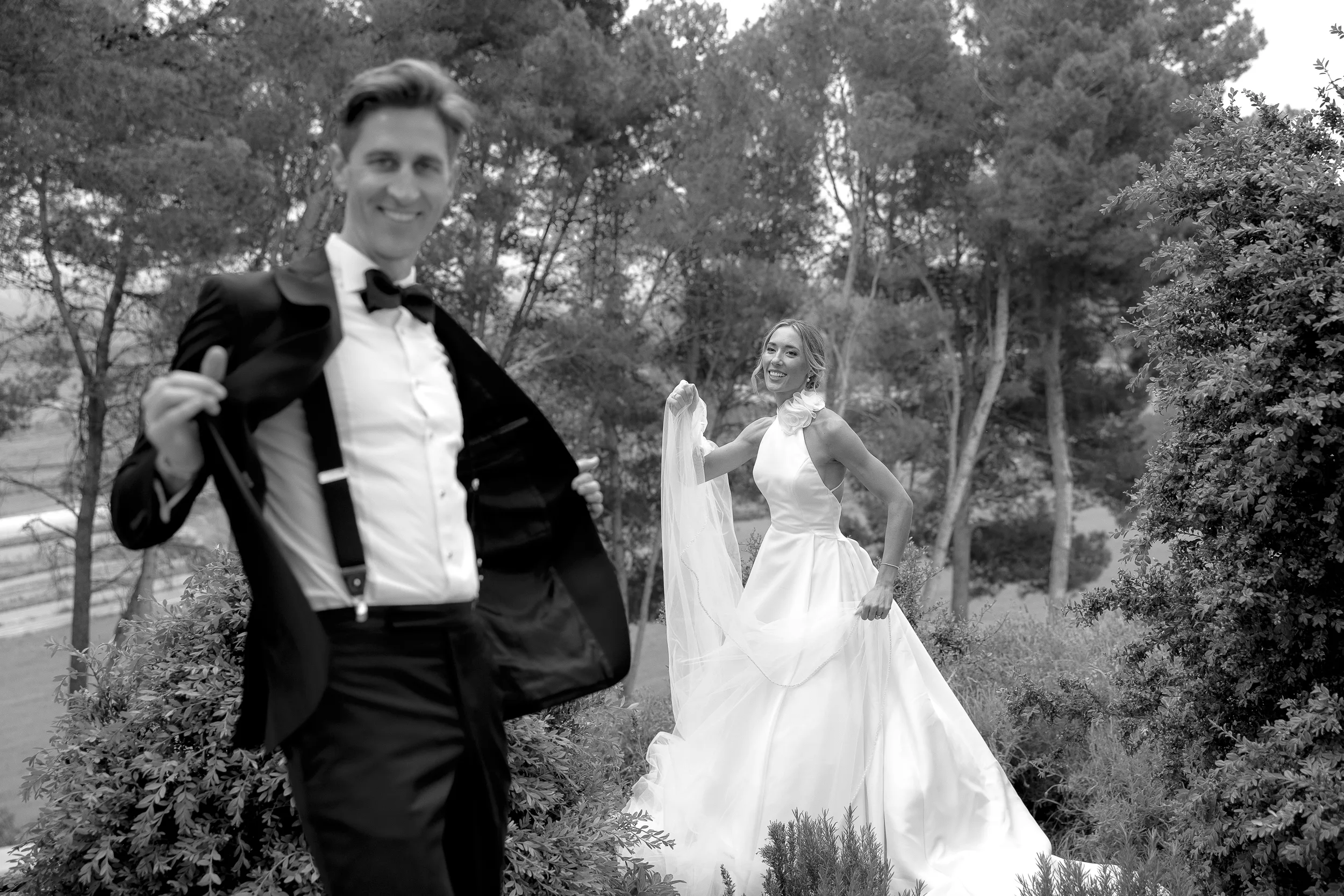
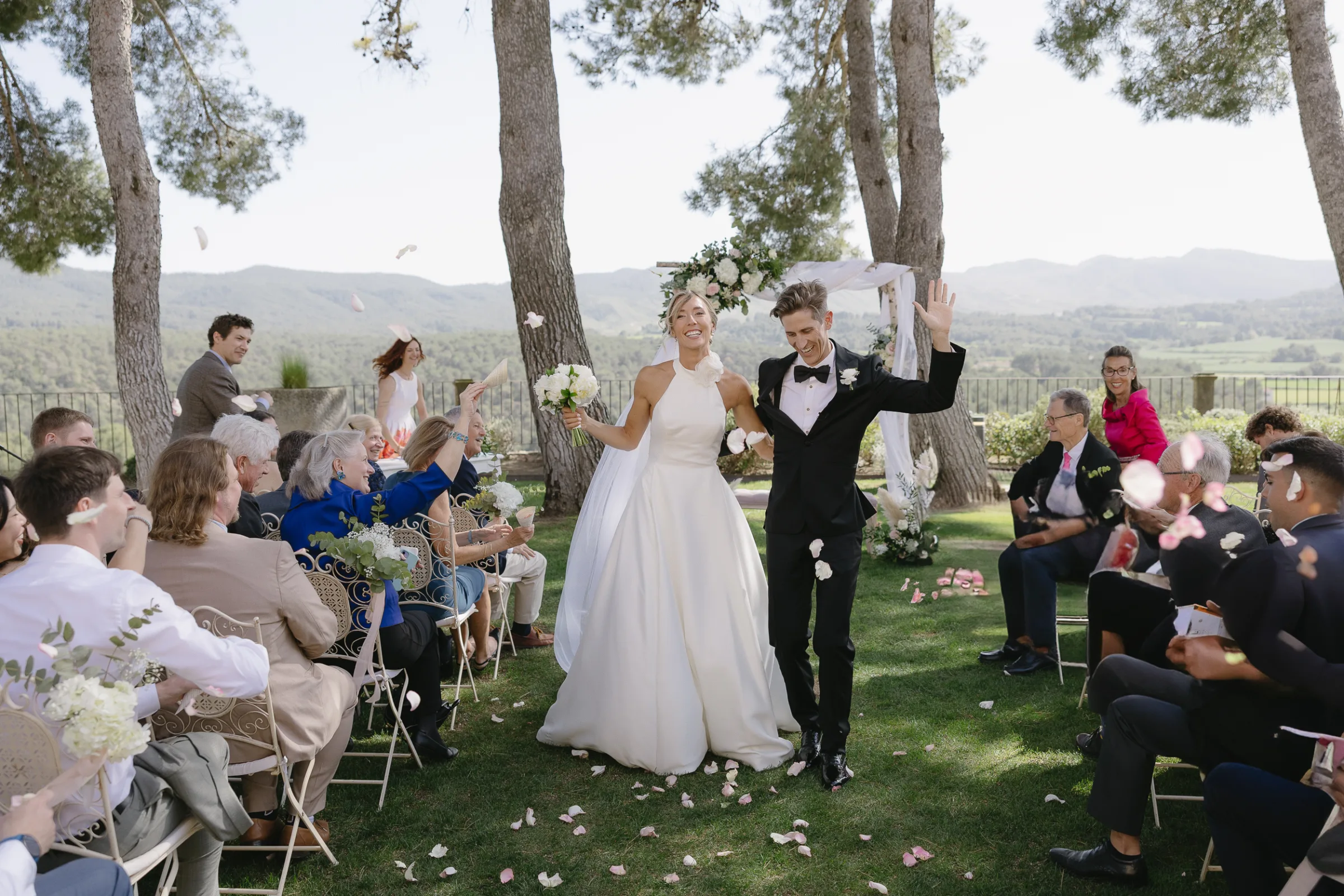
On May 3, 2025, the historic Castell de Sant Martí de Tous served as the backdrop for the wedding of Gaëlle and Dylan, an event that highlighted the growing trend of destination weddings in the Catalonia region of Spain. Situated on a prominent hilltop overlooking the Anoia region, the venue provided a panoramic view of the Catalan countryside, stretching from verdant fields to the distant mountain ranges that define the local topography. The ceremony and subsequent celebrations brought together an international assembly of guests, reflecting the couple’s multi-continental history and the enduring appeal of Barcelona as a global hub for matrimonial events.
Architectural and Historical Significance of the Venue
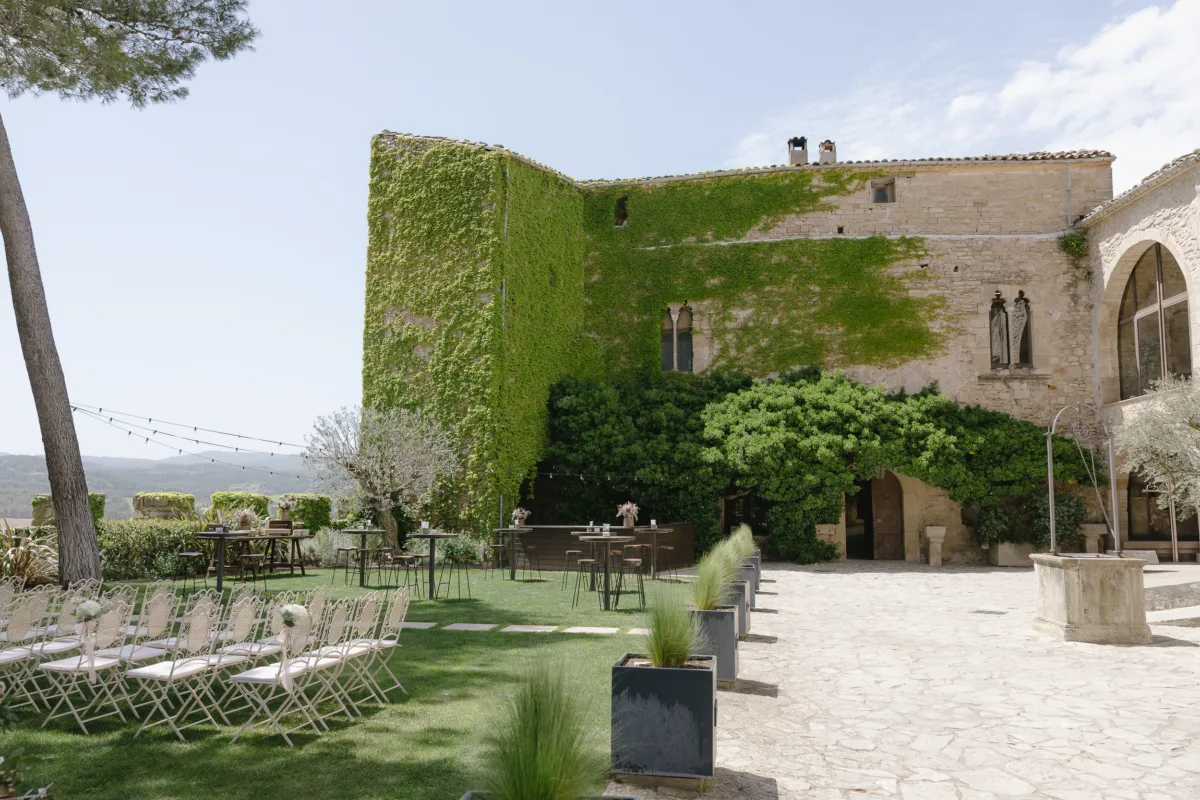
Castell de Sant Martí de Tous, located approximately 70 kilometers west of Barcelona, is a site steeped in over a millennium of history. Originally dating back to the 10th century as a defensive structure during the Reconquista, the castle has undergone various restorations that have preserved its medieval essence while integrating modern amenities suitable for high-end events. The venue’s "understated grandeur," as described by the couple, is a result of its stone masonry and strategic positioning, which offers 360-degree views of the sleepy village below and the surrounding valley.
The choice of this location aligns with broader shifts in the luxury wedding market, where couples increasingly prioritize "soulful" venues with historical narratives over traditional hotel ballrooms. The Anoia region, while less frequented by mass tourism than the Costa Brava or Sitges, has seen a rise in "slow travel" and boutique events, contributing to the local economy by utilizing regional suppliers and preserving heritage sites through commercial use.
A Chronology of the Couple: From Texas to Taiwan to Spain
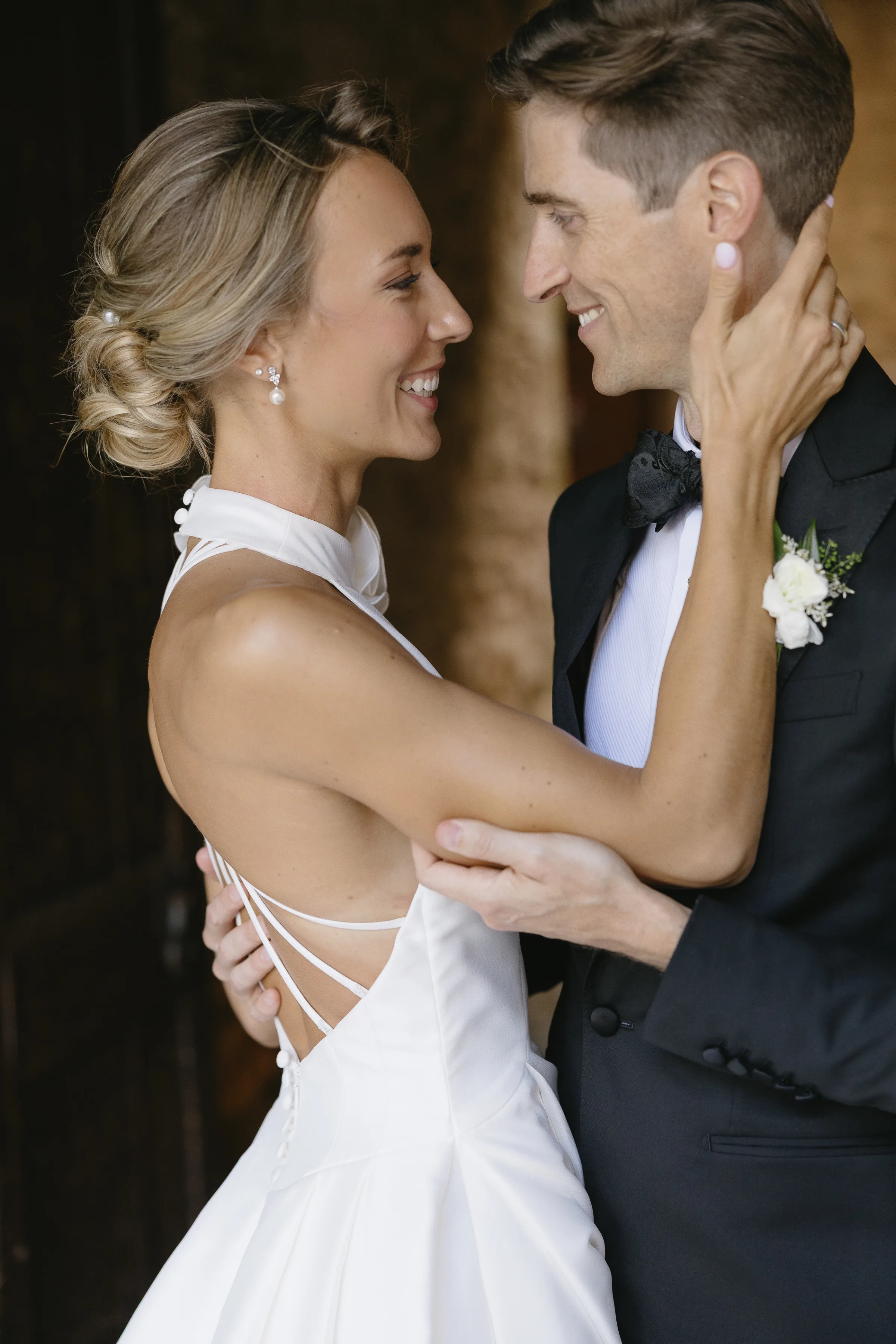
The union of Gaëlle and Dylan is the culmination of a decade-long journey that spanned three continents. The couple first met at the University of Texas at Austin, where they were both members of the university’s running club. At the time, Gaëlle was an undergraduate student, while Dylan was pursuing a PhD. Their relationship was characterized early on by a shared interest in athletics and culinary exploration, themes that would persist throughout their lives together.
Following a period of dating in the United States, the couple relocated to Taiwan. This four-year residency in East Asia served as a foundational period for their partnership, as they navigated a new culture and language without an established support system. According to the couple, this experience solidified their bond before they eventually moved to Spain.
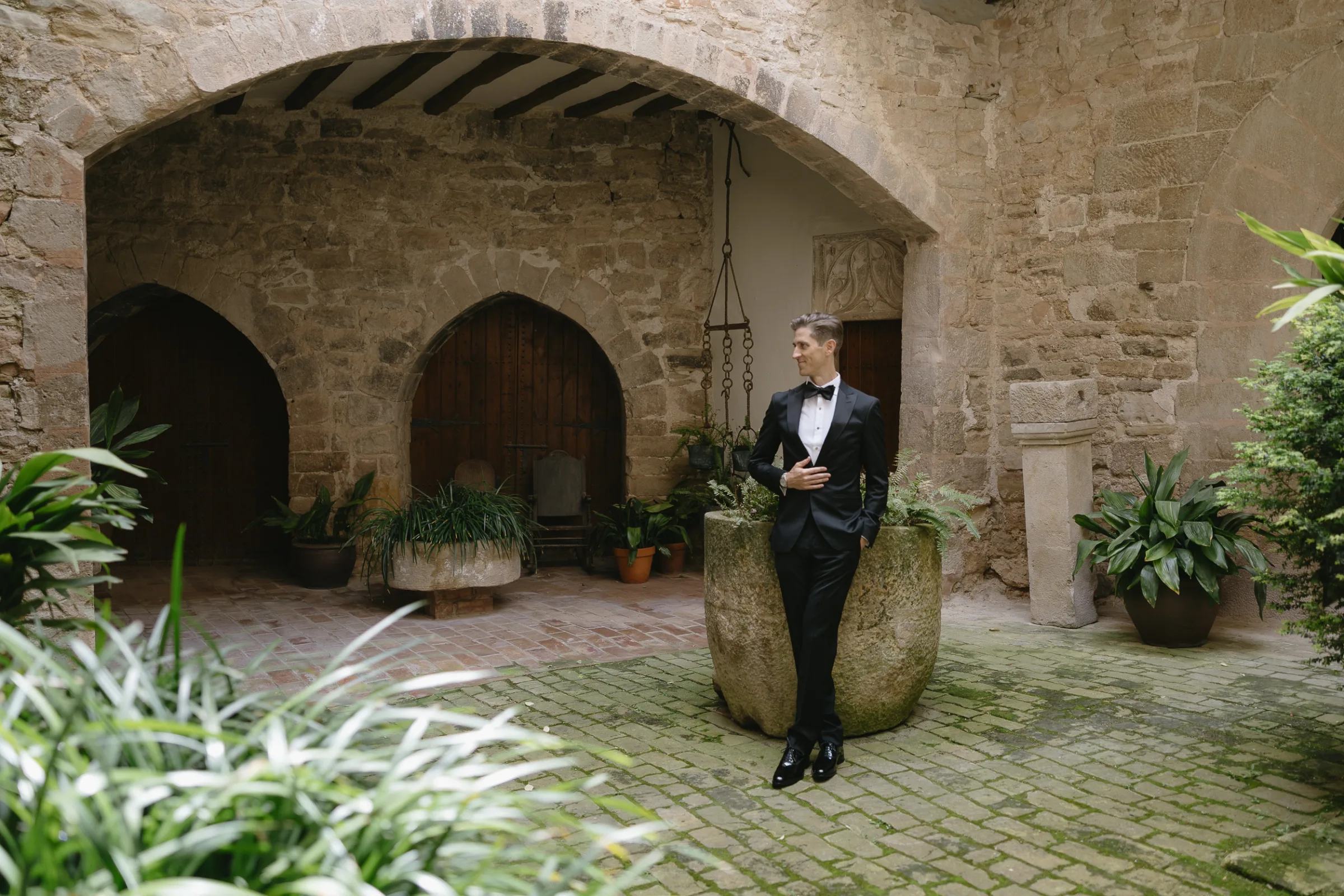
The proposal took place on a mountaintop overlooking the town where Gaëlle had spent her childhood summers, linking their future to her personal history. Before the large-scale celebration in May 2025, the couple held a small civil ceremony. This legal union was marked by a notable regional event: a 10-hour power outage that affected both Spain and Portugal. The anecdote of the "Iberian Blackout" became a point of levity among their social circle, symbolizing a high-energy start to their married life.
Fashion and Design: A Tribute to Barcelona’s Sartorial Heritage
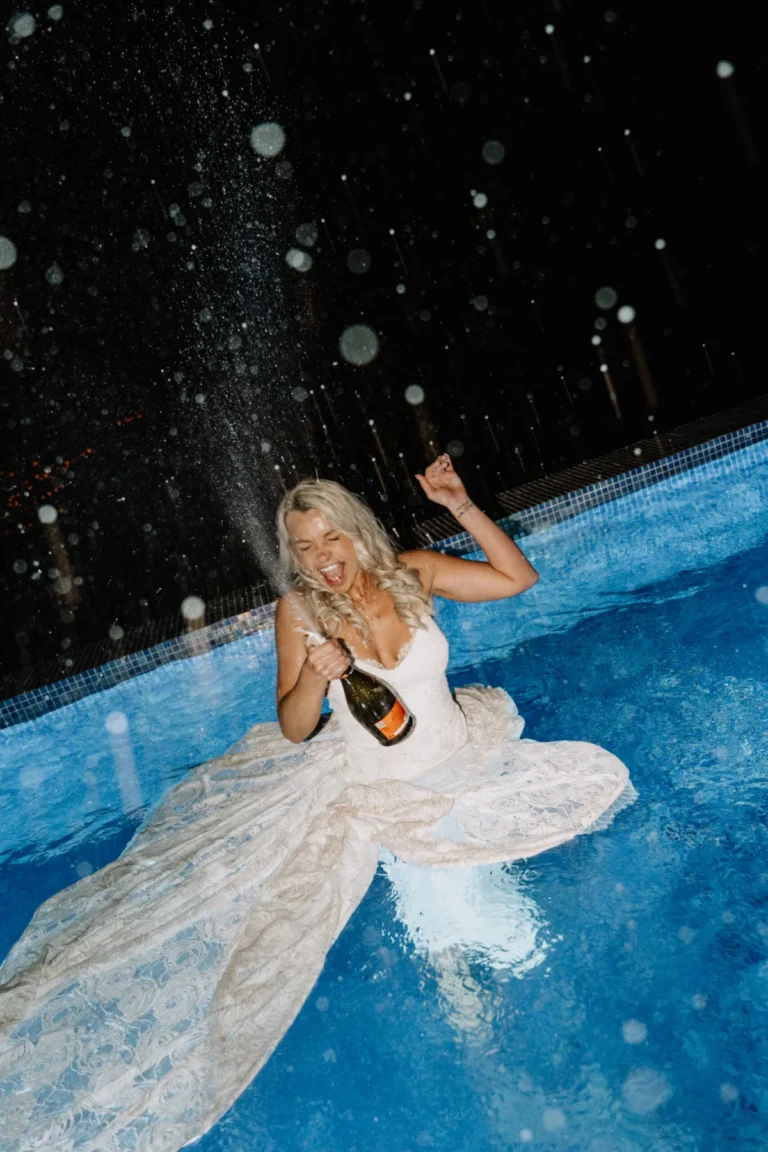
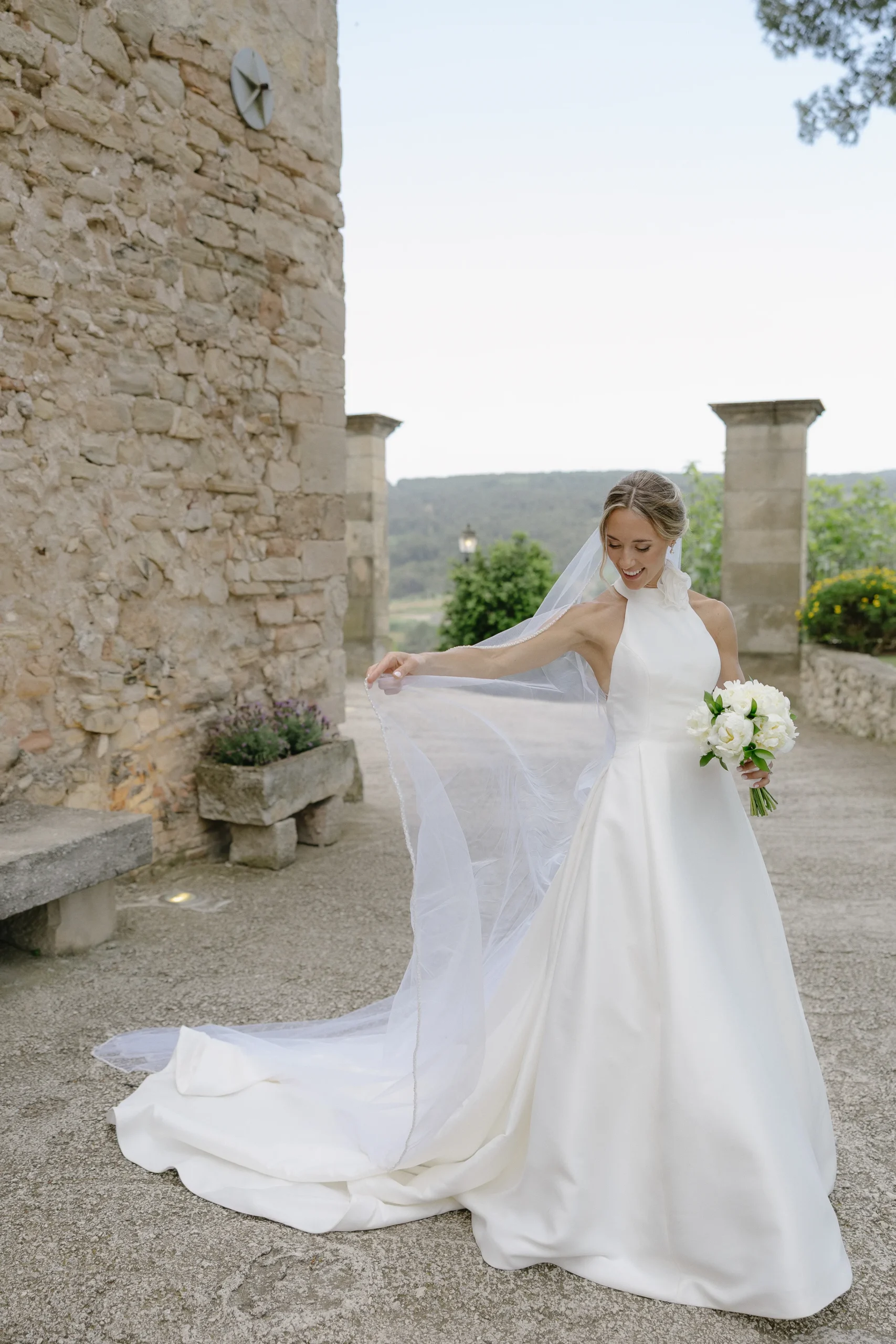
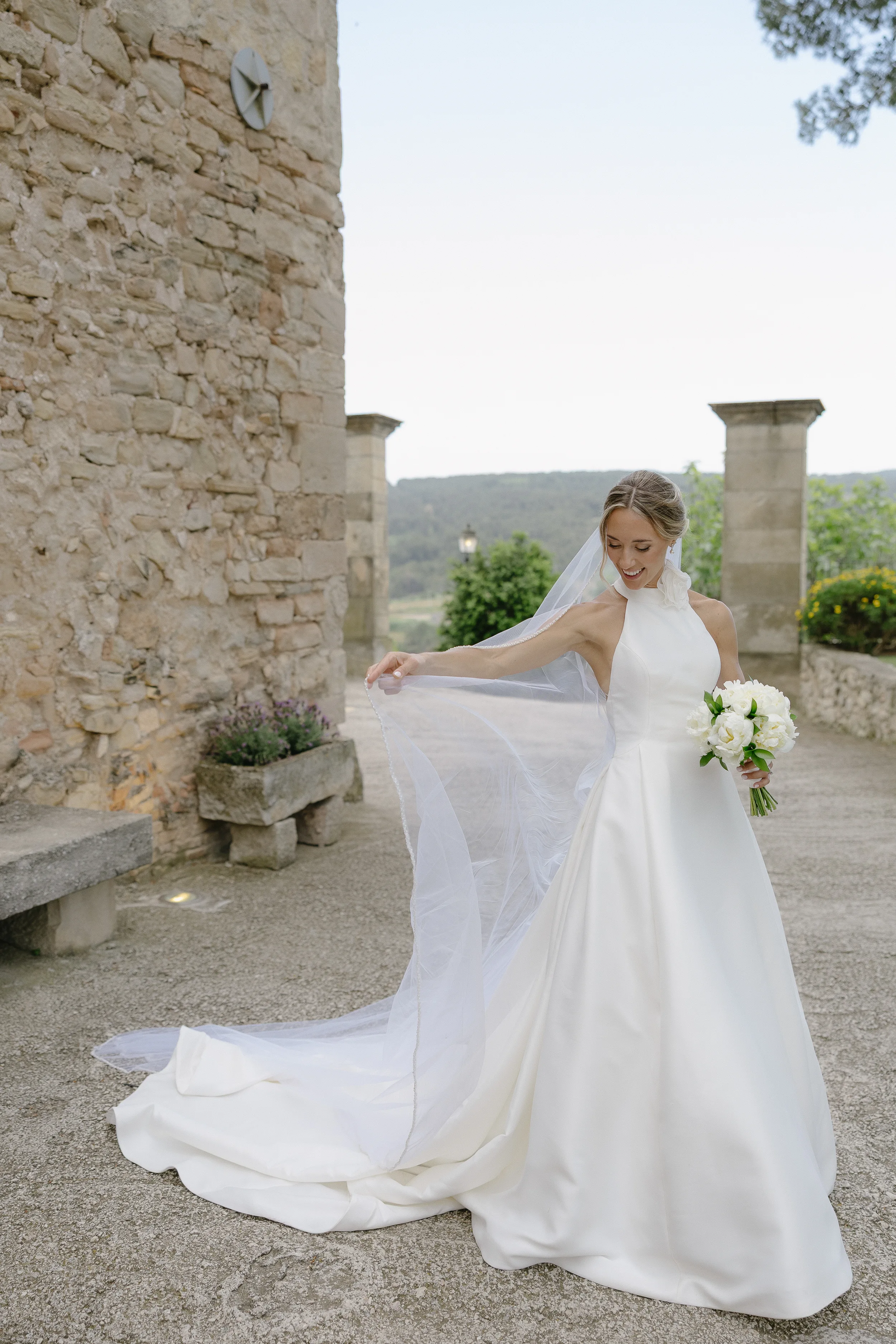
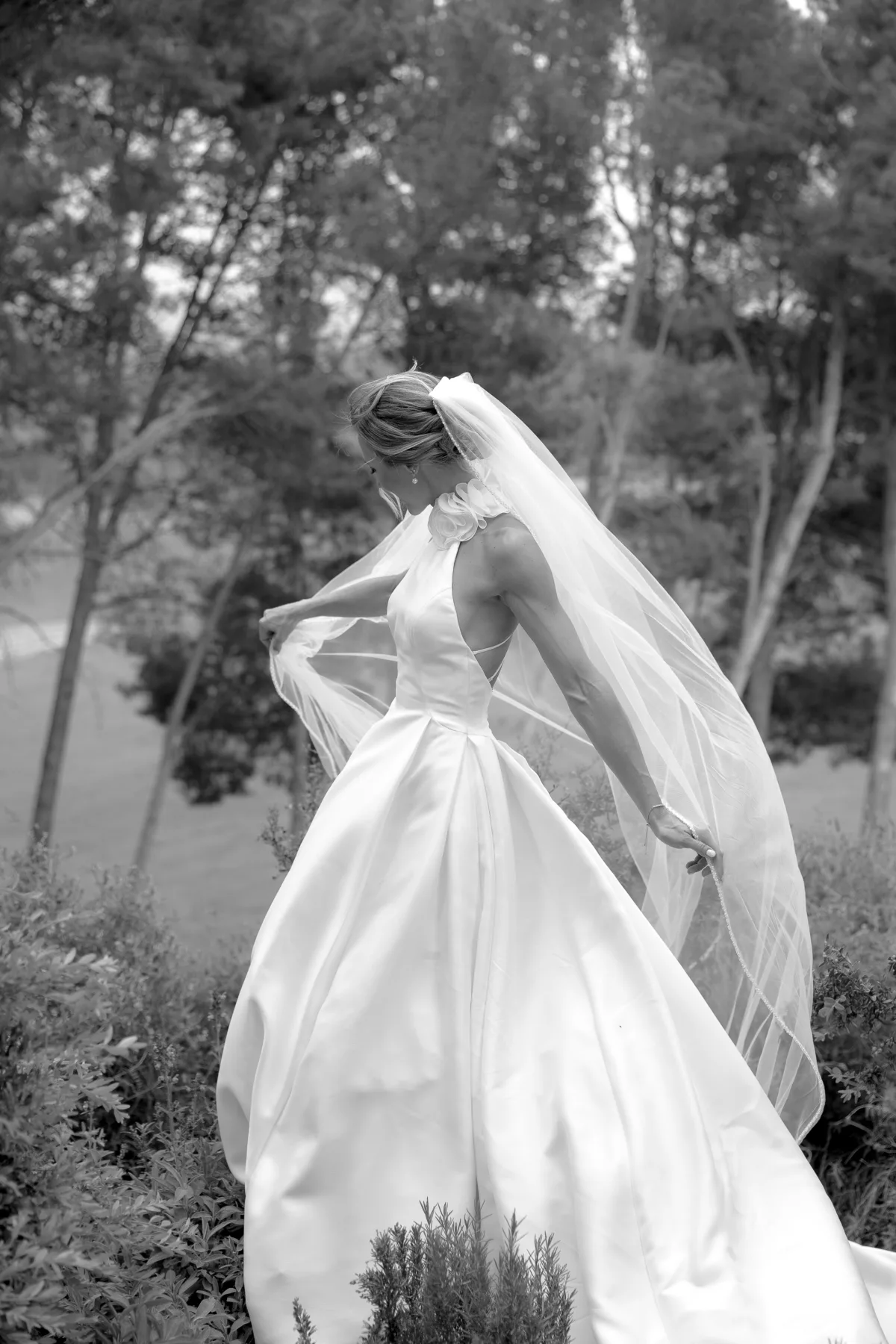
For her bridal attire, Gaëlle selected a chic, halterneck gown from Pronovias, a global leader in the bridal fashion industry headquartered in Barcelona. The selection process was a sentimental endeavor, conducted during a dedicated trip to the city with her mother. Pronovias, founded in 1922, is often credited with pioneering the prêt-à-porter bridal concept, and the choice of a local brand underscored the wedding’s connection to Catalan culture.
The groom’s attire and the couple’s jewelry also reflected a blend of local and personal significance. The wedding bands were sourced from Suarez, a prestigious Spanish jeweler, and Bijoya, a boutique in Pamplona where Dylan had previously designed the engagement ring. These choices highlight a preference for established European craftsmanship and personalized design over mass-market alternatives.
Ceremony Logistics and Multilingual Integration
The outdoor ceremony was held on the castle’s terrace, designed to maximize the visual impact of the valley. In a departure from rigid tradition, both sets of parents accompanied the bride and groom down the aisle, symbolizing a collective family union. The ceremony was officiated by a close friend, Hanne, whose role was critical in bridging the linguistic gaps of the diverse guest list.
The proceedings were conducted in multiple languages, ensuring that the international attendees felt included in the narrative of the day. Instead of traditional religious readings, the couple opted for "heartfelt speeches" from family and friends, including an "open mic" session that allowed for spontaneous contributions. This format reflects a growing trend toward "unstructured" ceremonies that prioritize emotional authenticity and personal anecdotes over liturgical formality.
The couple’s vows were structured as a shared reading, where they alternated lines and concluded with a joint statement. This collaborative approach to vow-taking is increasingly popular among modern couples seeking to emphasize equality and partnership within the marriage contract.
Culinary Excellence and Regional Flavors
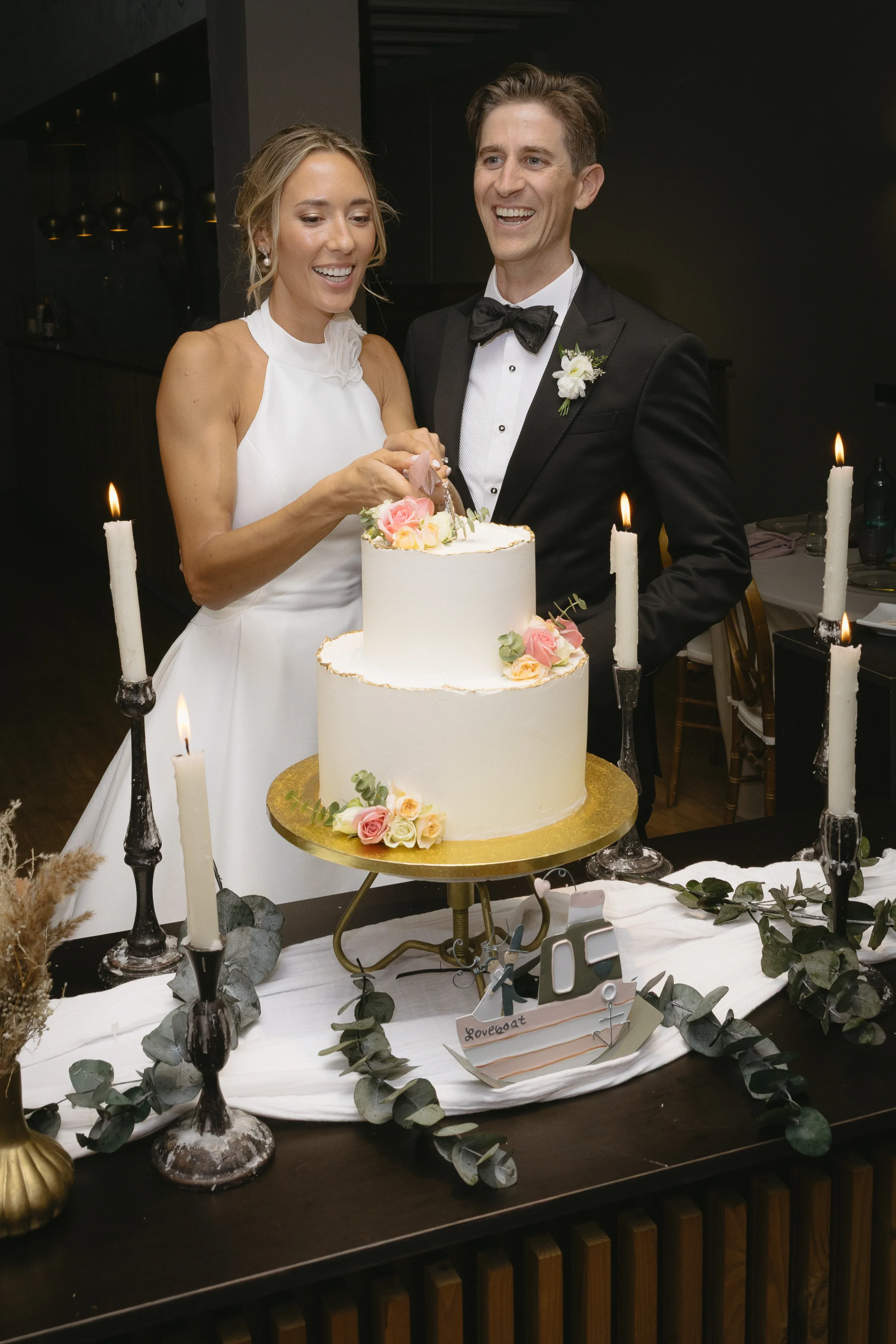
Catering for the event was managed by local suppliers associated with the Castell de Sant Martí de Tous. The menu emphasized high-quality regional ingredients, a hallmark of Catalan gastronomy. The wedding cake, however, was sourced from "A Casa Portuguesa," a local Portuguese bakery known for its artisanal approach. The couple’s decision to use a bakery they frequented in their daily lives added a layer of personal familiarity to the reception.
In addition to the formal dining experience, the couple provided handmade wedding favors: jasmine-scented candles shaped like flowers, housed in craft-paper boxes featuring a custom gold-stamped monogram. These artisanal touches are reflective of the "DIY luxury" movement, where high-end events incorporate handmade elements to create a sense of intimacy and gratitude toward guests.
The First Dance: A Study in Performance and Preparation
One of the most technically demanding aspects of the evening was the couple’s first dance. Having prepared for a year with professional swing lessons, Gaëlle and Dylan performed a six-minute choreographed routine. The performance began with a four-minute contemporary waltz set to "I Think They Call This Love" by Elliot James Reay, before transitioning into a high-energy swing mashup featuring Ray Charles and Olly Murs.
The transition from a traditional waltz to a fast-paced swing routine served as a metaphor for the couple’s dynamic relationship—balancing grace with athletic energy. Such elaborate performances are becoming a staple of modern weddings, serving as a primary form of entertainment that bridges the gap between dinner and the opening of the dance floor.
Professional Documentation and Media
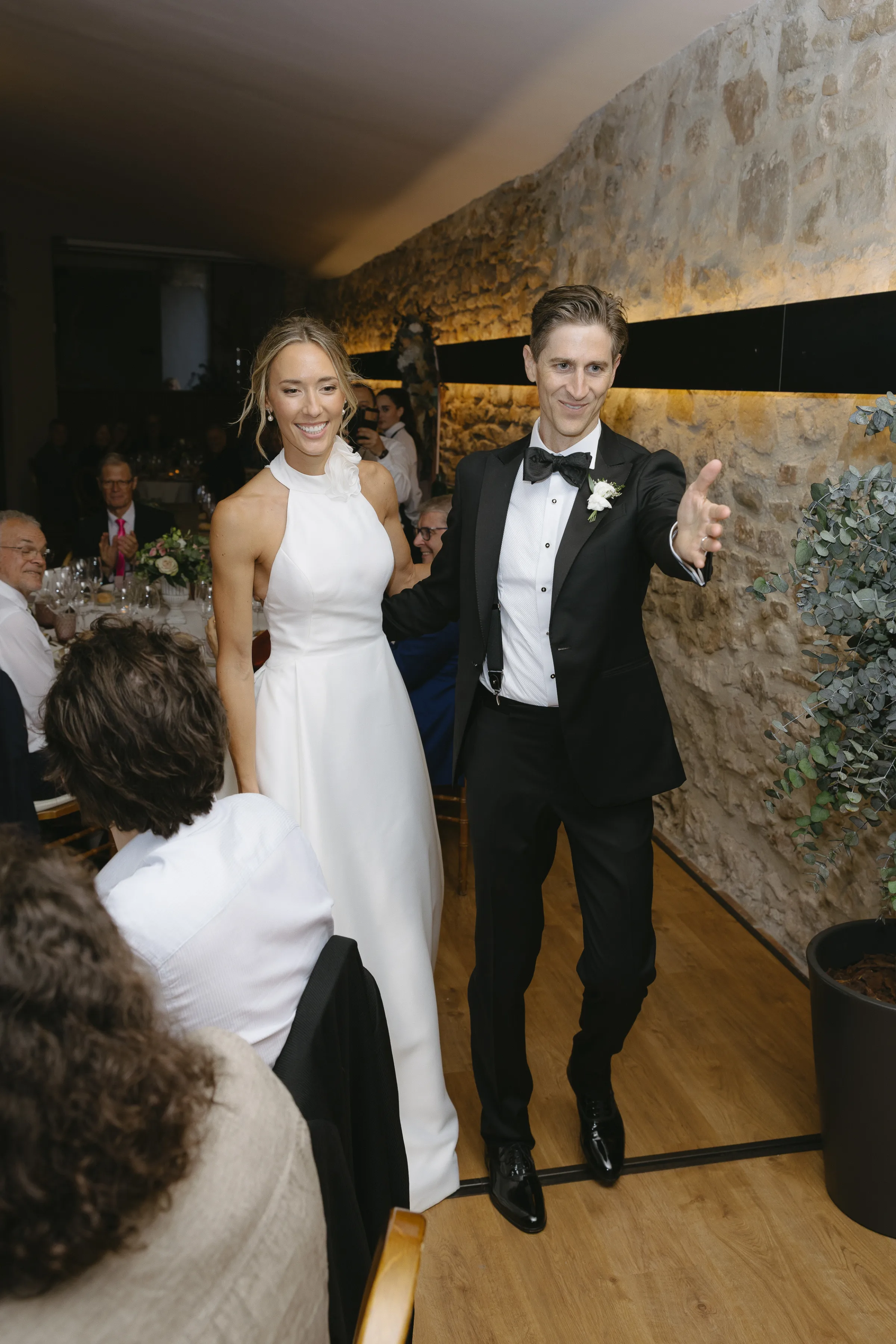
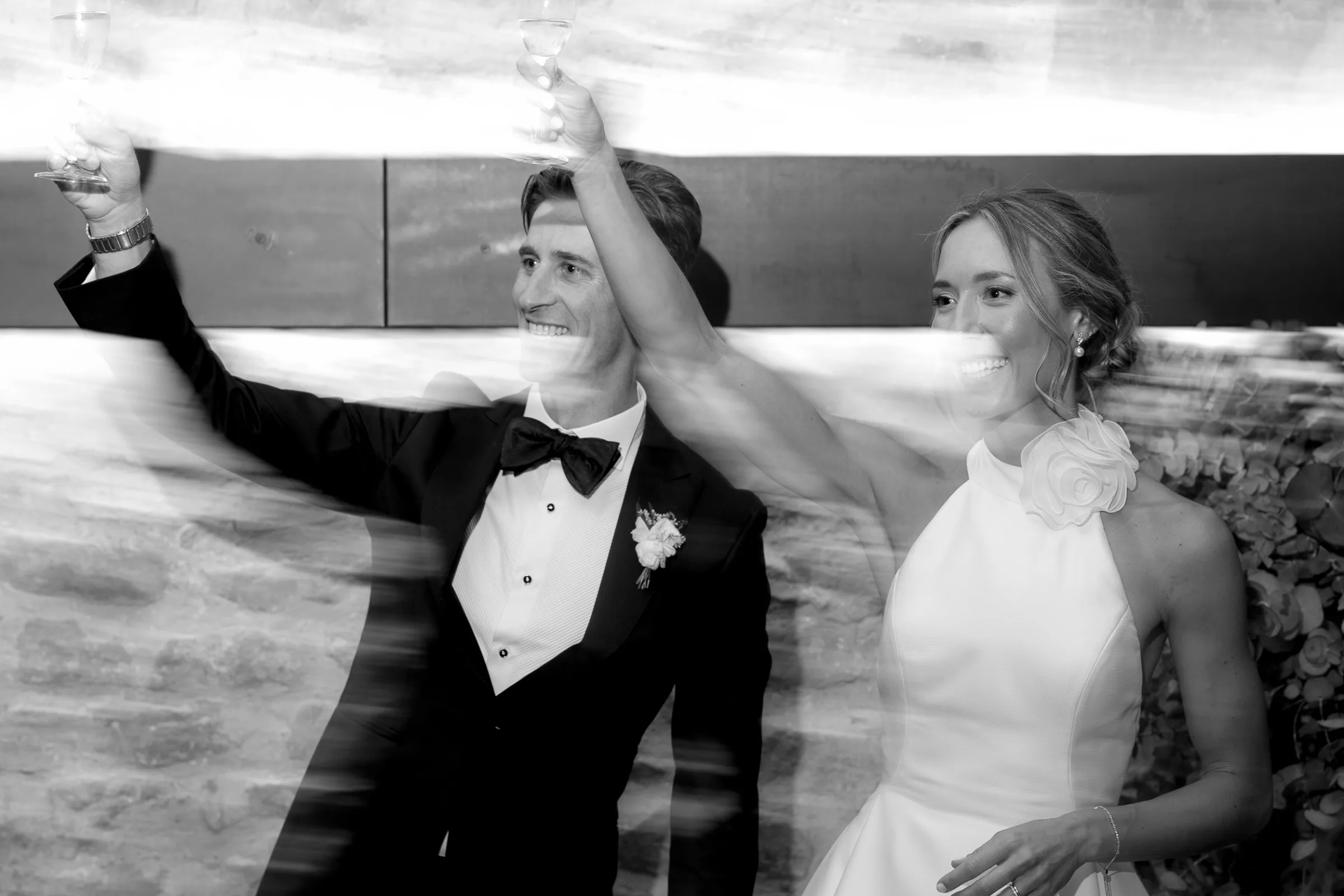
The task of capturing the event was entrusted to photographer Sandy Alonso and videographer Hugo Sousa. Alonso’s work is noted for its "timeless simplicity" and "elegant framing," qualities that complemented the historic setting of the castle. The collaboration between Alonso and Sousa was a unique occurrence, as the two professionals had long admired each other’s work but had not previously collaborated on a single event.
The use of both high-end photography and cinematic videography is now considered a standard investment for destination weddings. Modern couples often view these media assets as the primary way to share their experience with a global network of friends and family who may not have been able to attend in person.
Broader Economic and Social Implications
The wedding of Gaëlle and Dylan serves as a case study for the economic impact of the destination wedding industry in Spain. According to data from the Spanish National Statistics Institute (INE) and various wedding industry reports, Spain remains one of the top five global destinations for international nuptials. The sector contributes significantly to the hospitality and service industries, particularly in rural areas like Sant Martí de Tous, where large events drive demand for transportation, lodging, and catering.
Furthermore, the couple’s approach to their wedding registry—using a Google Form and their website to solicit contributions for "experience-driven" activities—reflects a shift away from traditional gift registries. Modern couples, particularly those who have lived together for several years before marriage, are increasingly opting for "honeymoon funds" or "adventure registries" that prioritize memories over material goods.
Conclusion: The Philosophy of Presence
As the celebrations concluded beneath the Spanish sky, the event underscored a central theme in modern wedding planning: the prioritization of "presence" over "perfection." Gaëlle’s advice to future couples—to "let go of the to-do list" once the day arrives—echoes a growing sentiment among event planners who emphasize the importance of emotional engagement.
The success of the day was attributed not just to the meticulous planning of the venue’s staff or the beauty of the Pronovias gown, but to the "overwhelming wave of joy" created by the gathering of people from various chapters of the couple’s lives. In an increasingly digital world, the physical gathering at Castell de Sant Martí de Tous stood as a testament to the enduring power of historical places to host the milestones of the future.