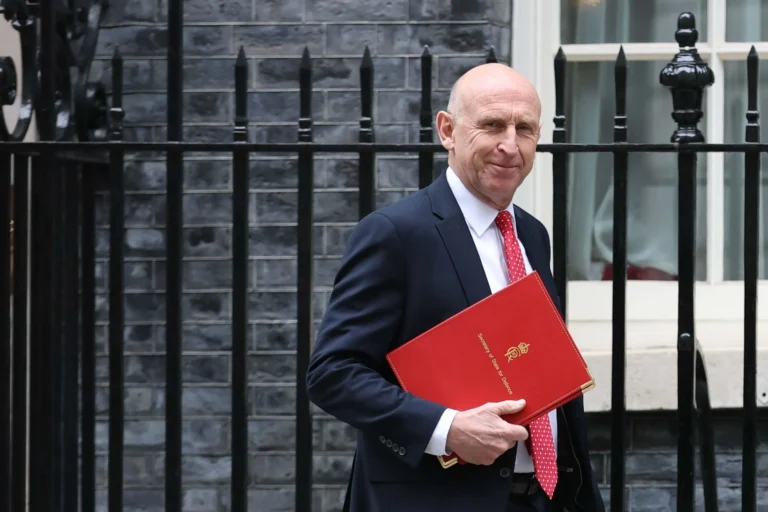












The United Kingdom has officially enacted a groundbreaking legislative measure, prohibiting individuals under the age of 16 from accessing social media platforms, a policy mirroring a similar initiative previously adopted by Australia. This landmark decision, spearheaded by Keir Starmer’s government, marks a significant pivot in digital regulation, driven by escalating concerns over youth mental health, online safety, and the pervasive influence of digital media on adolescent development. As the new rule came into effect on June 16, 2026, the reverberations are anticipated to be profound across various sectors, with the fashion retail industry facing particularly complex challenges and opportunities. Drapers digital editor Jade Burke’s initial exploration into this subject underscores the urgency for industry stakeholders to understand and adapt to this evolving landscape.
The Rationale Behind the Ban: Safeguarding a Generation
The decision to implement a nationwide ban on social media for under-16s did not emerge in a vacuum. It is the culmination of years of mounting scientific evidence, public advocacy, and political debate surrounding the detrimental effects of excessive social media use on young people. Research from institutions like the Royal Society for Public Health and the National Health Service has consistently highlighted links between heavy social media engagement and increased rates of anxiety, depression, body image issues, cyberbullying, and sleep deprivation among adolescents. Government ministers, including Prime Minister Keir Starmer, have frequently cited these concerns, emphasizing a moral imperative to protect children from perceived digital harms. The policy aligns with a broader governmental agenda focused on public health and digital well-being, aiming to foster an environment where children can develop free from the pressures and potential dangers of unregulated online interactions. This move is positioned as a preventative measure, designed to allow children a crucial period of developmental growth without the constant comparison, validation-seeking, and exposure to inappropriate content often associated with social media platforms.
Following the Australian Precedent: A Global Shift?
The UK’s legislation draws significant inspiration from Australia, which implemented a similar ban approximately a year prior. Australia’s pioneering move was met with a mix of support from child advocacy groups and trepidation from tech companies and industries reliant on digital marketing. Early reports from Australia, though still nascent, have begun to indicate a shift in youth engagement patterns, with some anecdotal evidence suggesting a potential decrease in certain mental health metrics among the affected age group. However, the long-term societal and economic impacts are still under rigorous observation. The UK government, having studied the Australian experience, aimed to refine its own approach, particularly concerning age verification technologies and enforcement mechanisms. This transcontinental legislative alignment suggests a potential emerging global trend, where governments are increasingly willing to intervene in the digital lives of minors, prompting international dialogue on digital ethics, parental responsibility, and the role of tech giants in safeguarding young users.
A Chronology of Policy Development in the UK
The path to the UK’s social media ban for under-16s has been a deliberate and protracted one:
- 2024 General Election: The Labour Party, under Keir Starmer, included a commitment to review and potentially restrict youth access to social media in its election manifesto, citing mental health concerns.
- Late 2024 – Early 2025: Following the election, a cross-departmental task force was established to consult with child psychologists, educators, tech experts, and industry representatives. Public consultations garnered significant input from parents and advocacy groups.
- Mid-2025: The "Children’s Online Safety Bill" was formally introduced to Parliament. It outlined proposals for age verification, platform accountability, and the specific age restriction. Intense parliamentary debates ensued, focusing on enforcement feasibility, parental rights, and potential economic impacts.
- Late 2025: The Bill passed through both Houses of Parliament with amendments, largely securing bipartisan support due to the emotive nature of child safety.
- Early 2026: Royal Assent was granted, officially making the Bill law. A six-month grace period was announced to allow platforms and users to prepare for the changes.
- June 16, 2026: The legislation officially came into effect, mandating social media platforms to implement robust age verification systems and prohibiting individuals under 16 from creating or maintaining accounts. Penalties for non-compliance by platforms were outlined, including significant fines. Parental responsibility for monitoring compliance was also emphasized.
The Youth Demographic: A Cornerstone for Fashion Retail
The segment of under-16s, particularly those aged 10-15, represents a surprisingly influential demographic within the fashion retail landscape. While their direct purchasing power might be limited, their indirect influence on household spending, their role as early adopters, and their immense capacity for trend generation make them invaluable. Data indicates that over 85% of UK teenagers aged 13-15 actively used at least one major social media platform (e.g., TikTok, Instagram, Snapchat) prior to the ban, spending an average of 3-4 hours daily engaging with content.

For fashion, these platforms served as primary discovery engines. Young consumers would encounter new styles through influencers, peer groups, and targeted advertisements, leading to rapid trend cycles and driving demand for fast fashion and specific aesthetic niches. The youth fashion market, encompassing apparel, accessories, and footwear, is estimated to contribute several billion pounds annually to the UK economy, with a significant portion of these purchases being influenced, if not directly initiated, by social media exposure. This demographic is also critical for brands seeking to build long-term loyalty, as early brand affinity often translates into continued patronage into adulthood. The ban effectively removes a primary conduit through which this crucial demographic engages with fashion, forcing an immediate re-evaluation of marketing and engagement strategies.
Immediate Implications for Fashion Retailers
The impact on fashion retail is multi-faceted and immediate:
- Marketing and Advertising Blackout: The most direct consequence is the loss of a significant digital marketing channel for reaching under-16s. Brands can no longer directly target this age group on social media platforms, nor can they leverage influencers whose primary audience falls within this demographic. This necessitates an immediate cessation of existing campaigns and a complete overhaul of future strategies aimed at younger consumers.
- Disruption to Trend Forecasting: Social media platforms, especially TikTok, have become invaluable tools for real-time trend identification. Micro-trends could emerge, peak, and fade within weeks, driven largely by youth engagement. With under-16s off these platforms, fashion brands will lose a vital early warning system for emerging styles, potentially leading to slower trend adoption, misaligned product development, and reduced responsiveness to rapidly changing tastes.
- Decline in Social Commerce: Features like "shop now" buttons, shoppable posts, and integrated e-commerce within social apps have streamlined the path from discovery to purchase. For younger audiences, impulse buys driven by social media exposure will significantly diminish, impacting sales volumes for brands heavily reliant on these direct conversion pathways.
- Reduced Brand Engagement and Community Building: Social media has been instrumental in fostering brand loyalty and creating communities around fashion brands. Live Q&As, user-generated content campaigns, and interactive polls engaged young consumers directly. Replicating this level of engagement through alternative channels will be a considerable challenge.
- Impact on Emerging Brands: Smaller, direct-to-consumer (DTC) fashion brands and start-ups often rely heavily on cost-effective social media marketing and influencer collaborations to build awareness and scale. The ban disproportionately affects these agile businesses, as they may lack the resources for traditional marketing channels or sophisticated age-gated digital alternatives.
Strategic Adaptations for Fashion Brands
To navigate this new regulatory environment, fashion retailers must implement swift and innovative strategic adaptations:
- Diversified Marketing Channels: Brands will need to re-evaluate and invest in a broader mix of marketing channels. This could include a resurgence of interest in traditional media, such as youth-focused print magazines (if still viable), television advertising during relevant programming, and out-of-home (OOH) advertising in areas frequented by teenagers (e.g., near schools, shopping centers). Digitally, exploring age-appropriate platforms like gaming environments (e.g., Roblox, Minecraft, Fortnite) which often have stricter age gates or offer parent-controlled experiences, could become crucial.
- Focus on Parental Influence and Co-Shopping: Given that parents often make or heavily influence purchases for under-16s, marketing efforts may pivot towards engaging parents. This involves emphasizing aspects like durability, sustainability, ethical sourcing, value for money, and age-appropriateness in campaigns targeting adults. In-store experiences could be designed to facilitate co-shopping, offering activities or incentives for both parents and children.
- Enhanced In-Store Experience and Experiential Marketing: Physical retail environments could regain importance as spaces for discovery and engagement. Brands might invest in creating more interactive, immersive, and "Instagrammable" (even if the under-16s themselves aren’t posting) store experiences, pop-up events, and workshops that appeal to younger audiences. These spaces could become community hubs where fashion is experienced firsthand, circumventing the digital ban.
- Collaborations with Age-Appropriate Platforms and Creators: Brands may seek partnerships with content creators on platforms designed specifically for younger audiences with parental oversight, or explore educational platforms that offer opportunities for brand integration. This requires careful vetting to ensure compliance with the new regulations.
- Investment in First-Party Data and Direct Engagement: Building proprietary databases through email sign-ups (with parental consent), loyalty programs, and direct mail could become more critical. Brands might host their own digital communities or forums on age-gated websites, offering exclusive content and fostering direct relationships without relying on third-party social media platforms.
- Agile Product Development and Trend Scouting: Without the instant feedback loop of social media, brands may need to invest more in traditional market research, focus groups, and partnerships with schools or youth organizations to understand evolving tastes. The pace of trend cycles might slow, encouraging a focus on more enduring styles and higher-quality pieces over ultra-fast fashion.
Industry Reactions and Expert Opinions
The announcement and implementation of the ban have elicited a spectrum of reactions from across the industry:
- Government Officials: A spokesperson for the Department for Digital, Culture, Media & Sport (DCMS) reiterated the government’s unwavering commitment to child safety, stating, "This legislation is a vital step in safeguarding our children’s mental well-being and online safety. While we understand the need for industry adaptation, the welfare of our youth remains paramount."
- British Fashion Council (BFC): A representative from the BFC acknowledged the government’s objectives but expressed concerns about the economic impact. "The fashion industry is a significant employer and economic contributor. This ban presents considerable challenges for brands, particularly smaller enterprises, that rely on digital platforms for growth and outreach to younger demographics. We urge the government to work collaboratively with the industry to develop clear guidelines and explore innovative solutions that balance protection with economic viability."
- Major Retail Chains: Executives from leading high-street fashion retailers indicated they were already revising their marketing blueprints. "We are committed to compliance and are actively exploring new avenues to connect with our younger customers in an age-appropriate manner," stated a marketing director from a prominent youth fashion brand. "This may involve a renewed focus on in-store experiences and engaging content on our own direct channels."
- Youth Advocacy Groups: Organisations like ‘Children First Digital’ lauded the government’s decisive action. "This is a monumental victory for children’s mental health," commented a spokesperson. "It forces tech companies to take responsibility and allows young people a vital space away from the relentless pressures of online comparison and validation."
- Social Media Platforms: Major platforms have publicly stated their commitment to compliance, detailing investments in advanced age verification technologies and AI-driven content moderation. However, privately, concerns exist regarding potential revenue loss from advertising and a decrease in user engagement metrics.
Long-Term Implications and Future Outlook
The long-term implications of this social media ban are still unfolding, but several trends are likely to emerge:
- Evolution of Digital Marketing: The ban will accelerate the diversification of digital marketing beyond traditional social media. Brands will likely explore immersive virtual environments, gamified advertising, and content partnerships with educational or youth-focused entertainment platforms.
- Shifting Consumer Behavior: While under-16s are banned from mainstream social media, their innate desire for connection and trend discovery will not disappear. This could lead to a rise in "dark social" (private messaging apps, group chats) for sharing fashion inspiration, or a greater reliance on peer-to-peer influence in real-world settings. It could also encourage a more deliberate, less impulsive approach to fashion consumption.
- Innovation in Retail Experiences: The necessity to engage younger audiences off-screen may spur innovation in physical retail, creating more experiential stores, interactive pop-ups, and community-centric events that bridge the gap left by social media.
- Ethical Considerations and Digital Citizenship: The ban reignites debates about digital freedom, parental control, and the appropriate age for digital autonomy. It also prompts discussions about what constitutes "social media" in a rapidly evolving digital landscape, where gaming platforms and interactive apps increasingly blur the lines.
- Economic Reconfiguration: While some segments of the youth fashion market might contract initially, opportunities will arise for brands that successfully innovate their marketing and engagement strategies. The focus on parental influence could also lead to a shift in product development, emphasizing durability, quality, and timelessness over fleeting trends.
In conclusion, the UK government’s social media ban for under-16s, effective June 16, 2026, represents a seismic shift in the digital landscape, with profound implications for the fashion retail sector. While driven by a commendable objective of safeguarding youth, the legislation presents significant challenges for brands accustomed to leveraging social media for marketing, trend forecasting, and direct consumer engagement. The industry stands at a critical juncture, demanding agility, creative problem-solving, and a willingness to explore innovative pathways to connect with a crucial demographic. The future of youth fashion retail in the UK will undoubtedly be defined by how effectively brands adapt to this new era of digital responsibility and redefine their relationship with the next generation of consumers.