







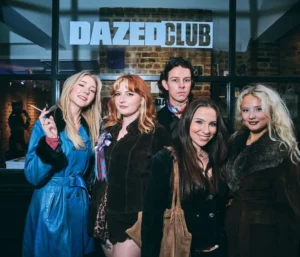

Marley Alles began her professional journey in the high-stakes world of corporate accounting, a path often characterized by stability, rigorous data analysis, and a clear upward trajectory within established institutions. Like many ambitious young professionals, she initially viewed a role at a major corporation as the ultimate career milestone. However, upon reaching that summit, she encountered a sense of professional disillusionment that many modern entrepreneurs describe as the catalyst for innovation. The realization that the corporate hierarchy did not align with her creative or entrepreneurial aspirations led her to pivot toward the burgeoning world of startups. This transition was not immediate but was fueled by a period of intense self-education, as Alles immersed herself in startup literature, venture capital podcasts, and the mechanics of product development.
The conceptual seed for her company, Rax, was planted not in a boardroom, but through a common social dilemma faced by many in their twenties and thirties: the exorbitant cost of occasion-based fashion. During a single summer characterized by a dense schedule of weddings, Alles found herself spending thousands of dollars on bridesmaid dresses and high-end apparel for bachelorette parties. These garments, often priced in the hundreds or thousands of dollars, were destined to spend the majority of their lifespan dormant in a closet after a single use. When a friend asked to borrow one of these pieces, the scalability of the gesture became immediately apparent to Alles. She recognized a market inefficiency—an abundance of "dead" capital sitting in the closets of fashion-conscious consumers—and sought to build a platform that could unlock that value.
The Architecture of a Peer-to-Peer Fashion Marketplace
Rax launched earlier this year as a peer-to-peer (P2P) clothing rental marketplace, headquartered in Toronto. Unlike traditional rental services such as Rent the Runway, which operate on an inventory-heavy model requiring massive warehouses and complex logistics for cleaning and maintenance, Rax functions as a lean technology intermediary. The platform does not own any clothing inventory. Instead, it facilitates transactions between "lenders"—individuals looking to monetize their wardrobes—and "renters"—consumers seeking high-end fashion without the commitment of a full-price purchase.
This P2P model aligns Rax with the broader "sharing economy" trends seen in industries like hospitality (Airbnb) and transportation (Turo). By removing the overhead associated with purchasing and storing inventory, Rax can scale more rapidly and offer a more diverse, community-driven selection of styles. The current user interface allows for seamless scrolling through curated listings, where users can connect directly to arrange rentals. This decentralized approach not only reduces capital expenditure but also fosters a sense of community trust and local interaction, which Alles identifies as a core component of the brand’s identity.
Strategic Differentiation: The Shift Toward Long-Term Rentals
While the fashion rental market has become increasingly crowded with competitors like the U.S.-based Pickle and the European powerhouse By Rotation, Rax has carved out a unique value proposition by challenging the industry standard of short-term, four-to-eight-day rental windows. Alles identified a significant gap in the market: the need for extended access to seasonal or travel-specific items.
On the Rax platform, users can engage in rentals lasting up to six months. This strategic pivot addresses several consumer pain points. For example, a professional may need a high-end winter coat for the duration of a Canadian winter but lacks the desire to invest $1,500 in a permanent purchase. Similarly, a traveler embarking on a multi-week international excursion may find daily rental rates on other platforms prohibitively expensive. By offering long-term flexibility, Rax transforms the rental concept from a "special occasion" service into a practical lifestyle solution. This extension of the rental period also increases the earning potential for lenders, as their items are utilized consistently over several months rather than sporadically for weekend events.
Bootstrapping and the "Building in Public" Methodology
In an era where many tech startups seek venture capital at the ideation stage, Alles chose to bootstrap Rax through its initial development and launch phases. By self-funding the enterprise, she maintained full creative and operational control, allowing her to focus on product-market fit without the immediate pressure of external investor returns. This lean approach forced a focus on organic growth and community engagement.
A key element of Rax’s early success was Alles’s commitment to "building in public." By documenting the highs and lows of the entrepreneurial journey on social media, she cultivated a transparent brand persona that resonated with potential users. This strategy turned the development process into a narrative that the audience could participate in, transforming early adopters into brand evangelists. Currently, the app boasts a user base of approximately 5,000 individuals, a milestone achieved primarily through word-of-mouth and strategic social media engagement rather than traditional, high-cost marketing campaigns.
Recognition at TechCrunch Disrupt and U.S. Expansion
The trajectory of Rax took a significant turn in October during TechCrunch Disrupt, one of the technology industry’s most prestigious conferences. Alles entered the "Battlefield" competition, a storied startup pitch contest that has previously featured companies like Dropbox, Mint, and Fitbit. Despite competing against well-funded startups—some of which had raised upwards of $20 million and featured high-profile endorsements—Rax secured the award for the top consumer pitch.
The win was a validation of Rax’s business model and its potential for scalability. During the competition, Alles emphasized the importance of human connection in the digital age. She noted that the experience of meeting other founders and potential users in person was invaluable, reinforcing her belief that the future of tech lies in its ability to facilitate real-world interactions.
Following this success, Rax announced its first official foray into the United States market, with a primary focus on New York City. New York represents a logical next step for the company, given its status as a global fashion capital and its high density of "closet-rich" individuals and fashion-forward consumers. The expansion into the U.S. is not merely about increasing user numbers; it is about testing the platform’s resilience in one of the most competitive retail environments in the world.
The B2B Pivot: Empowering Designers and Retailers
As Rax matures, Alles is looking beyond the P2P marketplace to a broader Business-to-Business (B2B) strategy. The company is currently developing a rental service platform designed for fashion designers and traditional retailers. This "Rental-as-a-Service" model would allow brands to integrate rental options directly into their own websites using Rax’s underlying technology and logistics framework.
This move addresses a growing demand within the fashion industry for sustainable business practices. Traditional retailers are increasingly aware of the "circular economy"—a system aimed at eliminating waste and the continual use of resources. By offering a rental component, brands can monetize their inventory multiple times, appeal to eco-conscious Gen Z and Millennial consumers, and gather valuable data on which styles have the longest shelf life. Alles posits that Rax already possesses the technological infrastructure and the target audience, making it a natural partner for brands looking to transition into the circular space.
Environmental Impact and the Future of Circular Fashion
The rise of Rax is situated within a broader global shift toward sustainable consumption. The fashion industry is currently responsible for approximately 10% of global carbon emissions and nearly 20% of wastewater. As the "fast fashion" model faces increasing scrutiny for its environmental and ethical shortcomings, rental platforms offer a viable alternative. By extending the life of a single garment through multiple users, the need for new production is reduced, thereby lowering the overall carbon footprint of a consumer’s wardrobe.
Market analysis suggests that the global online clothing rental market is expected to grow at a compound annual growth rate (CAGR) of over 10% through 2030. This growth is driven by a fundamental shift in consumer psychology, where "access" is beginning to take precedence over "ownership." For younger demographics, the ability to frequently rotate high-quality fashion without the burden of ownership or the guilt of environmental waste is a compelling proposition.
Marley Alles’s journey from accounting to fashion tech serves as a case study in modern entrepreneurship. By identifying a personal pain point and applying a rigorous, data-driven approach to a creative industry, she has built a platform that addresses both economic and environmental needs. As Rax expands its footprint across North America and evolves its technological offerings, it stands to become a significant player in the ongoing transformation of the global fashion landscape. The success of Rax at TechCrunch Disrupt suggests that the market is ready for a more sustainable, peer-driven approach to style—one where the "dream" is no longer just working for a big company, but building one that changes how we consume.