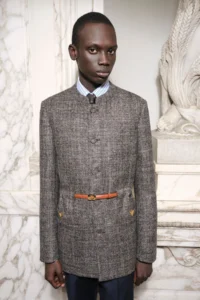






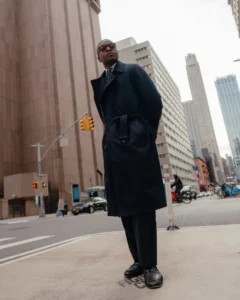
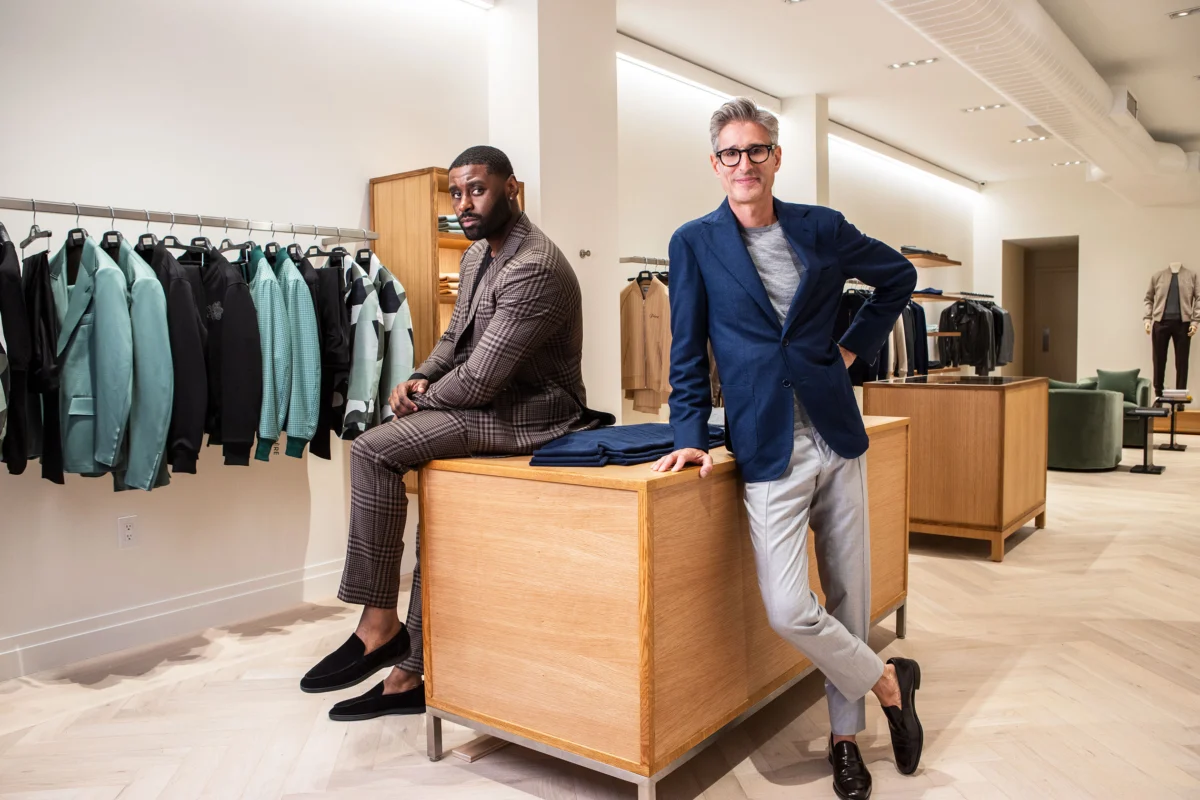
The intersection of Silicon Valley’s elite and the high-fashion corridors of Manhattan has found a new focal point in Frère, a luxury menswear brand that is redefining the "tech bro" aesthetic through the lens of high-end tailoring and "quiet luxury." Founded by fashion veteran François Kress and creative visionary Davidson Petit-Frère, the brand has officially announced the opening of its first physical flagship store in New York City’s historic SoHo neighborhood. This move marks a significant milestone for a label that has, in less than a year, captured the attention of some of the world’s most influential figures, including Apple CEO Tim Cook, music mogul Jay-Z, and Coinbase co-founder Fred Ehrsam.
The brand, which launched its ready-to-wear line in March 2024, enters a market where the definition of power dressing is undergoing a seismic shift. For decades, the standard attire for technology executives was characterized by utilitarianism—hoodies, flip-flops, and branded gilets. However, as the tech sector’s influence has permeated global culture and finance, its leaders have pivoted toward a more sophisticated, albeit understated, wardrobe. Frère positions itself at the heart of this transition, offering products that range from $3,490 wool knit tracksuits to $5,990 cashmere overcoats.
The Founders: A Synthesis of Heritage and Corporate Pedigree
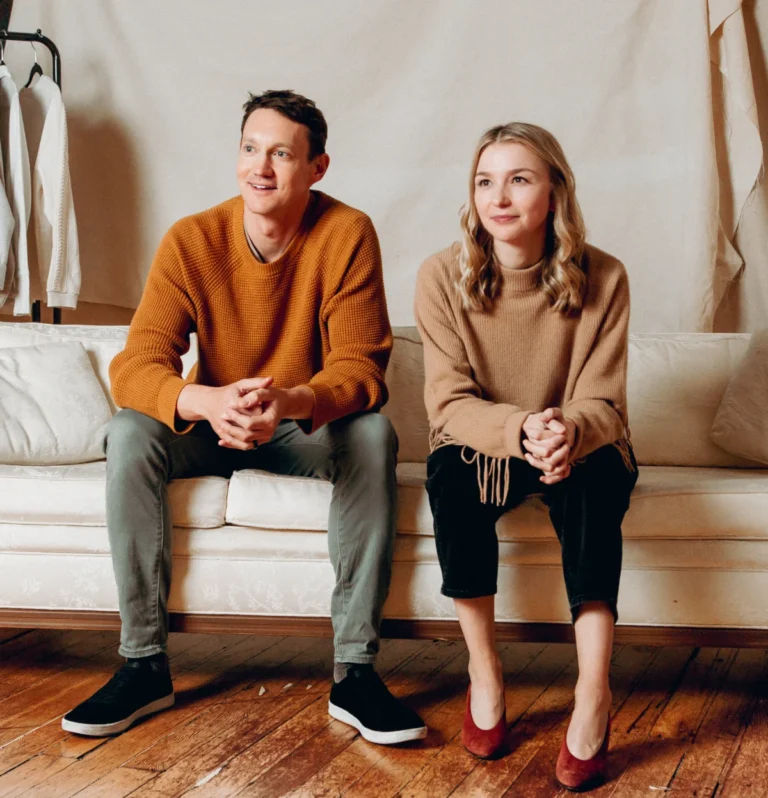
The emergence of Frère is the result of a strategic partnership between two individuals with vastly different but complementary backgrounds. François Kress, who serves as the company’s CEO, brings a wealth of experience from the highest echelons of the global luxury industry. His resume includes tenures as the president of Fendi in North and South America, managing director of Bulgari, and president and CEO of Prada Group for the United States. This corporate lineage provides Frère with a foundation in supply chain management, retail strategy, and the nuances of the ultra-high-net-worth consumer market.
Opposite Kress is Davidson Petit-Frère, the brand’s co-founder and creative director. Petit-Frère’s trajectory into fashion was unconventional; he began his professional life in luxury real estate, an industry that requires a keen understanding of presentation and personal branding. After transitioning into fashion through internships, he gained prominence with his previous venture, Musika Frère, which specialized in bespoke suiting for celebrities and athletes. His designs have been worn by figures such as Beyoncé, Stephen Curry, and Kevin Hart.
With Frère, Petit-Frère seeks to blend his Haitian heritage with classic European tailoring. The result is a collection that emphasizes "quiet luxury"—a trend characterized by the absence of overt logos, a focus on high-quality materials, and a palette of sophisticated neutrals. According to Petit-Frère, the brand’s mission is to offer a balance of innovation, artistry, and cultural relevance, allowing leaders to stand out through subtle craftsmanship rather than loud branding.
The Evolution of the Tech Uniform
The rise of Frère reflects a broader cultural evolution in the technology sector. The "tech bro" uniform—often parodied through the ubiquity of the Patagonia vest and the basic cotton T-shirt—is being replaced by what stylists call "elevated basics." While icons like Mark Zuckerberg and Jeff Bezos have recently experimented with more flamboyant styles, including gold chains and high-fashion prints, a larger contingent of the tech elite is moving toward a refined, minimalist look.
This demographic is increasingly gravitating toward brands like Loro Piana, Brunello Cucinelli, and Common Projects. These brands offer "stealth wealth" items—garments that look simple to the untrained eye but signal status and discernment to those in the know. Frère’s entry into this space is timely. By offering tailored suits that maintain a contemporary silhouette, the brand provides a bridge between the rigid formality of traditional Wall Street attire and the overly casual nature of early Silicon Valley style.
"Frère blends classic tailoring with contemporary elements, allowing leaders in the world of tech and beyond to stand out subtly in environments where understated style often speaks the loudest," Petit-Frère noted in a statement. This sentiment is echoed by the brand’s pricing and material choices, which prioritize the tactile experience of the wearer.
Strategic Investment and Financial Growth
Frère’s rapid ascent is supported by a robust investment profile that links the worlds of venture capital, finance, and entertainment. The company is currently in the process of raising a seed round to fuel its expansion. The lead investor is Robert Nelsen, the co-founder and managing director of ARCH Venture Partners. Nelsen is a titan in the biotechnology investment space, known for backing high-stakes scientific breakthroughs. His personal investment in a fashion house underscores the cross-disciplinary appeal of the Frère brand.
Nelsen is joined by a diverse group of angel investors, including Robert Hamwee of New Mountain Capital and Shawn "Jay-Z" Carter. The involvement of Jay-Z, who is himself a longtime client of Petit-Frère’s tailoring, provides the brand with significant cultural capital and a direct link to the luxury lifestyle market.

"They make a helluva suit, plain and simple," Nelsen remarked. "Frère blends timeless craftsmanship with a fresh perspective, and that’s what makes it stand out. For folks in tech, it’s about having style that feels personal but still professional, something that reflects who you are and where you’re going."
The capital raised thus far has been deployed to build a specialized team and to develop the brand’s ready-to-wear collection. Unlike many modern startups that prioritize digital-first "drop" culture, Frère has focused on the physical touchpoints of luxury.
The SoHo Flagship and the Physical Retail Strategy
In an era where e-commerce is often seen as the primary driver of growth, Frère’s decision to launch a flagship store in SoHo before establishing an online storefront is a deliberate move. Located in one of New York City’s premier shopping districts, the store serves as a physical manifestation of the brand’s identity.
Luxury fashion has historically been slower to adopt digital commerce than other sectors, largely because the value proposition of a $6,000 coat lies in the "hand-feel" of the cashmere and the precision of the fit—qualities that are difficult to convey through a smartphone screen. Kress and Petit-Frère designed the SoHo location to immerse customers in the brand’s story, emphasizing the importance of the "in-person" experience.
"Beautiful products like ours need to be experienced firsthand, not just through a screen," Kress stated. The store’s design reflects the brand’s aesthetic: minimalist, sophisticated, and focused on the product. While an e-commerce platform is slated to launch later this month, the physical store remains the cornerstone of the brand’s omnichannel strategy.
Market Context and Broader Implications
The success of Frère is indicative of a larger trend within the global luxury market. According to recent industry reports, the menswear segment is growing at a faster rate than womenswear in several key markets. This growth is driven by a generation of men who are more fashion-conscious and willing to invest in high-quality, durable pieces.
Furthermore, the "quiet luxury" movement is a reaction to the logomania that dominated the mid-2010s. As economic uncertainty fluctuates, affluent consumers often pivot toward "investment pieces"—items that are timeless rather than trendy. Frère’s focus on "beautiful tailoring, timeless elegance, and exceptional craftsmanship" aligns with this consumer shift.
The brand’s ability to attract tech-centric investors and clients also suggests a narrowing gap between the cultures of San Francisco and New York. As tech companies open more offices in Manhattan and tech executives spend more time in global financial hubs, their sartorial needs are becoming more aligned with the traditional luxury centers of the world.
Chronology of Development
The timeline of Frère’s development illustrates a disciplined approach to brand building:
- Pre-2024: François Kress and Davidson Petit-Frère meet and begin discussing the future of menswear, identifying a gap in the market for contemporary, tech-friendly tailoring.
- March 2024: Frère officially launches its ready-to-wear brand, focusing on high-end materials and a "quiet luxury" aesthetic.
- Mid-2024: The brand gains traction among high-profile clients, including Tim Cook and various venture capitalists.
- Late 2024: The company secures seed funding led by Robert Nelsen, with participation from Jay-Z and other financial leaders.
- December 2024: Frère opens its first flagship store in SoHo, New York, and prepares for the launch of its e-commerce platform.
Future Outlook
As Frère moves into 2025, the brand faces the challenge of scaling its operations while maintaining the exclusivity and quality that define luxury. The upcoming e-commerce launch will provide a test of the brand’s digital appeal and its ability to reach a global audience beyond the confines of New York.
However, with a leadership team that understands both the creative and corporate sides of the industry, and a cap table filled with some of the most successful investors in the world, Frère is well-positioned to become a dominant force in the new landscape of menswear. By catering to the specific needs of the tech elite and the broader "quiet luxury" market, the brand is not just selling clothes; it is selling a new vision of what power looks like in the 21st century.