











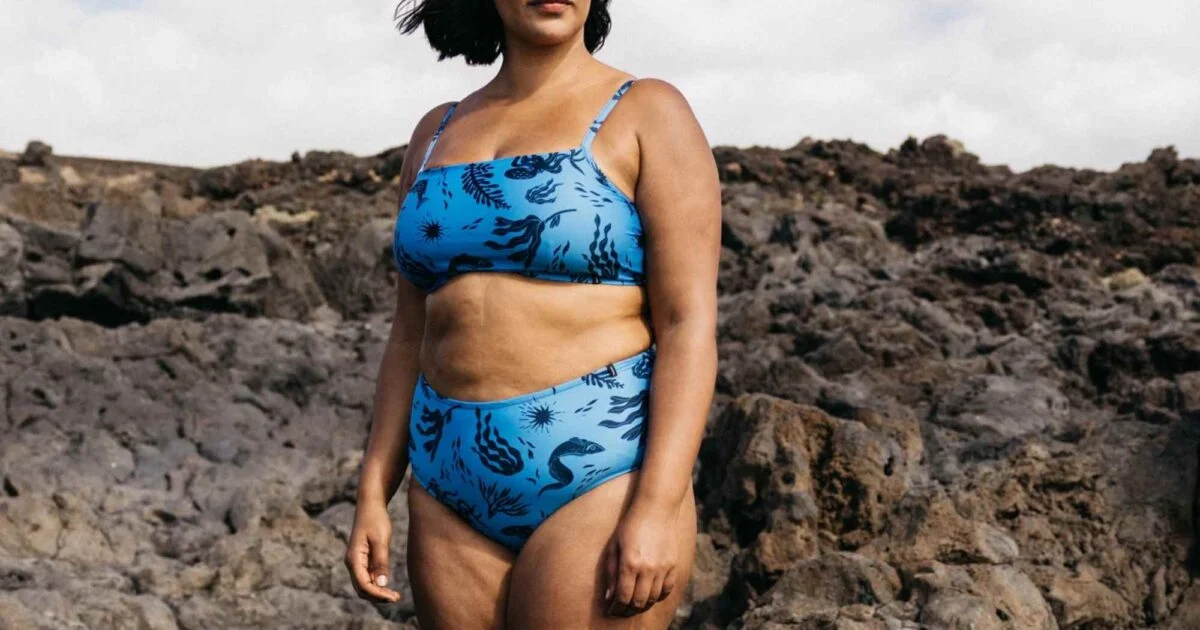
As bikini season arrives, consumers face the perennial challenge of finding the perfect summer staple that combines style, comfort, and increasingly, sustainability. The search for swimwear that aligns with environmental and ethical values has become a significant undertaking, moving beyond mere aesthetics to encompass the profound impact of fashion choices on the planet and its inhabitants. This article delves into the complexities of sustainable swimwear, from material innovations to ethical production, offering a comprehensive guide to making informed decisions for a more responsible summer.
The Environmental Wake of Conventional Swimwear
For decades, the swimwear industry has heavily relied on synthetic fabrics such as nylon, polyester, and spandex. These materials are prized for their moisture-wicking properties, elasticity, and durability in water, making them seemingly ideal for active and leisure swimwear. Furthermore, their versatility and low production cost have cemented their status as industry mainstays, not only in swimwear but also across activewear, outerwear, and the vast landscape of fast fashion. However, the widespread use of these petroleum-derived plastics carries a substantial environmental cost.
A primary concern is their non-biodegradable nature. Unlike natural fibers, synthetic plastics do not decompose at the end of their lifecycle, persisting in landfills and natural environments for hundreds of years. This issue is compounded by the manufacturing process itself, which is energy-intensive and often involves harmful chemicals. More critically, the act of washing synthetic garments releases microscopic plastic fibers, known as microfibers, into waterways. These microfibers, too small to be filtered by most wastewater treatment plants, ultimately enter oceans, where they contribute significantly to marine plastic pollution. Studies estimate that hundreds of thousands of tons of microplastics are released into the environment annually from textiles, posing severe threats to marine life and entering the human food chain. The convenience of machine washing, especially for items worn for short periods like swimwear, exacerbates this problem. Fortunately, gentle hand washing, often recommended for preserving swimwear, also serves as an effective method for reducing microfiber shedding.
Beyond material composition, the fast fashion cycle—characterized by rapid trend turnover, cheap production, and planned obsolescence—encourages overconsumption and generates immense textile waste. Consumers, enticed by new designs and prints, often discard swimwear after only a few seasons, contributing to an estimated 92 million tons of textile waste globally each year. This linear model of "take, make, dispose" is fundamentally unsustainable, pushing ecosystems to their limits.
Innovations Paving the Way for a Greener Dip
In response to growing environmental awareness and consumer demand, the swimwear industry has begun to pivot towards more sustainable practices, particularly in material innovation. This shift marks a crucial evolution from traditional, high-impact synthetics to alternatives that minimize environmental harm.
One of the most significant advancements has been the development of recycled synthetic fabrics. Leading this charge is materials like ECONYL, created by Italian firm Aquafil. ECONYL is a regenerated nylon yarn derived from synthetic waste, including industrial plastic, waste fabric scraps, and critically, discarded fishing nets recovered from oceans. The process involves depolymerizing these waste materials back into their original chemical components, then repolymerizing them into new nylon yarn that is indistinguishable in quality from virgin nylon. This closed-loop system not only reduces the demand for new petroleum-based plastics but also addresses the pervasive problem of marine plastic pollution, particularly "ghost fishing nets" which are lethal to marine life.
Similarly, REPREVE is another prominent recycled fiber, transforming post-consumer plastic bottles into high-performance yarns. Brands utilizing REPREVE contribute to diverting millions of plastic bottles from landfills annually, offering a tangible solution to plastic waste. While these recycled synthetics represent a substantial improvement over virgin materials, it’s important to acknowledge that they are still plastic and will eventually contribute to microplastic shedding and non-biodegradable waste at their end-of-life if not properly recycled. The industry continues to research advanced recycling technologies to address these challenges.
Beyond recycled synthetics, there’s a burgeoning interest in natural alternatives. Hemp, for instance, is emerging as a groundbreaking material for swimwear. Brands like Natasha Tonic have pioneered hemp-based swimwear, leveraging its inherent properties: it is naturally anti-microbial, highly UV resistant, and remarkably durable. Environmentally, hemp is a low-impact crop, requiring significantly less water and no pesticides compared to conventional cotton. Furthermore, it is biodegradable, offering a truly circular solution for swimwear at the end of its functional life. The unique texture and natural feel of hemp also provide a distinct aesthetic and comfort profile.
However, the journey to sustainability extends beyond just materials. Ethical considerations, including labor practices and animal welfare, are equally vital. Brands committed to genuine sustainability ensure fair working conditions, living wages, and safe environments for their garment workers. This often involves working with certified factories, undergoing regular audits, and maintaining transparency throughout their supply chains. For brands using any animal-derived components, ensuring cruelty-free practices is paramount. The broader implications of "sustainability" demand a holistic approach, encompassing environmental, social, and ethical dimensions.
Navigating the Greenwashing Maze: A Call for Scrutiny
As sustainability gains traction, so too does the deceptive practice of "greenwashing." This refers to marketing tactics where companies present an environmentally responsible public image through misleading claims or by highlighting minor sustainable efforts while obscuring larger, unsustainable practices. Consumers must be vigilant and critical when evaluating brand claims.
Common greenwashing tactics include:
- Vague terminology: Using terms like "eco-friendly," "natural," or "sustainable" without specific details or certifications.
- Irrelevant claims: Highlighting a small, environmentally sound aspect while the core business remains unsustainable (e.g., "recycled packaging" for a product made with virgin synthetics).
- Hidden trade-offs: Focusing on one environmental benefit while ignoring other significant impacts (e.g., claiming organic cotton but using toxic dyes).
- Lack of transparency: Failing to provide clear information about supply chains, material sourcing, or production processes.
To counter greenwashing, consumers are encouraged to look for comprehensive certifications from reputable third-party organizations and to consult independent ratings systems. Platforms like Good On You, for example, assess brands across multiple dimensions—environmental impact, labor conditions, and animal welfare—to provide a holistic sustainability rating, enabling consumers to make truly informed choices. The emphasis must shift from singular "eco-friendly" attributes to a brand’s overall commitment to responsible practices across its entire operation.
Pioneering Brands Making Waves in Sustainable Swimwear
The growing demand for ethical and environmentally conscious swimwear has led to the emergence of numerous brands dedicated to making a positive impact. These innovators are redefining what it means to create stylish, durable, and responsible swimwear.
-
Underprotection: This Danish brand epitomizes the fusion of ethics and aesthetics. Their swimwear, alongside loungewear and underwear, is crafted from lower-impact materials, notably organic cotton. A cornerstone of their philosophy is ensuring fair working conditions and wages, partnering exclusively with certified factories. Underprotection also prioritizes circularity in its packaging, utilizing recycled or biodegradable materials. This holistic approach ensures that their elegant designs celebrate women while minimizing environmental and social harm.
-
Loop Swim: Headquartered in Shanghai and founded by two visionary women, Loop Swim is dedicated to closing the loop on waste through circular design principles. They transform post-consumer plastic bottles into high-performance REPREVE UP50+ sun protective swimwear for men, women, and children. By focusing on trendless, high-quality designs, Loop Swim encourages longevity, ensuring garments retain their shape and color over many swims, thus combating the fast fashion cycle. Their commitment extends to active participation in waste reduction and promoting sustainable consumption habits.
-
1 People: A Danish-designed lifestyle and luxury brand, 1 People embodies Scandinavian minimalism and a conscious approach. Their collections are effortlessly elegant, crafted by small, family-run manufacturers using certified, lower-impact materials. This emphasis on local, ethical production ensures not only quality but also supports local economies and reduces the carbon footprint associated with long-distance supply chains.
-
Anekdot: Based in Berlin, Anekdot stands out for its unique approach to sustainability through upcycling. They create exquisite designer underwear, swimwear, and loungewear by repurposing production leftovers, deadstock fabrics, and vintage trimmings. This creative reuse of materials gives new life to what would otherwise be waste, resulting in limited edition products that are both distinctive and environmentally responsible. Their handmade process ensures meticulous craftsmanship and minimizes new resource consumption.
-
ColieCo: This Portuguese brand champions a handmade-to-order model for its lingerie, underwear, and swimwear. By producing garments only when an order is placed, ColieCo significantly reduces waste from overproduction. Each piece is meticulously crafted using lower-impact and responsibly sourced fabrics, ensuring both premium quality and ethical integrity. Their localized production further contributes to a reduced environmental footprint.
-
Natasha Tonic: A pioneer in natural fiber swimwear, Natasha Tonic has revolutionized the industry with swimwear made from hemp. Recognizing the limitations of traditional polyester, the brand leverages hemp’s natural anti-microbial, UV-resistant, and durable properties, offering a healthier choice for skin and oceans. Each piece is hand-printed, imbuing a unique, artisanal quality and ensuring that sustainable fashion does not compromise on individual style. This commitment to natural, biodegradable materials represents a significant step towards truly circular swimwear.
-
Kampos: An Italian luxury brand, Kampos integrates integrity and conscience into its mission. Their swimwear collections are crafted from recycled plastic bottles, fishing nets, and other lower-impact organic fabrics. Beyond material choices, Kampos actively aims to raise awareness about over-fishing and marine pollution, using their brand as a platform for environmental advocacy. Their designs offer consumers unique pieces that embody both Italian luxury and a deep commitment to ocean conservation.
-
Finisterre: Born from the rugged needs of British surfers, Finisterre is a pioneering outdoor brand anchored in exceptional, more sustainable products. Their commitment is built on inspiring a love for the sea, reflected in durable designs made to withstand the elements and last for years. This focus on longevity and performance is a core tenet of sustainable consumption, encouraging consumers to buy less and choose well.
-
BONDI BORN: A luxury Australian swimwear brand, BONDI BORN is renowned for its versatile and silky designs crafted with consciousness. While known for their exquisite swimwear, their sustainable ethos extends to other apparel, often utilizing premium, lower-impact materials like Bulgarian linen blends. Their commitment to sustainable manufacturing processes ensures that their elegant garments meet high environmental and ethical standards.
-
Modibodi: While primarily known for its original period and leak-proof underwear, Modibodi represents a broader movement towards sustainable intimates that reduce reliance on disposable products. Their innovative designs, often using advanced fabric technologies, offer inclusive sizing and challenge conventional consumption patterns, aligning with the core principles of sustainability in personal care.
-
NIKIN: This Swiss brand uniquely intertwines consumer purchases with environmental action. For every NIKIN product sold, a tree is planted, allowing customers to tangibly contribute to reforestation and carbon offsetting. This direct link to environmental restoration fosters a sense of "tree pride" among consumers, making sustainability a personal and visible commitment.
-
TWOTHIRDS: Seeing itself as a brand for individuals deeply aware of the immense value of oceans, TWOTHIRDS combines this reverence with a thirst for style. They reduce their carbon footprint by manufacturing all products locally and rigorously auditing their final stage of production. This commitment to local, transparent production practices ensures a lower environmental impact and ethical supply chain.
-
Spell: An Australian fashion brand, Spell draws inspiration from far-off places, vintage treasures, and cherished childhood memories. Their garments, including swimwear, are proudly designed and sampled in Byron Bay and produced responsibly in factories globally. Their aesthetic often leans towards timeless, bohemian styles, encouraging longevity and reducing the impact of fleeting trends.
-
Afends: Hailing from Byron Bay, Australia, Afends is a leading voice in hemp fashion. Deeply inspired by the environment, streetwear, and surf culture, their mission is to foster more sustainable clothing through innovation and positive change. As staunch hemp advocates, they’ve taken the extraordinary step of purchasing 100 acres of farmland, "Sleepy Hollow," to cultivate their own hemp crops, directly controlling their supply chain and championing the "hemp revolution."
-
CASAGiN: This Italian brand designs apparel for those who aspire to a more sustainable and conscious lifestyle, extending beyond their closets. Their focus on thoughtful design and material selection encourages consumers to make intentional choices that resonate with broader ethical values.
-
Koraru: Named after the Japanese word for ‘coral,’ Tokyo-based Koraru crafts swimwear inspired by circularity principles. They utilize lower-impact materials, offer a recycling program for their products, and partially trace their supply chain, demonstrating a commitment to responsible production and end-of-life solutions.
The Future of Responsible Recreation
The movement towards sustainable swimwear is a microcosm of the larger shift occurring within the fashion industry. It highlights a growing recognition that consumer choices, collective action, and brand responsibility are essential for addressing pressing environmental and social challenges. As innovation continues to yield new materials and production methods, the options for ethically conscious consumers will expand. The future of swimwear lies in designs that not only make individuals feel good but also do good for the planet and its people, ensuring that our enjoyment of the water doesn’t come at the expense of its health.