
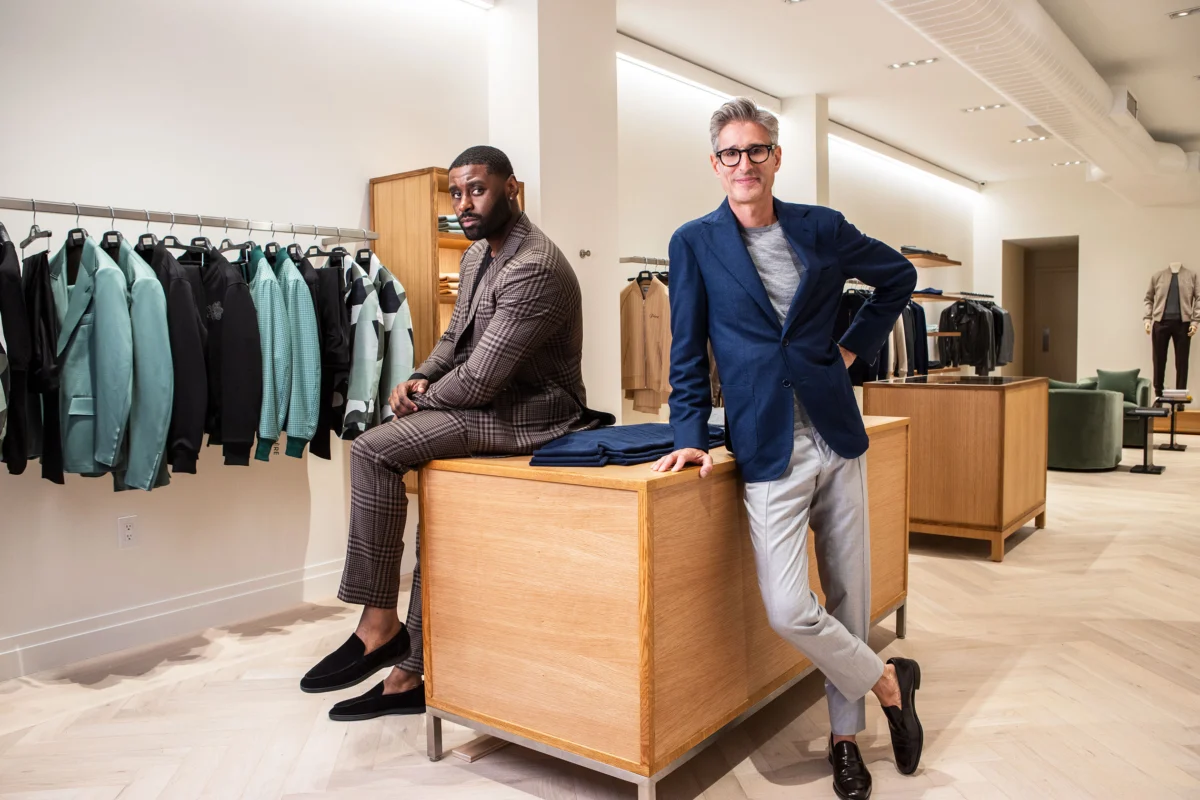
The intersection of high-stakes technology and high-end fashion has found a new focal point in the heart of Manhattan. Frère, a bespoke and ready-to-wear luxury brand that has rapidly ascended to become the preferred clothier for global power players, has officially inaugurated its first flagship boutique in New York City’s SoHo neighborhood. This milestone marks a significant transition for the brand, which launched in March and has already secured an elite clientele including Apple CEO Tim Cook, music mogul Jay-Z, and Coinbase co-founder Fred Ehrsam. By blending the precision of traditional tailoring with the relaxed requirements of the modern executive, Frère is positioning itself as the primary architect of the "quiet luxury" movement within the technology sector.
The opening of the SoHo location represents more than just a retail expansion; it is a strategic move to capture a market of high-net-worth individuals who increasingly value understated elegance over overt branding. The brand’s offerings—ranging from $3,490 wool knit tracksuits to $5,990 cashmere overcoats—reflect a shift in executive wardrobes toward "investment pieces" that prioritize material quality and fit. As the tech industry continues to mature, its leaders are moving away from the casual "startup uniform" of the past decade toward a more refined, albeit still subtle, aesthetic.
Founding Vision: A Synthesis of Heritage and Corporate Expertise
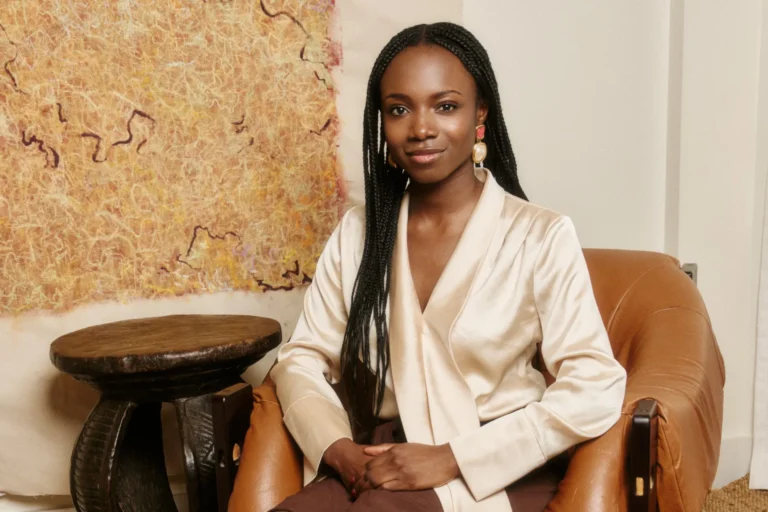
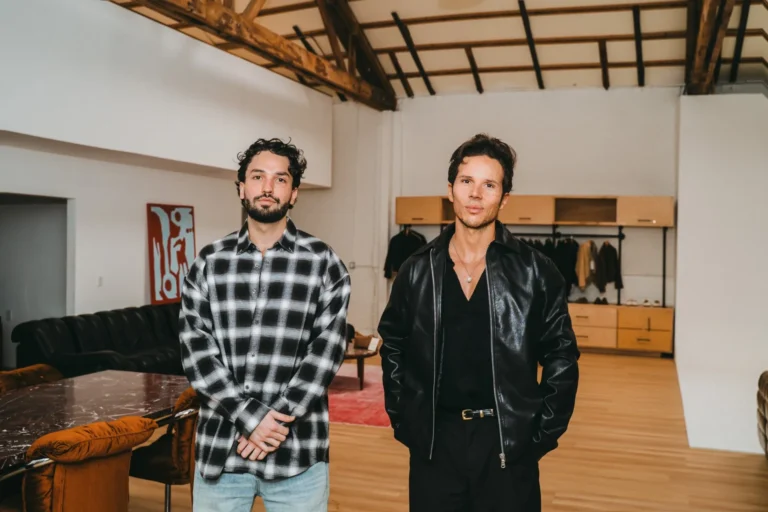
The rapid rise of Frère can be attributed to the unique partnership between its co-founders, Davidson Petit-Frère and François Kress. Petit-Frère, who serves as the brand’s creative director, followed an unconventional path into the fashion world. He began his career in the high-end real estate market, where he recognized the psychological impact of a well-tailored suit. After honing his skills through internships and self-study, he launched Musika Frère, a bespoke label that became a favorite among athletes and entertainers, including Beyoncé and Stephen Curry.
In contrast, CEO François Kress brings decades of institutional knowledge from the upper echelons of the European luxury industry. Kress’s resume reads like a directory of the world’s most prestigious fashion houses, having served as the president of Fendi in North and South America, managing director of Bulgari, and president and CEO of Prada Group for the United States. This combination of Petit-Frère’s creative intuition and Kress’s operational expertise has allowed the brand to scale with a level of sophistication rarely seen in new labels.
"We saw an opportunity to reshape the menswear narrative by focusing on what will never go out of style: beautiful tailoring, timeless elegance, and exceptional craftsmanship," Kress stated during the launch. Petit-Frère added that the brand’s aesthetic is a deliberate balance of innovation and cultural relevance, incorporating elements of his Haitian heritage into the sophisticated silhouettes that define the collection.
The Evolution of the Executive Uniform
For decades, the "tech bro" aesthetic was defined by a rejection of formality. The Silicon Valley uniform—consisting of the Patagonia "Midtown Uniform" vest, hooded sweatshirts, and logo-emblazoned T-shirts—was a signal of disruption, suggesting that the wearer was too busy building the future to care about sartorial standards. However, as the founders of the social media and fintech eras have transitioned into elder statesmen of global industry, their wardrobes have undergone a parallel evolution.
Recent public appearances by figures like Mark Zuckerberg and Jeff Bezos have signaled a departure from the "uniform" approach. Zuckerberg has recently been seen in textured, high-end knits and gold chains, while Bezos has embraced a more rugged, high-fashion aesthetic. Frère enters this space by offering a middle ground: clothing that is as comfortable as a hoodie but carries the prestige of a bespoke suit.
The "quiet luxury" trend, popularized by shows like Succession and the rise of brands like Loro Piana and Brunello Cucinelli, emphasizes the use of ultra-premium materials like vicuña, cashmere, and high-gauge wool in neutral palettes. For a tech CEO, wearing a $1,000 neutral-toned T-shirt or a $3,500 knit tracksuit is a way to signal status to those "in the know" without alienating a broader workforce or appearing out of touch with the minimalist tech ethos.
Strategic Capital and the Influence of High-Profile Investors
Frère’s business model has attracted significant interest from the venture capital and private equity communities, sectors that traditionally shy away from the volatility of fashion. The company is currently in the process of raising its seed round, led by Robert Nelsen, a prominent angel investor and the co-founder of ARCH Venture Partners. Nelsen, primarily known for his prolific investments in the biotechnology sector, represents the exact demographic Frère is targeting.
Nelsen’s involvement is a testament to the brand’s appeal within the "intellectual elite" of the investment world. "They make a helluva suit, plain and simple," Nelsen remarked. "Frère blends timeless craftsmanship with a fresh perspective. For folks in tech, it’s about having style that feels personal but still professional, something that reflects who you are and where you’re going."

The investor roster also includes Jay-Z, whose S. Carter Enterprises has a history of identifying and scaling luxury lifestyle brands, and Robert Hamwee of New Mountain Capital. The influx of capital has been utilized to build a robust design team and secure the prime real estate required for a SoHo flagship. By aligning with investors from the tech and finance sectors, Frère is ensuring that its brand ambassadors are also its financial backers, creating a closed-loop ecosystem of influence.
The Importance of Physical Retail in the Digital Age
In an era where many direct-to-consumer brands are abandoning physical storefronts to reduce overhead, Frère has taken the opposite approach. Until recently, the brand had no e-commerce presence, relying entirely on private appointments and the new SoHo boutique to move inventory. An e-commerce platform is slated to launch later this month, but the founders maintain that the physical experience is central to the brand’s identity.
Luxury fashion, particularly at the price points Frère commands, relies on the tactile experience. The drape of a $6,000 cashmere coat or the hand-feel of a bespoke knit cannot be adequately communicated through a smartphone screen. Kress noted that the flagship store serves as a storytelling device, allowing customers to immerse themselves in the brand’s world.
This "physical-first" strategy aligns with broader trends in the luxury market. According to recent industry reports, while digital sales are growing, over 75% of luxury purchases are still influenced by or completed in a physical store. For the high-powered executive, the boutique experience—complete with personalized tailoring and a curated environment—is a service that justifies the premium pricing.
Market Analysis: The Rise of Luxury Menswear
The launch of Frère’s flagship comes at a time of robust growth for the global luxury menswear market. Industry analysts at Bain & Company and McKinsey have noted that menswear is currently outperforming womenswear in terms of growth rate in several key regions. This is driven by an increasing fashion consciousness among male consumers and a shift toward "casualization" that still demands high quality.
The global luxury apparel market is projected to reach over $100 billion by 2028, with the "quiet luxury" segment being one of the fastest-growing niches. Frère is positioned to capture a significant share of this growth by targeting a specific psychographic: the "New Executive." This consumer is younger than the traditional luxury buyer, more tech-savvy, and values authenticity and founder-led narratives.
Implications for the Fashion and Tech Industries
The success of Frère suggests a permanent shift in how professional identity is constructed in the 21st century. As the boundaries between work and life continue to blur, the demand for versatile clothing that can transition from a board meeting to a private jet or a casual dinner is at an all-time high.
For the fashion industry, Frère represents a successful model of how to launch a luxury brand in a crowded market: identify a specific, underserved high-value community (tech leaders), partner with industry veterans for operational stability, and maintain extreme exclusivity through limited distribution.
For the tech industry, the brand’s prominence signals a new level of cultural maturity. Silicon Valley is no longer just the engine of the global economy; it is now a primary driver of global taste. As leaders like Tim Cook and Fred Ehrsam adopt Frère, they are setting a new standard for what success looks like—one that is defined by "understated style that speaks the loudest."
As Frère prepares to launch its e-commerce platform and complete its seed funding, the eyes of both Seventh Avenue and Sand Hill Road will be on the brand. Whether Frère can maintain its aura of exclusivity while scaling to a global audience remains to be seen, but its current trajectory suggests that the "tech-luxury" hybrid is here to stay.