








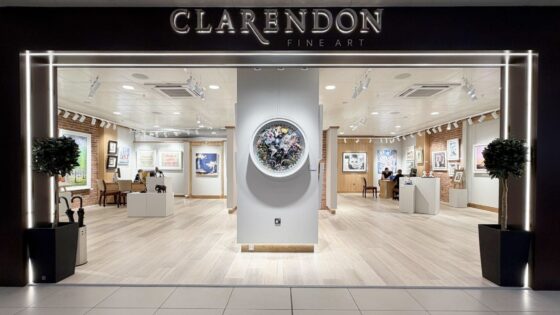
John Lewis has officially announced a strategic partnership with Clarendon Fine Art to integrate dedicated gallery spaces within three of its flagship department store locations. This initiative marks a significant shift in the retailer’s long-standing strategy to revitalize its physical footprint by diversifying its product offerings beyond traditional home goods, fashion, and electronics. As the retail landscape continues to grapple with the dual pressures of digital transformation and shifting consumer preferences, the collaboration serves as a pilot program aimed at converting high-street stores into "lifestyle destinations" rather than mere points of sale.
The Strategic Shift in Retail Environments
The decision to introduce high-end fine art into the John Lewis shopping environment reflects a broader trend among major department store chains seeking to capture the attention of affluent demographics. For decades, the department store model relied heavily on high-volume, mid-market inventory. However, as e-commerce giants have commoditized basic household items, traditional retailers have been forced to pivot toward "experiential retail."
By partnering with Clarendon Fine Art—a gallery network known for representing both contemporary masters and emerging artists—John Lewis is effectively attempting to increase "dwell time." In the retail industry, dwell time is a critical metric; the longer a customer remains in a store, the higher the statistical probability of a purchase. Integrating art galleries creates a unique sensory environment that encourages browsing, conversation, and a premium brand association that digital-only competitors cannot easily replicate.
Chronology of the Partnership and Pilot Launch
The timeline leading up to this announcement began in early 2026, as John Lewis sought to address declining foot traffic in its larger regional hubs. The project underwent an intensive development phase during the second quarter of the year, involving architectural assessments of floor plans to accommodate the specific lighting and security requirements inherent in displaying high-value fine art.
- Q1 2026: Initial discussions between John Lewis leadership and Clarendon Fine Art management regarding brand alignment and target market overlap.
- May 2026: Feasibility studies conducted at six potential locations to determine optimal spatial flow and security protocols.
- August 2026: Finalization of the partnership agreement, focusing on three key flagship sites that demonstrate strong demographic profiles for luxury acquisitions.
- September 22, 2026: Official public announcement of the partnership and the commencement of the phased rollout.
- Q4 2026: Anticipated opening of the inaugural three gallery spaces in time for the peak holiday shopping season.
Supporting Data and Market Context
The retail sector in the United Kingdom has seen a marked shift in spending habits over the last five years. According to industry data from the Office for National Statistics (ONS), while online retail growth has plateaued, the "experience economy"—which includes leisure, culture, and premium services—has continued to grow at a compound annual growth rate (CAGR) of 4.2%.
Furthermore, consumer surveys conducted in early 2026 indicated that 68% of luxury shoppers value "in-store curation" as a primary factor when choosing to visit a physical location over buying online. For John Lewis, this partnership is a calculated risk. The retailer, which has undergone various restructurings in recent years, is leveraging its reputation as a trusted brand to move into the high-margin art market.
Fine art retail typically carries higher profit margins than apparel or homeware. While the inventory turnover is significantly slower, the average transaction value (ATV) in the fine art sector can reach into the tens of thousands of pounds, providing a lucrative boost to the store’s overall revenue per square foot.
Official Perspectives and Corporate Strategy
While specific financial terms of the partnership have not been disclosed, representatives from both entities have emphasized the cultural and commercial synergy of the venture. In an internal briefing, John Lewis executives noted that the integration of art into the retail space is intended to create a "seamless blend of shopping and culture."
Clarendon Fine Art, which has successfully expanded its footprint in high-end shopping centers and luxury hotels, sees the partnership as an opportunity to introduce art to a wider, yet still affluent, audience. By embedding their galleries within a department store, they remove the perceived "exclusivity barrier" that often prevents potential buyers from entering standalone high-end galleries. The partnership aims to provide a more approachable, welcoming environment where shoppers can interact with professional curators while simultaneously browsing the store’s traditional inventory.
Broader Implications for the Department Store Sector
The integration of art galleries into department stores is not merely a cosmetic change; it is a fundamental reconfiguration of the retail value proposition. If the pilot in the three chosen locations proves successful, the model is expected to scale to other high-performing locations across the UK.
Impact on Store Design
The architecture of the department store is undergoing a metamorphosis. Future retail spaces are expected to move away from rigid, product-heavy displays toward flexible, gallery-style layouts. This design shift allows retailers to host events, artist talks, and private viewings, effectively turning the department store into a community hub.
The Challenge of Inventory Management
One of the primary challenges for John Lewis will be maintaining the integrity of the gallery environment within a busy retail store. High-value art requires climate control, specific lighting, and specialized insurance—all of which are significantly more complex than managing traditional retail inventory. The success of the partnership will hinge on whether the store staff can maintain the "premium" aura required to sell fine art while still managing the operational demands of a high-street retailer.
Competitive Positioning
This move also places John Lewis in direct competition with smaller, independent art dealers and boutique lifestyle retailers. However, it also provides a unique competitive advantage against pure-play online retailers. By providing a tactile, curated, and social experience, John Lewis is doubling down on the one thing e-commerce cannot offer: the physical presence of a masterpiece.
Long-term Outlook
As we look toward the remainder of 2026 and into 2027, the success of this collaboration will be monitored closely by retail analysts. If the "enhanced in-store experience" translates into increased footfall and higher overall transaction values, it is likely that other major retailers will follow suit, potentially leading to a new era of "Department Store as Cultural Center."
The partnership is a clear signal that the future of brick-and-mortar retail is not in competing on price, but in competing on value and experience. By aligning with a recognized player in the art market, John Lewis is positioning itself to capture a larger share of the luxury consumer’s discretionary spending. Whether this will be enough to reverse the long-term trends facing the high street remains a subject of intense debate among industry experts; however, the initiative represents a bold, proactive step toward redefining the retail experience for a new generation of shoppers.
Ultimately, the marriage of retail and fine art serves as a microcosm of the modern consumer’s desire for enrichment. In an era where products are easily acquired with a single click, the physical store must offer something more—a narrative, an aesthetic, and an environment that validates the consumer’s lifestyle. John Lewis is betting that by surrounding their customers with art, they can transform the mundane task of shopping into a meaningful cultural event.