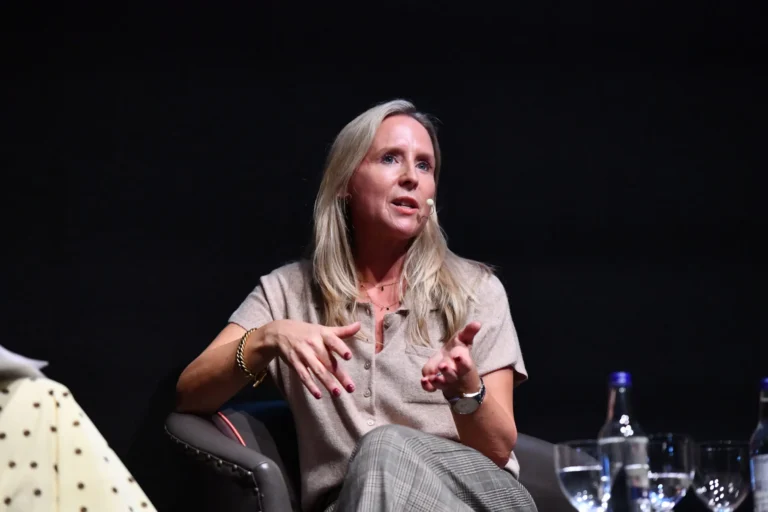











Burberry has officially appointed Dafydd Moore, the former director of global technology at Superdry, to the position of vice-president for business technology. This strategic appointment signals a pivotal shift in the luxury fashion house’s ongoing digital transformation agenda, as the brand seeks to integrate advanced technological solutions into its retail, supply chain, and customer engagement operations. The move comes at a time when legacy luxury retailers are increasingly under pressure to digitize their operations to remain competitive in a landscape dominated by data-driven consumer behavior and omnichannel retail expectations.
A Strategic Leadership Transition
Dafydd Moore brings a wealth of experience in high-growth retail environments, having spent several years overseeing the technological infrastructure at Superdry. His tenure there was marked by a commitment to scaling cloud-based systems and streamlining e-commerce capabilities. At Burberry, Moore is expected to oversee the next phase of the brand’s "Digital First" strategy, a cornerstone of its broader turnaround plan.
In his new role, Moore will be tasked with bridging the gap between traditional luxury service—the hallmark of the Burberry experience—and the increasingly digital touchpoints that define modern global retail. This includes overseeing internal business technology platforms, optimizing data analytics for inventory management, and enhancing the digital backend that supports the company’s physical flagship stores worldwide.
The Evolution of the Luxury Tech Landscape
The appointment of a technology executive from the high-street fashion sector to a heritage luxury brand like Burberry is reflective of a wider trend in the luxury industry. For decades, luxury houses operated with a degree of digital detachment, prioritizing exclusivity and in-store experience over technological integration. However, the post-pandemic retail environment has forced a rethink.

Data analytics, artificial intelligence, and sophisticated inventory management systems are no longer secondary concerns; they are now critical to maintaining profit margins. According to recent industry reports, global luxury retailers are projected to increase their annual technology expenditure by approximately 12% through 2028. The primary drivers of this investment are personalized customer experiences, supply chain transparency, and the optimization of omnichannel sales—all areas where Burberry is looking to solidify its standing.
Chronology of Burberry’s Technological Pivot
Burberry has long positioned itself as a pioneer in digital luxury. The company’s history with technology is well-documented:
- 2006–2014: Under the leadership of Angela Ahrendts, Burberry became one of the first major luxury brands to embrace social media and live-streaming runway shows, setting a precedent for the industry.
- 2018–2021: The company underwent a significant operational restructure, focusing on digitizing its supply chain to reduce waste and improve speed-to-market.
- 2023: Burberry announced a series of investments in AI-driven tools aimed at predicting luxury demand in emerging markets, particularly within the Asia-Pacific region.
- 2026 (Current): The appointment of Dafydd Moore follows a period of organizational realignments aimed at stabilizing the brand’s market share amidst fluctuating global economic conditions.
Supporting Data and Market Context
The retail fashion sector is currently navigating a complex environment characterized by inflationary pressures and a shift in consumer demographics. For a brand like Burberry, the challenge lies in maintaining its premium positioning while ensuring that its technological backbone is agile enough to respond to rapid market changes.
Market analysis suggests that retailers who invest in "composable commerce"—a modular approach to software that allows brands to swap out specific digital tools as needed—are seeing a 15% increase in operational efficiency compared to those tied to monolithic, legacy IT systems. As Burberry integrates Moore into its leadership team, the expectation from analysts is that he will lead the transition toward these more flexible, scalable architectures.
Furthermore, the integration of data-driven insights into the supply chain is essential for sustainability—a key pillar for Burberry. By utilizing advanced technology to monitor product lifecycles, from raw material sourcing to the end-of-life of the garment, the brand aims to bolster its ESG (Environmental, Social, and Governance) credentials.

Official Perspectives and Industry Reaction
While official statements from Burberry have been limited to the confirmation of the appointment, industry observers have reacted positively to the move. Retail analysts suggest that recruiting from a brand like Superdry—which has had to navigate the complexities of international logistics and rapid fashion cycles—provides Burberry with a pragmatic perspective on technology.
"The move is logical," notes a leading retail consultant. "Burberry has the heritage, but it needs the technical execution to ensure that its digital presence is as polished as its physical products. Bringing in a director-level executive from the high-street sector indicates that Burberry is looking for operational rigor rather than just experimental digital initiatives."
There is an implicit expectation that Moore will work closely with the brand’s chief information officer to modernize the internal reporting structures that connect regional offices in London, New York, and Hong Kong. By streamlining these workflows, the company hopes to reduce the latency in information sharing that often plagues global luxury conglomerates.
Broader Implications for the Luxury Sector
The hiring of Dafydd Moore is a clear indicator that the "luxury tech" divide is closing. As consumers increasingly expect a seamless transition between mobile apps, social media advertising, and in-store personalization, brands are finding that their IT departments are just as important as their design studios.
For Burberry, the implications of this hire are twofold:
- Operational Efficiency: By streamlining internal business technologies, the company aims to reduce administrative overhead, allowing more resources to be allocated toward creative endeavors and marketing.
- Enhanced Consumer Personalization: With a more robust data infrastructure, Burberry is better positioned to leverage AI to offer bespoke recommendations to its high-net-worth clientele, thereby increasing customer lifetime value.
The transition also highlights the increasing importance of the VP role within fashion organizations. Once a position focused strictly on maintenance and IT support, the VP for business technology is now a strategic partner in the boardroom, influencing how the brand interacts with its global audience.
Conclusion
The appointment of Dafydd Moore marks a significant moment in Burberry’s ongoing evolution. As the brand navigates a volatile global market, the infusion of fresh leadership in its technology division serves as a reminder that even the most established heritage brands must adapt their internal machinery to remain relevant. Whether this move will result in a measurable uptick in digital engagement and operational efficiency remains to be seen, but it is clear that Burberry is committed to a future where technology is woven into the very fabric of its identity.
As the company moves into the final quarter of the fiscal year, stakeholders will be looking for signs of how Moore’s expertise in global technology platforms will manifest in the brand’s upcoming retail strategies. For now, the appointment stands as a calculated step toward securing Burberry’s position as a forward-thinking leader in the digital age of luxury.