










The prevailing narrative surrounding the modern high street has frequently focused on the contraction of traditional retail footprints. However, as the industry moves through the final quarter of 2026, a countervailing trend has emerged: a strategic, targeted expansion by fashion retailers who are leveraging physical presence to deepen brand loyalty and enhance omnichannel integration. While the broader macroeconomic climate remains challenging, a significant cohort of retailers is bucking the trend of store closures, opting instead to open new locations in key metropolitan hubs and high-footfall shopping centers.
The Evolution of Physical Retail in 2026
The physical retail landscape in 2026 is markedly different from the models that dominated the pre-pandemic era. Rather than focusing solely on transaction volume, retailers are now prioritizing "experience-led" stores. These spaces function as showrooms, community hubs, and logistics nodes for click-and-collect services. This shift is a direct response to the integration of advanced digital tools in the customer journey. Retailers have recognized that the store is no longer just a place to buy goods; it is a critical touchpoint that increases the lifetime value of a customer.
Data from the first three quarters of 2026 suggests that retailers who invest in "experiential" brick-and-mortar locations report a 15% increase in online conversion rates within the same catchment area. This phenomenon, often referred to as the "halo effect," underscores why major fashion brands are continuing to secure prime real estate despite the increased costs of operations and labor.
Chronology of Expansion: 2026 Milestones
The expansion wave of 2026 began in earnest during the first quarter, as retailers sought to capitalize on the post-holiday lull to secure favorable lease terms.
- Q1 2026: Retailers focused on consolidating their presence in flagship city centers. High-end fashion houses led the charge, securing long-term leases in London, Paris, and Milan, emphasizing sustainable architecture and reduced carbon footprints in their new store designs.
- Q2 2026: Mid-market brands began shifting their strategy toward "neighborhood retail." By moving away from hyper-competitive primary shopping streets and into affluent suburban districts, these retailers managed to lower their rental overheads while maintaining proximity to their core demographics.
- Q3 2026: The focus shifted to "omnichannel integration." New stores opened during this period featured dedicated zones for digital returns, style consultations, and personalized shopping appointments, reflecting the industry’s pivot toward high-service models.
- Q4 2026: As the year concludes, the focus is on maximizing holiday throughput. Retailers are opening pop-up concepts and seasonal showrooms designed to drive brand awareness during the most critical shopping period of the year.
Supporting Data and Market Trends
Industry analysis from mid-2026 indicates that while the total number of physical retail units has stabilized, the quality and technological capability of these units have risen significantly. Research indicates that capital expenditure on store fit-outs has increased by approximately 8% compared to 2025. This investment is primarily directed toward digital infrastructure—such as smart fitting rooms, inventory-linked mobile point-of-sale systems, and automated warehouse connectivity—that allows stores to function as micro-fulfillment centers.
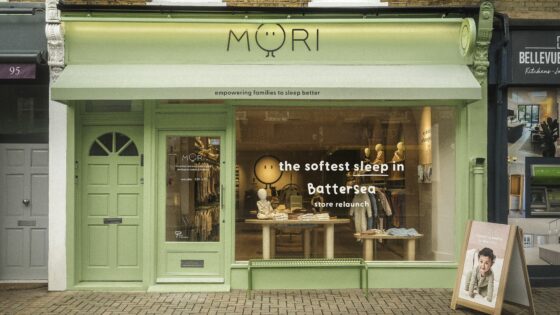
Furthermore, commercial real estate reports highlight a shift in vacancy rates. While secondary retail sites continue to struggle, "destination" shopping centers—those that offer a mix of leisure, hospitality, and retail—have seen a 4% decline in vacancy rates over the last nine months. This suggests that the retail property market is bifurcating: spaces that cannot offer an experience are being repurposed, while those that do remain in high demand.
Stakeholder Perspectives and Industry Reactions
Retail executives have been vocal about the necessity of this physical expansion. During recent earnings calls, several CEOs noted that their physical stores serve as the most effective "marketing billboards." By placing a store in a high-traffic area, the brand gains visibility that digital advertising alone cannot replicate.
"The physical store is the most powerful tool in our arsenal for brand building," said a senior director at a leading global fashion group. "When a customer interacts with the product in a curated environment, the return rate drops by nearly 20% compared to online-only purchases. That alone justifies the expansion, regardless of the direct sales generated in-store."
Conversely, labor unions and retail consultants have raised questions regarding the long-term sustainability of this expansion. The rising cost of staffing, coupled with inflationary pressures on utility bills, means that retailers must maintain exceptionally high sales-per-square-foot metrics to remain profitable. This has led to a more disciplined approach to store openings, with firms favoring smaller, high-efficiency footprints over the sprawling multi-floor department stores that characterized the previous decade.
The Broader Implications for the High Street
The implications of this targeted expansion are twofold. First, it signifies a maturation of the omnichannel model. Retailers are no longer viewing physical and digital as competing channels, but as a singular, cohesive ecosystem. This integration is essential for brands looking to maintain market share in an era of discerning, tech-savvy consumers.
Second, the expansion highlights the changing nature of urban planning. As retailers adapt to the needs of the modern shopper, they are working more closely with landlords to create "mixed-use" environments. This includes integrating retail with residential and office spaces to ensure a steady stream of foot traffic throughout the week, rather than relying solely on weekend surges.
However, the risk of over-expansion remains. Retailers must balance their desire for physical growth with the reality of an increasingly volatile global supply chain and changing consumer spending habits. The brands that succeed in 2026 and beyond will be those that prioritize agility, allowing them to scale their physical presence up or down based on real-time data analytics.
Strategic Outlook: Looking Beyond 2026
As we look toward 2027, the retail sector appears to be entering a period of "cautious optimism." The retailers opening stores this year are not doing so blindly; they are using data-driven insights to select locations that offer the best return on investment. The focus is no longer on simply filling empty storefronts but on creating a curated network of locations that serve the specific needs of a localized customer base.
The high street is not dead; it is being redefined. The retailers highlighted in our ongoing coverage are the pioneers of this new era. By blending the immediacy of digital convenience with the tactile, sensory experience of a physical store, these brands are setting the standard for the next decade of fashion retail.
In conclusion, the expansion of 2026 is a testament to the resilience of the retail sector. While the challenges of the last several years have been immense, the industry’s ability to pivot and adapt has ensured that the physical store remains a cornerstone of the fashion economy. As retailers continue to navigate the complexities of the modern marketplace, those who maintain a clear vision for the role of the physical store will undoubtedly be the ones to define the future of the industry. The upcoming months will be critical in determining which strategies prove the most durable, but one thing remains clear: for the savvy retailer, there is still plenty of room to grow.