

The Solomon R. Guggenheim Museum in New York City served as the architectural backdrop for a significant intersection of high fashion and contemporary art on Thursday evening, as CULTURED Magazine and Valentino co-hosted the third annual CULT100 celebration. The event, which honors the magazine’s curated list of the 100 most influential figures across the global cultural landscape, provided a high-profile platform for the debut of Valentino’s latest aesthetic direction under the leadership of Creative Director Alessandro Michele. As the fashion house undergoes a pivotal transition in its design identity, the evening functioned as both a celebration of artistic achievement and a showcase for the Spring 2026 collection, which emphasizes a departure from previous seasons toward a more eclectic, vintage-inspired maximalism.
The guest list featured a diverse array of actors, musicians, and industry pioneers, many of whom arrived dressed in signature looks from Michele’s recent collections. The presence of Valentino Beauty as a secondary partner further underscored the brand’s holistic approach to its new era, blending sartorial innovation with a distinct cosmetic identity. The event occurred amidst a broader resurgence in the New York City gala circuit, where the convergence of luxury brands and institutional art spaces continues to define the seasonal social calendar.
The Architectural and Cultural Context of the CULT100
The choice of the Guggenheim Museum, a Frank Lloyd Wright-designed landmark, was intentional. The museum’s spiraling rotunda has long been a site where the boundaries between different creative disciplines are blurred. For CULTURED Magazine, an outlet dedicated to the synthesis of art, architecture, and design, the CULT100 list represents a definitive annual ranking of those pushing the boundaries of creative expression. The 2024-2025 cohort includes a mix of established icons and emerging talents who have demonstrated significant impact in visual arts, cinema, and social activism.
By partnering with Valentino, CULTURED aligned its editorial mission with a fashion house currently undergoing one of the most talked-about transformations in the industry. Alessandro Michele, who took the helm at Valentino following a highly publicized tenure at Gucci, has brought a sense of historical romanticism and "more-is-more" philosophy to the storied Italian brand. The CULT100 event served as a practical application of this new vision, demonstrating how Michele’s designs translate from the runway to the red carpet in a setting defined by intellectual and artistic rigor.
Chronology of the Evening and Red Carpet Highlights
The evening commenced with a red carpet arrival sequence along the museum’s Fifth Avenue entrance, followed by a cocktail reception and a formal seated dinner within the rotunda. The fashion choices of the attendees provided a real-time analysis of the Valentino Spring 2026 collection’s commercial and editorial viability.
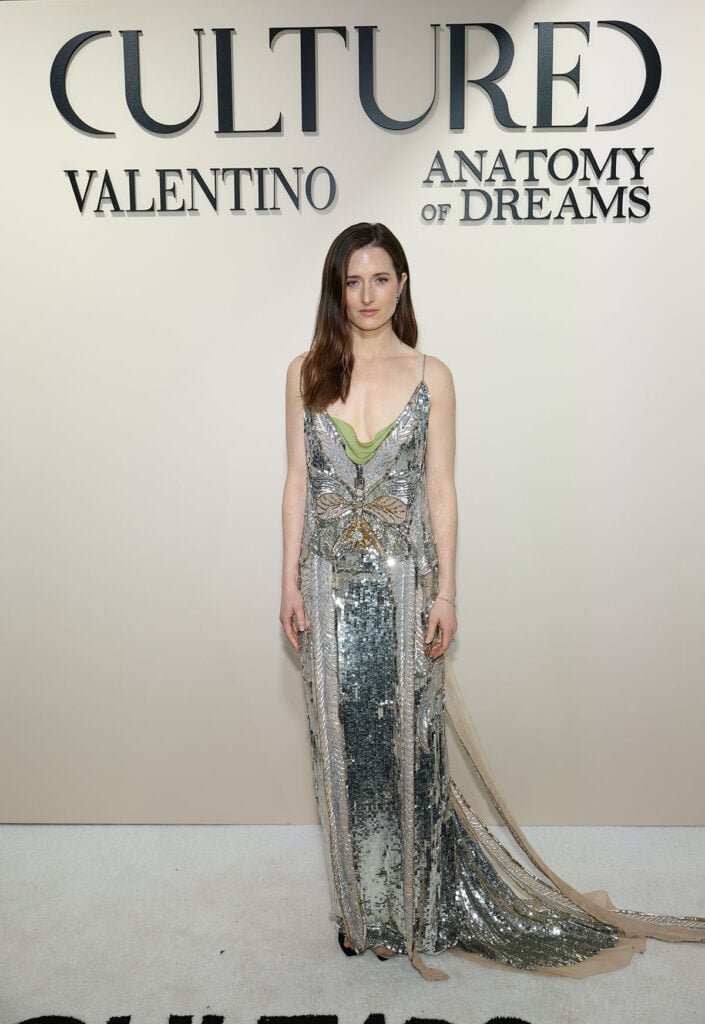
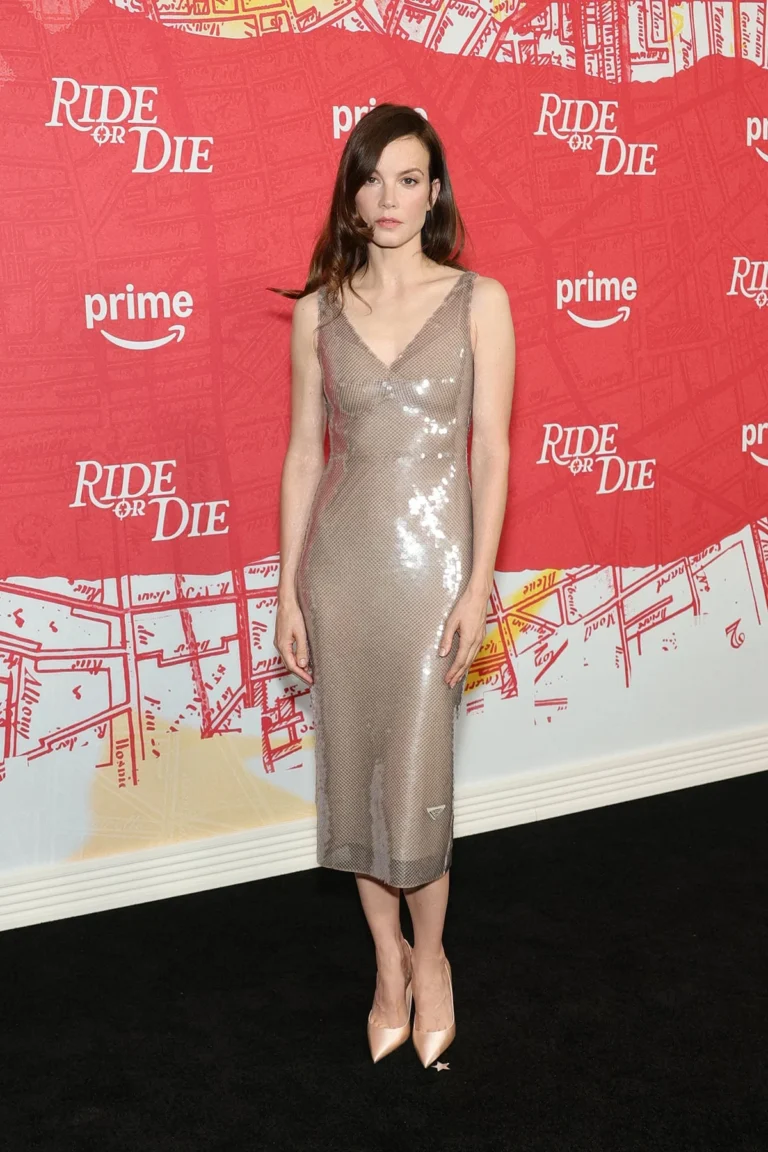
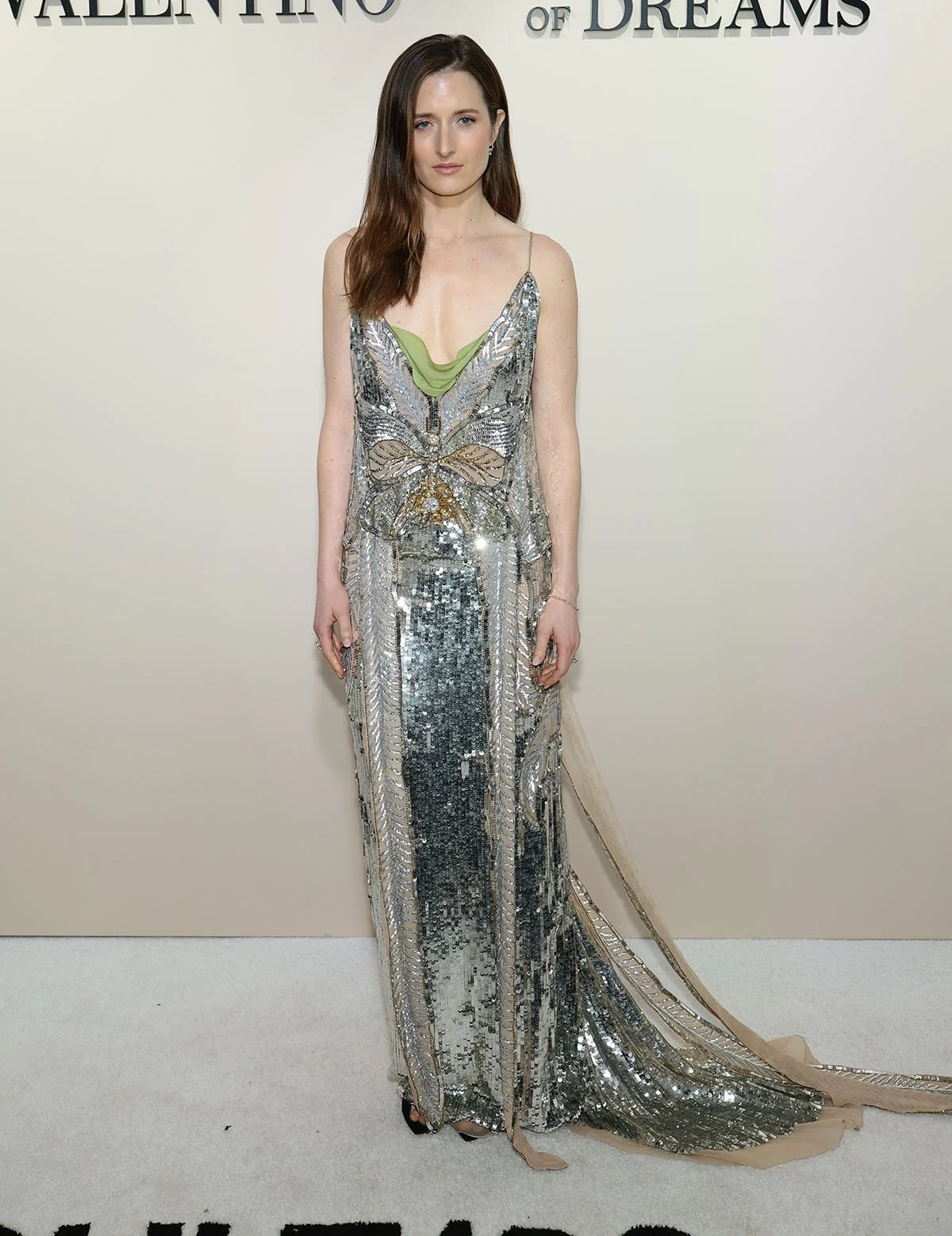
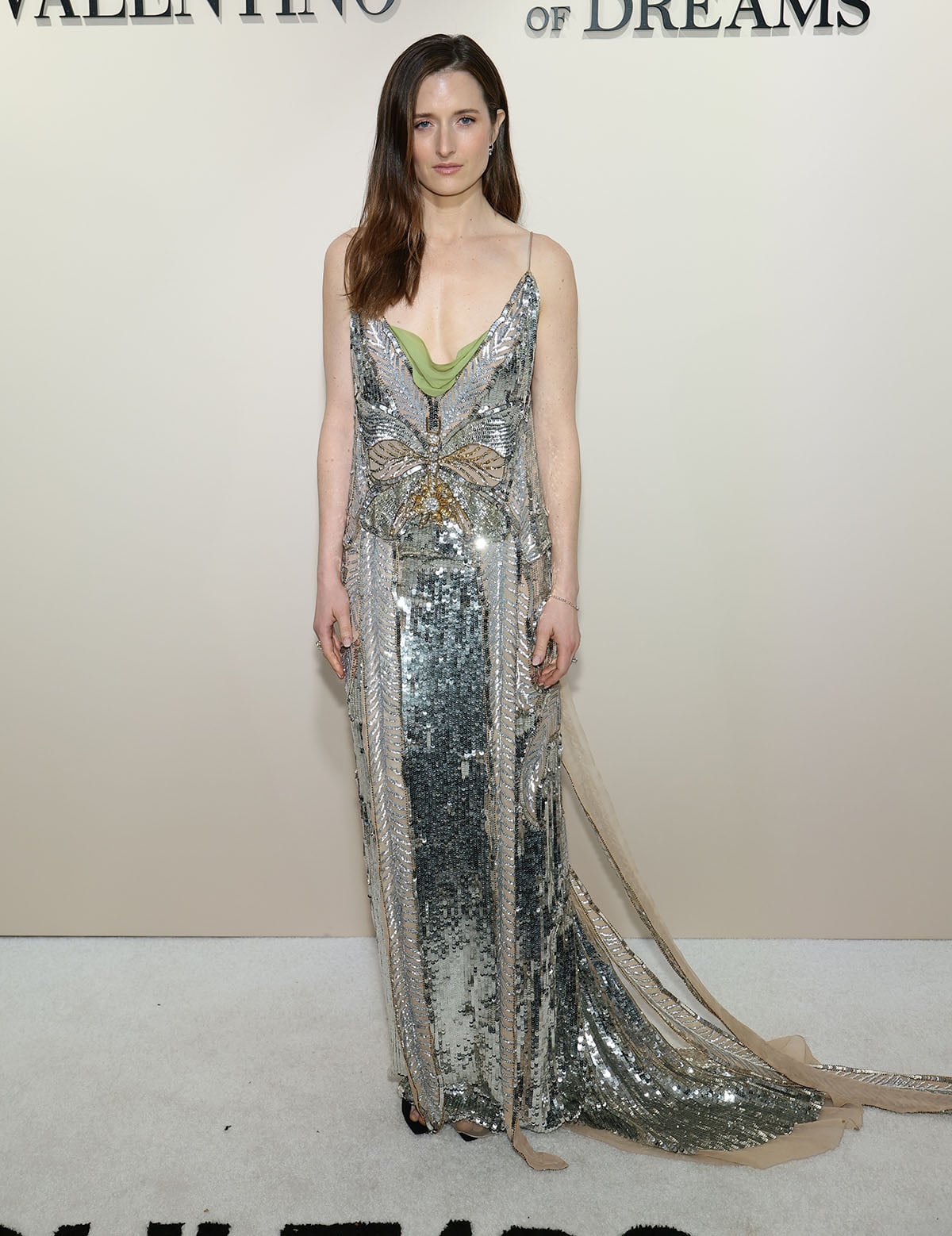
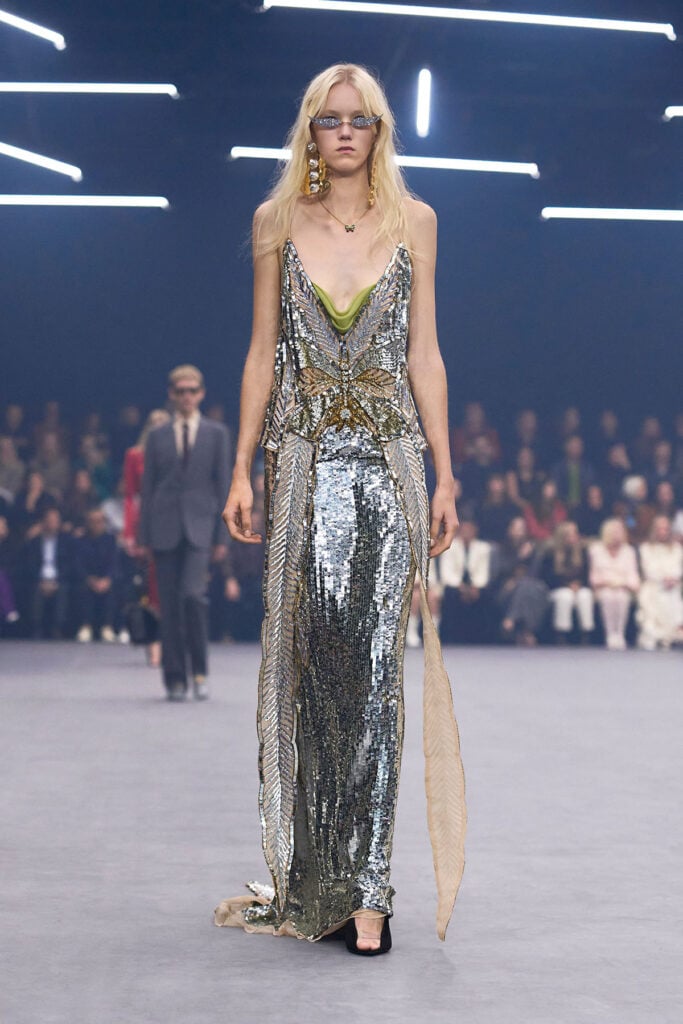
Grace Gummer, who has maintained a consistent presence in the fashion spotlight over the past several months, arrived in a fluid, sequin-embellished gown from the Spring 2026 line. Observers noted that the silhouette—characterized by its shimmering texture and relaxed drape—echoed the aesthetic frequently associated with longtime Michele muses such as Dakota Johnson. Styled by Nicky Campbell, Gummer’s look reinforced the designer’s penchant for 1970s-inflected glamour, utilizing light-reflecting materials to create a sense of ethereal movement.
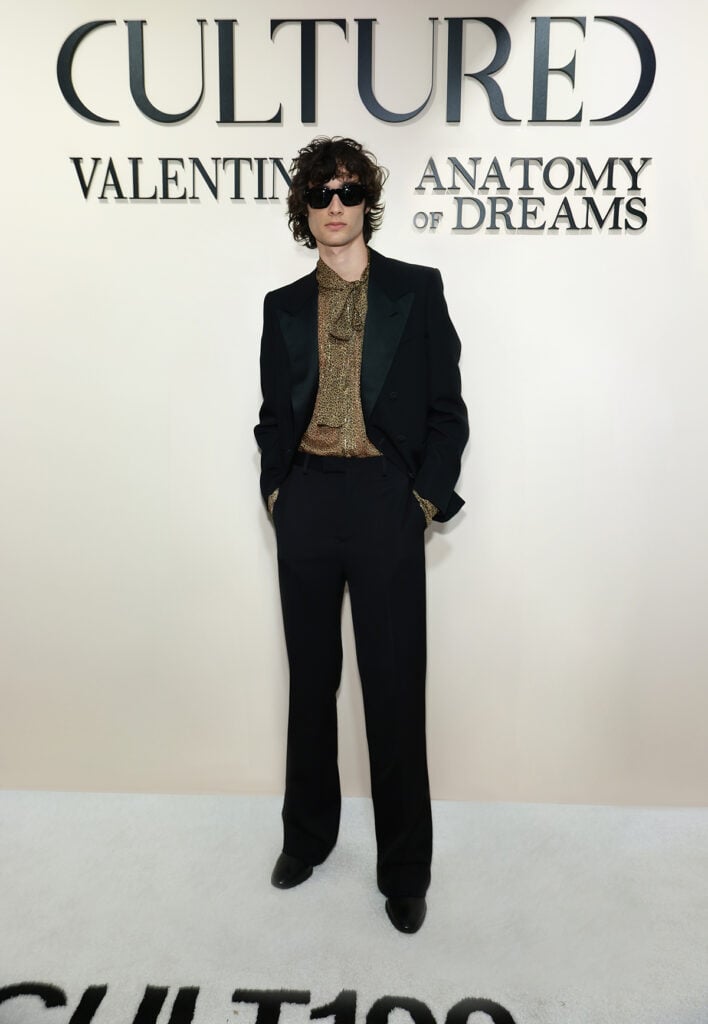
Musical artist Sombr, attending in his official capacity as a Valentino brand ambassador, offered a masculine interpretation of Michele’s "Rock-Star Tailoring." His ensemble consisted of a classic dark suit paired with a shimmering animal-print lavallière scarf shirt. The inclusion of dark shades and the juxtaposition of traditional tailoring with flamboyant accessories signaled a continuation of the gender-fluid, eclectic styling that has become a hallmark of the new Valentino era.
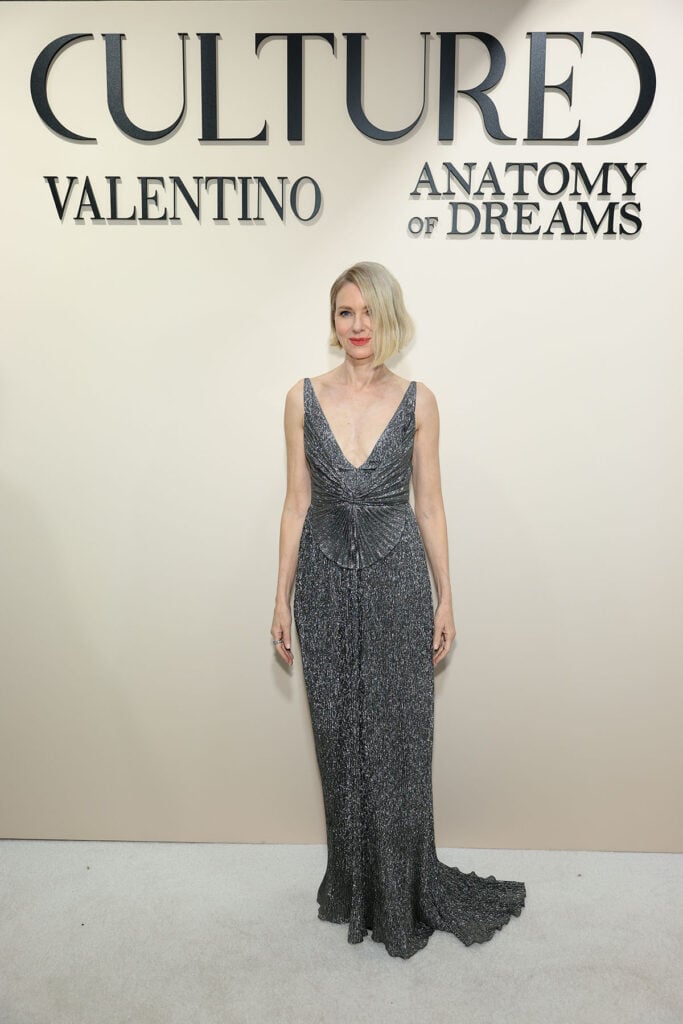
Naomi Watts, a frequent collaborator with the house, made her second appearance in Valentino within a single week. Her choice for the Guggenheim was a shimmering lurex gown, styled by Jeanann Williams. Unlike more structured garments that rely on intricate tailoring, Watts’ gown allowed the fabrication to serve as the primary focus. The lurex material provided a metallic sheen that complemented the museum’s ambient lighting, suggesting a move toward "effortless glamour" within the collection.
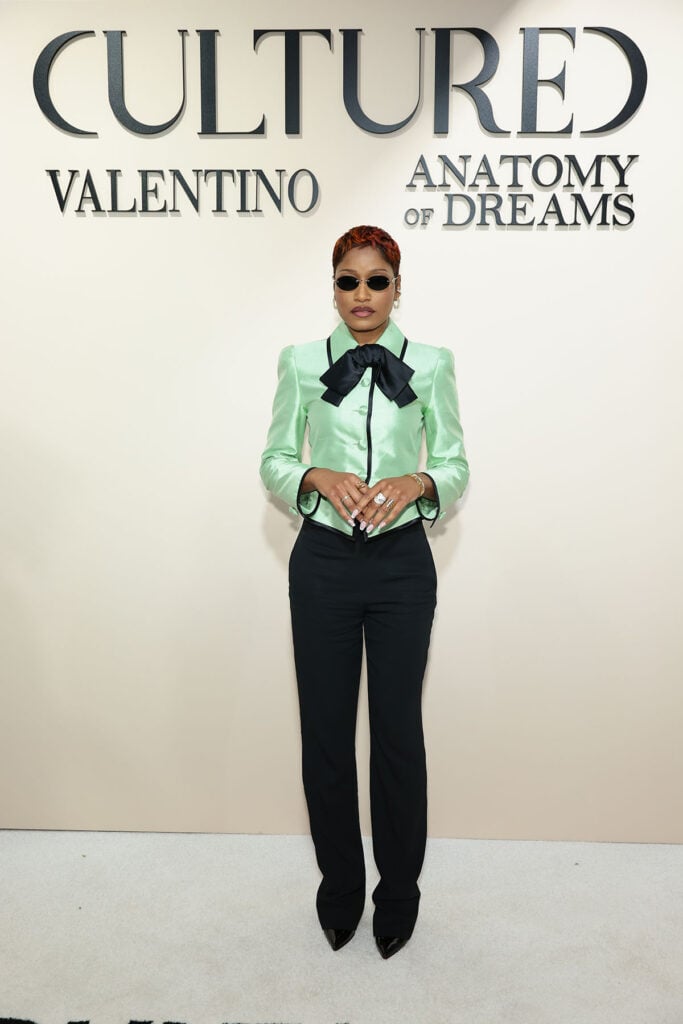
Keke Palmer’s appearance introduced a different facet of the Spring 2026 vision: sharp, retro-inspired tailoring. Wearing a mint-green suit styled by Molly Dickson, Palmer’s look leaned into a "hostess" aesthetic that channeled mid-century archival fashion. The restraint shown in the styling—limiting accessories to allow the bold hue and precise cut of the suit to dominate—highlighted the brand’s ability to cater to diverse fashion personas, from the avant-garde to the classically polished.
In contrast, Natasha Lyonne’s ensemble sparked conversation regarding the integration of legacy brand elements with new design directions. Lyonne wore a Valentino dress paired with thick black tights and the iconic Valentino Garavani Rockstud footwear. This combination represented a clash between the brand’s previous "Rockstud" era and Michele’s more bohemian, layered approach, illustrating the ongoing dialogue between the house’s heritage and its future.
Natalia Dyer, styled by Brad Goreski, opted for a sequin floral dress that leaned heavily into the "statement" end of the sartorial spectrum. The intricate floral patterns and heavy sequin work aligned with the maximalist tendencies seen in Michele’s debut collections for the house. Finally, Nicholas Chavez provided a counterpoint to the evening’s more ornate looks by wearing a clean, statement-free tailored suit, demonstrating the versatility of Valentino’s current menswear offerings.
Supporting Data: The Economic and Strategic Impact of Celebrity Dressing
The CULT100 event is more than a social gathering; it is a strategic marketing tool within the luxury sector. According to recent industry reports from McKinsey & Company and BoF Insights, "celebrity dressing" remains one of the most effective drivers of Brand Earned Media Value (EMV). For a brand like Valentino, which is currently navigating a transition period, high-visibility events at prestigious institutions like the Guggenheim help to solidify a new aesthetic in the public consciousness.
Data suggests that during creative director transitions, brands often see a 15% to 25% spike in social media engagement when they host events that pair "musicians and actors" with "art-world influencers." By hosting the CULT100, Valentino effectively tapped into CULTURED Magazine’s affluent and intellectually driven demographic, moving beyond traditional fashion consumers to reach the "cultural elite" who influence broader market trends.
Furthermore, the partnership with Valentino Beauty during the event highlights the growing importance of the beauty division in luxury conglomerates. Industry analysts note that beauty products often serve as the "entry point" for aspirational consumers. The visibility of Valentino Beauty at the Guggenheim event ensures that the brand’s new aesthetic identity is communicated across all price points, from haute couture gowns to luxury lipsticks.
Industry Analysis and Implications
The shift in Valentino’s design language under Alessandro Michele comes at a time when the luxury market is facing increased volatility. Following the departure of Pierpaolo Piccioli, who was celebrated for his mastery of color and romanticism, the industry has watched closely to see how Michele would adapt his signature maximalism to a house known for its "V-logo" elegance and "Valentino Red."
The looks displayed at the CULT100 event suggest a strategic blend of both worlds. While the sequins and animal prints seen on Gummer and Sombr point toward Michele’s established style, the clean tailoring on Palmer and Chavez indicates a respect for Valentino’s history of impeccable Italian craftsmanship. This "dual-track" approach may be necessary to retain existing clients while attracting the younger, trend-focused audience that Michele famously captured during his previous roles.
From a broader perspective, the CULT100 event reinforces the trend of "Cultural Curation" in luxury marketing. Brands are no longer content with being mere providers of clothing; they seek to be patrons of the arts and arbiters of taste. By associating with the CULT100 list—a group defined by their intellectual and creative contributions—Valentino positions itself as a brand for the "thinking" consumer.
Official Responses and Future Outlook
While official statements from the creative director were brief, representatives for Valentino emphasized the brand’s commitment to "celebrating the diverse voices that shape contemporary culture." This sentiment was echoed by the editorial team at CULTURED, who noted that the partnership with Valentino was a natural fit given the house’s "renewed focus on artistic experimentation and historical narrative."
As the Spring 2026 collection moves from the red carpet to retail floors, the fashion industry will continue to monitor the performance of these new silhouettes. The success of the CULT100 event suggests a strong start for the Michele era in the North American market, particularly among the New York-based artistic community.
The event concluded with a clear message: Valentino is no longer just a house of red dresses and romanticism. It is becoming a multifaceted laboratory of style where the past and the future, the minimal and the maximal, and the commercial and the conceptual are invited to coexist. As the third annual CULT100 celebration drew to a close, the consensus among attendees was that while "choices were made"—some bold, some classic—the new direction of Valentino is undeniably a central topic of the cultural conversation.