







The premiere of The Man I Love at the Cannes Film Festival transformed the Croisette into a theater of high fashion, where the traditional rigor of the Black Tie dress code met a diverse array of aesthetic philosophies ranging from archival revivals to avant-garde structuralism. As the 79th edition of the festival continues to serve as the global epicenter for both cinematic excellence and luxury brand positioning, the red carpet at the Palais des Festivals became a platform for storytelling through textiles. The evening was defined by a notable shift away from the "naked dress" trends of previous seasons, moving instead toward a sophisticated dialogue between heritage craftsmanship and the burgeoning "quiet luxury" movement. Industry analysts note that the visibility afforded by a Cannes premiere remains the most lucrative marketing window for European fashion houses, with media impact values for a single walk often exceeding several million dollars.
The Artistic Evolution of Chloé Zhao and Dior Haute Couture
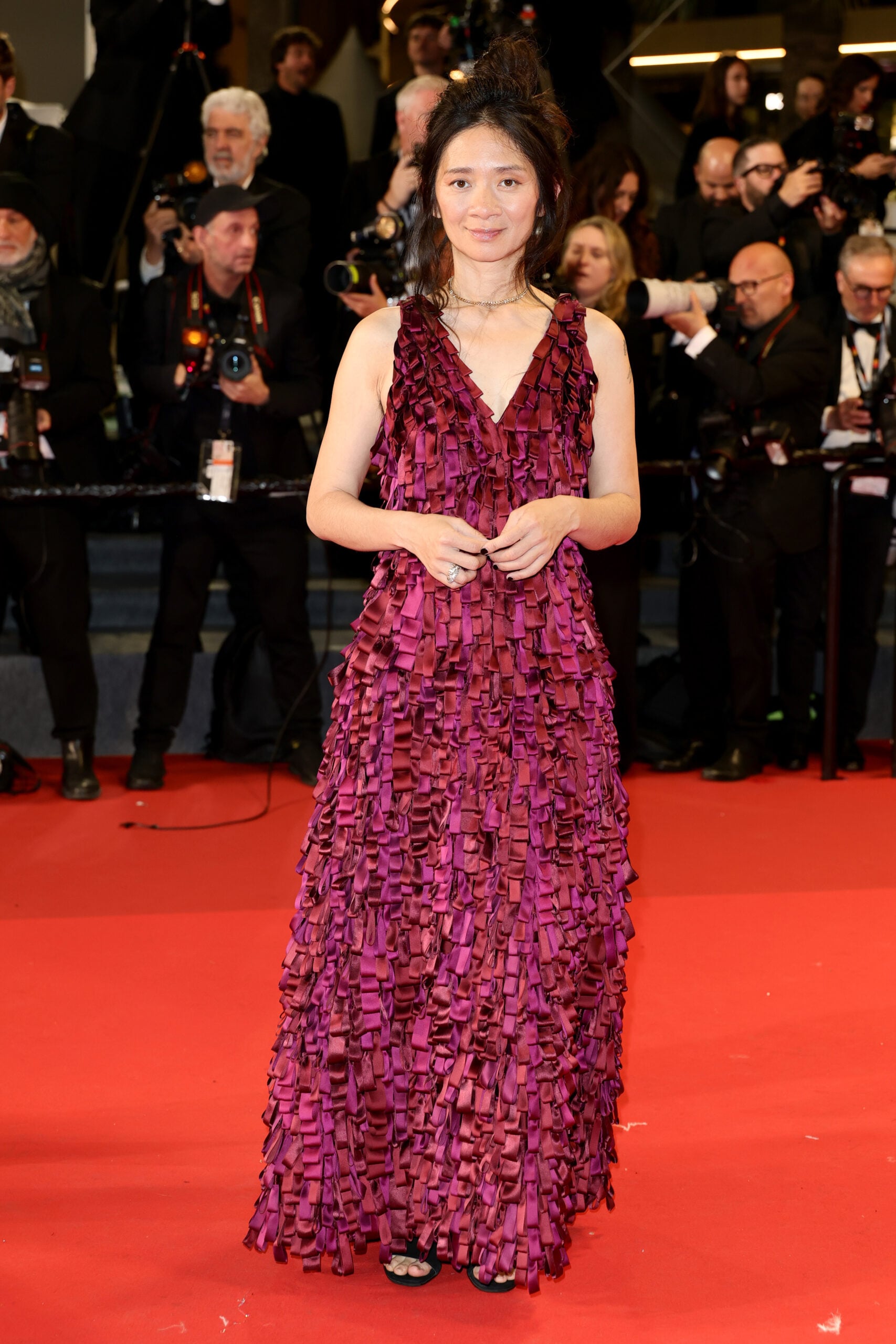
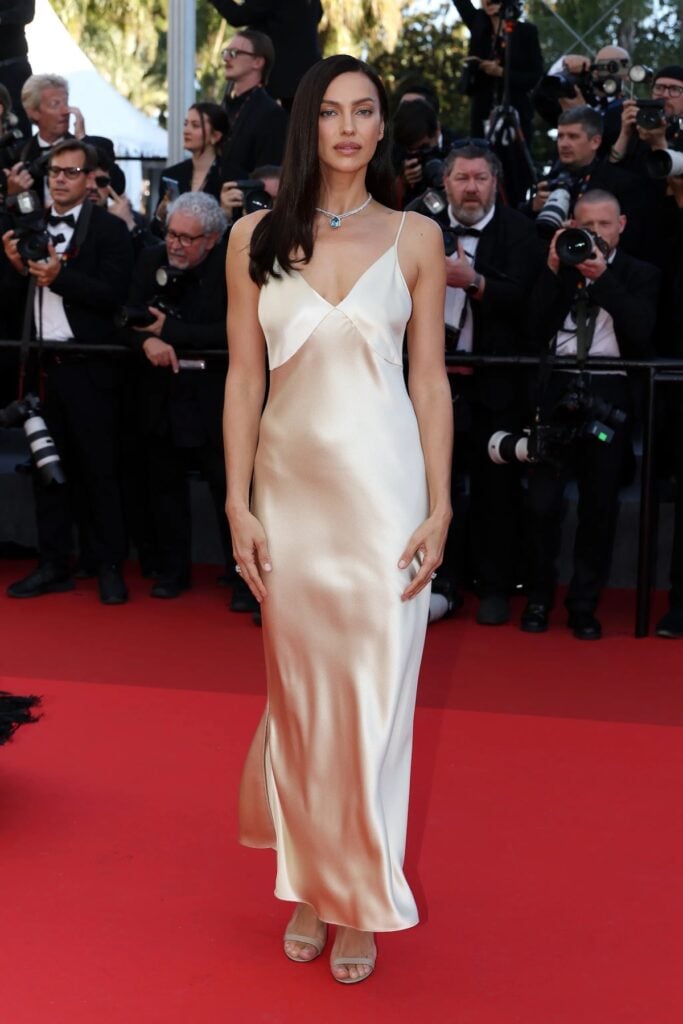
Among the most significant appearances of the evening was Academy Award-winning director Chloé Zhao, who continued her recent departure from the utilitarian aesthetic that characterized her early public life. Zhao arrived in a custom Dior Haute Couture gown that showcased the maison’s mastery of texture and tonal depth. The garment, a red-and-burgundy satin ribbon-effect creation, utilized a complex layering technique to create a three-dimensional surface that captured the Mediterranean light with varying degrees of intensity.
The choice of Dior is particularly resonant given the brand’s long-standing relationship with female filmmakers. Under the creative direction of Maria Grazia Chiuri, Dior has sought to align itself with women who define the contemporary cinematic landscape. For Zhao, the dress represented an exploration of "ribboned romance," a style that balances the architectural requirements of the red carpet with an artful, almost organic fluidity. The depth of the burgundy hues provided a stark, regal contrast to the traditional red carpet, signaling a maturity in Zhao’s personal style evolution.
The Minimalist Shift: Irina Shayk and The Row
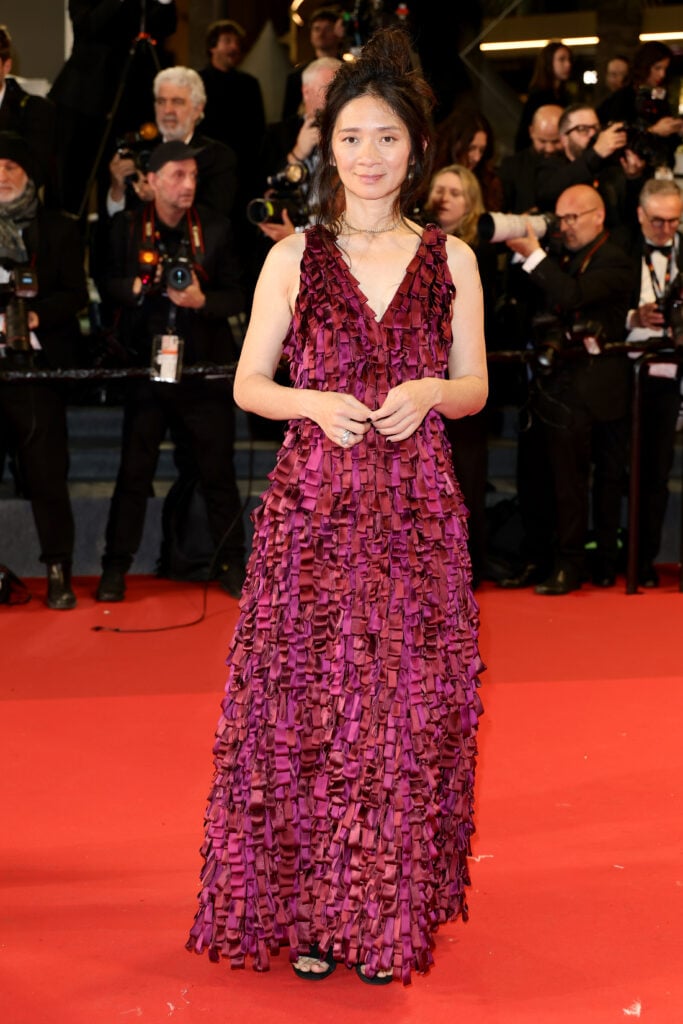
In a move that surprised many seasoned fashion critics, Irina Shayk opted for a departure from the high-octane, sheer, and provocative ensembles that have defined her recent appearances on the international circuit. Shayk’s choice of an ivory satin slip dress from The Row served as a powerful endorsement of the minimalist ethos championed by Mary-Kate and Ashley Olsen. The garment relied entirely on the precision of its bias cut and the quality of its heavy-weight silk satin, eschewing embellishment for structural purity.
This shift toward minimalism is reflective of a broader industry trend where "quiet luxury" is increasingly utilized by high-profile figures to project a sense of timelessness and discernment. By choosing The Row—a brand synonymous with understated opulence—Shayk effectively reset her red-carpet narrative. The simplicity of the ivory slip dress allowed the focus to remain on the silhouette, providing a refreshing counterpoint to the more ornate gowns typically seen at the Palais des Festivals. Fashion historians often compare this "stripped-back" approach to the 1990s aesthetic, which prioritized the wearer over the garment.
Architectural Avant-Garde: Cindy Bruna in Issey Miyake
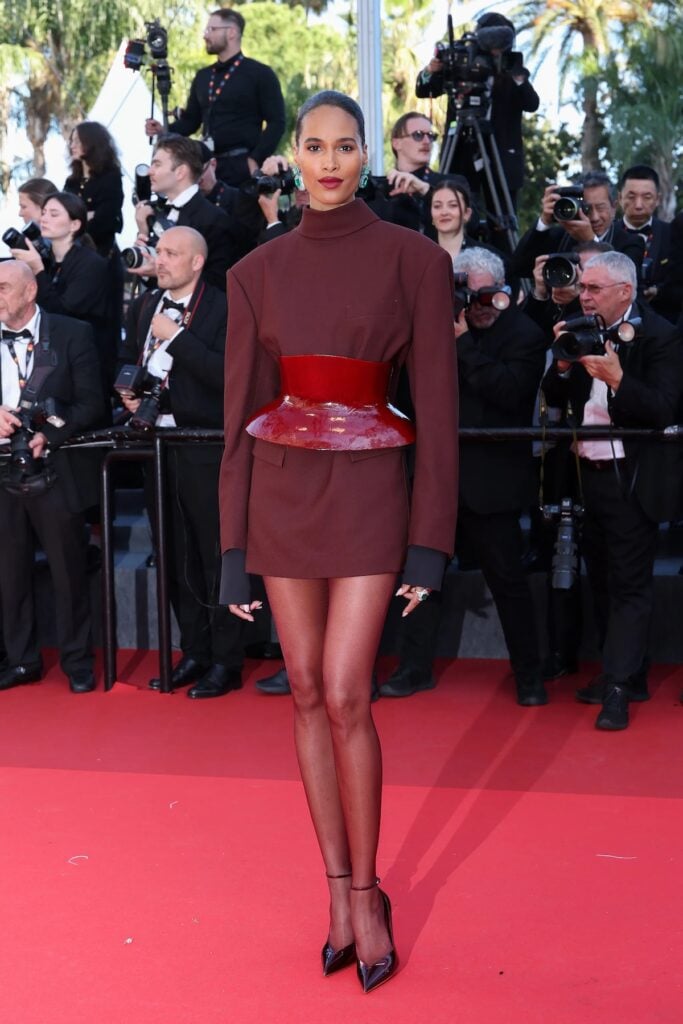
While minimalism had its moment, Cindy Bruna provided the evening’s most daring silhouette through the lens of Japanese structuralism. Bruna wore a sculptural burgundy look from Issey Miyake’s Fall 2026 collection, a piece that challenged the conventional boundaries of evening wear. The dress featured a lacquered peplum detail and sharp, geometric lines that felt more akin to industrial design than traditional dressmaking.
The inclusion of Issey Miyake on the Cannes red carpet is a testament to the brand’s enduring relevance in the world of wearable art. The brand’s signature pleating and heat-treating techniques were evident in the garment’s ability to maintain its rigid, otherworldly shape while remaining mobile. To complement the futuristic sharpness of the Miyake look, Bruna wore emerald-cut Chopard jewelry, creating a color story that blended the deep reds of the fabric with the vivid greens of the gemstones. This juxtaposition of avant-garde fashion and classical high jewelry is a hallmark of the "Cannes look," which seeks to balance innovation with tradition.
Archival Storytelling and the Prada Heritage
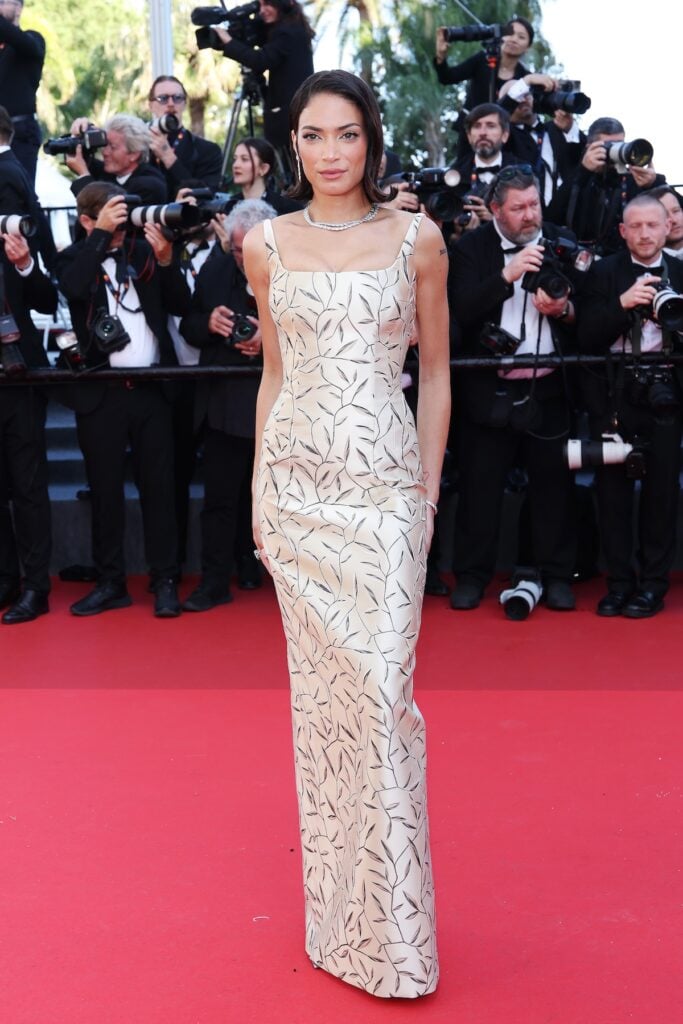
The evening also highlighted the growing importance of archival fashion and heritage textiles. The Italian singer and actress Elodie arrived in a champagne-hued Prada silk jacquard column dress that served as a direct tribute to the brand’s history. The gown featured a delicate foliage motif and a silhouette inspired by the Prada Spring/Summer 1997 collection—a collection famously immortalized by Uma Thurman.
What distinguished Elodie’s look was the use of original fabric sourced directly from the Prada archives. This choice reflects a rising consciousness within the fashion industry regarding sustainability and the preservation of craft. By utilizing deadstock or archival textiles, brands can create "new" pieces that carry the weight of history. The simplicity of the column shape ensured that the intricate weave of the jacquard remained the focal point, proving that in the context of high fashion, the material itself can be the primary protagonist.

Sensuality and Structure: Heidi Klum in Vivienne Westwood
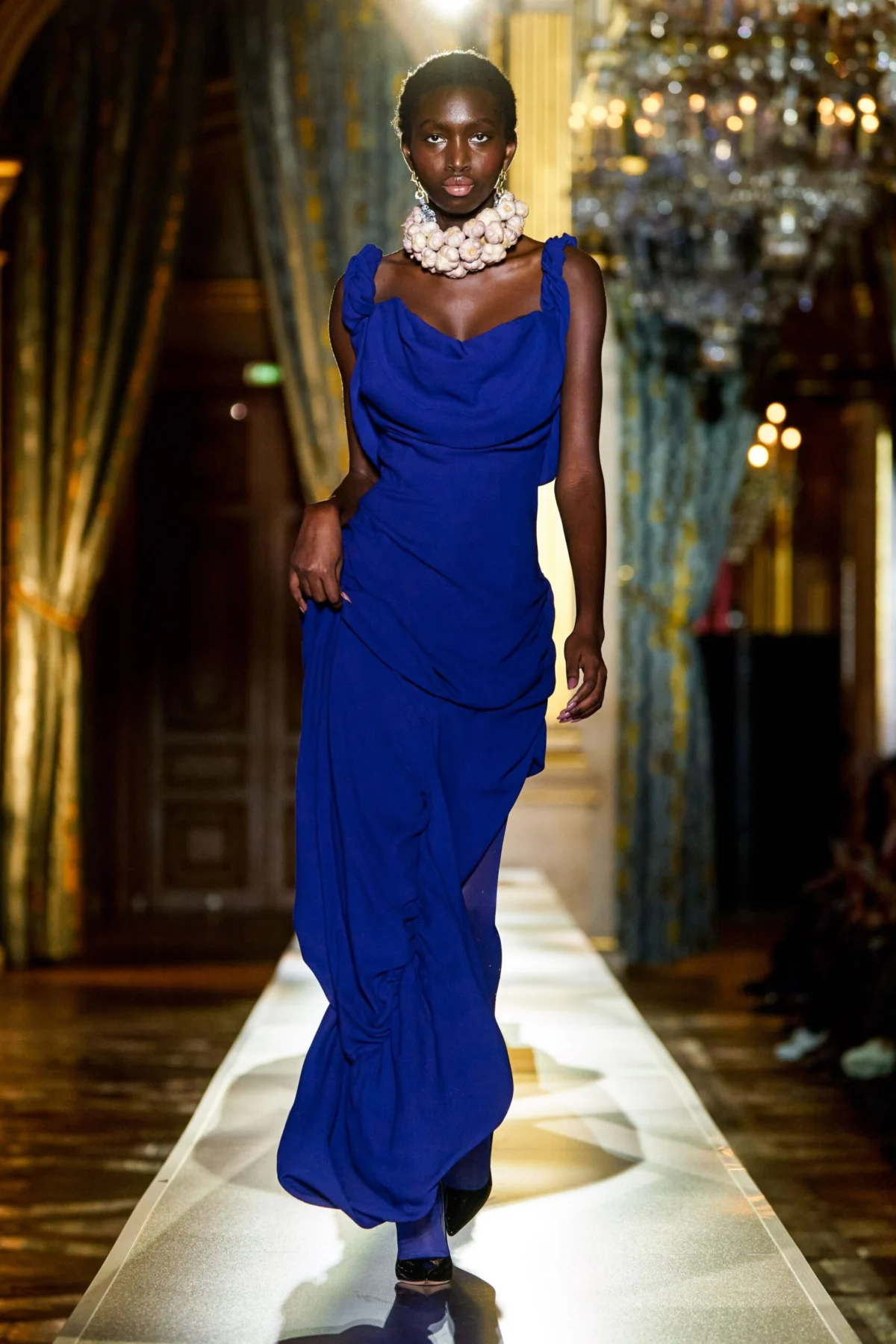
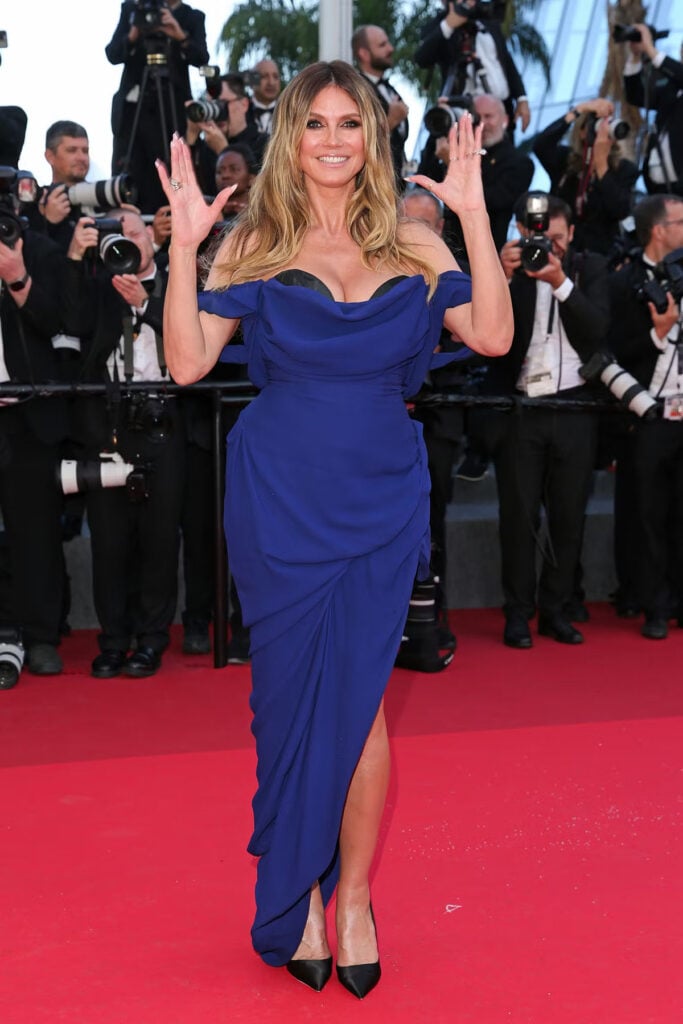
Heidi Klum brought a sense of classic British drama to the premiere, wearing a corseted gown by Vivienne Westwood. The look embodied the late designer’s signature vocabulary: a blend of 18th-century historical references, punk sensibilities, and unapologetic glamour. The dress featured dramatic draping and a structured corset that integrated a "peekaboo" bra element, a recurring motif in Westwood’s work that explores the intersection of public and private attire.
The Vivienne Westwood brand, now under the creative direction of Andreas Kronthaler, continues to be a staple of the Cannes red carpet due to its ability to provide high-impact silhouettes that celebrate the female form. Klum’s appearance reaffirmed the brand’s status as a leader in "theatrical elegance," where the construction of the garment is as much a part of the show as the person wearing it.
The New Standard of Menswear: Dior, Zegna, and Saint Laurent
The premiere of The Man I Love also saw a significant showing from the world of luxury menswear, with several attendees demonstrating how to innovate within the strictures of the tuxedo.
Tom Sturridge, representing Dior, opted for an "unbuttoned elegance" that replaced the traditional bow tie with a white silk scarf. This styling choice introduced an Old Hollywood flourish, reminiscent of the mid-century era when the red carpet was characterized by a more relaxed, bohemian approach to formality. The addition of the scarf provided a vertical line that elongated the silhouette, making the classic Dior tuxedo feel distinct and individual.
Rami Malek, a frequent collaborator with the house of Zegna, delivered a masterclass in "No Notes" tailoring. His black tuxedo was characterized by flawless proportions and a clean, monochromatic finish. Under the direction of Alessandro Sartori, Zegna has redefined modern tailoring by focusing on ergonomic fit and innovative fabrics. Malek’s appearance served as a reminder that when the tailoring is perfect, additional ornamentation is unnecessary.
Finally, Luther Ford showcased the razor-sharp aesthetic of Anthony Vaccarello’s Saint Laurent. Ford’s look featured a high-buttoned white shirt and a crystal-and-pearl brooch pinned to the lapel, an accessory that evoked the aristocratic evening dress of the early 20th century. The Saint Laurent silhouette, known for its slim lines and sharp shoulders, remains the preferred choice for a younger generation of actors looking to blend classical formality with a modern, rock-and-roll edge.
Economic and Cultural Implications of the Cannes Red Carpet
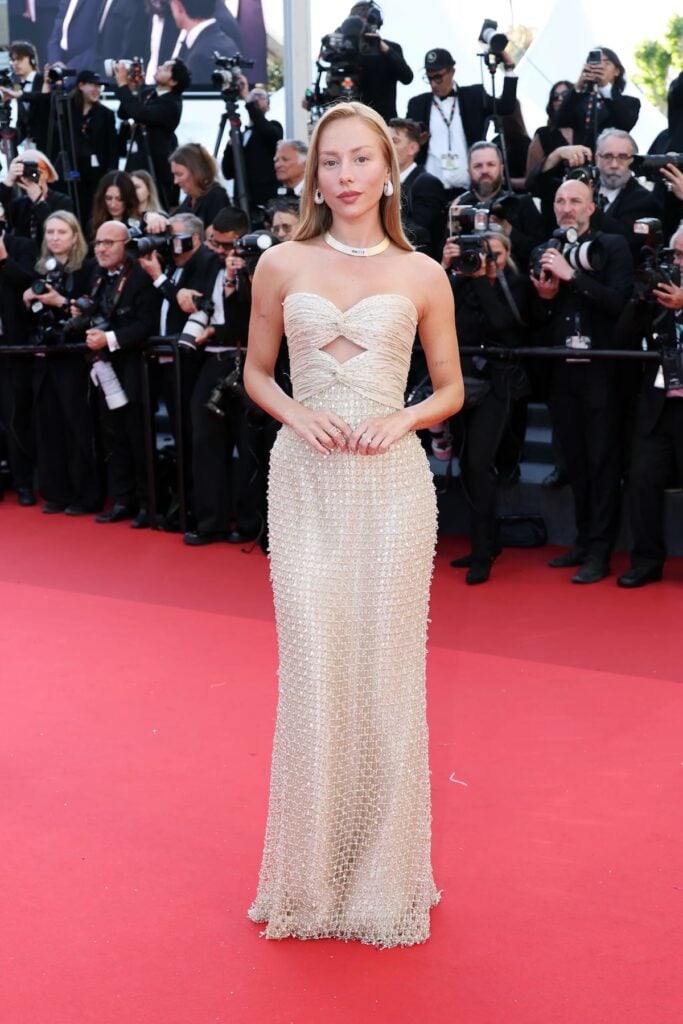
The fashion displayed at The Man I Love premiere is more than a series of aesthetic choices; it represents a complex network of economic and promotional interests. For a brand like Armani Privé—worn by Ester Expósito in a shimmeringly embellished champagne gown—a Cannes appearance is a global advertisement. The "Cannes Effect" can lead to an immediate spike in brand searches and social media engagement, which in turn influences retail performance for secondary lines and accessories.
Furthermore, the presence of jewelry houses like Messika and Chopard highlights the symbiotic relationship between the film and luxury industries. Cannes is one of the few remaining events where the "High Jewelry" category is displayed in its natural environment, paired with Haute Couture. This creates a feedback loop of prestige that benefits the festival, the film being premiered, and the brands providing the wardrobe.

Conclusion: A Night of Diversified Glamour
As the credits rolled for The Man I Love, the lasting impression of the evening remained the diversity of the fashion on display. From the archival reverence of Prada to the minimalist restraint of The Row and the architectural boldness of Issey Miyake, the red carpet proved that the modern definition of glamour is no longer monolithic. Instead, it is a curated blend of historical awareness, technical innovation, and personal expression. This premiere confirmed that the Cannes Film Festival remains the premier global stage where the worlds of art and commerce intersect with the most spectacular results.