



The 2026 Wimbledon Championships at the All England Lawn Tennis and Croquet Club (AELTC) have once again solidified the tournament’s reputation as a premier intersection of world-class sport and high-stakes fashion. As the first week of the grass-court Grand Slam concludes, the stands of SW19 have served as a global stage for a diverse array of sartorial expressions, ranging from traditional British tailoring to avant-garde archival pieces. While the strict all-white dress code remains a requirement for the athletes on the court, the spectators—particularly those invited to the prestigious Royal Box—have navigated a complex landscape of etiquette, brand partnerships, and seasonal trends.

The opening five days of the tournament were characterized by a notable shift in celebrity styling, influenced heavily by a prevailing heatwave in London and the lingering cultural impact of "tenniscore"—a fashion movement that gained significant momentum following high-profile cinematic releases earlier in the year. This mid-tournament review analyzes the key looks, the brands dominating the courtside landscape, and the broader implications of these fashion choices on the luxury market.
The Royal Patronage and the Evolution of Courtside Elegance
A focal point of the first week was the arrival of Catherine, Princess of Wales, on Day Four. As the patron of the All England Club, her sartorial choices are frequently interpreted as a reflection of the tournament’s values: tradition, excellence, and understated elegance. For her 2026 debut, the Princess opted for a cornflower-blue Gabriela Hearst "Stephanie" blazer paired with matching wide-leg trousers.
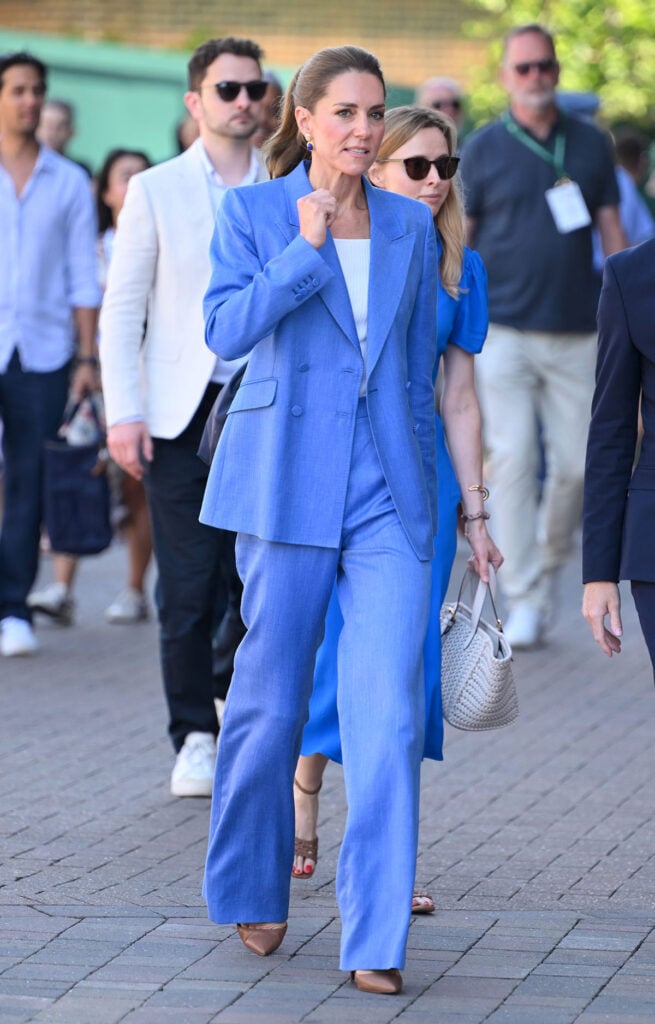
Industry analysts noted that the choice of a wool, silk, and linen blend was a strategic response to the high temperatures recorded at the venue. This fabric composition allowed for a structured, formal silhouette while maintaining the breathability necessary for an outdoor event. Her accessories included chocolate-brown Ralph Lauren pumps and sapphire earrings from Carousel Jewels. The appearance of the Princess in a non-British label like the New York-based Gabriela Hearst underscores the globalized nature of modern royal fashion, though Hearst is widely recognized for her commitment to sustainable luxury, a value often championed by the British Royal Family.
Chronology of the First Week: Day One to Day Five
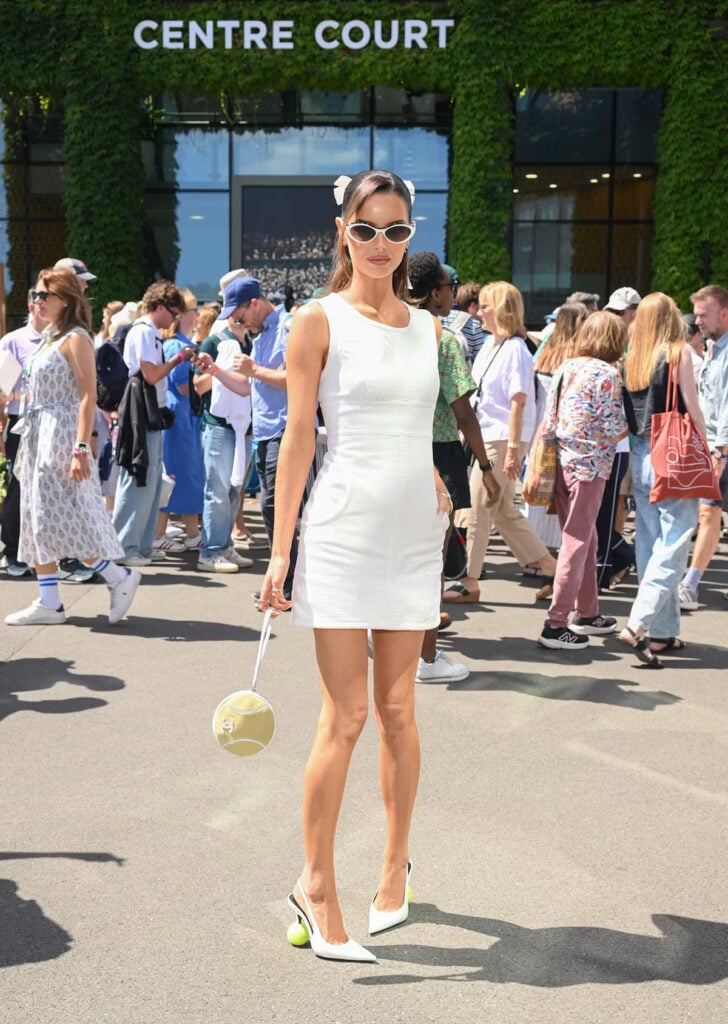
The tournament opened on Monday with a strong emphasis on archival fashion and "Wimbledon Whites." Maura Higgins made a significant impact by wearing a 2006 Chanel archive dress designed by the late Karl Lagerfeld. The look was accessorized with Flor de Maria "Jaimie" slingback pumps, which featured miniature tennis balls in the heels, and a Chanel tennis-ball-shaped bag. This playful, literal interpretation of the event’s theme was viewed by fashion commentators as a nod to the "method dressing" popularized during the recent press tours of major sports-related films.
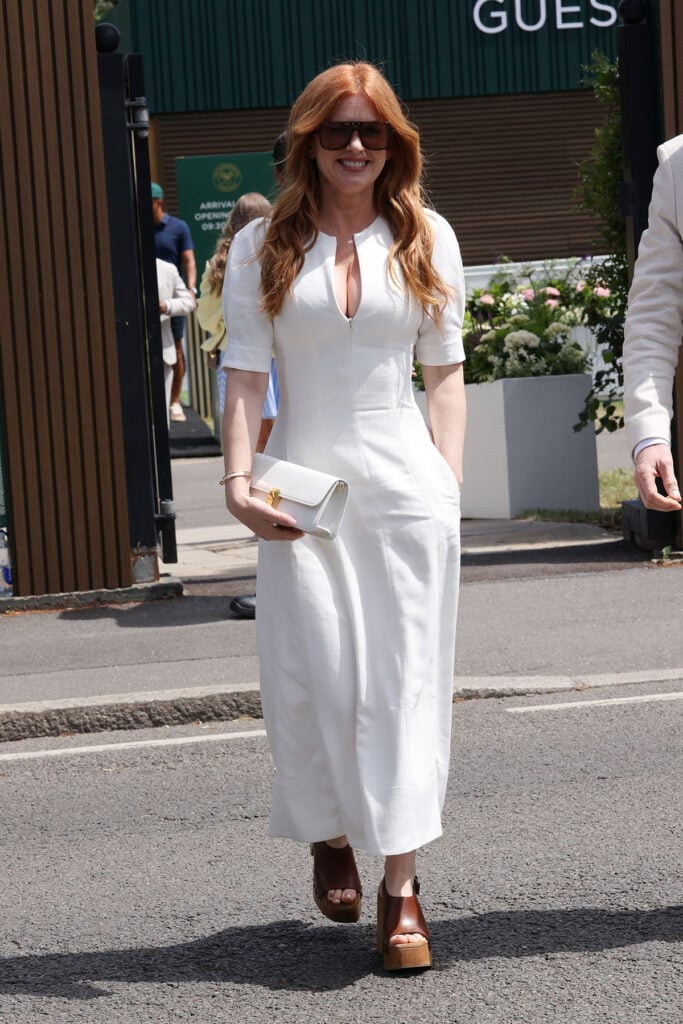
Simultaneously, Isla Fisher adhered to a more classic aesthetic, wearing a fit-and-flare dress from the British brand ME+EM, paired with high-front clogs. The choice of ME+EM, a brand known for "functional luxury," reflects a growing trend among attendees to support local labels that offer a balance of accessibility and high-end design.
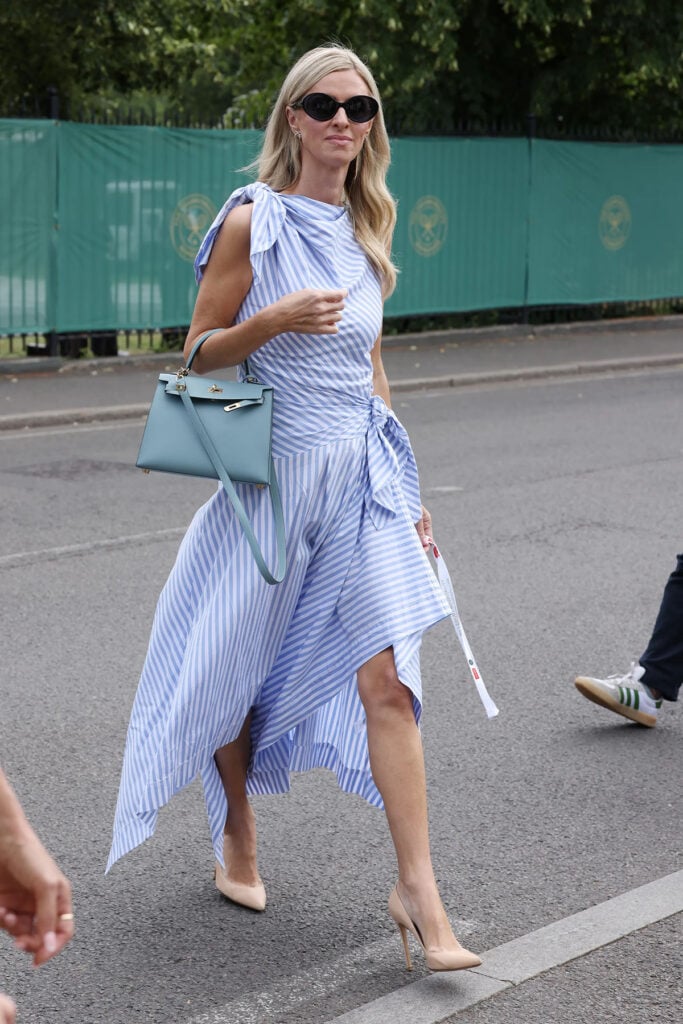
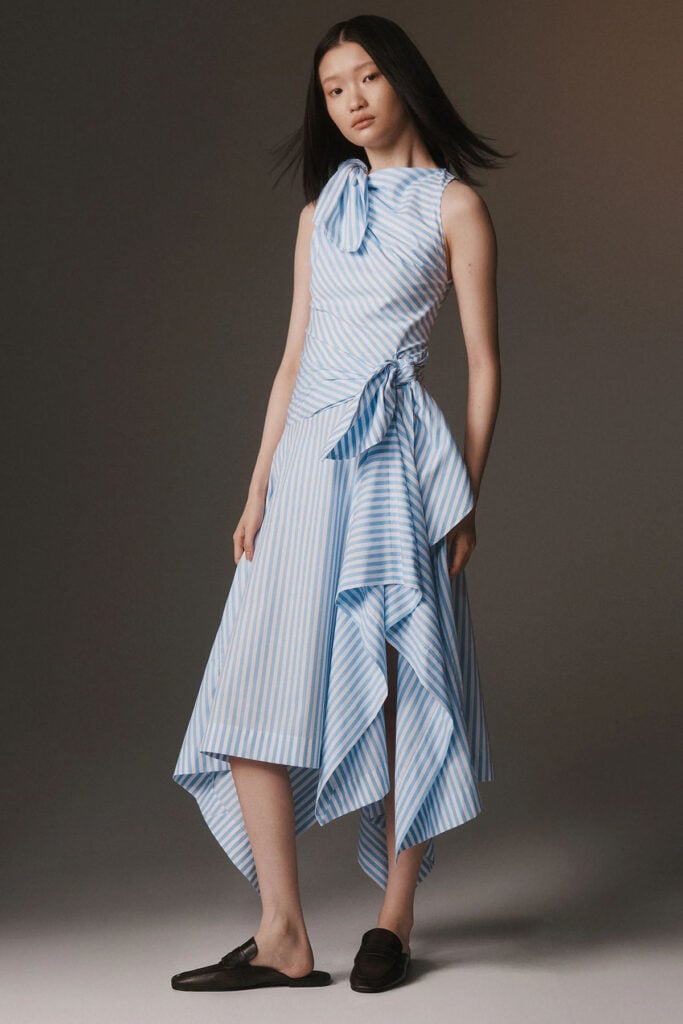
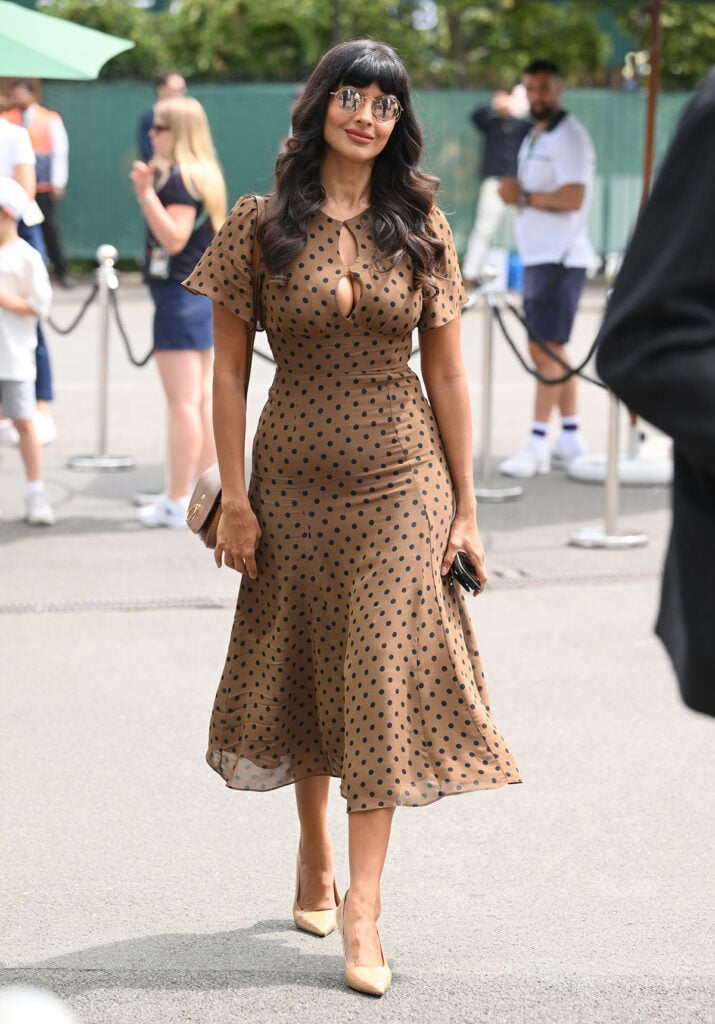
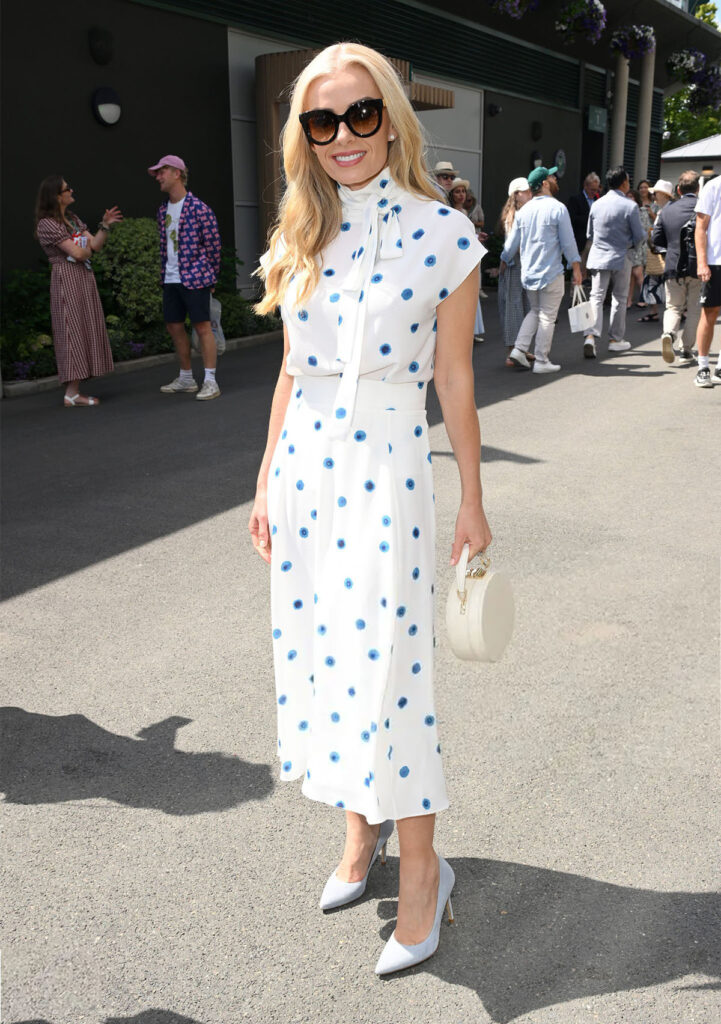
Day Two saw a transition toward more contemporary silhouettes. Nicky Hilton Rothschild appeared in a Monse striped dress, characterized by the brand’s signature asymmetrical tailoring. This was paired with a Hermès Bleu Jean Epsom Kelly 28 Sellier bag, a staple of "quiet luxury." Jameela Jamil also established herself as a recurring fashion presence, wearing the first of two polka-dot ensembles—a Corynn dress from Reformation—reinforcing the polka-dot pattern as an unofficial staple of the Wimbledon spectator wardrobe.
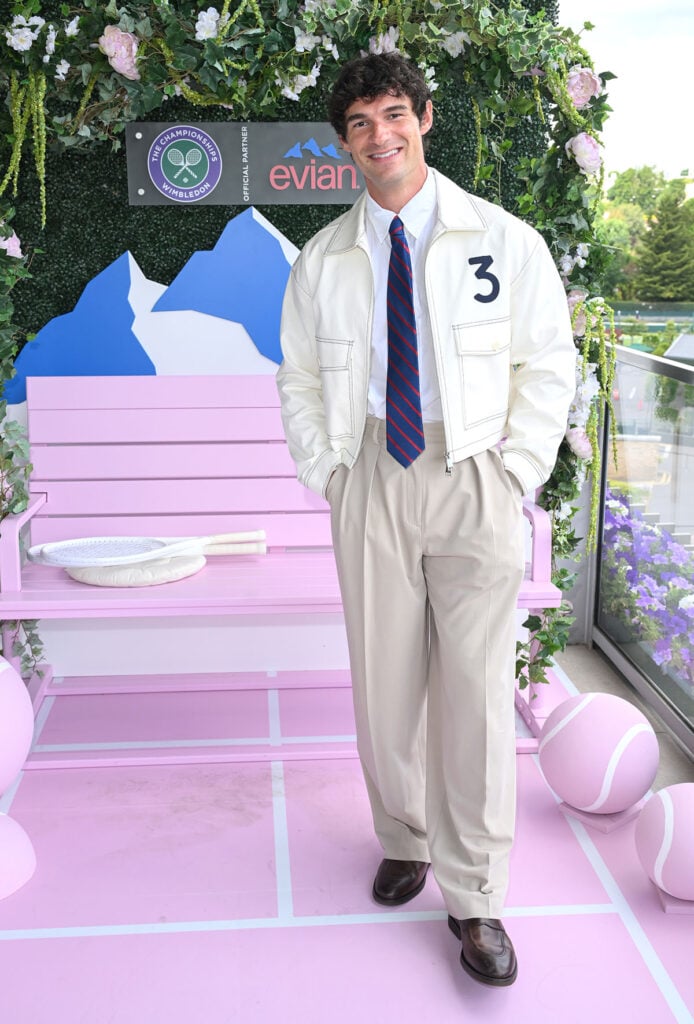
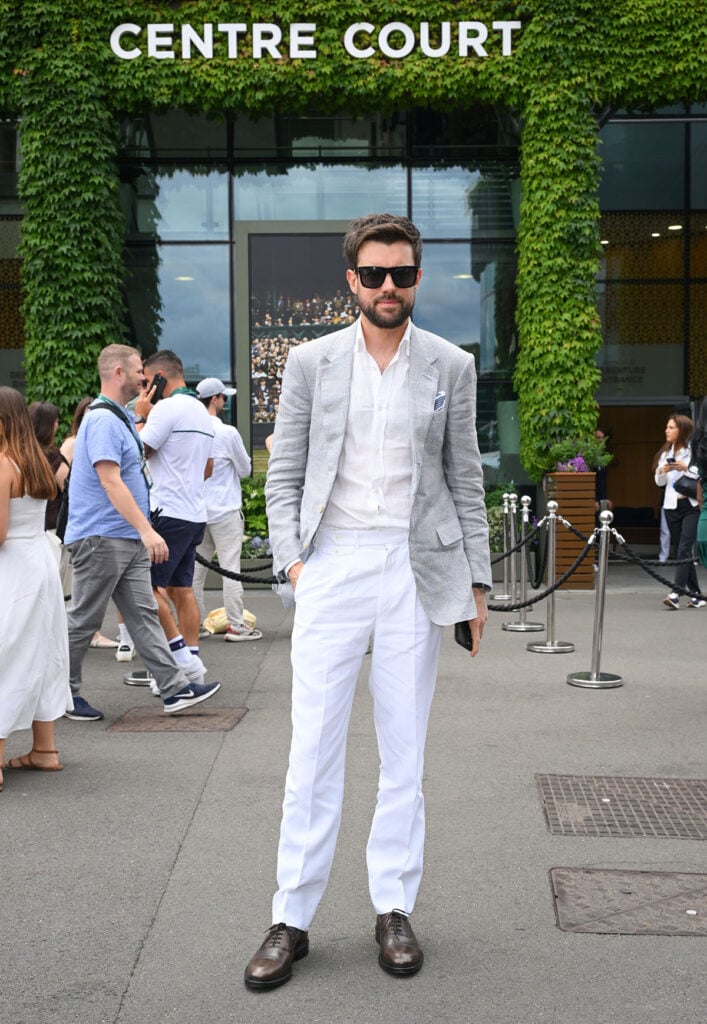
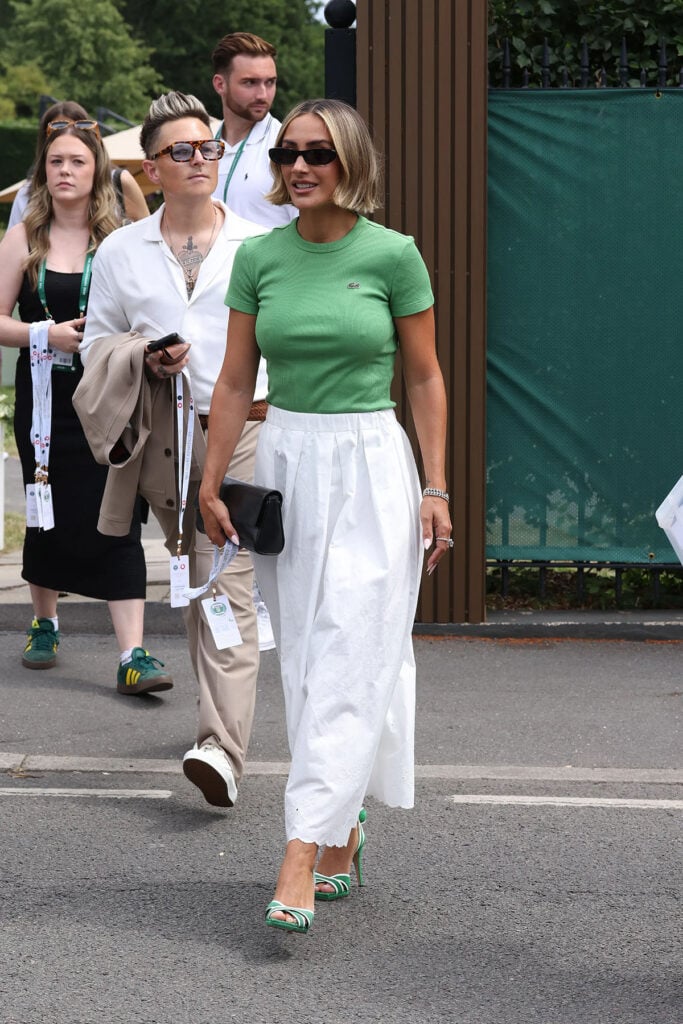
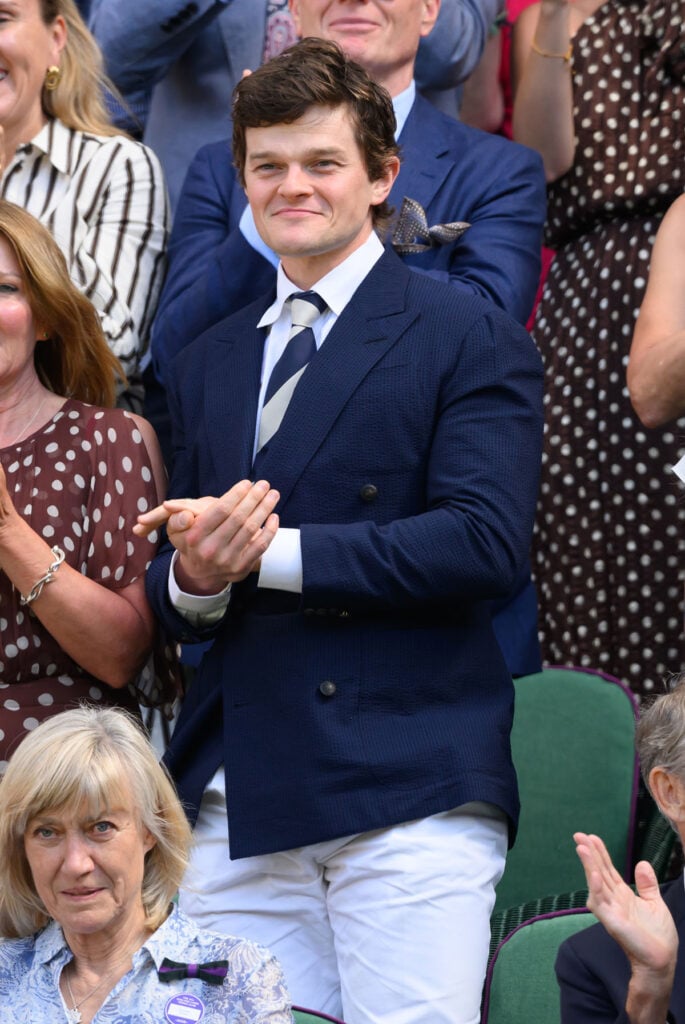
Day Three focused heavily on the revitalization of British heritage brands. Frankie Bridge represented Lacoste, the official apparel sponsor of several major tennis events, in a crisp ensemble of white trousers and a green knit. The color palette directly mirrored the AELTC’s iconic green and purple branding. In the menswear category, Jack Whitehall and Robert Aramayo both showcased the current direction of dunhill under new creative leadership. Whitehall’s look utilized lightweight fabrics suited for the heat, while Aramayo’s ensemble adhered to a more traditional formula of British summer tailoring.
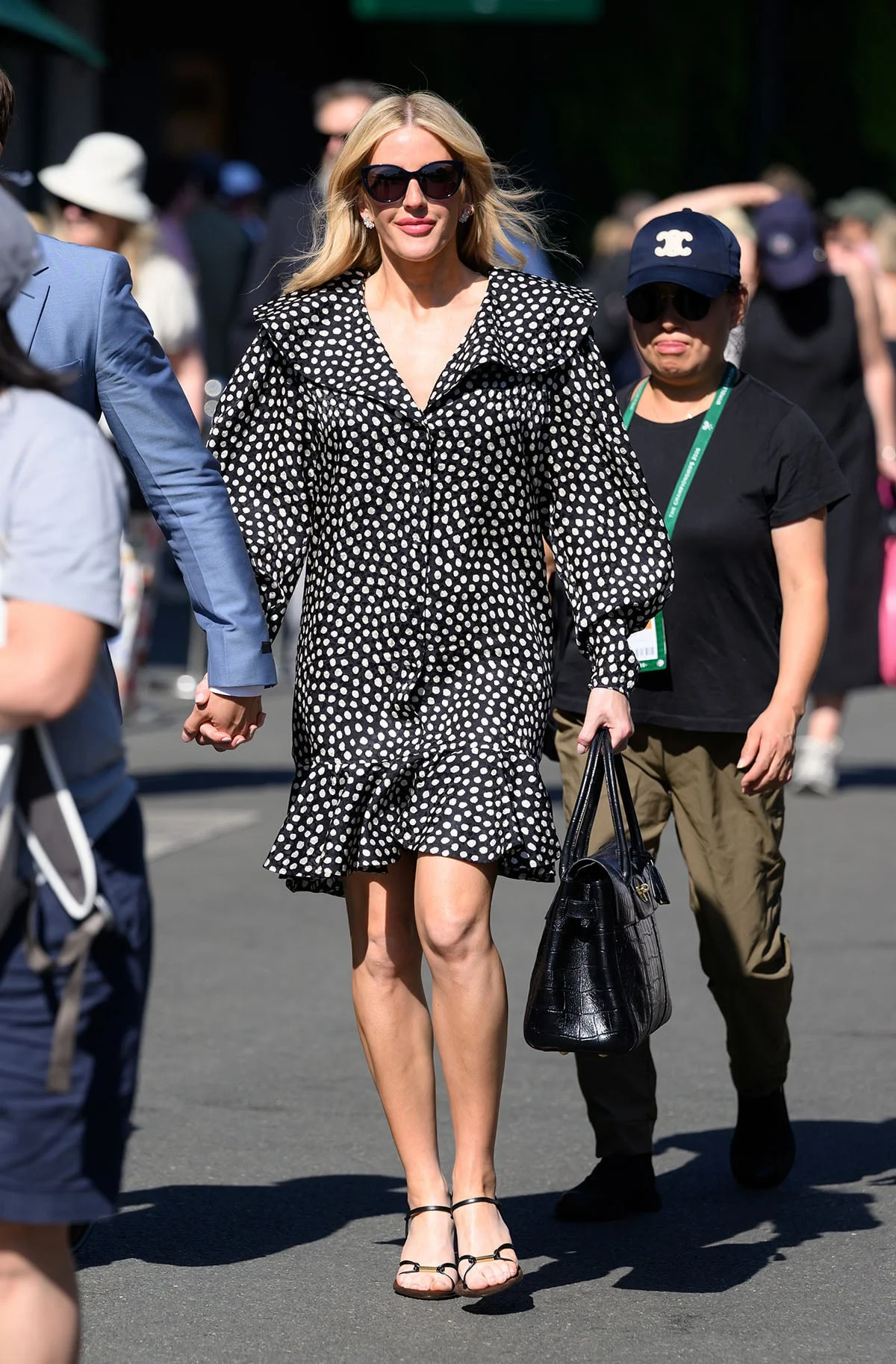
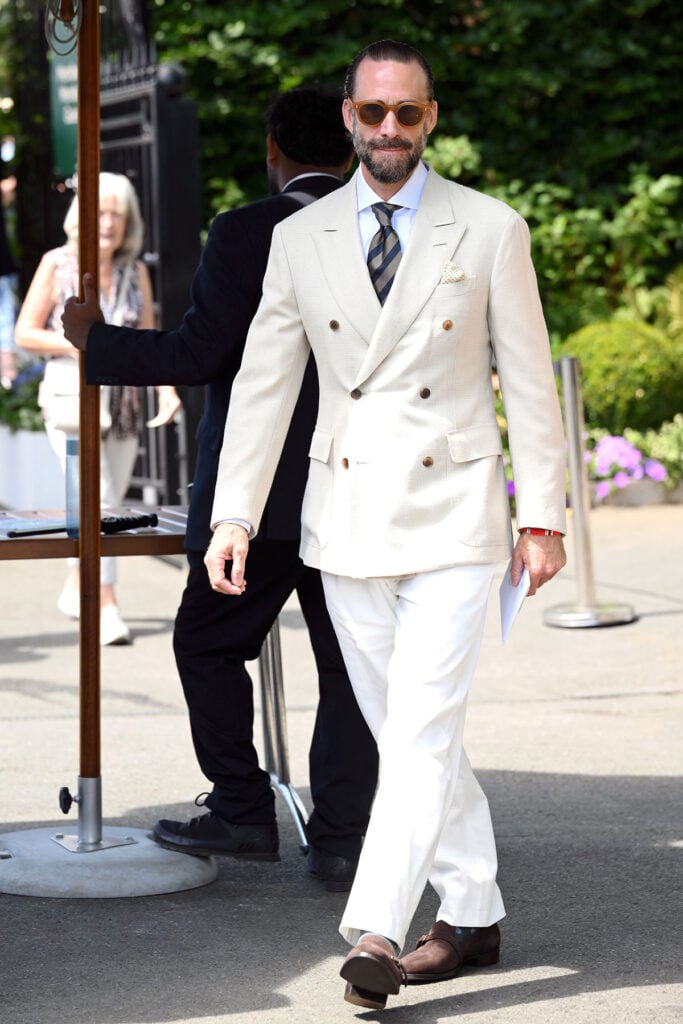
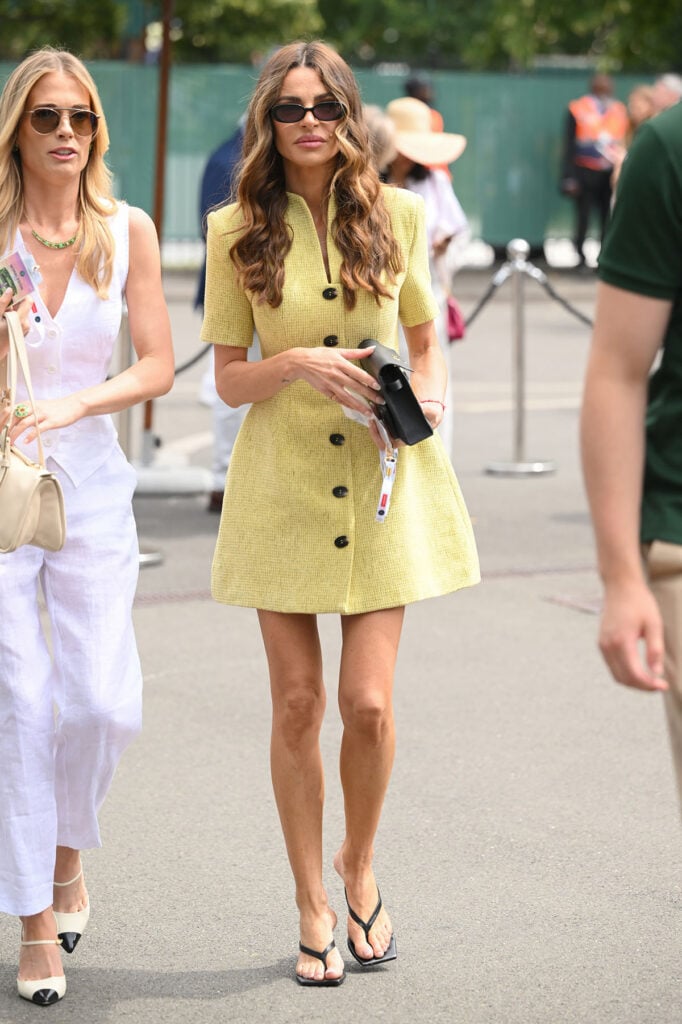
On Day Five, as the tournament settled into a rhythm between major national events like the British Grand Prix, Ellie Goulding introduced a touch of romanticism with a Chloé ruffled polka-dot silk-jacquard mini dress. The exaggerated ruffled collar provided a modern twist on the classic print. Joseph Fiennes further cemented dunhill’s dominance in the Royal Box, wearing a double-breasted cream jacket with white trousers. This look was cited by fashion critics as the quintessential example of "SW19 elegance," relying on impeccable fit rather than overt branding.
The Influence of "Tenniscore" and Method Dressing
The 2026 Championships have occurred during a period where tennis-inspired fashion has moved from the niche to the mainstream. The "tenniscore" aesthetic—defined by pleated skirts, polo collars, and a palette of white, cream, and forest green—has been amplified by celebrity influence and social media trends.
The presence of accessories like Maura Higgins’ tennis-ball heels suggests that the "method dressing" trend—where celebrities dress in alignment with the theme of an event or a film they are promoting—has transitioned into the world of sports spectating. While some critics argue that these literal interpretations border on "gimmicky," they drive significant engagement on digital platforms, providing brands with high visibility.
Menswear Trends: The Resurgence of dunhill and BOSS
Wimbledon has traditionally been a bastion of classic menswear, and 2026 has been no exception. However, there is a visible shift toward more relaxed proportions. Paul Forman’s appearance in Mithridate by Daniel W. Fletcher highlighted a move toward contemporary smart-casual, where traditional tailoring is loosened for a more modern, breathable fit.
David Beckham, a perennial fixture at the tournament, maintained his long-standing relationship with BOSS, appearing in a sharp, tailored suit alongside his mother, Sandra Beckham. Meanwhile, Romeo Beckham’s choice of a double-breasted brown suit over a white T-shirt represented the generational divide in Wimbledon dressing, opting for a more casual, layered approach compared to the more rigid formality of the Royal Box’s senior guests.
Economic Impact and Brand Visibility
The "Kate Effect" remains a potent force in the luxury market. Following the Princess of Wales’ appearance in Gabriela Hearst, search queries for the brand and similar cornflower-blue tailored sets saw a marked increase. Similarly, the consistent presence of dunhill and Ralph Lauren reinforces their status as the preferred outfitters for the British elite during the summer social season.
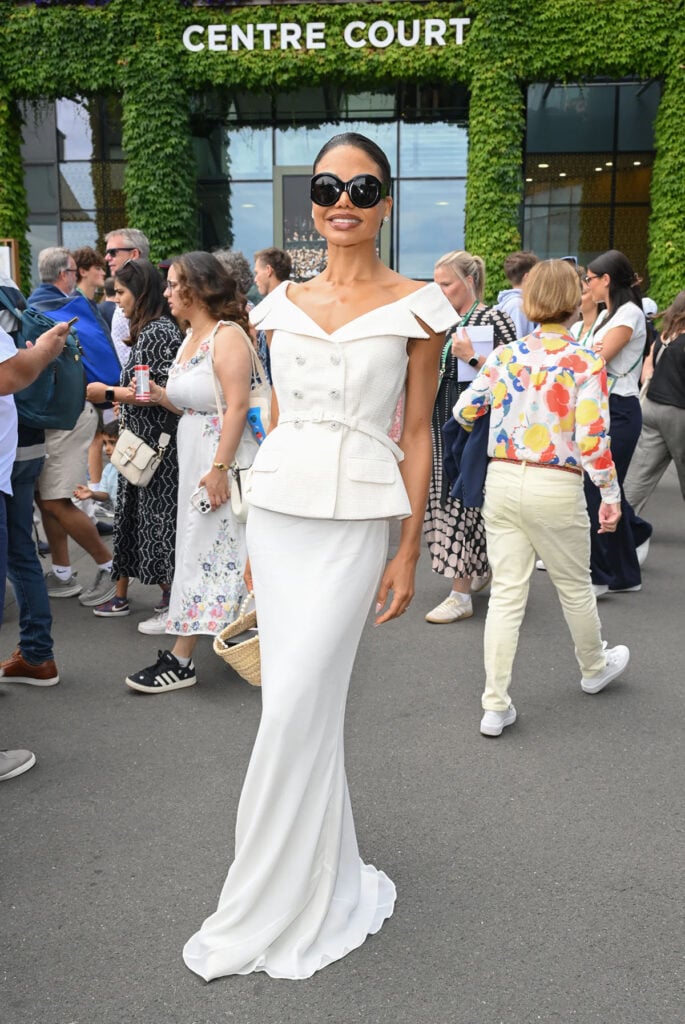
Wimbledon provides a unique marketing environment because of its strict regulations regarding on-court branding. This shifts the focus of brand competition to the stands. For labels like Self-Portrait, worn by Emma Thynn, Marchioness of Bath, and Edeline Lee, worn by Katherine Jenkins, the tournament serves as an essential showcase for their "occasion wear" collections.
Supporting Data and Environmental Context
The sartorial choices of 2026 were heavily influenced by meteorological conditions. With temperatures at the All England Club reaching 30°C (86°F) during the first week, the demand for linen and silk-blend fabrics was evident. Attendance figures for the first five days remained high, with a daily average of approximately 42,000 spectators, all of whom contribute to the visual landscape of the event.
Furthermore, the integration of archival pieces, such as the 2006 Chanel dress, reflects a growing awareness of sustainability within the fashion industry. By opting for vintage or archival looks, celebrities are aligning themselves with a circular fashion economy, a move that resonates with a more environmentally conscious audience.

Broader Implications and Future Outlook
As the tournament moves into its second week, the fashion is expected to become increasingly formal, culminating in the high-glamour appearances usually seen during the semi-finals and finals. The first five days have established that while tradition remains the bedrock of Wimbledon fashion, there is significant room for personal expression and modern updates to the classic dress code.
The 2026 Championships have demonstrated that courtside fashion is no longer just about looking "smart"; it is a sophisticated branding exercise that involves archival research, sustainable choices, and a keen understanding of global fashion trends. The All England Club continues to be a vital runway for the world’s most influential luxury houses, proving that the action off the court is often just as scrutinized as the matches played upon it.