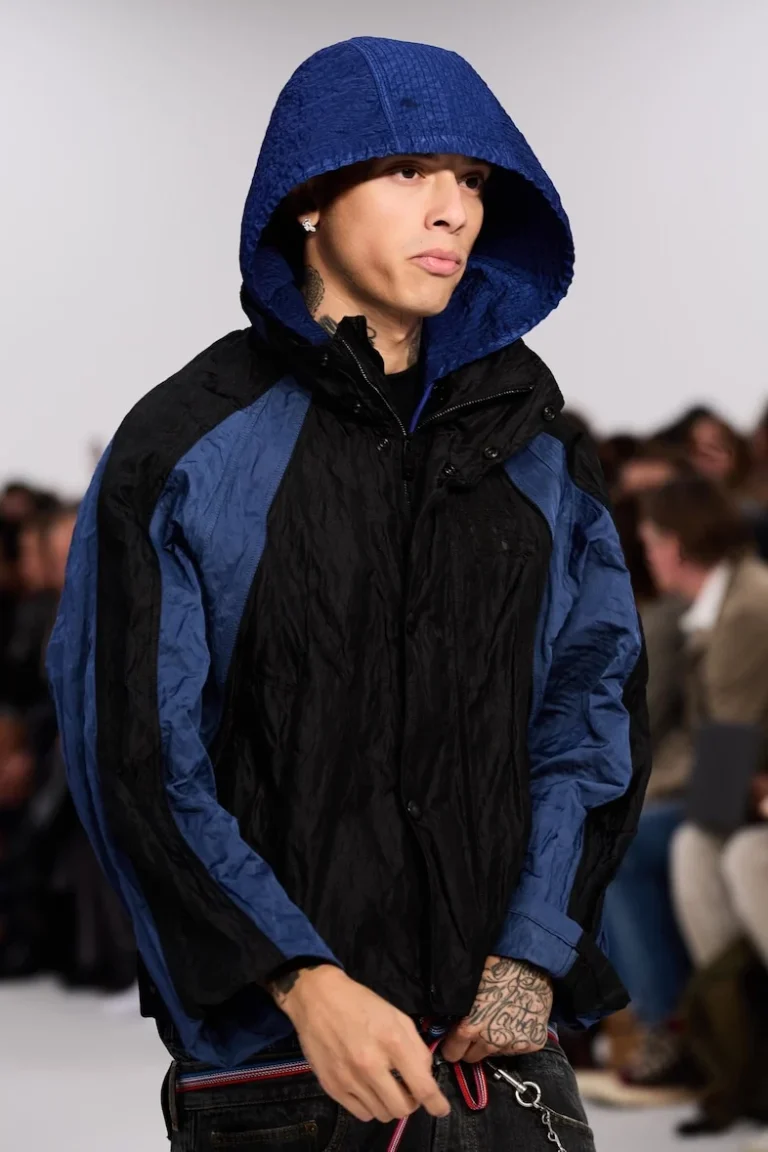


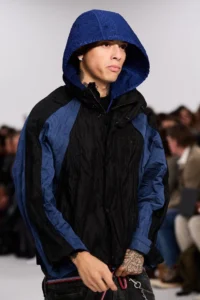


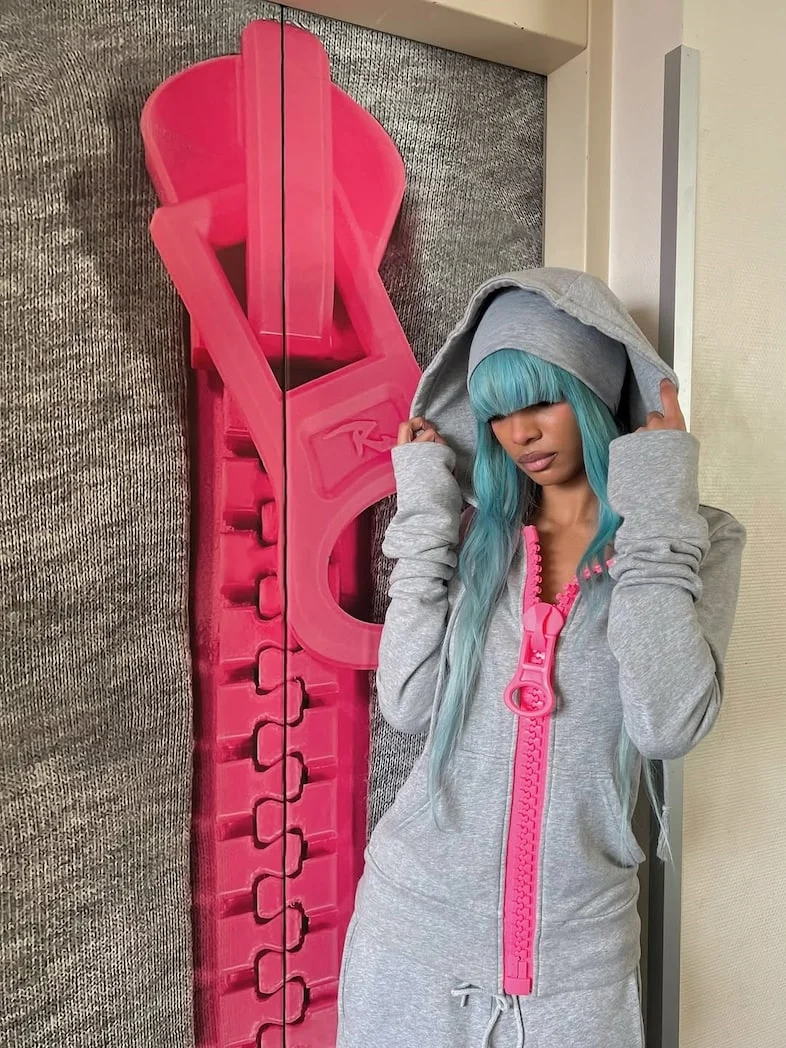
The trajectory of Parisian designer Rohan Mirza exemplifies a burgeoning paradigm in contemporary fashion, where digital culture, video game aesthetics, and a deep understanding of internet-driven hype converge to create highly coveted "grail" items. Mirza, whose instantly recognizable oversized, cartoonish "big zipper" hoodies have become a coveted staple for fashion cognoscenti, has rapidly carved a niche defined by playful irreverence and a meticulous translation of virtual worlds into tangible garments. His work, he explains, is "very inspired by video games, and I’m almost always influenced by characters," a philosophy that permeates his collections, from handgun-strapped belts to ‘HARDCORE’ hoodies and other designs overtly referencing gaming lore.
Mirza’s distinctive aesthetic is deeply rooted in his formative years spent in the Parisian suburbs, a period characterized by extensive digital immersion. He recalls "trawling the internet, consuming the pixelated spew of cartoon graphics, wiring into video games, and following pop culture." This profound engagement with virtual realms, a common experience for many Gen Z and younger millennial creatives, laid the groundwork for a design language that speaks directly to a generation fluent in digital iconography. This digital upbringing manifests in a distinctive brand universe featuring weapon-based SFX, blood-stained "KO’d" garments, and, most notably, the oversized zippers that routinely incite frenzied demand for restocks among his Instagram following. The genesis of this signature element, Mirza reveals, is directly attributed to iconic gaming figures: "The idea for the big zipper came directly from King Mickey’s outfit in Kingdom Hearts – the goth Mickey who wears a hoodie with a huge zip. There’s also Sackboy from LittleBigPlanet, who has a big zip too." This direct inspiration from beloved gaming characters underscores Mirza’s ability to bridge the gap between niche digital culture and mainstream fashion appeal.
The influence of this pixelated gaming universe has been the foundational element shaping Mirza’s previous runway presentations, each acting as a vivid narrative extension of his digital inspirations. His 2024 collection, Nuketown, drew its name and thematic inspiration from the iconic, fast-paced map in the Call of Duty video game series. This collection explored the complex collision between online and offline worlds, presenting models adorned in bullet leather pants, distressed dollar-sprouting jeans, and carrying a translucent 3D-printed sword. The choice of Nuketown as a namesake was not merely aesthetic; it implicitly referenced the chaotic, rapidly evolving nature of digital combat and its psychological imprint, translating virtual aggression into sartorial statements. The inclusion of a 3D-printed sword highlighted Mirza’s embrace of advanced manufacturing technologies, symbolizing a future where digital fabrication seamlessly integrates with traditional garment creation, blurring the lines between the virtual and the tangible.
Building on this exploration, Mirza’s 2025 presentation, Stonehaven, further cemented his commitment to gaming-inspired narratives. Named after another memorable battlefield from Call of Duty, the collection plunged deeper into military-aesthetic influences, reimagining combat gear with a signature Mirza twist. Models paraded in badge-covered blazers, skin-deep SFX racks of ammunition, and carried rifles that paradoxically spouted blood-splattered umbrellas. This collection masterfully subverted the inherently violent connotations of battlefield imagery, transforming elements of war into provocative fashion statements. The "blood-splattered umbrellas" served as a particularly poignant example of this subversion, injecting an element of surrealism and dark humor into what could otherwise be perceived as aggressive militaristic design. This approach resonated with a broader trend in fashion that recontextualizes symbols of power and conflict, often to critique or comment on societal norms, or simply to infuse designs with a powerful, recognizable edge.
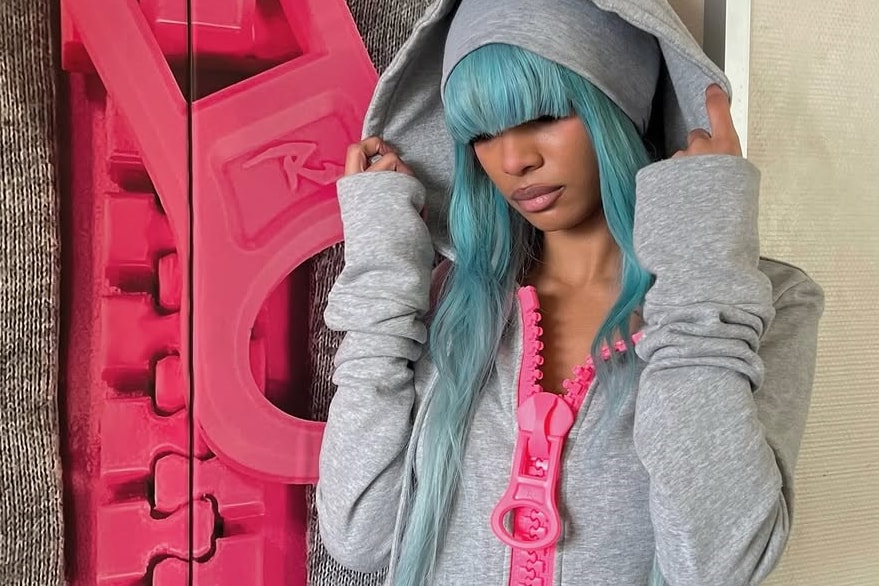
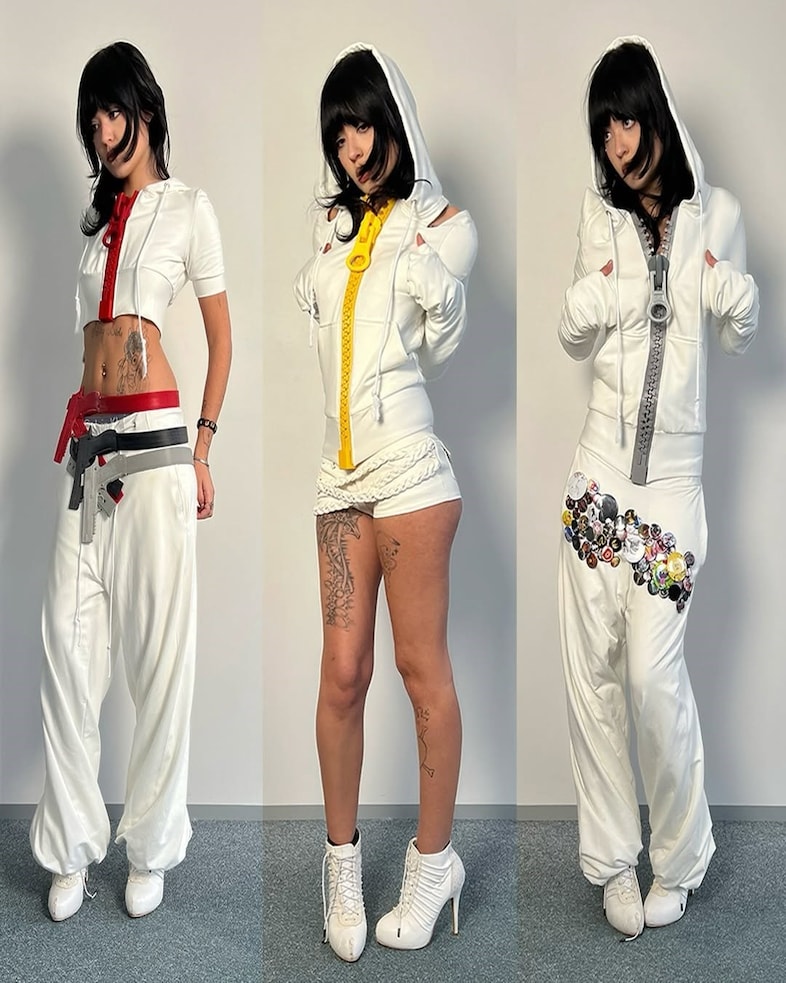
As the fashion landscape continues its rapid evolution, Mirza is signaling a strategic shift for 2026. Instead of a traditional, large-scale collection, he is "dialling things down," focusing on a micro-collection comprising "just a few looks as a testing ground for new ideas." This move away from the traditional runway model and towards a more experimental, condensed offering is indicative of a broader industry trend where designers seek more agile, sustainable, and creatively focused methods of presentation. This shift also aligns with Mirza’s stated desire to use this period to foster community. "There won’t be a full collection this year, only events for people, to bring everyone together. We need to be together. Free parties everywhere in the world," he explains. This vision points towards a future where fashion engagement extends beyond mere consumption, evolving into shared experiences and collective celebration, positioning his brand as a cultural unifier rather than solely a product purveyor.
Mirza’s journey into fashion was initiated by a singular, influential force: "Supreme." This declaration speaks volumes about the streetwear giant’s unparalleled impact on a generation of creatives, legitimizing a subculture that has since become a dominant force in global fashion. Supreme’s model of limited drops, hype generation, and fusion of skate culture with high fashion clearly laid a pathway for designers like Mirza, who thrive on exclusivity, distinct branding, and a keen understanding of youth culture. The brand’s ability to create "grail items" through scarcity and cultural resonance mirrors the very demand Mirza now experiences for his own designs.
When contemplating a hypothetical future without the fashion industry, Mirza envisions himself as "a manager for young rappers." This aspiration is not a far cry from his current creative orbit; the music industry, particularly hip-hop and rap, is inextricably linked with contemporary fashion, serving as both a muse and a powerful platform for trend dissemination. Many designers draw direct inspiration from musical artists, while artists, in turn, leverage fashion to cultivate their public personas and influence. Mirza’s desire to nurture musical talent underscores his deep connection to youth culture and his broader ambition to foster creative communities, echoing his plans for "free parties" in 2026.
His personal "Fashion Mount Rushmore" offers further insight into his diverse influences: Alessandro Michele, Jeremy Scott, Alexander McQueen, and Marc Jacobs. This selection reveals an appreciation for designers who have pushed boundaries, embraced theatricality, and redefined luxury through distinct, often playful or subversive, lenses. Alessandro Michele, known for his maximalist, eccentric, and intellectually rich reimagining of Gucci, aligns with Mirza’s own bold, character-driven aesthetic. Jeremy Scott’s irreverent, pop-art infused designs for Moschino resonate with Mirza’s cartoonish sensibilities and embrace of popular culture. Alexander McQueen, a master of dark romanticism, technical brilliance, and theatrical spectacle, likely inspires Mirza’s more dramatic and conceptual runway presentations, such as Nuketown and Stonehaven. Finally, Marc Jacobs, celebrated for his eclectic vision, ability to transform brands, and early adoption of streetwear influences, reflects a designer who continually evolves and remains culturally relevant. These varied influences suggest Mirza synthesizes different aspects of fashion history to forge his unique path.
Mirza’s personal mantra, "Be grateful for what I have and for the way everything is going. Stay positive in every situation, and bring people together," serves as a guiding principle that extends beyond his personal life into his professional endeavors. This philosophy of positivity and community-building directly informs his current strategic pivot towards experiential events, emphasizing human connection over traditional commercial cycles. It speaks to a growing desire among designers to foster genuine engagement and create inclusive spaces within an often exclusive industry.
His aspiration for a "Cartier Santos full VVS" as a fashion holy grail reflects a taste for high-end luxury, blending his streetwear roots with an appreciation for timeless craftsmanship and overt opulence. This juxtaposition is characteristic of many contemporary designers who navigate the spectrum between street credibility and aspirational luxury.
When immersed in his creative process, Mirza finds rhythm and inspiration in the music of French group PNL, specifically citing their track "Sur Paname." This choice highlights his connection to French urban culture and music, which often influences fashion trends globally. Music, like video games, serves as a powerful wellspring of creativity for Mirza, providing an emotional and atmospheric backdrop to his design work.
In a hypothetical scenario of being trapped in a lift with his celebrity crush, Kylie Jenner, Mirza states he would be wearing his everyday uniform: "a black hoodie, black pants and Air Force 1s." This detail, while seemingly mundane, reinforces his authenticity and consistent personal style, suggesting that his designs are an extension of his own lived experience and preferences. It also places him within a broad demographic that values comfort, understated cool, and iconic streetwear staples.
His identification with Kirby, the iconic Nintendo character, as the fictional character he most relates to, further emphasizes his deep connection to the gaming world. "Kirby – we’re both connected," he muses, perhaps referencing Kirby’s ability to absorb and transform, a metaphor for Mirza’s own creative process of drawing disparate inspirations into a cohesive aesthetic. This playful association reinforces the whimsical, character-driven nature of his brand.
A signature piece from his youth, a black hoodie from a friend’s brand called HotBoys, which he "still wears," points to a loyalty to his roots and a foundational appreciation for authentic streetwear. This enduring garment symbolizes the personal connection and history embedded in his fashion journey, demonstrating that his designs are not just about fleeting trends but about a deeper, personal narrative.
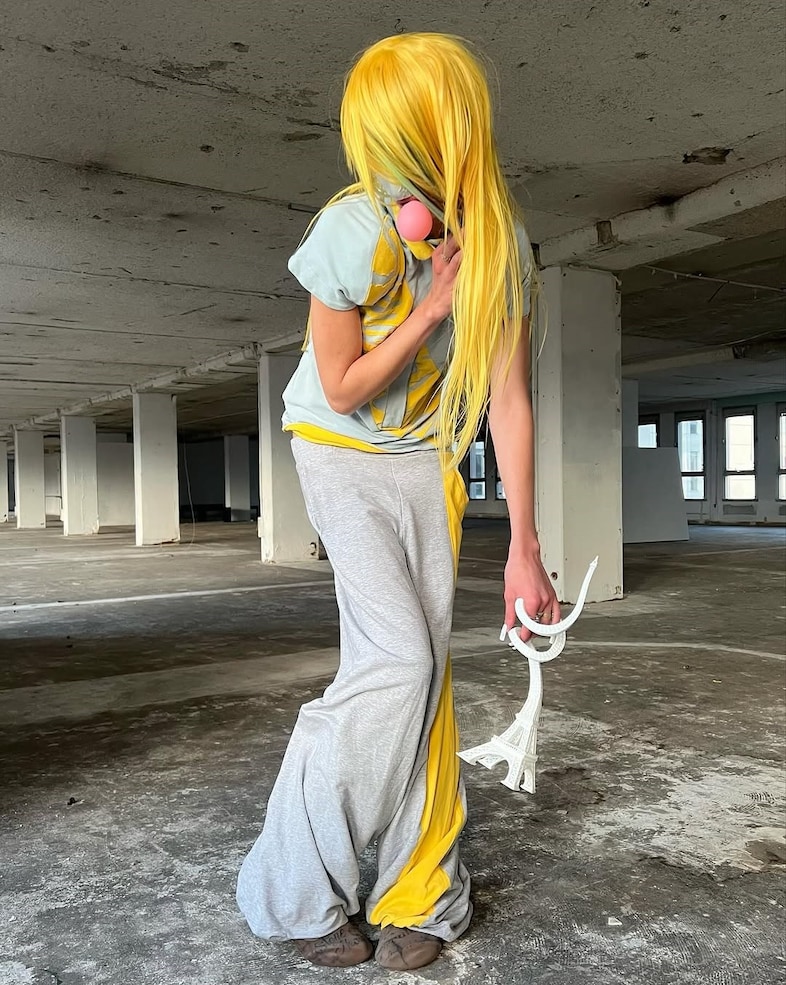
Finally, when asked who he would most like to see wearing his designs, Mirza’s answer is a definitive "SpongeBob." This seemingly humorous response is, in fact, profoundly insightful. SpongeBob SquarePants, a universally recognized and beloved cartoon character, embodies the very essence of Mirza’s aesthetic: cartoonish, oversized, playful, and deeply embedded in pop culture. It highlights his desire for his designs to transcend traditional fashion boundaries and resonate with a broader, more imaginative audience, aligning perfectly with his philosophy of creating joy and connection through his work.
Rohan Mirza represents a new wave of fashion designers who are not merely adapting to the digital age but are intrinsically shaped by it. His ability to translate the vibrant, often chaotic, energy of video games and internet culture into highly desirable fashion pieces, coupled with his evolving vision for community-centric engagement, positions him as a significant voice in shaping the future of fashion. His journey from pixelated dreams in the Parisian suburbs to crafting "grail items" on Instagram showcases a designer who understands the power of narrative, the allure of digital nostalgia, and the importance of genuine connection in a rapidly changing world.