





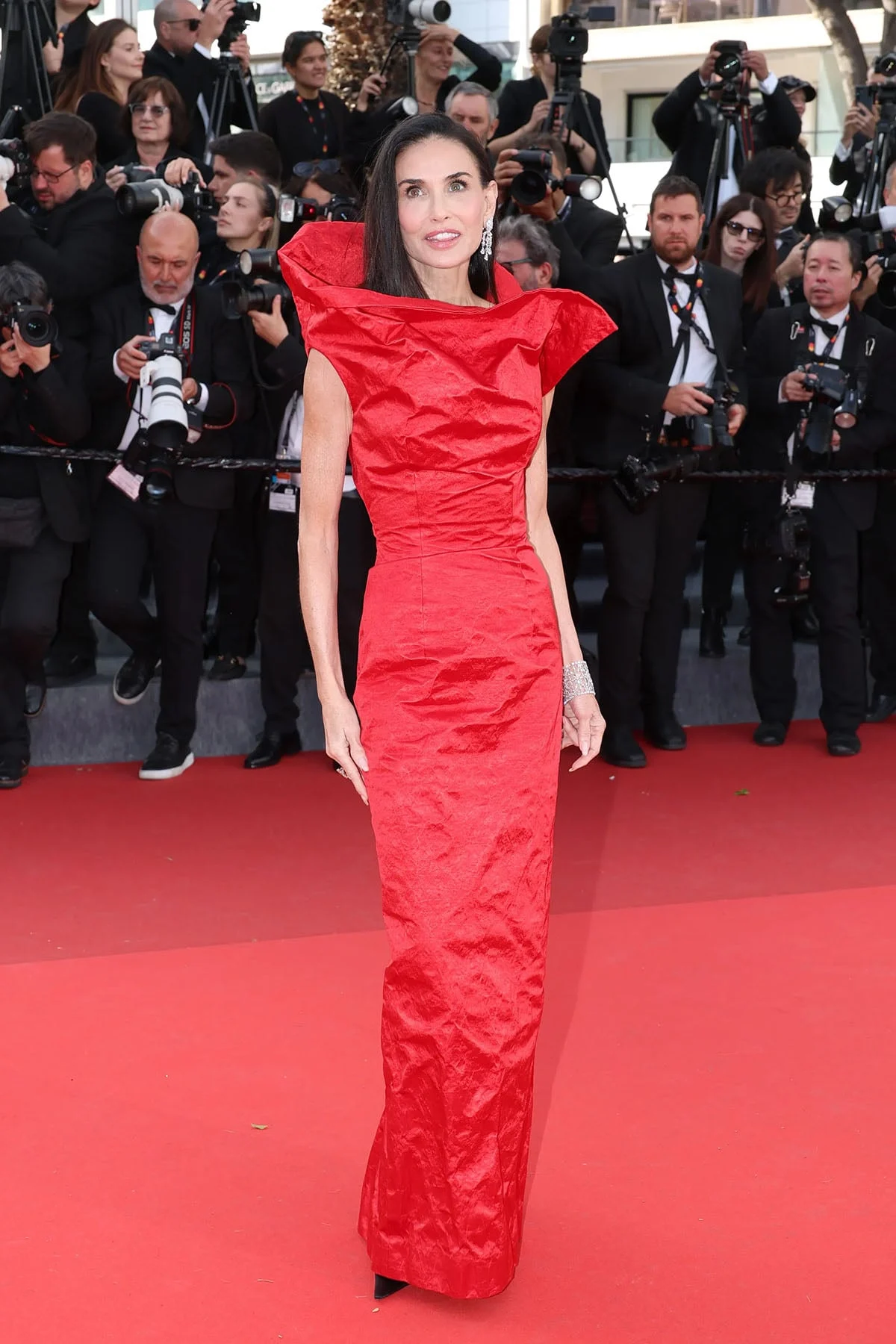
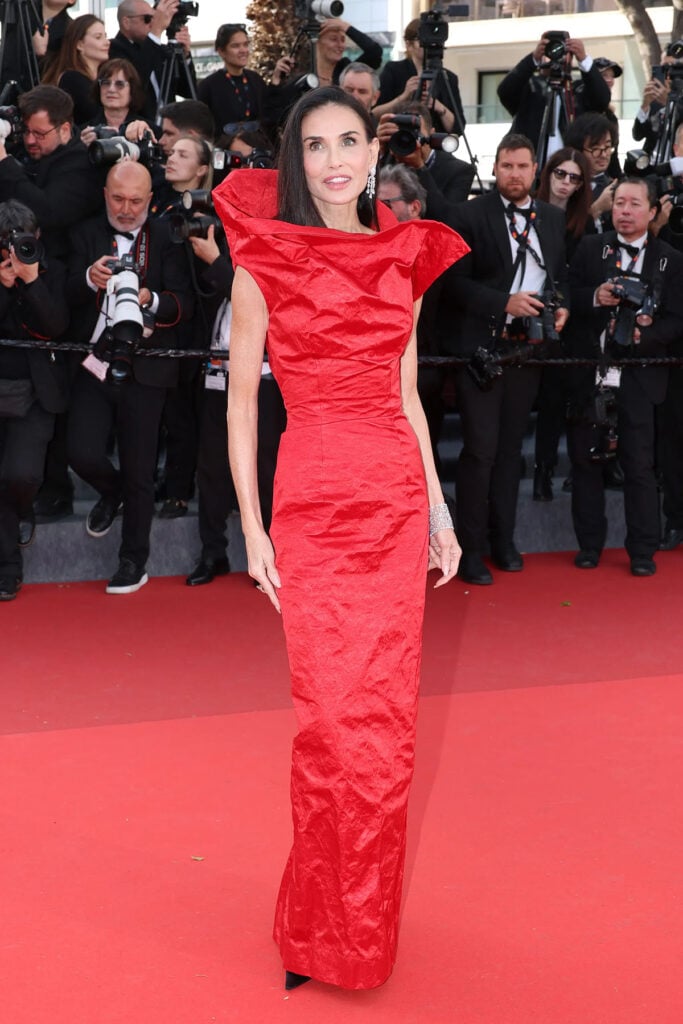
The 79th annual Cannes Film Festival continued its high-profile run on the French Riviera as actress Demi Moore made her third significant appearance of the season, attending the world premiere of the highly anticipated film Fatherland. Following two prior appearances that drew substantial international media attention, Moore’s arrival at the Palais des Festivals marked a pivotal moment in the festival’s fashion narrative. For this engagement, Moore donned a custom red gown designed by Demna for Gucci, a collaboration that highlights a distinct shift in the house’s aesthetic direction. The appearance, curated by longtime stylist Brad Goreski, combined avant-garde structural elements with traditional red-carpet glamour, solidifying Moore’s status as a central figure of the 2026 festival circuit.
The Artistic Collaboration: Gucci by Demna
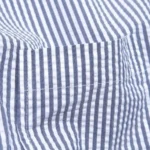
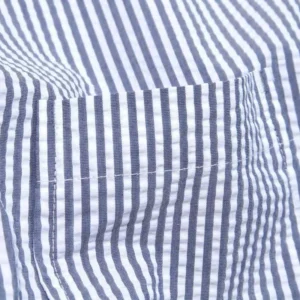
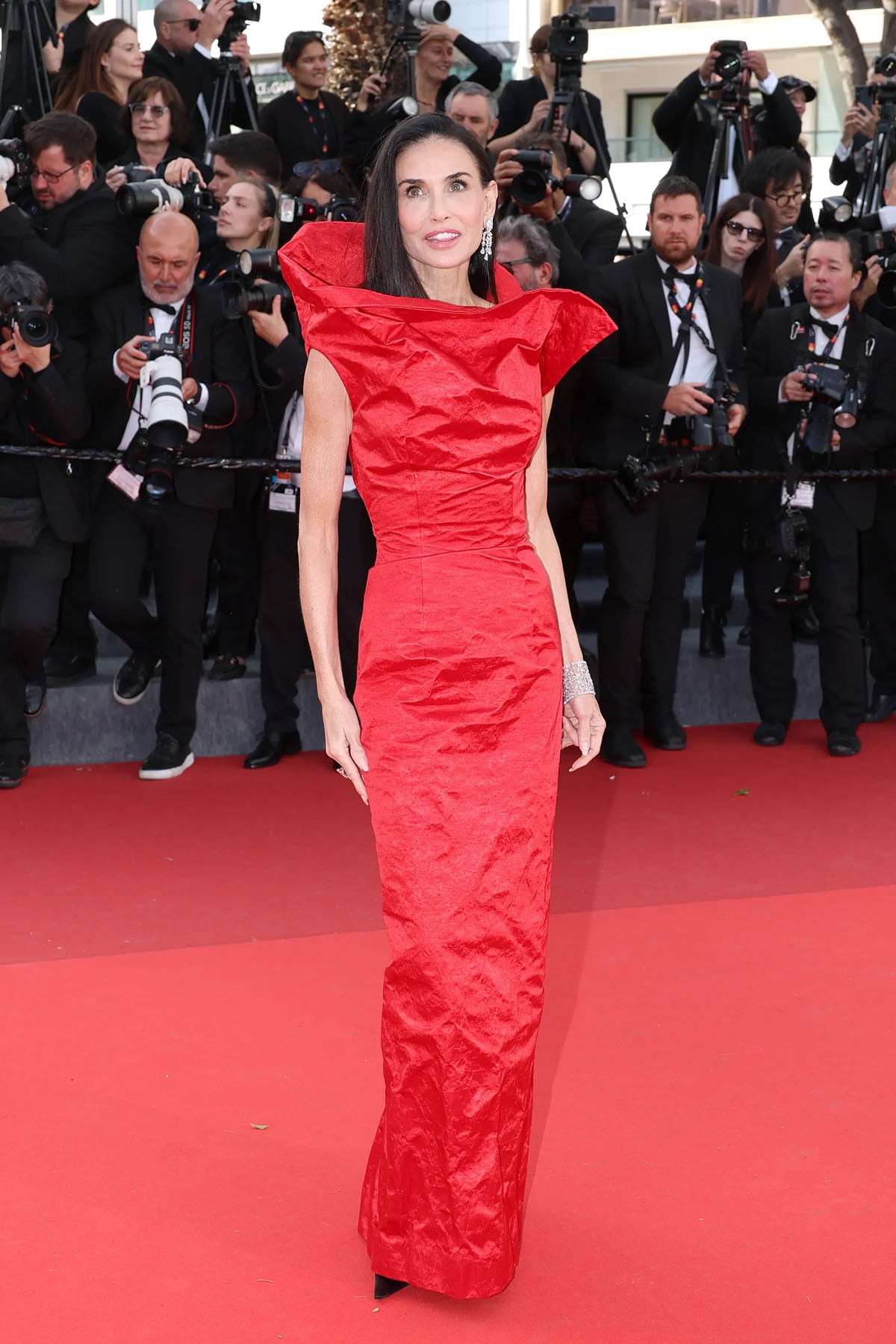
The gown worn by Moore represents a notable intersection of creative identities. Designed by Demna, who has gained global recognition for his subversive and architectural approach to fashion, the garment utilized a specialized crinkled fabric that offered a textured, matte finish. This choice of material served a dual purpose: it provided a modern, tactile alternative to traditional silk or satin, and its structural integrity allowed for the execution of a highly complex, sculptural neckline.
The neckline, characterized by sharp, upward-sweeping peaks, drew immediate comparisons to Demna’s previous work in the realm of Haute Couture. The geometry of the bodice created a dramatic frame for the face, a technique often used in high-fashion photography to emphasize the subject’s profile. By opting for a vibrant shade of crimson, the design team ensured that Moore remained visible against the traditional red carpet, using the fabric’s unique surface texture to catch the light in a way that prevented the monochromatic look from appearing flat or disappearing into the background.
To maintain the integrity of the gown’s architectural lines, Moore’s hair was styled in a sleek, tucked-under fashion. This choice allowed the sharp angles of the neckline to remain the focal point of the silhouette while providing a visual preview of how the actress might appear with a shorter, shoulder-length cut—a detail that sparked immediate discussion among beauty and style commentators.
Chronology of Demi Moore’s 2026 Cannes Residency
Moore’s appearance at the Fatherland premiere was the third act in a carefully choreographed series of red-carpet moments. Her residency at the festival began with a polarizing Gucci look for the premiere of La Vie d’une Femme. That initial ensemble, described by some as ethereal and by others as experimental due to its unique material composition, set the stage for a festival run defined by risk-taking.
- Opening Appearance (La Vie d’une Femme): Moore debuted a Gucci look that utilized unconventional materials, generating a split critical reception. The discourse surrounding this outfit served to increase digital engagement and "Earned Media Value" (EMV) for both the actress and the fashion house.
- Photocall and Daytime Engagements: Between major premieres, Moore participated in various press junkets and Chopard-hosted events, maintaining a consistent presence in the Croisette’s social and professional circles.
- The Fatherland Premiere: This third appearance was widely viewed as the "anchor" of her festival wardrobe. The choice of a bold red gown signaled a move toward more classical cinematic power, even as the construction of the dress remained firmly rooted in contemporary design.
Supporting Data: The Economic and Cultural Impact of Cannes Fashion
The significance of Moore’s appearance extends beyond aesthetic preference, touching upon the multi-million dollar "Red Carpet Economy." According to industry analytics, the Cannes Film Festival remains the premier global platform for luxury brands to showcase custom designs. Data from previous years indicates that a single high-profile appearance by a Tier-1 celebrity like Moore can generate upwards of $5 million in MIV (Media Impact Value) within the first 48 hours.
For Gucci, the partnership with Demna for this specific collection represents a strategic attempt to capture the "avant-garde luxury" market. By dressing a veteran actress with global name recognition, the brand bridges the gap between younger, trend-focused consumers and an older, affluent demographic that values legacy and sophistication. Furthermore, Moore’s choice of Chopard jewelry underscores a long-standing partnership between the festival and the Swiss jeweler. As an official partner of the Cannes Film Festival, Chopard utilizes these premieres to debut pieces from its "Red Carpet Collection," often featuring ethically sourced gemstones and high-carat diamonds that reinforce the brand’s commitment to "Sustainable Luxury."
Technical Analysis of the Fatherland Premiere
Fatherland, the film at the center of the evening’s festivities, has been noted by critics for its intense thematic depth and visual scale. The premiere itself was attended by a global delegation of film industry professionals, including directors, producers, and international distributors. Moore’s presence at the event was not merely as a guest but as a representative of the film’s broader cultural reach.
The logistics of the premiere involved a 400-foot red carpet lined by over 200 accredited photographers. In this environment, the "readability" of a gown is paramount. Stylist Brad Goreski’s decision to focus on a singular, powerful color and a distinct silhouette ensured that Moore’s image would remain clear and impactful across various media formats, from high-resolution print photography to low-resolution social media feeds.
Statements and Industry Reactions
While official statements from the design house were brief, emphasizing the "fusion of heritage and modernism," fashion analysts have been quick to weigh in on the implications of Moore’s styling.
"Demi Moore’s 2026 Cannes wardrobe is a masterclass in evolution," noted one senior fashion editor during a post-premiere panel. "She is moving away from the expected ‘glam’ tropes and embracing garments that function as wearable art. The Demna-designed Gucci gown is a testament to her willingness to be a canvas for more challenging, structural fashion."
Representatives for Chopard also noted the "harmonious balance" between the jewelry and the gown. The selected pieces were designed to complement rather than compete with the high neckline, utilizing minimalist settings to highlight the brilliance of the stones.
Broader Implications for the Film and Fashion Industries
The intersection of Demi Moore, Gucci, and the Fatherland premiere serves as a case study for the modern film festival’s role in global marketing. In an era where streaming and digital platforms have altered the traditional theatrical window, events like Cannes provide a concentrated burst of cultural relevance that is essential for a film’s commercial success.
For Moore, this festival run represents a significant chapter in her career’s "third act." By aligning herself with cutting-edge designers and high-concept films, she maintains a position at the forefront of the industry’s cultural conversation. The use of "crinkled fabric" and "sculptural peaks" may seem like minor details, but in the context of global branding, they are deliberate choices that signal a sophisticated understanding of image-making.
As the festival moves into its final days, the data suggests that Moore’s appearances have been among the most searched and discussed of the year. The "Demna effect"—bringing a sense of grit and architectural rigor to a house like Gucci—has found a potent vehicle in Moore, whose poise and experience allow her to carry garments that might overwhelm a less seasoned performer.
Conclusion
The premiere of Fatherland at the 79th Cannes Film Festival will likely be remembered as much for its red-carpet statements as for its cinematic contributions. Demi Moore’s third appearance, characterized by the bold red Gucci gown and Chopard diamonds, successfully navigated the fine line between classic Hollywood elegance and the future of high-fashion design. As the industry continues to analyze the "Earned Media Value" and the artistic merits of the evening, one fact remains clear: the synergy between a high-profile actress, a visionary designer, and a prestigious global stage continues to be the most powerful tool in the arsenal of modern celebrity culture.